タイプ Y アタッチメント: 製造元、そのサービス代理店、または同様の資格を持つ担当者が交換を行うための電源コードの取り付け方法。
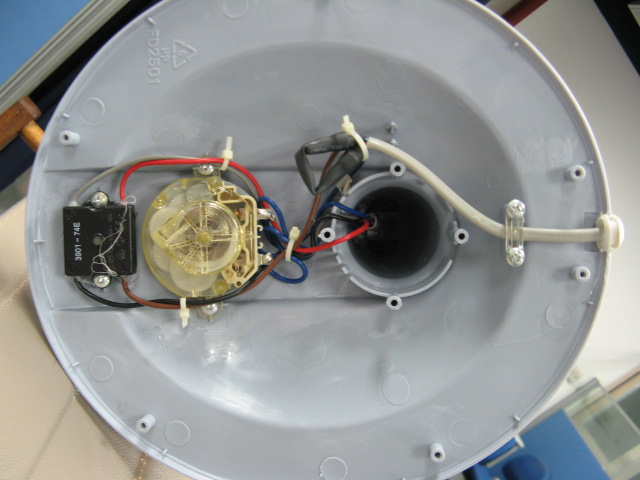
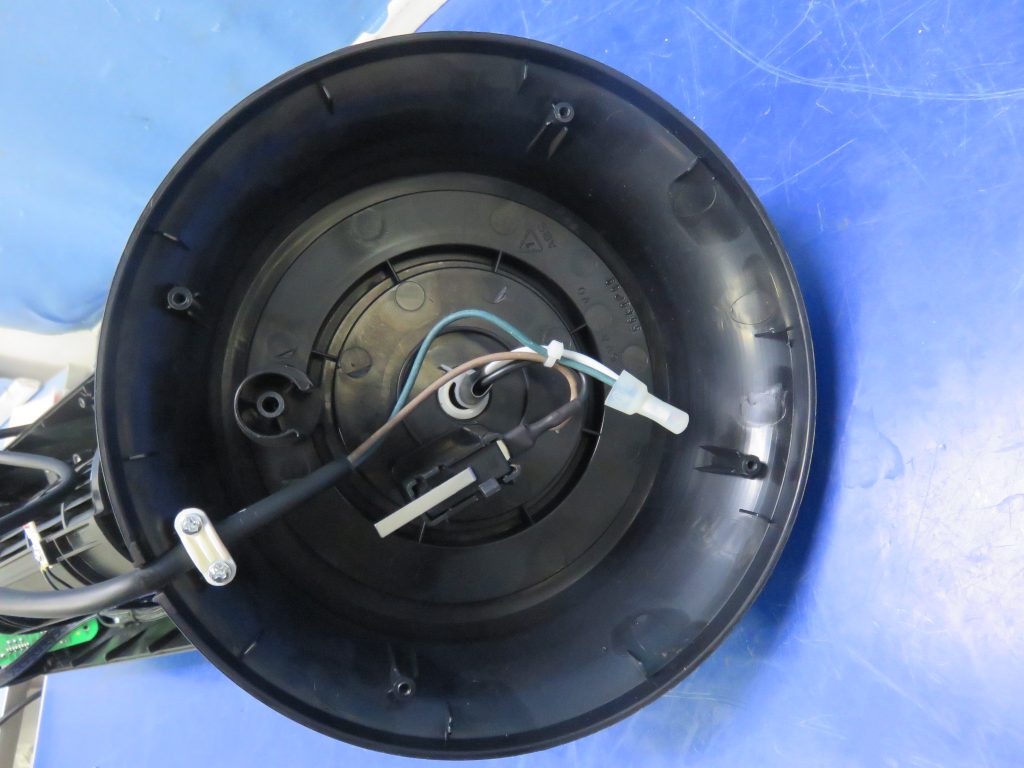
次の 2 つの写真に示すように、アプライアンスの底部にあるカバーを取り外すと、コード クランプと内部電源コード コネクタが見えます。底部カバーの取り外しは比較的簡単ですが、電源コードが同様のニップルコネクタに接続されているか、機械的に固定されている場合は、電源コードを再接続するために専門の工具や破壊が必要となり、電源コードの交換が困難になります。この構造をタイプ Y アタッチメントとして定義する方が合理的です。
As shown in the following two pictures, after removing the cover at the bottom of the appliance, you can see the cord clamp and the internal supply cord connector. Removing the bottom cover is relatively easy, but if the power cord is connected with a similar nipple connector or mechanically fastened, it requires professional tools or destruction to reconnect the supply cord, which makes it difficult to replace the power cord. It is more reasonable to define this structure as type Y attachment.
user maintenance: any maintenance operation stated in the instructions for use, or marked on the appliance, that the user is intended to perform. Allowed user-executed operations, the operation guideline was given in user manual, and it could be showed in enclosure of appliance. Since it is a allowed user-executed operation, then additional protective method should…
small part: part, where each surface lies completely within a circle of 15 mm diameter, or a part where some of the surface lies outside a 15 mm diameter circle but in such a way that it is not possible to fit a circle of 8 mm diameter on any of the surfaces.NOTE A part…
room temperature: ambient temperature specified in the general conditions for the tests.Note 1 to entry: The ambient temperature is specified in 5.7. This item comes from standard IEC 60335-1:2020 edition 6.0. In commented version (CMV) of the official standard IEC 60335-1:2020 edition 6.0 allows the user to identify the changes made to the previous edition…
クラスⅢ機器:感電に対する保護が安全特別低電圧の供給に依存しており、安全特別低電圧以上の電圧が発生しない機器注記 SELV での供給に加えて基礎絶縁が必要になる場合があります。 8.1.4を参照してください。 「安全特別低電圧」の4文字には「安全」という文字が入っておりますが、これはSELVが安全であるという意味ではなく、直接触れても安全であるとは限りません。規格 8.1.4 の要件を満たす安全特別低電圧回路のみに直接触れることができます。これについては、8.1.4 項を分析する際に具体的に分析して説明します。 下図に示すファンはクラス III アプライアンスとして定義できます。ただし、このファンには 2 つの耳があるため、第 22.44 条に準拠していません。詳細は後ほど説明させていただきます。 The fan shown in the figure below can be defined as a class III appliance. However, this fan has two ears, which makes it not compliant with clause 22.44. We will explain the details later.