Clause 3 – How to understand the definition of “user maintenance”

user maintenance: any maintenance operation stated in the instructions for use, or marked on the appliance, that the user is intended to perform.

Allowed user-executed operations, the operation guideline was given in user manual, and it could be showed in enclosure of appliance. Since it is a allowed user-executed operation, then additional protective method should be included in appliance to against hazards; moreover, we must consider that the user performing the maintenance operation does not have much experience with hazard protection, as well as reasonable misuse by the user during maintenance. We need to differentiate between maintenance and repairs; repairs are performed by professionals, and not much protection is needed for the repairers as they are more specialised.

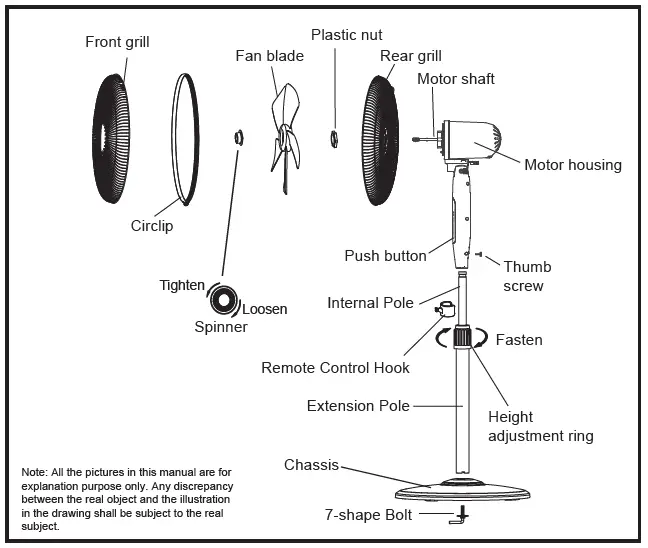
Such as floor standing fan, usually the user will be allowed to disassemble and clean it, and the manual will give detailed instructions for disassembly and cleaning accordingly. A snippet of the instruction manual is shown below:
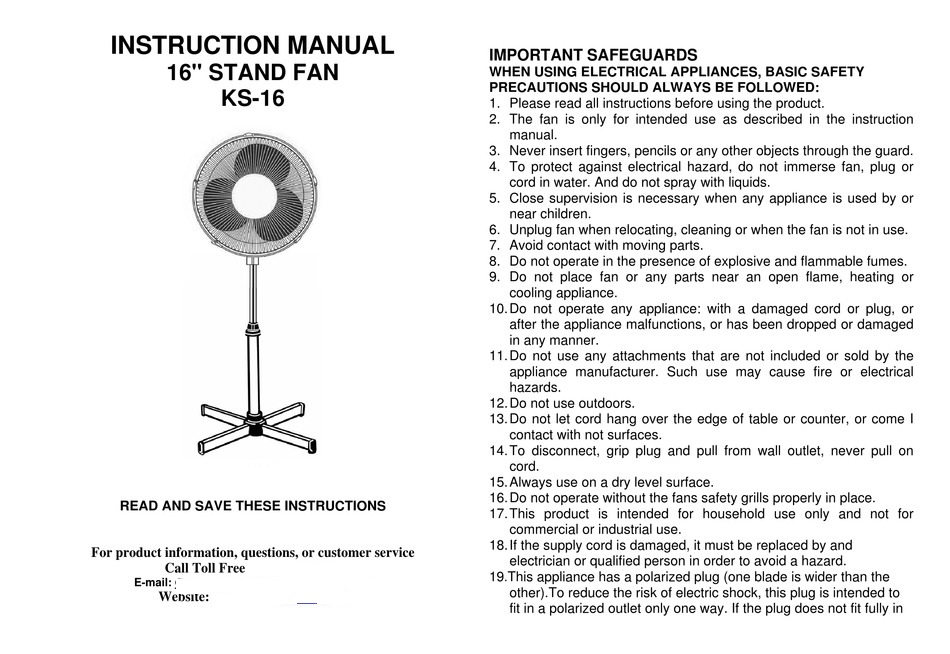
user manual cover page for floor standing fan
Floor standing fan installation diagram

This is a typical type of user maintenance.
The standard refer to definition – user maintenance in clause 7.12, clause 15.1, clause 22.14, clause 23.3, and clause 28.1, which are primarily concerned with avoiding or minimising the hazards that can occur during user maintenance.

Similar Posts

  • 第3項 「タイプX、タイプY、タイプZのアタッチメント」の定義の見方

    接続のタイプはアプライアンスのメーカーによって定義されます。一般に、これをタイプ X として定義することはまれです。これは、メーカーに不必要なリスクをもたらすことになるためです。一般にタイプ Y として定義されます。もちろん、電源コードが鋳造されている場合は、一般にタイプ Z として定義されます。次の図は、3 種類のアタッチメントの接続図を示しています。 タイプ X アタッチメント: 電源コードの接続は、アプライアンス内の特別に用意されたスペースで完了します。したがって、電源コードを交換する際には、端子台と内部配線以外の部分には触れません。電源コードを固定するネジは、通常の十字ネジまたは皿ネジです。電源コードの交換は管理可能な範囲内で行ってください。一般ユーザーが交換する電源コードは比較的シンプルで操作しやすいです。 タイプ Z アタッチメント、3.2.6 の説明と例を参照。 type Z attachment, see the explanation and examples in 3.2.6.

  • 第3項 – 「定格周波数範囲」の定義の見方

    定格周波数範囲: メーカーによって機器に割り当てられた周波数範囲。下限値と上限値で表されます。 範囲形式の定格周波数は、一般に 50 ~ 60 Hz ですが、世界のすべての国では主電源周波数が 50 Hz または 60 Hz のいずれかであり、中間の周波数値がないため、定義はあまり意味がありません。ただし、周波数範囲を 50 ~ 60 Hz の形式で指定するバイヤーまたはメーカーが依然として存在します。私の考えでは、不安定な商用電圧による周波数変動を考慮するためにも、50-60Hz は 50Hz 未満または 60Hz を超える状況を考慮していません。したがって、定格周波数を直接 50/60Hz とマークすることをお勧めします。

  • Clause 3 – How to understand the definition of “detachable part”

    detachable part: part that can be removed or opened without the aid of a tool, a part that is removed or opened in accordance with the instructions for use, even if a tool is needed for removal, or a part that does not fulfil the test of 22.11.NOTE 1 If for installation purposes a part…

  • 第 3 項 – 「動作電圧」の定義の理解方法

    就労電圧: 機器が定格電圧で供給され、通常の動作で動作し、値が最大になるように制御装置やスイッチング デバイスが配置されている場合に、対象の部品が受ける最大電圧 注 1 動作電圧は共振電圧を考慮しています。 注 2 動作電圧を推定する際、過渡電圧の影響は無視されます。 ザ 定格電圧 は通常、テスト対象のサンプルの電源電圧ですが、通常の動作状態にある機器の内部回路では、電圧がこの電圧より高いか低い回路が存在します 定格電圧。 AC非同期モーターで一般的に使用される一般的なファンは、コンデンサを始動する必要があり、両側の始動コンデンサ電圧は一般に 定格電圧定格電圧 電圧の;明らかに、家電製品には複数の動作電圧が存在する可能性があります。規格によれば、回路のこの部分(定義では「検討中の部品」)が動作電圧に基づいて規格の安全要件を満たしているかどうかを評価し、判断する必要がある場合があります。この場合、規格で定義されている動作回路で発生する可能性のある最大電圧を考慮する必要があります。定義によれば、動作電圧の最大値を得るには、製品に以下のものが供給される必要があります 定格電圧 および通常の動作条件で動作します (製品に定格電圧範囲のラベルが付いている場合、通常は 220 ~ 240V の定格電圧など、電圧を供給するための定格電圧範囲の上限として使用されます)。 240V 電源)を使用し、同時に製品内部のコントローラとスイッチングデバイスが定格電圧の電力を供給し、通常の使用条件で動作するように設定する必要があります。電源を供給し、通常の動作条件で動作します。目的は、最高の動作電圧が確実に得られるようにすることであり、評価は製品が最も過酷な動作条件にあることに基づいて行われます。なお、ここではピークテストについて特に言及していないため、動作電圧は実効値となります。 第 29 条の沿面距離の決定は、動作電圧に基づいて沿面距離の制限を決定するため、製品の特定の場所での動作電圧が必要になります。第 13 条の電気強度試験では、絶縁構造に適用される試験電圧も動作電圧に基づいています。 The determination of creepage distances in clause 29 is based on the working voltage to determine the creepage distance limit, which then requires the working…

  • Clause 3 – How to understand the definition of “motor-operated appliance”

    motor-operated appliance: appliance incorporating motors but without any heating elementNote 1 to entry: Magnetically driven appliances are considered to be motor-operated appliances. Household electrical appliances usually use heating elements or motors to complete their designed functions. The main functions are heating, such as heating food or air, and rotation or mechanical movement of products, such…

  • Clause 3 – How to understand the definition of “protective extra-low voltage circuit”

    protective extra-low voltage circuit: earthed circuit operating at safety extra-low voltage which is separated from other circuits by basic insulation and protective screening, double insulation or reinforced insulationNOTE 1 Protective screening is the separation of circuits from live parts by means of an earthed screen.NOTE 2 A protective extra-low voltage circuit is also known as…