Clause 3 – How to understand the definition of “live part”

live part: conductor or conductive part intended to be energized in normal use, including a neutral conductor but, by convention, not a PEN conductor
NOTE 1 Parts, accessible or not, complying with 8.1.4 are not considered to be live parts.
NOTE 2 A PEN conductor is a protective earthed neutral conductor combining the functions of both a protective conductor and a neutral conductor.

In normal use (except abnormal use and for the protection of action) energized conductor and conductive parts. Conductor is easier to understand, as shown in the figure below, which is wrapped in copper conductor parts is live part.
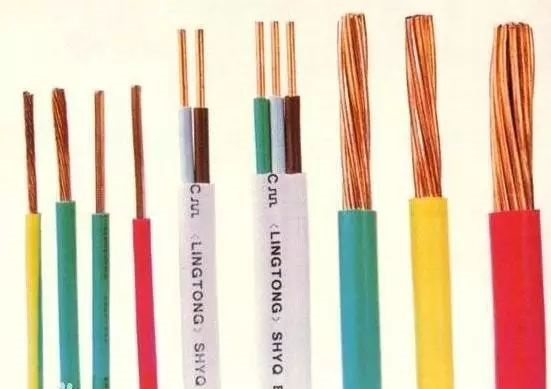
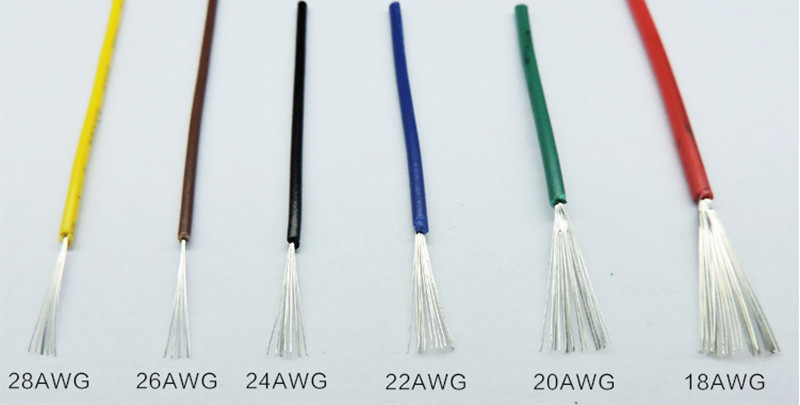
The other part of the conductor that is energized can be a terminal, which can be an electrically powered component, such as a PTC heating element, a winding in a motor, a tungsten filament in a light bulb, a heating wire in a heating tube, and so on. Electrical products are energized in order to achieve the function for which they are designed, usually through the utility power supply. Normal utility power can cause electric shock, so the conductors in an appliance can be defined as live parts.
However, if the utility power is transformed to reduce the voltage, current and other values, then they may become conductors without electric shock damage. We know that ordinary household dry batteries are just no risk of electric shock, and some adapters, their outputs are just no risk of electric shock. For such conductors on circuits with low voltage and current, the standard considers them not to be live parts, but they need to be tested according to clause 8.1.4 of the standard to confirm whether they are live parts.
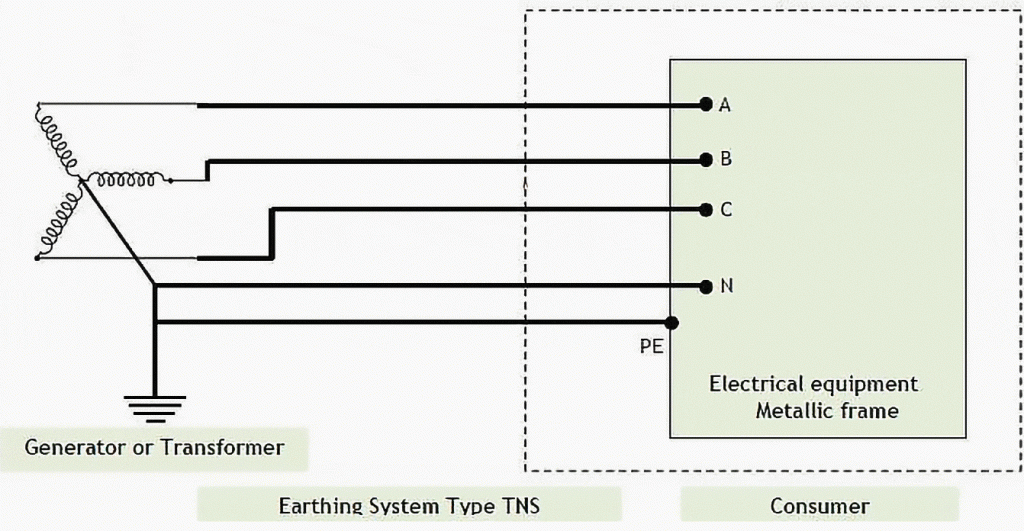
The conductor of the protective earthing is not a live part, but the neutral conductor is a live part, for example, in the following diagram of TN-S system, the conductors of A, B, C, N are all live parts, but PE (actually PEN) is not a live part, although we can see in the diagram that N and PE are connected together.
However, if the single-phase apparatus corresponds to the TN-S system, as follows
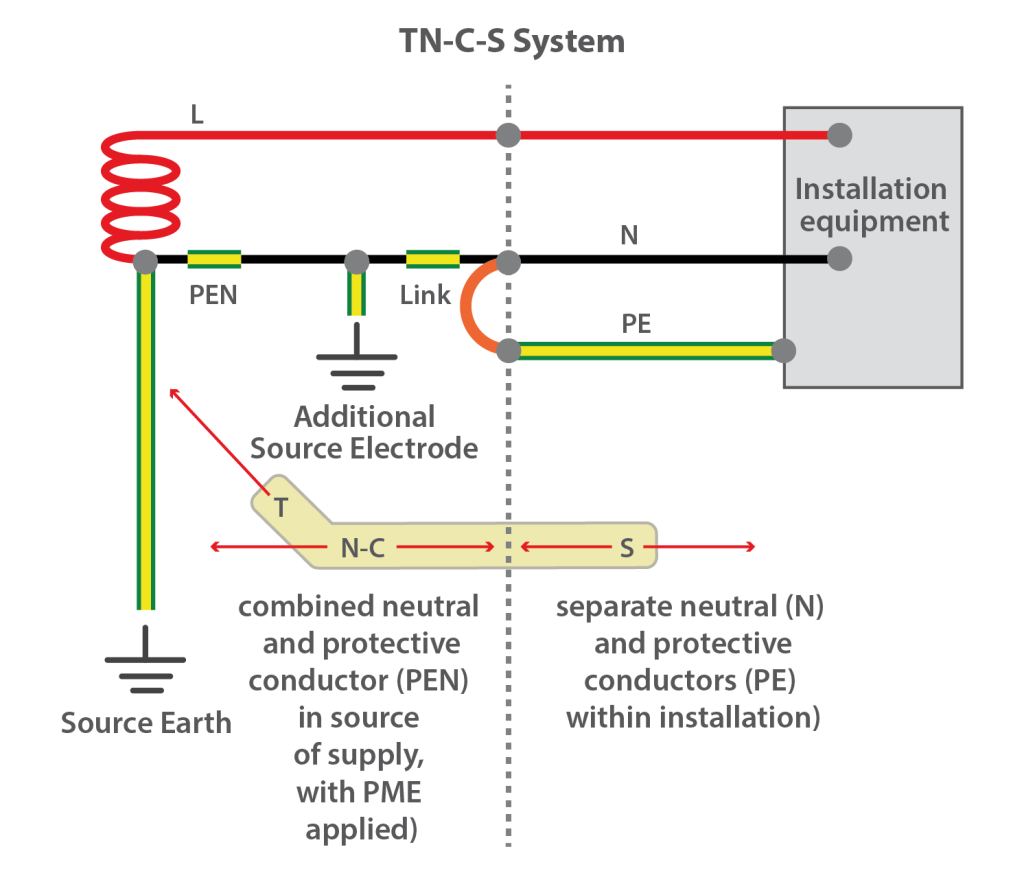
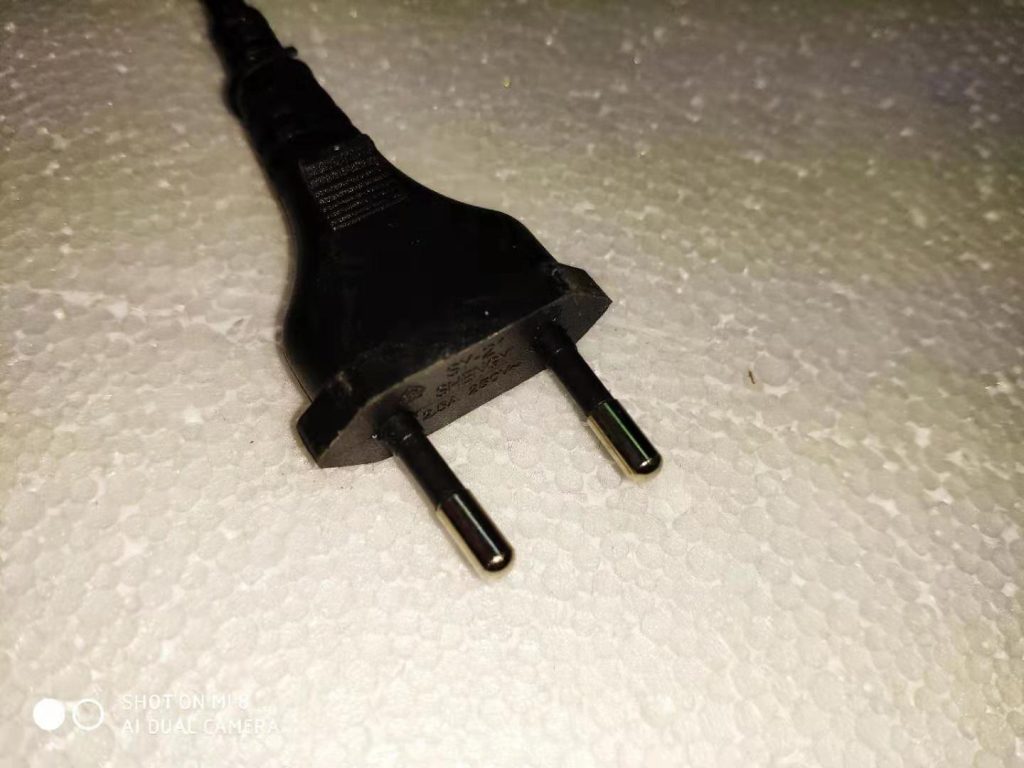
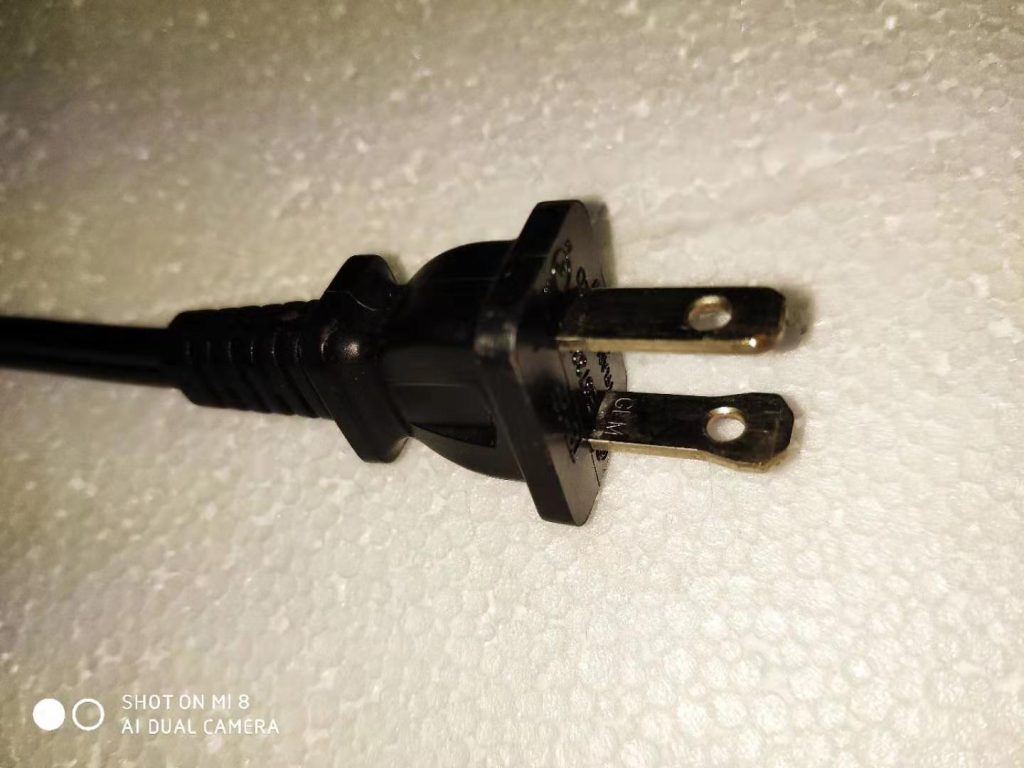
In many countries, while the socket-outlet can distinguish between L and N wires, the plug cannot distinguish between L and N wires, and therefore N is considered to be the Live part. the photo of the two plugs below illustrates the problem. The photo on the right is the plug with the polarity feature used in the US.
Similar Posts

  • Clause 3 – How to understand the definition of “accessible part”

    accessible part: part or surface that can be touched by means of test probe B of IEC 61032, and if the part or surface is metal, any conductive part connected to it.NOTE Accessible non-metallic parts with conductive coatings are considered to be accessible metal parts. There are some parts or surfaces in the appliance that…

  • A question about whether the second part of clause 21.2 needs to be tested.

    We know that clause 29.3.2 and clause 21.2 are two separate clauses and they are not very much related, which means that the product being assessed needs to fulfill both clauses if applicable.A reinforced insulation system consisting of three separate layers of insulating material or what could be considered a double insulation system, Each layer…

  • 第3項「補助絶縁」の定義の見方

    補助絶縁:基礎絶縁が切れた場合に感電を防ぐために、基礎絶縁とは別に施される独立した絶縁 基礎断熱材の外側にあり、基礎断熱材から独立しており、通常はユーザーがアクセスできる断熱材。補助絶縁はその名のとおり追加的なものであり、基礎絶縁に追加する絶縁を指します。これには、この規格の基本原則、つまり二重保護の原則が関係します。いかなる危険に対しても、少なくとも 2 層または 2 セットの保護措置を講じる必要があります。いずれかの保護手段が失敗した場合でも、アプライアンスは別の保護層によって保護されます。ここでの追加絶縁の要件は、基礎絶縁が機能しなくなった場合に保護の役割を果たすことができる絶縁を考慮することです。ここでの保護は充電部の保護のみを目的としています。この規格の他の要件には、非充電部分に対する二重保護措置の要件が含まれます。 下図に示すように、基礎絶縁体の外表面(ここでは内部電線の電線被覆の外表面、またはスイッチのプラスチック材料表面と理解してください)から絶縁可能な箇所まで使用者が触れる部分(機器の底カバーや側面シェル)は、写真例から、機器の底カバーや側面シェルが補助絶縁材であると判断できます。これに対応して、サイドシェル内面に沿った内部リード線シースから外部ユーザーが触れる可能性のある場所までの沿面距離を補助絶縁とし、内部基礎絶縁からの最短直線距離と定義できます。空気を通って外部ユーザーが触れる可能性のある場所までの距離を補助絶縁クリアランスとして定義できます。ここでいうクリアランスとは、一般的にボトムシェルとサイドシェルの間の隙間を指します。

  • A question about clause 21.1 and detachable parts

    21.1 Appliances shall have adequate mechanical strength and be constructed to withstand such rough handling that may be expected in normal use.Compliance is checked by applying blows to the appliance in accordance with test Ehb ofIEC 60068-2-75, the spring hammer test.The appliance is rigidly supported and three blows, having an impact energy of 0,5 J,…

  • 第 3 項 – 「強化絶縁」の定義の理解方法

    強化絶縁:充電部に適用される単一絶縁。この規格で指定された条件下で二重絶縁と同等の感電に対する保護を提供します。注: 断熱材が 1 つの均質な部分であることを意味するものではありません。絶縁体は複数の層で構成される場合があり、補助絶縁体または基礎絶縁体として単独でテストすることはできません。 下の2枚の写真にあるように、左の写真は冷蔵庫の背面の写真です。左の写真は金属グリル越しに内部の基板が見えており、右の写真は内部の写真です。 PCB には充電部分があり、ユーザーがグリルに触れる可能性があります。グリルの隙間と回路基板上の充電部分の間の空気は、導電ループを形成する可能性があります。したがって、この距離は強化絶縁とのクリアランスとして決定できます。クリアランスと注意事項があるため、そして、空気ループで構成されていますが、空気ループを分離することはできず、この空気をどこでいくつかの部分に分割するかさえわかりません。ここで、2 つの点に注意する必要があります。金属グリルが接地されていない場合、グリルと回路基板の充電部分の間の空気は、強化絶縁の要件を満たす必要があります(クラス II 機器の第 8.2 項の要件に従って)。金属グリルが接地されている場合、その場合、グリルと回路基板の充電部分の間の空気は、基礎絶縁の要件のみを満たす必要があります。基礎絶縁と接地は二重の保護手段を備えたクラス I 機器であり、ユーザーは接地金属部分に触れることができるためです。 下に示されている水中ポンプは、内部に影付きの極モーターがあり、巻線が黄色の絶縁体で包まれています。水による損傷を防ぐために、モーターのステーター全体がエポキシ樹脂で包まれています。巻線を巻いた後は、基礎絶縁と補助絶縁を効果的にテストすることはできません。エポキシ樹脂を注入する前は、黄色の絶縁体が基礎絶縁体と考えられ、エポキシ樹脂は補助絶縁体と考えることができます。しかし、エポキシ樹脂をポンプハウジングに注入すると、黄色の絶縁材と非常に密着してしまうため、耐電圧試験の評価などで両者を分離して評価することができません。したがって、ポンプ巻線から外部からアクセス可能なエポキシ樹脂表面まで強化絶縁が形成されます。 The submersible pump shown below has a shaded pole motor inside, with the windings wrapped in yellow insulation. To prevent water damage, the entire motor stator is wrapped in epoxy resin. After the windings are wrapped, it is not possible…

  • Clause 3 – How to understand the definition of “non-detachable part”

    non-detachable-part: part that can only be removed or opened with the aid of a tool or a part that fulfils the test of 22.11. The definition of this concept is mainly for the judgment of clause 8 and clause 20, and the judgment of other clauses may also be used. On the appliance, whether any…