Clause 3 – How to understand the definition of “live part”

live part: conductor or conductive part intended to be energized in normal use, including a neutral conductor but, by convention, not a PEN conductor
NOTE 1 Parts, accessible or not, complying with 8.1.4 are not considered to be live parts.
NOTE 2 A PEN conductor is a protective earthed neutral conductor combining the functions of both a protective conductor and a neutral conductor.

In normal use (except abnormal use and for the protection of action) energized conductor and conductive parts. Conductor is easier to understand, as shown in the figure below, which is wrapped in copper conductor parts is live part.
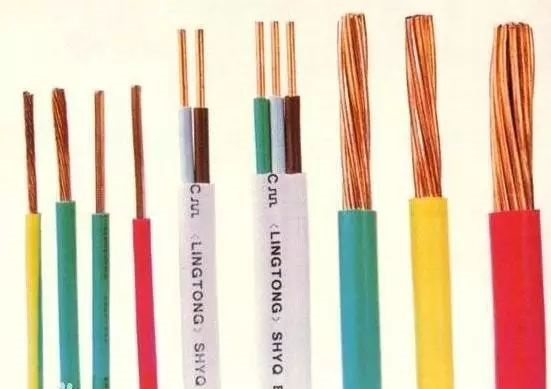
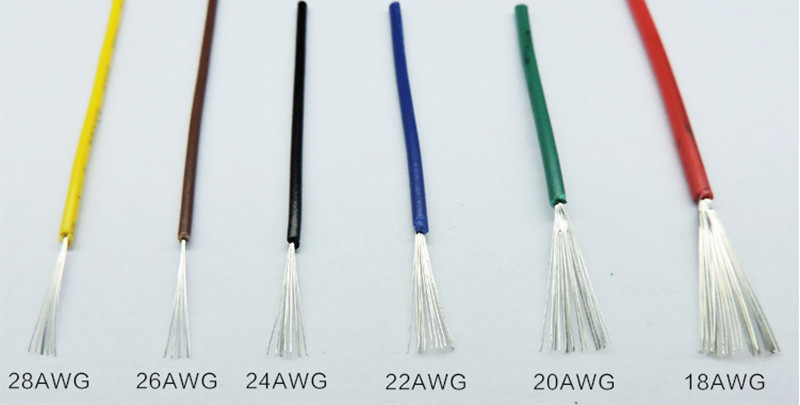
The other part of the conductor that is energized can be a terminal, which can be an electrically powered component, such as a PTC heating element, a winding in a motor, a tungsten filament in a light bulb, a heating wire in a heating tube, and so on. Electrical products are energized in order to achieve the function for which they are designed, usually through the utility power supply. Normal utility power can cause electric shock, so the conductors in an appliance can be defined as live parts.
However, if the utility power is transformed to reduce the voltage, current and other values, then they may become conductors without electric shock damage. We know that ordinary household dry batteries are just no risk of electric shock, and some adapters, their outputs are just no risk of electric shock. For such conductors on circuits with low voltage and current, the standard considers them not to be live parts, but they need to be tested according to clause 8.1.4 of the standard to confirm whether they are live parts.
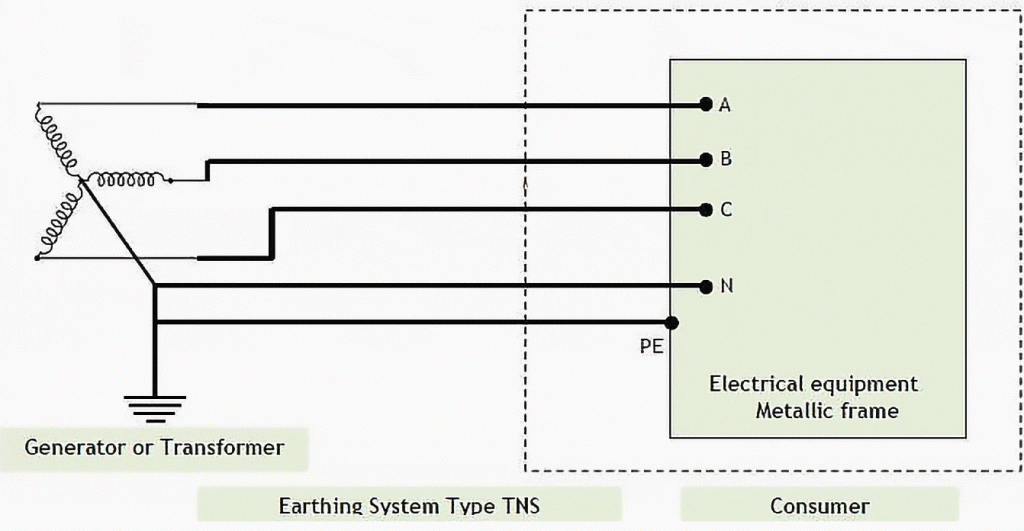
The conductor of the protective earthing is not a live part, but the neutral conductor is a live part, for example, in the following diagram of TN-S system, the conductors of A, B, C, N are all live parts, but PE (actually PEN) is not a live part, although we can see in the diagram that N and PE are connected together.
However, if the single-phase apparatus corresponds to the TN-S system, as follows
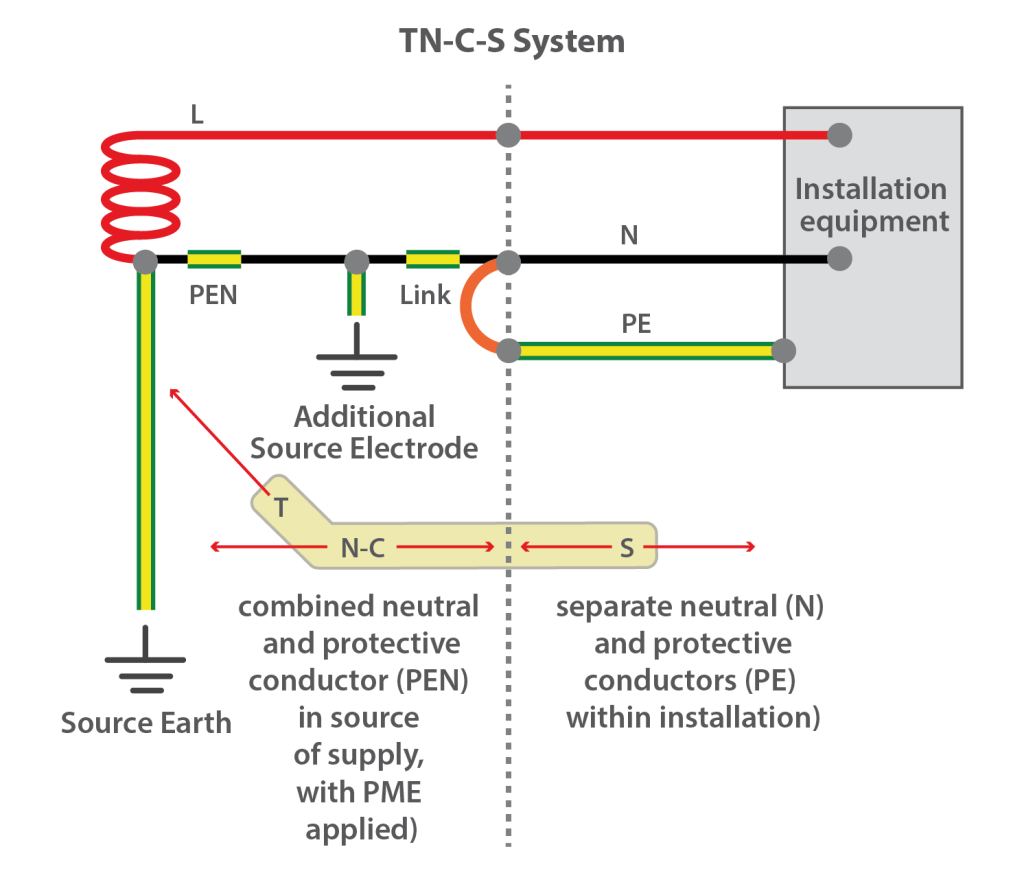
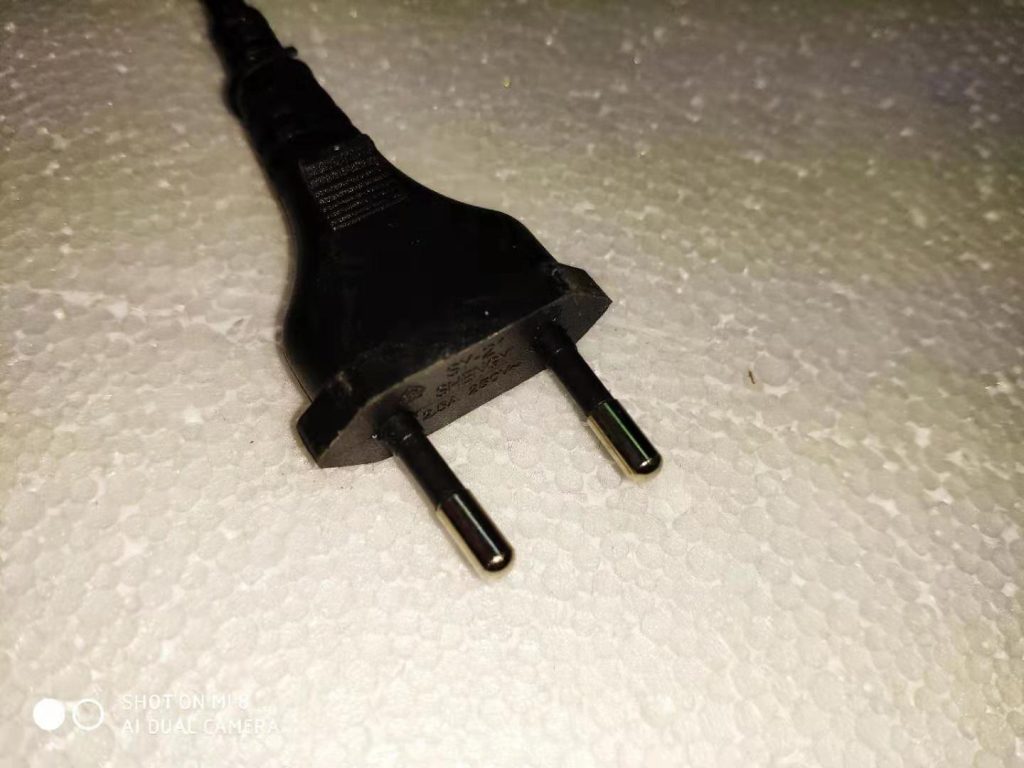
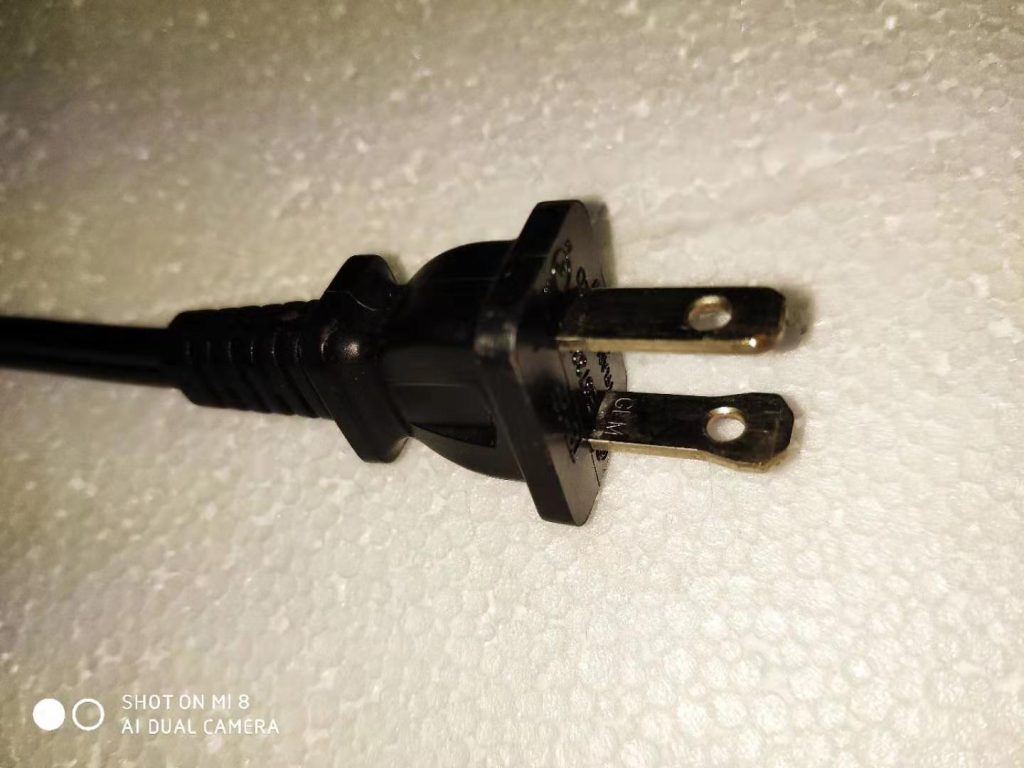
In many countries, while the socket-outlet can distinguish between L and N wires, the plug cannot distinguish between L and N wires, and therefore N is considered to be the Live part. the photo of the two plugs below illustrates the problem. The photo on the right is the plug with the polarity feature used in the US.
Similar Posts

  • ข้อ 3 – วิธีทำความเข้าใจคำจำกัดความของ “อุปกรณ์คลาส II”

    ฉนวนพื้นฐาน เฉพาะแต่โดยจัดให้มีมาตรการป้องกันความปลอดภัยเพิ่มเติม เช่น ฉนวนสองชั้น หรือ ฉนวนเสริมแรง ไม่มีข้อกำหนดสำหรับการต่อสายดินหรือการพึ่งพาเงื่อนไขการติดตั้งหมายเหตุ 1 อุปกรณ์ดังกล่าวอาจมีประเภทใดประเภทหนึ่งต่อไปนี้: – เครื่องใช้ไฟฟ้าที่มีเปลือกหุ้มที่ทนทานและต่อเนื่องกันมากเป็นวัสดุฉนวนซึ่งห่อหุ้มส่วนที่เป็นโลหะทั้งหมด ยกเว้นส่วนต่างๆ เช่น แผ่นป้าย หมุดเกลียว และหมุดย้ำ ซึ่งแยกออกจากส่วนที่ถ่ายทอดสด โดยฉนวนอย่างน้อยเทียบเท่ากับ ฉนวนเสริมแรง อุปกรณ์คลาส II– เครื่องใช้ไฟฟ้าที่มีเปลือกหุ้มโลหะที่ต่อเนื่องกันอย่างมาก โดยที่ ฉนวนสองชั้น;หรือ ฉนวนเสริมแรง ถูกใช้ตลอด; อุปกรณ์ดังกล่าวเรียกว่าเครื่องหุ้มโลหะ อุปกรณ์คลาส II – เครื่องใช้ไฟฟ้าที่มีฉนวนหุ้มอยู่รวมกัน อุปกรณ์คลาส II;และหุ้มด้วยโลหะ อุปกรณ์คลาส II หมายเหตุ 2 กรอบหุ้มของฉนวนหุ้ม อุปกรณ์คลาส II.อาจประกอบเป็นบางส่วนหรือทั้งหมด ฉนวนเสริม หรือของ ฉนวนเสริมแรง รูปที่ 11 – ตัวอย่างระยะห่างในมาตรฐาน IEC 60335-1 เป็นตัวอย่างง่ายๆ จากตัวเลขนี้ เราสามารถคิดถึงคุณลักษณะพื้นฐานของอุปกรณ์คลาส II โครงสร้างคลาส II…

  • A question about clause 21.1 and detachable parts

    21.1 Appliances shall have adequate mechanical strength and be constructed to withstand such rough handling that may be expected in normal use.Compliance is checked by applying blows to the appliance in accordance with test Ehb ofIEC 60068-2-75, the spring hammer test.The appliance is rigidly supported and three blows, having an impact energy of 0,5 J,…

  • ข้อ 3 – วิธีทำความเข้าใจคำจำกัดความของ “ฉนวนพื้นฐาน”

    ตามที่แสดงในภาพซ้ายด้านล่าง เป็นภาพถ่ายฝาครอบด้านล่างของพัดลม และภาพขวาเป็นภาพถ่ายที่ไม่มีฝาครอบด้านล่าง ผิวลวดสีน้ำเงินและสีน้ำตาลภายในสายไฟในภาพด้านขวาถือได้ว่าเป็นฉนวนพื้นฐาน ในเวลาเดียวกัน สกินลวดสีขาว สีแดง และสีดำบนสวิตช์ที่เชื่อมต่อกับเปลือกสีดำสามารถถือเป็นฉนวนพื้นฐานได้ ส่วนที่มีกระแสไฟฟ้าที่นี่คือแกนทองแดงในเส้นลวด นอกจากนี้ ระยะห่างระหว่างตัวนำโลหะในสวิตช์และพื้นผิวด้านในของเปลือกสีขาวสามารถตัดสินได้ว่าเป็นฉนวนพื้นฐาน จากมุมมองของระยะตามผิวฉนวน กระแสไฟฟ้าในตัวนำภายในสวิตช์จะดำเนินการ (ไต่ขึ้น) ไปตามพื้นผิวฉนวนของสวิตช์ไปยังพื้นผิวด้านในของเปลือกสีขาว (มุมเล็กซ้ายของภาพขวา) และระยะนี้สามารถ ถือเป็นระยะห่างตามผิวฉนวนของฉนวนพื้นฐาน จากมุมมองของระยะห่างทางไฟฟ้า กระแสไฟฟ้าในตัวนำภายในสวิตช์จะถูกส่งโดยตรงผ่านอากาศระหว่างพื้นผิวด้านในของฝาครอบด้านล่างของพัดลมและเปลือกสวิตช์ และระยะห่างระหว่างอากาศนี้ถือเป็นระยะห่างของฉนวนพื้นฐาน (เปลือกพลาสติกสีขาวถือเป็นฉนวนเพิ่มเติม) ดังแสดงในรูปด้านล่าง ตัวนำเคลือบแล็คเกอร์ของขดลวดของมอเตอร์ได้รับการแก้ไขโดยกระดาษช่องสีขาวที่สอดเข้าไปในสเตเตอร์ของมอเตอร์ ขดลวดถูกระบุว่าเป็นชิ้นส่วนที่มีไฟฟ้าแบบเปิดโล่งตามมาตรฐาน ตัวนำเคลือบแล็คเกอร์ของขดลวดและสเตเตอร์ของมอเตอร์จะสร้างวงวนนำไฟฟ้าผ่านกระดาษช่อง (โดยทั่วไป หากเป็นเครื่องใช้ไฟฟ้าประเภท 1 สเตเตอร์ที่เชื่อมต่อกับตัวเรือนมอเตอร์จะถูกต่อสายดินด้วยเนื่องจากตัวเรือนมอเตอร์ต่อสายดิน ถ้าเป็นเช่นนั้น อุปกรณ์ประเภท II ตัวเรือนมอเตอร์ และสเตเตอร์ของมอเตอร์เป็นส่วนประกอบโลหะขั้นกลางที่ไม่มีการต่อสายดิน) แม้ว่าค่าการนำไฟฟ้าของกระดาษสล็อตจะไม่เพียงพอ แต่กระแสไฟอ่อนจะยังคงเกิดขึ้นบนกระดาษสล็อต ปริมาณกระแสไฟฟ้าที่สร้างขึ้นที่นี่เกี่ยวข้องโดยตรงกับประสิทธิภาพของกระดาษสล็อต วัสดุกระดาษช่องนี้สามารถกำหนดได้ว่าเป็นฉนวนพื้นฐาน พื้นผิวของกระดาษช่องสามารถเชื่อมต่อกับการเคลือบโลหะของขดลวด ดังนั้นระยะทางบนพื้นผิวกระดาษของช่องสามารถกำหนดเป็นระยะทางตามผิวฉนวนของฉนวนพื้นฐาน วัสดุของกระดาษสล็อตนั้นมีบทบาทเป็นฉนวนแข็ง (แม้ว่าจะไม่มีข้อกำหนดความหนาสำหรับฉนวนแข็ง แต่ก็ยังต้องเป็นไปตามข้อกำหนดกระแสไฟรั่วและความแข็งแรงทางไฟฟ้าของบทที่ 13 และ 16) ดังนั้น ระยะห่างทางไฟฟ้าในรูปด้านบนคือระยะห่างที่สั้นที่สุดระหว่างขดลวดและการเคลือบสเตเตอร์ในอากาศ ดังแสดงในรูปด้านล่าง และ nbsp; ลวดพันของมอเตอร์ไม่ได้รับการแก้ไขอย่างถูกต้องและอยู่ใกล้กับสเตเตอร์ของมอเตอร์มาก มันไม่สามารถตอบสนองข้อกำหนดระยะตามผิวฉนวนและระยะกวาดล้างของข้อ 29…

  • ข้อ 3 – จะเข้าใจคำจำกัดความของ “การก่อสร้างประเภท II” ได้อย่างไร

    ตัวอย่าง: เตาอบที่แสดงในภาพด้านล่างใช้เปลือกโลหะและปุ่มสวิตช์พลาสติก เมื่อผู้ใช้สัมผัสปุ่มสวิตช์ ปุ่มทำจากวัสดุฉนวนและไม่สามารถต่อสายดินได้ การป้องกันไฟฟ้าช็อตสามารถพึ่งพาฉนวนของปุ่มเท่านั้น มีฉนวนพื้นฐานระหว่างชิ้นส่วนที่มีกระแสไฟฟ้าภายในสวิตช์และแกนปุ่มหมุนสวิตช์ และปุ่มหมุนสวิตช์จะสร้างฉนวนเสริม ดังนั้นตำแหน่งปุ่มสวิตช์จึงเป็นโครงสร้างคลาส II       

  • Clause 3 – How to understand the definition of “accessible part”

    accessible part: part or surface that can be touched by means of test probe B of IEC 61032, and if the part or surface is metal, any conductive part connected to it.NOTE Accessible non-metallic parts with conductive coatings are considered to be accessible metal parts. There are some parts or surfaces in the appliance that…

  • A question about whether the second part of clause 21.2 needs to be tested.

    We know that clause 29.3.2 and clause 21.2 are two separate clauses and they are not very much related, which means that the product being assessed needs to fulfill both clauses if applicable.A reinforced insulation system consisting of three separate layers of insulating material or what could be considered a double insulation system, Each layer…