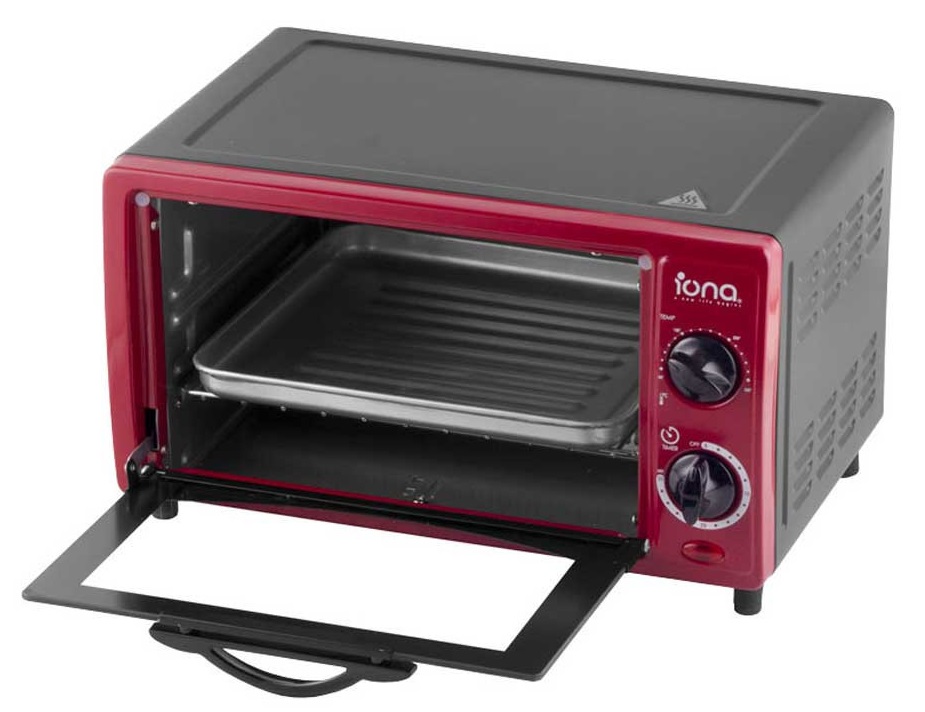
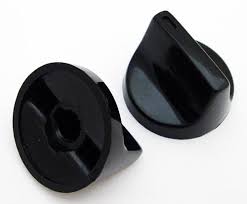
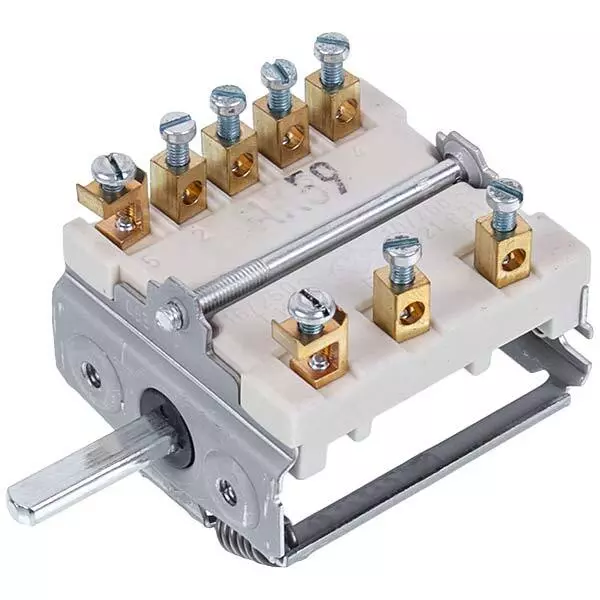
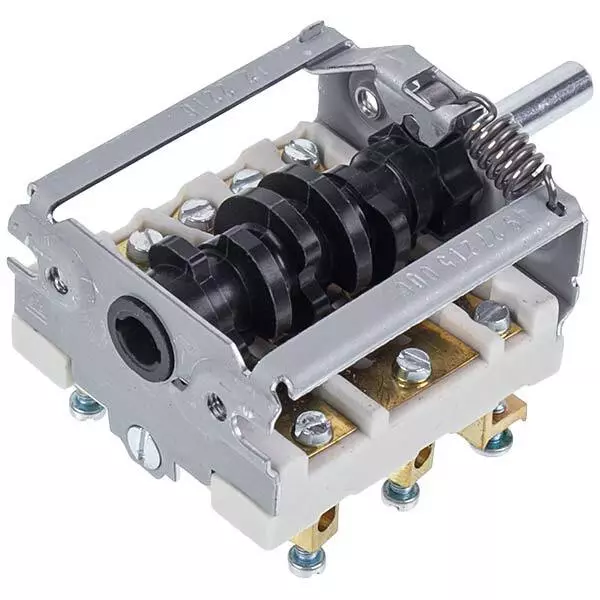
ここで重点を置くのは、二重絶縁または強化絶縁の要件を満たすことができる機器の構造の一部です。したがって、クラス I アプライアンスにはクラス II 構造も含まれます。 例:下図のオーブンでは金属シェルとプラスチック製スイッチノブが使用されています。使用者がスイッチノブに触れると、ノブは絶縁体でできているため接地できません。感電に対する保護はノブ自体の絶縁にのみ依存します。スイッチ内部の充電部とスイッチノブ軸間は基礎絶縁となっており、スイッチノブは補助絶縁を形成します。したがって、スイッチノブの位置はクラスII構造となります。
small part: part, where each surface lies completely within a circle of 15 mm diameter, or a part where some of the surface lies outside a 15 mm diameter circle but in such a way that it is not possible to fit a circle of 8 mm diameter on any of the surfaces.NOTE A part…
combined appliance: appliance incorporating heating elements and motors. We know that this standard mainly protects against the following five types of dangers, which are electric shock, mechanical damage from moving parts, thermal damage (such as burns), fire damage, chemical and biological damage. Generally speaking, thermal damage is caused by electric heating elements, and mechanical damage…
all-pole disconnection: disconnection of both supply conductors by a single initiating action or, for multi-phase appliances, disconnection of all supply conductors by a single initiating actionNOTE For multi-phase appliances, the neutral conductor is not considered to be a supply conductor. Single-phase power: An AC power system composed of one live wire and one neutral wire.Three-phase…
fixed appliance: appliance that is intended to be used while fastened to a support or while secured in a specific location. The definition emphasizes fastening to a bracket or fixing in a specific position. Generally, we think that this kind of fixation requires some installation actions and some fixing devices, these devices can be fixed…
8.1.5 Live parts of built-in appliances, fixed appliances, and appliances delivered in separate units shall be protected by at least basic insulation before installation or assembly. Compliance is checked by inspection and the test in 8.1.1.Why is this requirement in place? I believe there are three types of hazards that require protection. The first is…