Clause 3 – How to understand the definition of “stationary appliance”

stationary appliance: fixed appliance or an appliance which is not a portable appliance.

Stationary appliance includes fixed appliance and not a portable appliance. The characteristic of a stationary appliance is that once it is put into use, it will be placed in a fixed position. At the same time, the position of the appliances will generally not be changed during normal use.
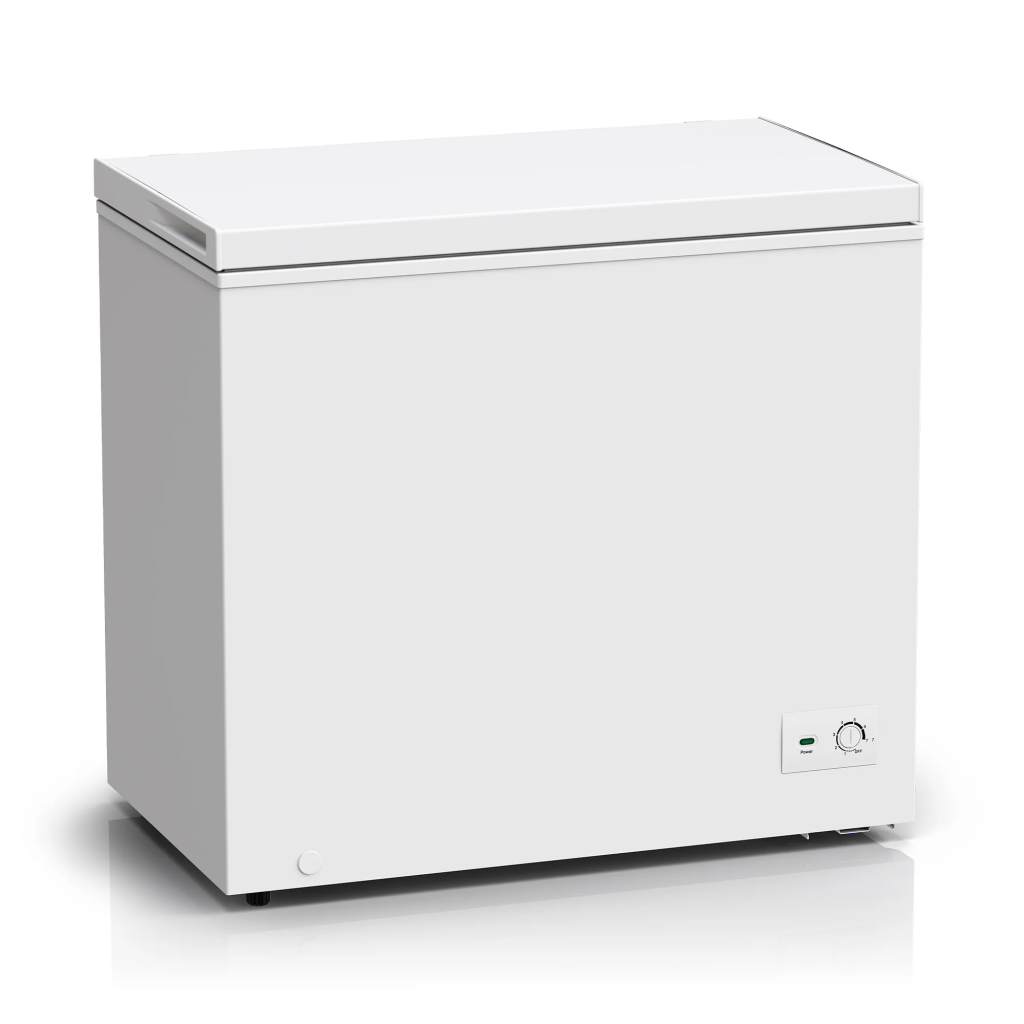
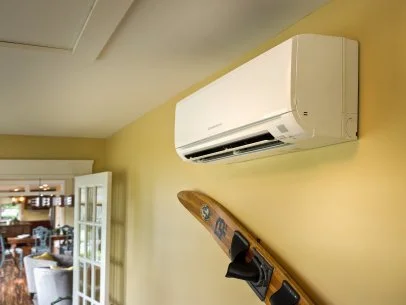
Typical examples are wall-mounted room air conditioners and refrigerators weighing more than 18 kg.
Similar Posts

  • |

    Clause 3 – How to understand the definition of “room temperature”

    room temperature: ambient temperature specified in the general conditions for the tests.Note 1 to entry: The ambient temperature is specified in 5.7. This item comes from standard IEC 60335-1:2020 edition 6.0. In commented version (CMV) of the official standard IEC 60335-1:2020 edition 6.0 allows the user to identify the changes made to the previous edition…

  • Clause 3 – How to understand the definition of “thermal link”

    thermal link: thermal cut-out which operates only once and requires partial or complete replacement It is a temperature sensing device, but it can only be operated once, when the temperature is higher than its set value, it will disconnect, and after disconnection, the current can not pass through, so as to play the role of…

  • Clause 3 – How to understand the definition of “user maintenance”

    user maintenance: any maintenance operation stated in the instructions for use, or marked on the appliance, that the user is intended to perform. Allowed user-executed operations, the operation guideline was given in user manual, and it could be showed in enclosure of appliance. Since it is a allowed user-executed operation, then additional protective method should…

  • 第3項 – 「定格電力入力範囲」の定義の見方

    定格電力入力範囲: メーカーによってアプライアンスに割り当てられた電力入力範囲。下限値と上限値で表されます。 この定義は定格電圧範囲に対応しています。つまり、定格電力入力には上限と下限の範囲がラベル付けされています。例:定格電圧範囲AC220~240V、定格入力電力範囲2000~2200Wの石英管ルームヒーター

  • Clause 3 – How to Understand the Definition of “Intentionally Weak Part”

    intentionally weak part: A part intended to rupture under abnormal operating conditions to prevent the occurrence of a condition that could impair compliance with this standard.NOTE: Such a part may be a replaceable component, such as a resistor or capacitor, or a part of a component to be replaced, such as an inaccessible thermal link

  • 第 3 項 – 「クラス 0 アプライアンス」の定義の理解方法

    クラス 0 機器: 感電に対する保護が基礎絶縁のみに依存しており、導電性のアクセス可能な部品があったとしても、設備の固定配線内の保護導体に接続するための手段がなく、万一の場合に信頼できる機器。環境に設置された基礎断熱材の欠陥。注記 クラス 0 機器には、基礎絶縁の一部または全体を形成する絶縁材料のエンクロージャ、または適切な絶縁によって充電部から分離された金属エンクロージャのいずれかが備えられています。絶縁材の筐体を備えた機器に内部部品を接地するための設備がある場合、それはクラス I 機器またはクラス 0I 機器とみなされます。 この種の機器には保護接地装置がなく、同時に充電部を絶縁層で 1 層だけ包むか、絶縁層を使用して使用者を充電部から隔離します。ほとんどの国ではクラス 0 のアプライアンスを受け入れません。クラス 0 機器を受け入れられるのは、主電源電圧 (定格電圧) が日本などの 100 V と米国やメキシコなどの 120 V の一部の国だけです。ここで、同じ入力電力を達成するためには(たとえば、定格入力電力が 3000W のルームヒーター)、定格電圧が低いほど、対応する動作電流が大きくなることに言及する必要があります。逆に、定格電圧が高いと、それに対応する入力電流は小さくなります。大電流の場合、製品内の通電部品の発熱がより深刻になり、火災の可能性も高まるため、防火要件がより厳しくなります。低電流高電圧の場合、通電部の発熱はそれほど深刻ではありませんが、高電圧のため絶縁破壊の可能性が高くなり、感電防止の要件がより厳しくなります。 IEC 60335 シリーズの規格には、感電に対する保護に関して非常に高い要件が定められているのはこのためです。 IEC 60335 規格の主な作成者は、定格電圧 220 ~ 240V の国の専門家です。一方、米国の UL シリーズ規格には防火に関するさらに厳しい要件があります。通常、全ての充電部を基礎絶縁のみで保護するような機器は存在しません。感電に対する保護測定のほとんどは、二重絶縁または強化絶縁の要件を満たすことができるのが一般的です。もちろん基礎絶縁+接地保護構造もございます。一般的な状況は、電源コードのワイヤ シースが 1 層だけであり、デバイスの保護レベルは電源コードの基本絶縁、つまり最低の保護レベルのクラス 0 によって決まります。 次の 2 つの図は、クラス 0 アプライアンスの電源コードの情報を示しています。 1 つは回路図を示し、もう 1 つはプラグ付きの電源コードを示します。 次の図は、クラス…