Clause 3 – How to understand the definition of “fixed appliance”

fixed appliance: appliance that is intended to be used while fastened to a support or while secured in a specific location.

The definition emphasizes fastening to a bracket or fixing in a specific position. Generally, we think that this kind of fixation requires some installation actions and some fixing devices, these devices can be fixed on the wall, installed on the ceiling, or embedded in a reserved space. Because the status before and after fixing is different, the corresponding safety requirements are also different. At the same time, for some special fixed appliances, some part 2 standards have added corresponding requirements.
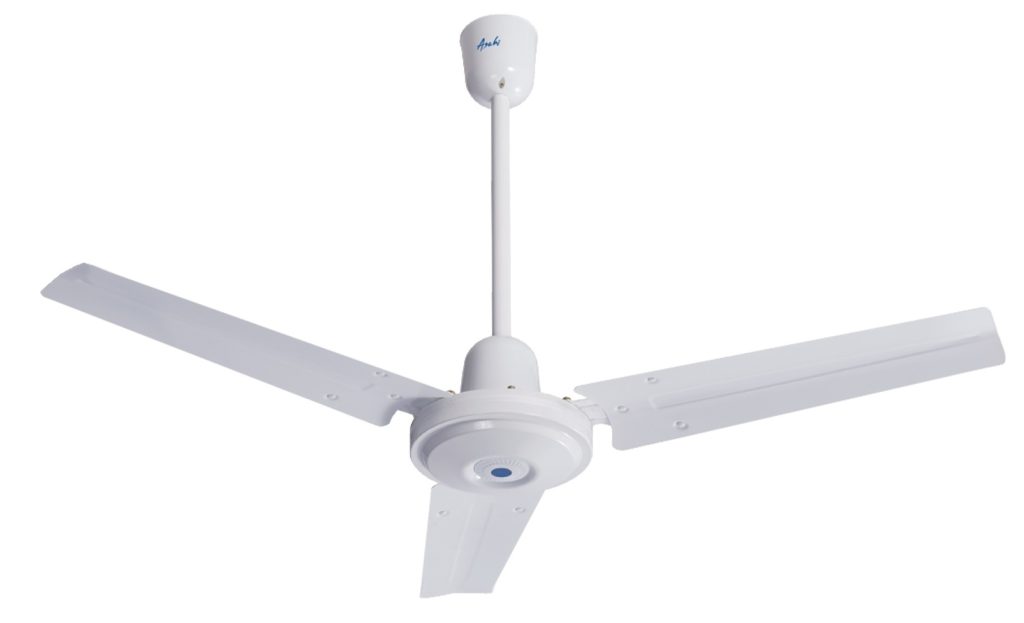
For ceiling fans, after being fixed, the standard has a load test requirement of 4 times its own weight for its suspension fixing system. For household wall-mounted room air conditioners, before installation, the indoor unit is not attached to the wall, but after installation, this surface is in contact with the wall, and the wall plays the role of covering the appliance, thereby protecting the moving parts or live parts inside the appliance.
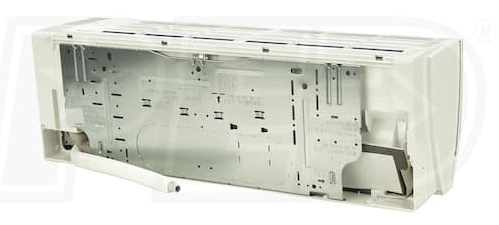
back view for split-type wall-mount air conditioner

Similar Posts

  • Clause 3 – How to understand the definition of “PTC heating element”

    PTC heating element: element intended for heating consisting mainly of positive temperature coefficient resistors that are thermally sensitive and have a rapid non-linear increase in resistance when the temperature is raised through a particular range. As the temperature increases, the resistance of the heating element of the PTC heating element increases. The relationship between temperature…

  • 第3項 – 「定格電力入力範囲」の定義の見方

    定格電力入力範囲: メーカーによってアプライアンスに割り当てられた電力入力範囲。下限値と上限値で表されます。 この定義は定格電圧範囲に対応しています。つまり、定格電力入力には上限と下限の範囲がラベル付けされています。例:定格電圧範囲AC220~240V、定格入力電力範囲2000~2200Wの石英管ルームヒーター

  • 第3項「機能絶縁」の定義の見方

    機能的絶縁: 電位の異なる導電性部分間の絶縁であり、機器が適切に機能するためにのみ必要です。 下の図は典型的な機能絶縁の図です。PCB の銅レール層の図に示されているように、ラベルの茶色の部分は電源活線 (電流ヒューズ間に接続されている 2 つの茶色の位置)、青色の部分です。接続は電力線の中性線であり、活線であり、中性線には 2 つの線の間に電圧差があるため、選択した銅線レールの青色の部分と選択した銅線レールの茶色の部分の間の最短距離になります。レール、つまり機能絶縁体です。実際、通常の動作では、下の写真の回路基板、銅レール上の電圧は多くの場所で同じではないため、機能絶縁の形成により、読者は動作電圧によって独自の回路分析を行うことができます。各部分。 AC 非同期モーターの一般的な巻線接続図は次の図のようになります。図のコンデンサが動作しているとき、コンデンサの両端の電圧は通常、製品の定格電圧よりも高くなります。たとえば、定格電圧が 220V の場合、動作中にマルチメータで測定されるコンデンサの両端の電圧は通常 300V を超えます。このとき、コンデンサの両端間の機能絶縁を評価する場合、300V以上の使用電圧を基準に評価する必要がありますが、実際にはコンデンサ自体の機能絶縁は一般的には可能ではありません。コンデンサの端子がコンデンサのケース内に封入されているため測定されます。測定できる箇所はコンデンサの2本のリード線の端子台です。 下図に示すように、端子台には左側に活線が接続され、右側に中性線が接続されています。赤い線の位置は機能絶縁体の沿面距離です(クリアランスもここで決定できます)。 下の図に示されているキャリパーの測定値は、PCB 上のアダプターの入力のライブ銅線と中性銅線の間の機能絶縁を表しています。 As shown in the figure below, the terminal block has the live wire connected on the left and the neutral wire connected on the right. The position of the red line is the creepage distance of the…

  • 第 3 条 – 用語と定義: 一般的な解釈

    IEC 60335-1 規格に詳しくないエンジニアにトレーニングを施すとしたら、2 つの方法があると思います。 1 つ目は、文節番号の順序に従って例を挙げて説明する方法です。これは私がよく使用する方法です。 2つ目は、第3条項の各定義に基づいて説明することです。最初にエンジニアが特定の用語の定義を理解できるようにし、次に例を示し、次にこの定義または用語に関する規格のすべての要件の説明を行います。2 番目の方法は、一部の上級エンジニアをトレーニングする場合により有利です。したがって、すべての定義を明確に説明できるよう最善を尽くしたいと思います。ここで私が伝えたいのは、定義は非常に重要であり、規格が異なれば同じ用語の定義も異なる場合があり、混乱を避けるために読者は注意深く把握する必要があるということです。

  • Clause 3 – How to understand the definition of “accessible part”

    accessible part: part or surface that can be touched by means of test probe B of IEC 61032, and if the part or surface is metal, any conductive part connected to it.NOTE Accessible non-metallic parts with conductive coatings are considered to be accessible metal parts. There are some parts or surfaces in the appliance that…

  • 第3項 「タイプZアタッチメント」の定義の見方

    タイプ Z アタッチメント: 製造元、そのサービス代理店、または同様の資格を持つ担当者が交換を行うための電源コードの取り付け方法。 一部の製品の電源コードは製品と一体成型されており、一般的な工具では取り外すことができません。または、一部の電化製品の電源コードは、接続後に熱硬化性材料によって電化製品にキャストされます。これらの同様の構造では、電源コードの交換作業を完了するには、電源コードに接続されている材料を破壊する必要があります。例:図のように水中ポンプのシェルに電源コードをエポキシ樹脂で流し込んでいます。電源コードを交換する場合は、注型エポキシ樹脂を破壊する必要があります。 ウォーターポンプ内部図