Clause 3 – How to understand the definition of “stationary appliance”

stationary appliance: fixed appliance or an appliance which is not a portable appliance.

Stationary appliance includes fixed appliance and not a portable appliance. The characteristic of a stationary appliance is that once it is put into use, it will be placed in a fixed position. At the same time, the position of the appliances will generally not be changed during normal use.
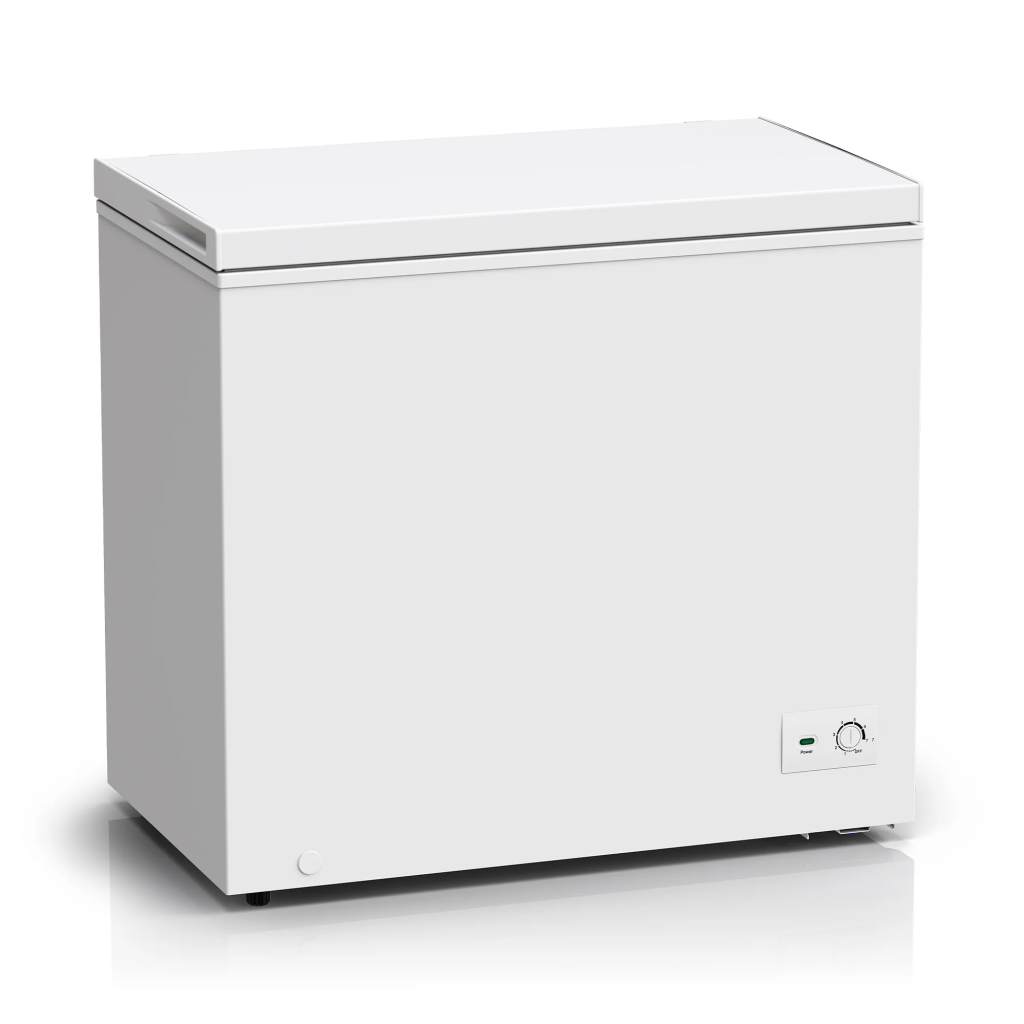
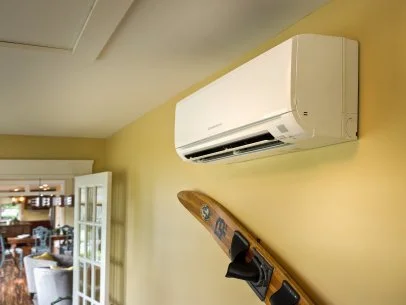
Typical examples are wall-mounted room air conditioners and refrigerators weighing more than 18 kg.
Similar Posts

  • ข้อ 3 – จะเข้าใจคำจำกัดความของ “การกวาดล้าง” ได้อย่างไร

    พื้นผิวที่เข้าถึงได้การกวาดล้างเป็นแนวคิดที่สำคัญมาก เพื่อให้เข้าใจถึงการกวาดล้าง เราต้องพูดอีกครั้งว่าไม่มีสารใดเป็นฉนวนโดยสมบูรณ์ และอากาศก็สามารถนำไฟฟ้าได้เช่นกัน เมื่อแรงดันไฟฟ้าสูงมาก กระแสไฟฟ้าจะถูกนำผ่านอากาศ ฟ้าผ่าระหว่างเกิดพายุฝนฟ้าคะนองเป็นตัวอย่างทั่วไปของฟ้าผ่าที่ผ่านอากาศ แรงดันไฟฟ้าของฟ้าผ่าสูงมาก จึงสามารถทะลุผ่านอากาศส่วนที่ยาวมากได้ ทำให้อากาศส่วนนี้เป็นสื่อกระแสไฟฟ้า ในเครื่องใช้ไฟฟ้าในครัวเรือนถึงแม้แรงดันไฟฟ้าจะต่ำมาก แต่ก็มีอากาศอยู่ในผลิตภัณฑ์เป็นจำนวนมาก และกระแสไฟจะถูกนำผ่านอากาศด้วย เมื่อแรงดันไฟฟ้าเพิ่มขึ้น ระยะทางที่แรงดันไฟฟ้าอาจทะลุผ่านอากาศก็จะนานขึ้นเช่นกัน สิ่งนี้ทำให้เกิดแนวคิดเรื่องการกวาดล้าง สำหรับคำอธิบายโดยละเอียดเกี่ยวกับการกวาดล้าง โปรดดู IEC 60664-1 (การประสานงานของฉนวนสำหรับอุปกรณ์ภายในระบบไฟฟ้าแรงต่ำ – ส่วนที่ 1: หลักการ ข้อกำหนด และการทดสอบ)ฉันคิดว่ารูปภาพต่อไปนี้สามารถอธิบายเส้นทางการกวาดล้างทางไฟฟ้าได้ดี ช่องว่างอาจเกิดขึ้นระหว่างอิเล็กโทรดสองตัวที่มีแรงดันไฟฟ้าต่างกัน หรือระหว่างชิ้นส่วนที่มีไฟฟ้ากับมือของผู้ใช้ผลิตภัณฑ์ไฟฟ้า คุณเพียงแค่ต้องจินตนาการว่าอิเล็กโทรดทั้งสองในภาพด้านบนเป็นวัตถุอื่น เมื่อเราอธิบายฉนวนพื้นฐานและฉนวนตามการใช้งาน เราได้ให้ภาพถ่ายจริงบางส่วนเพื่ออธิบายตัวอย่างการกวาดล้างและการเคลื่อนตัว รูปที่ 11 – ตัวอย่างระยะห่างในมาตรฐาน IEC 60335-1 เป็นตัวอย่างง่ายๆ จากตัวเลขนี้ เราสามารถคิดถึงคุณลักษณะพื้นฐานของอุปกรณ์คลาส II โครงสร้างคลาส II อุปกรณ์คลาส I และการสร้างคลาส I คีย์ 1 ชิ้นส่วนโลหะที่ขุดขึ้นมาและเข้าถึงได้2 กล่องหุ้ม3 ชิ้นส่วนโลหะที่ต่อลงดินที่เข้าถึงได้4 ชิ้นส่วนโลหะที่ขุดขึ้นมาซึ่งเข้าถึงไม่ได้ส่วนที่มีไฟฟ้า L1…

  • |

    Clause 3 – How to understand the definition of “room temperature”

    room temperature: ambient temperature specified in the general conditions for the tests.Note 1 to entry: The ambient temperature is specified in 5.7. This item comes from standard IEC 60335-1:2020 edition 6.0. In commented version (CMV) of the official standard IEC 60335-1:2020 edition 6.0 allows the user to identify the changes made to the previous edition…

  • Clause 3 – How to understand the definition of “non-self-resetting thermal cut-out”

    non-self-resetting-thermal cut-out: thermal cut-out that requires a manual operation for resetting, or replacement of a part, in order to restore the current.NOTE Manual operation includes disconnection of the appliance from the supply mains. The thermal cut-out is equipped with a temperature-sensitive component, typically a bimetallic strip or a thermistor, which reacts to heat. As the…

  • Clause 3 – How to understand the definition of “thermal link”

    thermal link: thermal cut-out which operates only once and requires partial or complete replacement It is a temperature sensing device, but it can only be operated once, when the temperature is higher than its set value, it will disconnect, and after disconnection, the current can not pass through, so as to play the role of…

  • Clause 3 – How to understand the definition of “accessible part”

    accessible part: part or surface that can be touched by means of test probe B of IEC 61032, and if the part or surface is metal, any conductive part connected to it.NOTE Accessible non-metallic parts with conductive coatings are considered to be accessible metal parts. There are some parts or surfaces in the appliance that…

  • ข้อ 3 – วิธีทำความเข้าใจคำจำกัดความของ “แรงดันอิมพัลส์ที่กำหนด”

    : แรงดันไฟฟ้าที่ได้มาจากแรงดันไฟฟ้าที่กำหนดและประเภทแรงดันไฟฟ้าเกินของเครื่องใช้ไฟฟ้า ซึ่งแสดงคุณลักษณะความต้านทานที่ระบุของฉนวนต่อแรงดันไฟฟ้าเกินชั่วคราวสำหรับผู้เริ่มต้น ไม่จำเป็นต้องเข้าใจความหมายทางกายภาพของคำจำกัดความนี้จริงๆ การใช้งานหลักของค่าแรงดันไฟฟ้าในมาตรฐานคือการกำหนดค่าขีดจำกัดของระยะห่าง อ้างอิงถึงตารางที่ 15 สามารถกำหนดค่าแรงดันไฟฟ้าอิมพัลส์ที่กำหนดได้โดยตรง ประโยคบนสุดของตารางที่ 15 ระบุว่า “เครื่องใช้ไฟฟ้าอยู่ในหมวดแรงดันไฟฟ้าเกิน II” หากแรงดันไฟฟ้าที่กำหนดของผลิตภัณฑ์คือ AC220-240V ซึ่งสอดคล้องกับแถวสุดท้ายของค่าในคอลัมน์แรกของตารางที่ 15 แรงดันไฟฟ้าพัลส์ที่กำหนดจะถูกกำหนดไว้ที่ 2500Vฉันต้องบอกว่าหมวดแรงดันไฟฟ้าเกิน (OVC) มาจากมาตรฐาน IEC 60664-1 ตารางด้านล่างให้คำจำกัดความแก่เรา ในทางกลับกัน มีภาพวาดอธิบายหมวดหมู่แรงดันไฟฟ้าเกิน (OVC) On the other hand, there is a drawing to explain overvoltage category(OVC).