第 3 項 – 「供給コード」の定義の理解方法

供給コード: アプライアンスに固定されている、供給目的のフレキシブル コード

一般的に言えば、ほとんどの国には、電源コードに対する独自の必須の安全性および性能試験基準があります。ここでの電源コードは、3.2.1 項の電源リード線に関連して認定された電源コードです。ほとんどの国では、プラグが耐えられる最大電流は 16A です。電流がこの値を超える場合、プラグは使用されず、電源コードが固定配線に直接接続されます。ここでの電源コードとは、プラグのないコードの部分を指します。

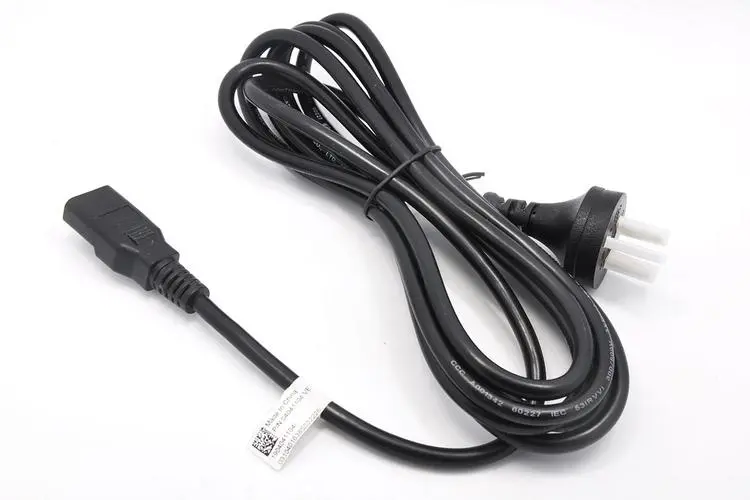
下の写真は電源コードではなく、コードセットを示しています。


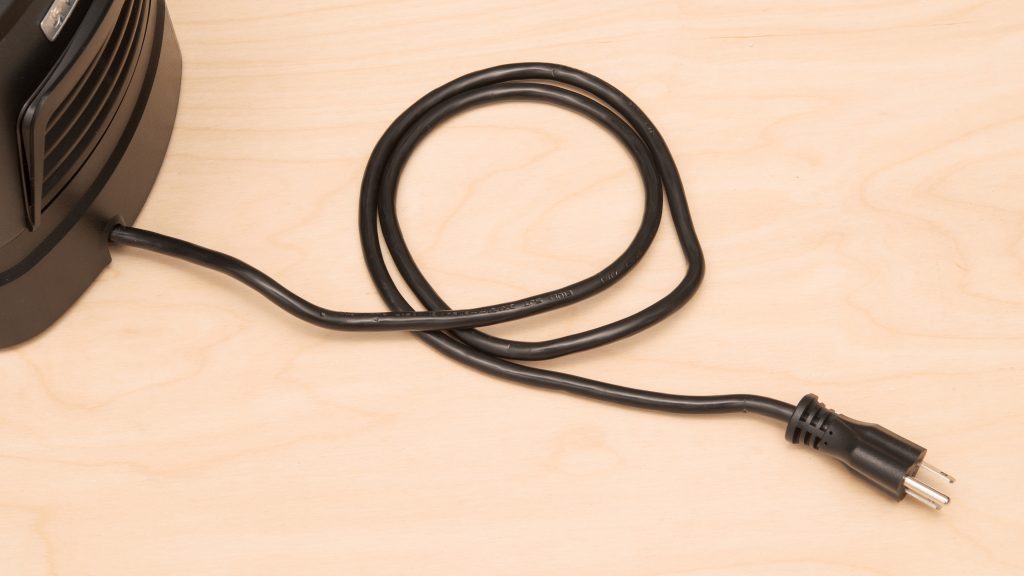
下の写真はプラグ付き電源コードです


Similar Posts

  • 第3項 「特別低圧」の定義の見方

    特別低電圧:機器内の電源から供給される電圧であって、機器が定格電圧で供給されている場合に、導体間および導体とアース間が50Vを超えない電圧 EU 低電圧指令の定義によれば、低電圧の範囲は AC で 50 ~ 1000V、DC で 75 ~ 1500V です。ちなみに、ほとんどの国ではこの電圧値に応じて高電圧と低電圧を分けています。したがって、範囲の上限を超える電圧は高電圧となり、範囲の下限を下回る電圧は超低電圧となります。この規格における定義では、DC と AC は区別されません。ここで注意していただきたいのは、電圧名は電圧値に応じて定義されているだけであり、低電圧回路の特定の部分を定義するものではありません。電圧は相対的なものであるため、電圧を測定する場合、電圧は両端間で測定する必要があります。つまり、電圧には基準点が必要であるため、規格ではワイヤ間およびワイヤとアース間の電圧について言及しています。 一般家庭用アルカリ電池の出力電圧、一般家庭用電化製品の制御基板上の変圧器以降の低圧回路やRC降圧回路の動作電圧など、いずれも特別低電圧と定義できるもの. 下図のようにR1とC1で降圧機能が完成しますので、R1とC1以降の回路は特別低圧回路と定義できます。

  • |

    If the PCB is sealed with solid sealant, how to determine the creepage distance and clearance?

    functional insulation as well as other insulation exists on circuit boards. Typically, the surface environment of a circuit board is determined to be either Pollution degree 3 or pollution degree 2.If the circuit board is mounted in an electrical box and sealed with a solid sealant, the sealing will look as follows: What should be…

  • Clause 3 – How to Understand the Definition of “off position”

    off position: stable position of a switching device in which the circuit controlled by the switch is disconnected from its supply or, for electronic disconnection, the circuit is de-energized.NOTE The off position does not imply an all-pole disconnection. With reference to the content in the NOTE, both all-pole disconnection and single-pole disconnection are a stable…

  • How are the creepage distances and electrical clearances of PTC heating element surfaces determined?

    We are discussing here the second structure of the PTC heating element, PTC heating element structure please refer to the explanation of its definition. How is the creepage distance of the functional insulation at the location of the red circle in Figure 1 determined? We all know that NOTE 1 of TABLE 18 section has…

  • 第3項「機能絶縁」の定義の見方

    機能的絶縁: 電位の異なる導電性部分間の絶縁であり、機器が適切に機能するためにのみ必要です。 下の図は典型的な機能絶縁の図です。PCB の銅レール層の図に示されているように、ラベルの茶色の部分は電源活線 (電流ヒューズ間に接続されている 2 つの茶色の位置)、青色の部分です。接続は電力線の中性線であり、活線であり、中性線には 2 つの線の間に電圧差があるため、選択した銅線レールの青色の部分と選択した銅線レールの茶色の部分の間の最短距離になります。レール、つまり機能絶縁体です。実際、通常の動作では、下の写真の回路基板、銅レール上の電圧は多くの場所で同じではないため、機能絶縁の形成により、読者は動作電圧によって独自の回路分析を行うことができます。各部分。 AC 非同期モーターの一般的な巻線接続図は次の図のようになります。図のコンデンサが動作しているとき、コンデンサの両端の電圧は通常、製品の定格電圧よりも高くなります。たとえば、定格電圧が 220V の場合、動作中にマルチメータで測定されるコンデンサの両端の電圧は通常 300V を超えます。このとき、コンデンサの両端間の機能絶縁を評価する場合、300V以上の使用電圧を基準に評価する必要がありますが、実際にはコンデンサ自体の機能絶縁は一般的には可能ではありません。コンデンサの端子がコンデンサのケース内に封入されているため測定されます。測定できる箇所はコンデンサの2本のリード線の端子台です。 下図に示すように、端子台には左側に活線が接続され、右側に中性線が接続されています。赤い線の位置は機能絶縁体の沿面距離です(クリアランスもここで決定できます)。 下の図に示されているキャリパーの測定値は、PCB 上のアダプターの入力のライブ銅線と中性銅線の間の機能絶縁を表しています。 As shown in the figure below, the terminal block has the live wire connected on the left and the neutral wire connected on the right. The position of the red line is the creepage distance of the…

  • Clause 3 – How to understand the definition of “battery-operated appliance”

    (IEC 60335-1 Ed. 5.1) battery-operated appliance: appliance deriving its energy from batteries enabling the appliance to perform its intended function without a mains connection.(IEC 60335-1 Ed. 6)battery-operated appliance: appliance deriving its energy from batteries enabling the appliance to perform its intended function without a supply connectionNote 1 to entry: A battery-operated appliance can have a…