Clause 3 – How to understand the definition of “portable appliance”

portable appliance: appliance that is intended to be moved while in operation or an appliance, other than a fixed appliance, having a mass less than 18 kg.

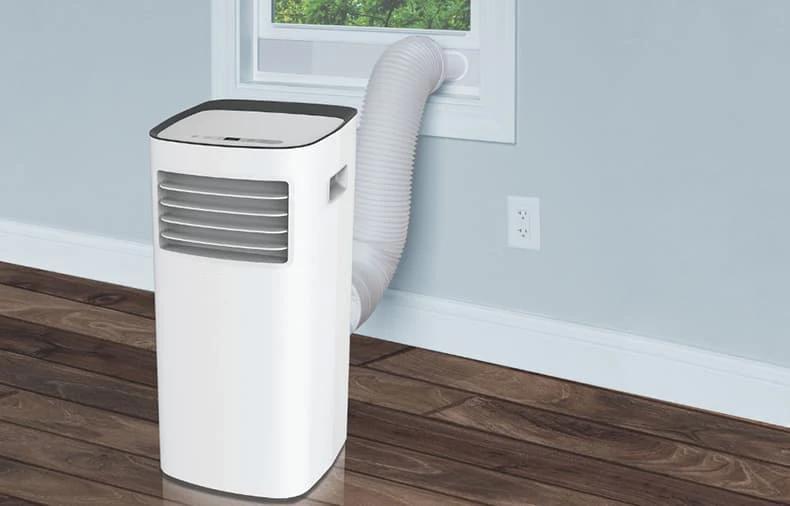
This item is relatively easy to understand. Products that are less than 18kg are relatively light, so they are easy to move during operation, including humidifiers, fans, air purifiers, etc. At the same time, hair dryers and vacuum cleaners are also portable appliances. The controversial point here is whether some products that are larger than 18kg and have wheels or similar devices at the bottom of the product to facilitate the movement of the appliance are also portable appliances? The key here lies in how to understand and define word “operation”. For example, a mobile air conditioner with wheels (weighing more than 18kg), is it a portable appliance? There are two ways to use it. The first is when it is running in cooling mode, we will set its working status (such as setting the temperature), and the second is to move it to change the direction of its air outlet; which one is the operation? Or do we think that both methods of use are operations? Some people believe that the main function of the wheels is to carry it, so that it is convenient to carry it between different places of use; general appliances will not move during operation, and carrying is not an operation. The meaning of portable is more inclined to the product being easy to carry, so is this mobile air conditioner easy to carry? One way to resolve this dispute is to check the requirements for portable appliances in the standard and reverse deduce the product features corresponding to the definition through the requirements. However, after my inspection, I really can’t find a strong requirement to reverse deduce what kind of appliance a portable appliance is. The leakage current requirement for portable class I appliances is higher than that for stationary appliances. Can we raise the requirements of the standard a little bit and operate according to portable appliances?
Similar Posts

  • Clause 3 – How to understand the definition of “electronic component”

    electronic component: part in which conduction is achieved principally by electrons moving through a vacuum, gas or semiconductor.NOTE Neon indicators are not considered to be electronic components. Early vacuum tubes were components that allowed electrons to conduct in a vacuum and were the core components of old radios and televisions.Electrons move through specific gases, colliding…

  • ข้อ 3 – วิธีทำความเข้าใจคำจำกัดความของ “อุปกรณ์คลาส 0”

    เครื่องใช้ไฟฟ้าชนิดนี้ไม่มีอุปกรณ์ป้องกันสายดิน และในขณะเดียวกัน ฉนวนเพียงชั้นเดียวเท่านั้นที่พันชิ้นส่วนที่มีไฟฟ้า หรือใช้ฉนวนชั้นหนึ่งเพื่อแยกผู้ใช้ออกจากชิ้นส่วนที่มีไฟฟ้า ประเทศส่วนใหญ่ไม่ยอมรับเครื่องใช้ไฟฟ้า Class 0 เฉพาะบางประเทศที่มีแรงดันไฟฟ้าหลัก (แรงดันไฟฟ้า) 100V เช่น ญี่ปุ่น และ 120V เช่น สหรัฐอเมริกาและเม็กซิโก เท่านั้นที่ยอมรับเครื่องใช้ไฟฟ้า Class 0 จำเป็นต้องกล่าวถึงที่นี่ว่าเพื่อให้ได้พลังงานอินพุตเท่ากัน (เช่น เครื่องทำความร้อนในห้องที่มีกำลังไฟเข้าพิกัด 3000W) ยิ่งแรงดันไฟฟ้าที่กำหนดต่ำลง กระแสไฟทำงานที่สอดคล้องกันก็จะยิ่งมากขึ้นเท่านั้น ในทางตรงกันข้าม ถ้าแรงดันไฟฟ้าที่กำหนดสูง กระแสอินพุตที่สอดคล้องกันจะต่ำ ในกรณีที่มีกระแสไฟสูง การให้ความร้อนกับชิ้นส่วนที่นำกระแสไฟฟ้าในผลิตภัณฑ์จะรุนแรงมากขึ้น และความเป็นไปได้ที่จะเกิดเพลิงไหม้ก็จะมากขึ้น ดังนั้นข้อกำหนดในการป้องกันอัคคีภัยจึงเข้มงวดมากขึ้น ในกรณีของกระแสไฟฟ้าแรงต่ำและไฟฟ้าแรงสูง การให้ความร้อนของชิ้นส่วนที่นำกระแสไฟฟ้าไม่ร้ายแรง แต่เนื่องจากไฟฟ้าแรงสูง ความเป็นไปได้ที่ฉนวนจะแตกจะมีมากขึ้น และข้อกำหนดการป้องกันไฟฟ้าช็อตที่สอดคล้องกันจึงเข้มงวดมากขึ้น นี่คือสาเหตุที่มาตรฐานซีรีส์ IEC 60335 จึงมีข้อกำหนดสูงในการป้องกันไฟฟ้าช็อต ผู้เขียนหลักของมาตรฐาน IEC 60335 เป็นผู้เชี่ยวชาญจากประเทศที่มีแรงดันไฟฟ้า 220-240V ในขณะที่ชุดมาตรฐาน UL ของสหรัฐอเมริกามีข้อกำหนดที่เข้มงวดยิ่งขึ้นในการป้องกันอัคคีภัย โดยปกติไม่มีอุปกรณ์ดังกล่าวที่ชิ้นส่วนที่มีไฟฟ้าทั้งหมดได้รับการปกป้องด้วยฉนวนพื้นฐานเท่านั้น เป็นเรื่องปกติที่การวัดการป้องกันไฟฟ้าช็อตส่วนใหญ่ยังคงสามารถตอบสนองข้อกำหนดของฉนวนสองชั้นหรือฉนวนเสริมได้ แน่นอนว่ายังมีฉนวนพื้นฐานพร้อมโครงสร้างป้องกันสายดินด้วย สถานการณ์ทั่วไปคือมีปลอกสายไฟเพียงชั้นเดียวบนสายไฟ และระดับการป้องกันของอุปกรณ์ถูกกำหนดโดยฉนวนพื้นฐานของสายไฟ นั่นคือ…

  • How are the creepage distances and electrical clearances of PTC heating element surfaces determined?

    We are discussing here the second structure of the PTC heating element, PTC heating element structure please refer to the explanation of its definition. How is the creepage distance of the functional insulation at the location of the red circle in Figure 1 determined? We all know that NOTE 1 of TABLE 18 section has…

  • Clause 3 – How to understand the definition of “fixed appliance”

    fixed appliance: appliance that is intended to be used while fastened to a support or while secured in a specific location. The definition emphasizes fastening to a bracket or fixing in a specific position. Generally, we think that this kind of fixation requires some installation actions and some fixing devices, these devices can be fixed…

  • Clause 3 – How to understand the definition of “non-self-resetting thermal cut-out”

    non-self-resetting-thermal cut-out: thermal cut-out that requires a manual operation for resetting, or replacement of a part, in order to restore the current.NOTE Manual operation includes disconnection of the appliance from the supply mains. The thermal cut-out is equipped with a temperature-sensitive component, typically a bimetallic strip or a thermistor, which reacts to heat. As the…

  • Clause 3 – How to understand the definition of “self-resetting thermal cut-out”

    self-resetting thermal cut-out: thermal cut-out that automatically restores the current after the relevant part of the appliance has cooled down sufficiently In the definition there is a clear mention, when the temperature is cooled to a certain degree, in fact, its intention is to control the temperature is not too high, when the temperature is…