Clause 3 – How to understand the definition of “portable appliance”

portable appliance: appliance that is intended to be moved while in operation or an appliance, other than a fixed appliance, having a mass less than 18 kg.

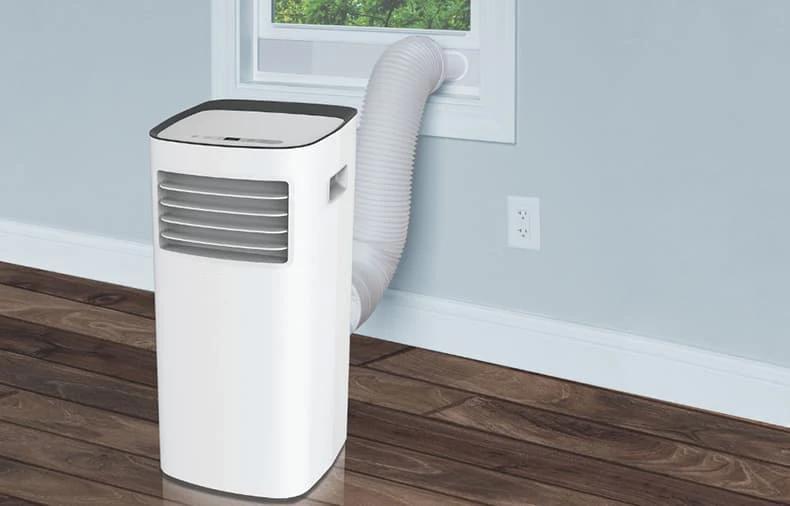
This item is relatively easy to understand. Products that are less than 18kg are relatively light, so they are easy to move during operation, including humidifiers, fans, air purifiers, etc. At the same time, hair dryers and vacuum cleaners are also portable appliances. The controversial point here is whether some products that are larger than 18kg and have wheels or similar devices at the bottom of the product to facilitate the movement of the appliance are also portable appliances? The key here lies in how to understand and define word “operation”. For example, a mobile air conditioner with wheels (weighing more than 18kg), is it a portable appliance? There are two ways to use it. The first is when it is running in cooling mode, we will set its working status (such as setting the temperature), and the second is to move it to change the direction of its air outlet; which one is the operation? Or do we think that both methods of use are operations? Some people believe that the main function of the wheels is to carry it, so that it is convenient to carry it between different places of use; general appliances will not move during operation, and carrying is not an operation. The meaning of portable is more inclined to the product being easy to carry, so is this mobile air conditioner easy to carry? One way to resolve this dispute is to check the requirements for portable appliances in the standard and reverse deduce the product features corresponding to the definition through the requirements. However, after my inspection, I really can’t find a strong requirement to reverse deduce what kind of appliance a portable appliance is. The leakage current requirement for portable class I appliances is higher than that for stationary appliances. Can we raise the requirements of the standard a little bit and operate according to portable appliances?
Similar Posts

  • 第3項「定格入力」の定義の見方

    定格入力電力:メーカーによってアプライアンスに割り当てられた電源入力記入への注記 1: 機器に電源入力が割り当てられていない場合、加熱機器および複合機器の定格入力電力は、機器が定格電圧で供給され、通常の動作で動作したときに測定された電源入力です。 一般に、メーカーは、最大電力入力の条件下で定格電圧で動作する製品によって生成される入力電力に基づいて定格電力入力を決定する場合があります。これは、10 項の電源入力テストでは、製品が定格電圧で動作する必要があるためです。一部の製品には特殊なケースがある場合があり、これについては後続の章で説明します。 経験豊富な開発チームの場合、製品設計の初期段階で定格入力が決定され、開発者は設計プログラムに従って製品を設計します。また、開発者が設計スキームを持っておらず、製品試作後に定格入力を暫定的に確認するケースもあります。ルームヒーター(石英管ヒーター)などの製品の定格電圧はAC220Vですが、通常はAC220V電源で製品を使用することができ、ヒーターの動作状態は最高レベルの熱に設定されます(首振りやその他の機能がある場合)をオンにする必要もあります)。これは、実際の入力電力、丸め値を定格電力入力として記録します。したがって、第 10 項の電源入力試験を実行する場合、試験値と定格値が規格で指定された偏差範囲を超えた場合、第 10 項の要件を満たすように定格入力電力を変更することができます。 ほとんどの場合、アプライアンスには定格電力入力が与えられます。製品には定格入力電流のみが与えられる場合もありますが、実際のテストでは、規格により製品の動作状態を定格入力電力に基づいて判断することが求められています。このメモの情報に従って入力電力情報を決定することができます。これはまれな状況です。製品のテスト条件が定格入力電力に基づく場合、通常、製品には定格入力電力のラベルが付けられます。製品のメーカーが入力電力定格を指定していない場合でも、サードパーティの試験機関は通常、製品をテストするときに入力電力定格情報を要求します。これは、定格電圧 AC220V、定格電流入力 10A と表示され、定格電力入力のない石英管ルーム ヒーターの仮想的な例です。第 11 項の耐熱試験を実施する場合、規格では定格入力電力の 1.15 倍で製品を動作させることが求められています。この状況では、この記事の注記の情報を使用して定格電力入力を決定できます。暖房器具には通常、定格入力が表示されています。

  • Clause 3 – How to understand the definition of “stationary appliance”

    stationary appliance: fixed appliance or an appliance which is not a portable appliance. Stationary appliance includes fixed appliance and not a portable appliance. The characteristic of a stationary appliance is that once it is put into use, it will be placed in a fixed position. At the same time, the position of the appliances will…

  • Clause 3 – How to understand the definition of “protective device”

    protective device: device, the operation of which prevents a hazardous situation under abnormal operation conditions The standard emphasizes “abnormal operation” here. Only devices that operate under “abnormal operation” conditions can be defined as protective devices. Therefore, there are many types of protective devices, including overheating protection devices, overcurrent protection devices, and overpressure protection devices. Overheating…

  • 第3項 「定格電圧範囲」の定義の見方

    定格電圧範囲:メーカーによって家電製品に割り当てられた電圧範囲。下限値と上限値で表されます。 この定義は、の定義を拡張したものです 定格電圧定格電圧 定格電圧、ただし、定格電圧が定義されていることはほとんどありません。 例えば、ヨーロッパの全EU加盟国市場を対象市場として設計された製品の場合、ほとんどのEU加盟国の商用電圧はAC 230Vですが、別途規定があればAC 240Vである国もあります定格電圧がAC230VまたはAC240Vの場合、本製品は国の定格電圧と異なる商用電圧では使用できません。このような状況を考慮し、AC220VとAC230V、AC240VをカバーするAC220~240Vの範囲で定格電圧を規定し、これら3つの商用電圧の国でも対応製品を使用できるようにしました。ここでは、AC220-240V または 220-240V~ がより一般的な形式です。 220 ~ 230V ~、380V ~ 415V ~、または 100 ~ 240V ~ (この状況のほとんどは、アダプターの定格入力電圧で電力供給されるアダプターの使用時に発生します) などもあります。製品の定格電圧は範囲が設定されているため、その電圧範囲における安全要件を規格に従って評価する必要があります。 For example, a product designed for the target market for the whole of Europe’s all EU member states market, most of the EU member states of the utility voltage is AC 230V,…

  • 第3項 「第3種建築物」の定義の見方

    クラスⅢ構造:感電に対する保護が安全特別低電圧に依存しており、安全特別低電圧以上の電圧が発生しない機器の一部注記 SELV での供給に加えて、基礎絶縁が必要な場合があります。 8.1.4を参照してください。注 2 機器の主要部分が SELV で動作し、取り外し可能な電源ユニットと一緒に納入される場合、機器のこの主要部分はクラス I 機器またはクラス II 機器のクラス III 構造とみなされます。 アプライアンスはプラグイン可能なアダプター (保護接地なし) によって電力を供給され、アダプターとアプライアンスは一緒にユーザーに配送されます。アダプターとアプライアンスは合わせてクラス II アプライアンスとして判断されます。アダプターはクラス II であるため、これによって感電に対する保護のクラスが決まります。ただし、機器 – ファンのみはクラス III 構造、つまりクラス II 機器内のクラス III 構造です。 もちろん、スイッチ電源 PCB が機器に組み込まれており、このスイッチ電源 PCB が SELV 回路を提供できるという別の状況もあります。そして、SELV回路部分はクラスII構造となっております。 Of course, there is another situation, that is, a switch power supply PCB is embedded in the appliance, and…

  • 第3項 「第二種工事」の定義の見方

    ここで重点を置くのは、二重絶縁または強化絶縁の要件を満たすことができる機器の構造の一部です。したがって、クラス I アプライアンスにはクラス II 構造も含まれます。例:下図のオーブンでは金属シェルとプラスチック製スイッチノブが使用されています。使用者がスイッチノブに触れると、ノブは絶縁体でできているため接地できません。感電に対する保護はノブ自体の絶縁にのみ依存します。スイッチ内部の充電部とスイッチノブ軸間は基礎絶縁となっており、スイッチノブは補助絶縁を形成します。したがって、スイッチノブの位置はクラスII構造となります。