Clause 3 – How to understand the definition of “stationary appliance”

stationary appliance: fixed appliance or an appliance which is not a portable appliance.

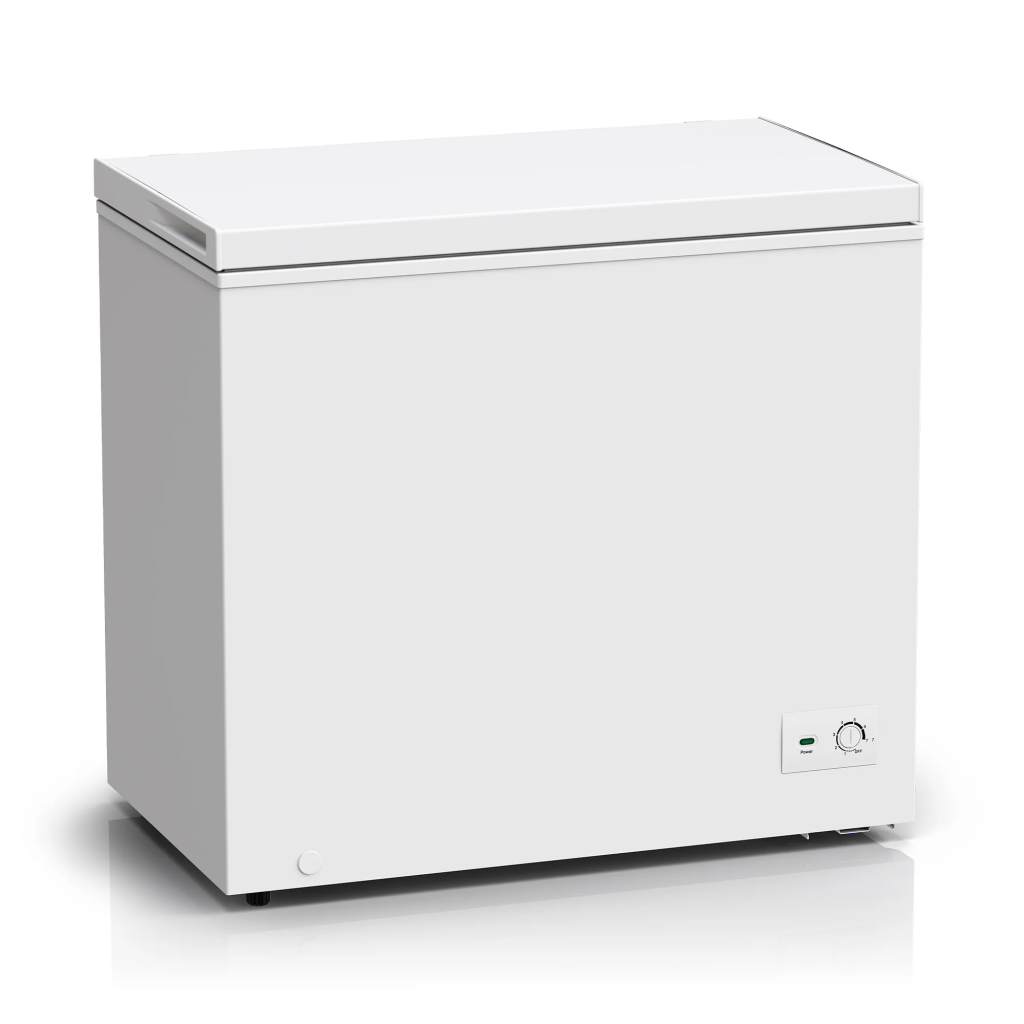
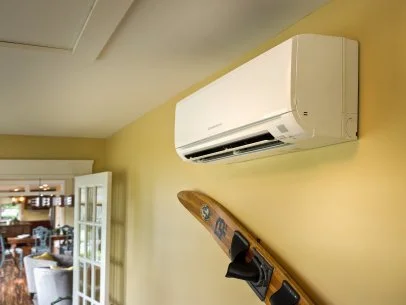
Stationary appliance includes fixed appliance and not a portable appliance. The characteristic of a stationary appliance is that once it is put into use, it will be placed in a fixed position. At the same time, the position of the appliances will generally not be changed during normal use.
Typical examples are wall-mounted room air conditioners and refrigerators weighing more than 18 kg.

Similar Posts

  • ข้อ 3 – จะเข้าใจคำจำกัดความของ “ฉนวนสองชั้น” ได้อย่างไร

    คำจำกัดความมีไว้เพื่อให้คำอธิบายฉนวนพื้นฐานและฉนวนเสริมในมาตรฐานง่ายขึ้นเท่านั้น โดยใช้ชื่อเดียวเพื่ออธิบายสองชื่อ ดังแสดงในรูปด้านล่าง สายไฟมีฉนวนสองชั้น ปลอกลวดด้านในและปลอกลวดสีดำด้านนอก ซึ่งหมายถึงฉนวนสองชั้น ตามที่แสดงในภาพสองภาพต่อไปนี้ (พัดลม) ปลอกสายไฟภายในในภาพด้านซ้ายเป็นฉนวนพื้นฐาน และแผ่นด้านล่างของปลอกด้านนอกเป็นฉนวนเพิ่มเติม รูปภาพแผงวงจรต่อไปนี้มีเอฟเฟกต์ภาพเคลื่อนไหว ด้านขวาของเส้นประเป็นส่วนที่เข้าถึงไม่ได้โดยมีแรงดันไฟฟ้าใช้งาน 220-240V และด้านซ้ายของเส้นประเป็นส่วนที่เข้าถึงได้โดยมีแรงดันไฟฟ้าใช้งานสูงสุด 24V (สมมติว่าโครงสร้างอยู่ที่ตำแหน่งของเส้นประ มีคุณสมบัติตรงตามข้อกำหนดของฉนวนสองชั้นหรือฉนวนเสริม) เพื่อให้มั่นใจถึงการแยกที่มีประสิทธิภาพ โดยทั่วไปแล้ว สายไฟทางด้านขวาของเส้นประ (สายภายในสีแดงและสีน้ำเงิน) ไม่สามารถสัมผัสสายไฟภายในที่ค่อนข้างบางทางด้านซ้ายได้ ปลอกสายไฟของสายไฟด้านขวาเป็นฉนวนพื้นฐาน เนื่องจากปลอกสายไฟสัมผัสโดยตรงกับชิ้นส่วนที่มีไฟฟ้า และเป็นชั้นแรกของการป้องกันสำหรับชิ้นส่วนที่มีไฟฟ้า เปลือกลวดของลวดด้านซ้ายสามารถกำหนดได้ว่าเป็นฉนวนเสริมเท่านั้น แต่จะเป็นไปตามข้อกำหนดสำหรับฉนวนเสริมในข้อ 29.3 หรือไม่ จะต้องวิเคราะห์เมื่อแนะนำข้อ 29.3 ควรสังเกตไว้ที่นี่ว่าเปลือกลวดของเส้นลวดด้านซ้ายไม่สามารถกำหนดเป็นฉนวนพื้นฐานได้ และเปลือกลวดของเส้นลวดด้านขวาไม่สามารถเป็นฉนวนเสริมได้It should be noted here that the wire sheath of the left wire cannot be defined as basic insulation, and the wire sheath…
  • Clause 3 – How to understand the definition of “thermostat”

    thermostat: temperature-sensing device, the operating temperature of which may be either fixed or adjustable and which during normal operation keeps the temperature of the controlled part between certain limits by automatically opening and closing a circuit. The thermostat itself does not control the temperature, the thermostat senses the temperature and controls the temperature by switching…

  • ข้อ 3 – วิธีทำความเข้าใจคำจำกัดความของ “แรงดันอิมพัลส์ที่กำหนด”

    : แรงดันไฟฟ้าที่ได้มาจากแรงดันไฟฟ้าที่กำหนดและประเภทแรงดันไฟฟ้าเกินของเครื่องใช้ไฟฟ้า ซึ่งแสดงคุณลักษณะความต้านทานที่ระบุของฉนวนต่อแรงดันไฟฟ้าเกินชั่วคราวสำหรับผู้เริ่มต้น ไม่จำเป็นต้องเข้าใจความหมายทางกายภาพของคำจำกัดความนี้จริงๆ การใช้งานหลักของค่าแรงดันไฟฟ้าในมาตรฐานคือการกำหนดค่าขีดจำกัดของระยะห่าง อ้างอิงถึงตารางที่ 15 สามารถกำหนดค่าแรงดันไฟฟ้าอิมพัลส์ที่กำหนดได้โดยตรง ประโยคบนสุดของตารางที่ 15 ระบุว่า “เครื่องใช้ไฟฟ้าอยู่ในหมวดแรงดันไฟฟ้าเกิน II” หากแรงดันไฟฟ้าที่กำหนดของผลิตภัณฑ์คือ AC220-240V ซึ่งสอดคล้องกับแถวสุดท้ายของค่าในคอลัมน์แรกของตารางที่ 15 แรงดันไฟฟ้าพัลส์ที่กำหนดจะถูกกำหนดไว้ที่ 2500Vฉันต้องบอกว่าหมวดแรงดันไฟฟ้าเกิน (OVC) มาจากมาตรฐาน IEC 60664-1 ตารางด้านล่างให้คำจำกัดความแก่เรา ในทางกลับกัน มีภาพวาดอธิบายหมวดหมู่แรงดันไฟฟ้าเกิน (OVC) On the other hand, there is a drawing to explain overvoltage category(OVC).

  • Clause 3 – How to understand the definition of “motor-operated appliance”

    motor-operated appliance: appliance incorporating motors but without any heating elementNote 1 to entry: Magnetically driven appliances are considered to be motor-operated appliances. Household electrical appliances usually use heating elements or motors to complete their designed functions. The main functions are heating, such as heating food or air, and rotation or mechanical movement of products, such…

  • ข้อ 3 – วิธีทำความเข้าใจคำจำกัดความของ “สายไฟ”

    ภาพด้านล่างแสดงชุดสายไฟ ไม่ใช่สายไฟ ภาพด้านล่างแสดงสายไฟพร้อมปลั๊ก Below photo shows a cord set, not a supply cord. Below photo shows a supply cord equip with a plug

  • Clause 3 – How to understand the definition of “PTC heating element”

    PTC heating element: element intended for heating consisting mainly of positive temperature coefficient resistors that are thermally sensitive and have a rapid non-linear increase in resistance when the temperature is raised through a particular range. As the temperature increases, the resistance of the heating element of the PTC heating element increases. The relationship between temperature…