Clause 3 – How to understand the definition of “fixed appliance”

fixed appliance: appliance that is intended to be used while fastened to a support or while secured in a specific location.

The definition emphasizes fastening to a bracket or fixing in a specific position. Generally, we think that this kind of fixation requires some installation actions and some fixing devices, these devices can be fixed on the wall, installed on the ceiling, or embedded in a reserved space. Because the status before and after fixing is different, the corresponding safety requirements are also different. At the same time, for some special fixed appliances, some part 2 standards have added corresponding requirements.
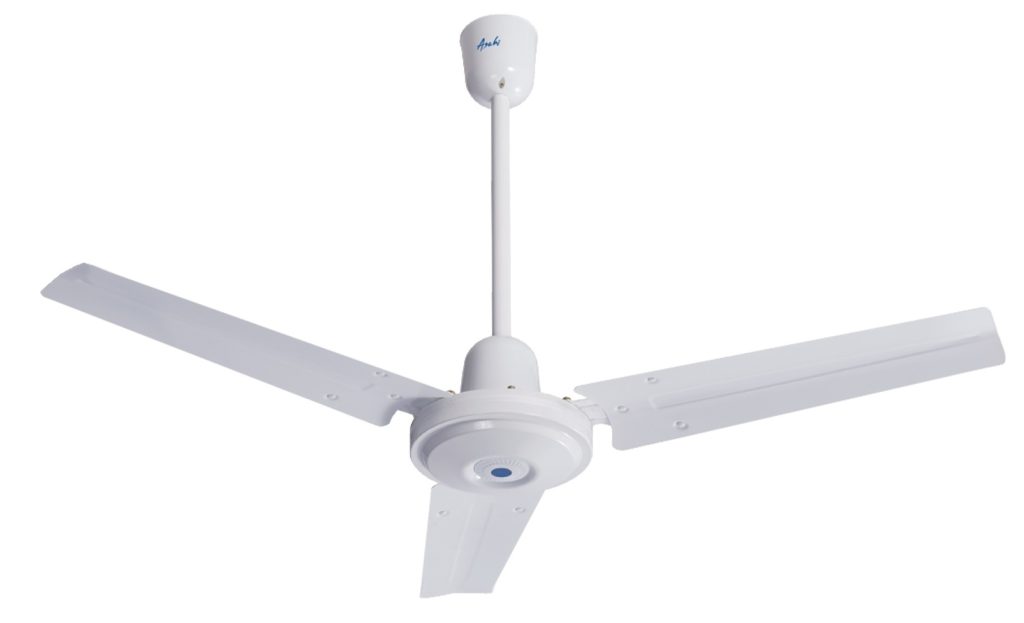
For ceiling fans, after being fixed, the standard has a load test requirement of 4 times its own weight for its suspension fixing system. For household wall-mounted room air conditioners, before installation, the indoor unit is not attached to the wall, but after installation, this surface is in contact with the wall, and the wall plays the role of covering the appliance, thereby protecting the moving parts or live parts inside the appliance.
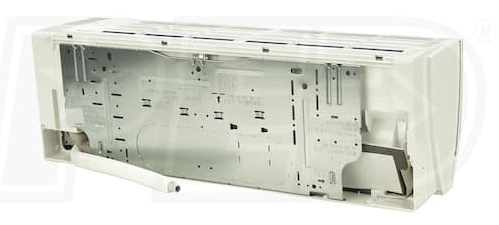
back view for split-type wall-mount air conditioner

Similar Posts

  • ข้อ 3 – วิธีทำความเข้าใจคำจำกัดความของ “ความปลอดภัยแรงดันไฟฟ้าต่ำพิเศษ”

    หมายเหตุ 2 แรงดันไฟฟ้าต่ำพิเศษเพื่อความปลอดภัยเรียกอีกอย่างว่า SELVจากชื่อ – แรงดันไฟฟ้าต่ำพิเศษด้านความปลอดภัย คำจำกัดความนี้มีคำว่า “ความปลอดภัย” มากกว่าแรงดันไฟฟ้าต่ำพิเศษ อย่างไรก็ตาม ในมาตรฐานนี้ เราได้อธิบายไว้ก่อนหน้านี้แล้วว่าแนวคิดเรื่องความปลอดภัยเป็นแนวคิดที่สัมพันธ์กัน ซึ่งได้รับการอธิบายไว้ในคำนำ-1 ที่นี่ เราต้องเพิ่มเติมว่า SELV มีข้อบังคับเกี่ยวกับค่าแรงดันไฟฟ้า แรงดันไฟฟ้าที่ระบุในที่นี้คือค่าประสิทธิผลของแรงดันไฟฟ้า โดยปกติ ค่าพีคของแรงดันไฟฟ้าจะสูงกว่าค่าประสิทธิผล และขีดจำกัดแรงดันไฟฟ้าที่ระบุในข้อ 8.1.4 เป็นข้อกำหนดสำหรับค่าพีค เราจะอธิบายข้อกำหนดการทดสอบโดยละเอียดในข้อ 8.1.4 หมายเหตุ 2 ของย่อหน้าแรกในข้อ 3 ให้ประโยค “หมายเหตุ 2 เมื่อใช้เงื่อนไข “แรงดันไฟฟ้า” และ “ปัจจุบัน” จะมีค่า r.m.s. เว้นแต่จะระบุไว้เป็นอย่างอื่น” ดังแสดงในรูปด้านล่าง หม้อแปลงไฟฟ้ามีขายึดพลาสติกสามตัววางในแนวตั้งลงในแผ่นดิสก์เพื่อแยกขดลวดปฐมภูมิและขดลวดทุติยภูมิ (ขดลวดปฐมภูมิและขดลวดทุติยภูมิถูกพันด้วยเทปพลาสติกสีน้ำเงินด้านนอก) และขดลวดปฐมภูมิและขดลวดทุติยภูมิคือ แยกตัวออกจากร่างกายเราจะอธิบายโครงสร้างของหม้อแปลงแยกความปลอดภัยโดยละเอียดในโพสต์ถัดไป Here, we need to add that SELV has regulations on voltage…

  • ข้อ 3 – ข้อกำหนดและคำจำกัดความ: การตีความทั่วไป

    วิธีที่สองมีข้อได้เปรียบมากกว่าในการฝึกอบรมวิศวกรอาวุโสบางคน เลยอยากอธิบายทุกนิยามให้ชัดเจนที่สุดตรงนี้ สิ่งที่ผมอยากบอกคุณก็คือ คำจำกัดความมีความสำคัญมาก และมาตรฐานที่แตกต่างกันก็อาจกำหนดคำเดียวกันให้แตกต่างออกไป ซึ่งทำให้ผู้อ่านต้องเข้าใจอย่างรอบคอบเพื่อหลีกเลี่ยงความสับสนHere, what I want to tell you is that the definition is very important, and different standards may define the same term differently, which requires the reader to grasp carefully to avoid confusion.

  • Clause 3 – How to understand the definition of “user maintenance”

    user maintenance: any maintenance operation stated in the instructions for use, or marked on the appliance, that the user is intended to perform. Allowed user-executed operations, the operation guideline was given in user manual, and it could be showed in enclosure of appliance. Since it is a allowed user-executed operation, then additional protective method should…

  • ข้อ 3 – วิธีทำความเข้าใจคำจำกัดความของ “กำลังไฟฟ้าเข้าพิกัด”

    กำลังไฟฟ้าเข้าที่ผู้ผลิตกำหนดให้กับเครื่องหมายเหตุ 1: ถ้าไม่ได้กำหนดกำลังไฟฟ้าเข้าให้กับเครื่องใช้ไฟฟ้า กำลังไฟฟ้าเข้าที่กำหนดสำหรับเครื่องทำความร้อนและเครื่องใช้ไฟฟ้าแบบรวมจะเป็นกำลังไฟฟ้าเข้าที่วัดเมื่อจ่ายเครื่องใช้ไฟฟ้าที่แรงดันไฟฟ้าที่กำหนดและทำงานภายใต้การทำงานปกติในกรณีส่วนใหญ่ อุปกรณ์จะได้รับกำลังไฟฟ้าเข้าที่กำหนด บางครั้ง ผลิตภัณฑ์จะได้รับเฉพาะกระแสไฟเข้าที่กำหนดเท่านั้น แต่ในระหว่างการทดสอบจริง มาตรฐานกำหนดให้ต้องพิจารณาสภาพการทำงานของผลิตภัณฑ์ตามกำลังไฟฟ้าเข้าที่กำหนด จากนั้นจึงจะสามารถกำหนดข้อมูลกำลังไฟฟ้าเข้าตามข้อมูลในหมายเหตุนี้ได้ นี่เป็นสถานการณ์ที่หายาก หากเงื่อนไขการทดสอบของผลิตภัณฑ์เป็นไปตามกำลังไฟฟ้าเข้าที่กำหนด โดยปกติแล้วผลิตภัณฑ์จะมีป้ายกำกับว่ากำลังไฟฟ้าเข้าที่กำหนด แม้ว่าผู้ผลิตผลิตภัณฑ์จะไม่ระบุพิกัดกำลังไฟฟ้าเข้า แต่ห้องปฏิบัติการทดสอบของบุคคลที่สามมักจะขอข้อมูลพิกัดกำลังไฟฟ้าเข้าเมื่อทำการทดสอบผลิตภัณฑ์ ต่อไปนี้คือตัวอย่างสมมุติของเครื่องทำความร้อนในห้องที่ใช้หลอดควอทซ์ซึ่งมีป้ายกำกับว่ามีแรงดันไฟฟ้าพิกัด AC220V และอินพุตกระแสไฟพิกัดอยู่ที่ 10A โดยไม่มีกำลังไฟเข้าพิกัด เมื่อทำการทดสอบความร้อนตามข้อ 11 มาตรฐานกำหนดให้ผลิตภัณฑ์ทำงานที่ 1.15 เท่าของกำลังไฟฟ้าเข้าที่กำหนด ในสถานการณ์นี้ สามารถกำหนดกำลังไฟฟ้าเข้าพิกัดได้โดยใช้ข้อมูลในหมายเหตุของบทความนี้ อุปกรณ์ทำความร้อนมักจะทำเครื่องหมายกำลังไฟฟ้าเข้าพิกัด In most cases, the appliance is given a rated powerinput. Sometimes, the product is only given a rated input current, but during actual testing, standards require that…

  • ข้อ 3 – จะเข้าใจคำจำกัดความของ “การก่อสร้างประเภท II” ได้อย่างไร

    ตัวอย่าง: เตาอบที่แสดงในภาพด้านล่างใช้เปลือกโลหะและปุ่มสวิตช์พลาสติก เมื่อผู้ใช้สัมผัสปุ่มสวิตช์ ปุ่มทำจากวัสดุฉนวนและไม่สามารถต่อสายดินได้ การป้องกันไฟฟ้าช็อตสามารถพึ่งพาฉนวนของปุ่มเท่านั้น มีฉนวนพื้นฐานระหว่างชิ้นส่วนที่มีกระแสไฟฟ้าภายในสวิตช์และแกนปุ่มหมุนสวิตช์ และปุ่มหมุนสวิตช์จะสร้างฉนวนเสริม ดังนั้นตำแหน่งปุ่มสวิตช์จึงเป็นโครงสร้างคลาส II       

  • Clause 3 – How to Understand the Definition of “all-pole disconnection”

    all-pole disconnection: disconnection of both supply conductors by a single initiating action or, for multi-phase appliances, disconnection of all supply conductors by a single initiating actionNOTE For multi-phase appliances, the neutral conductor is not considered to be a supply conductor. Single-phase power: An AC power system composed of one live wire and one neutral wire.​Three-phase…