Clause 3 – How to understand the definition of “stationary appliance”

stationary appliance: fixed appliance or an appliance which is not a portable appliance.

Stationary appliance includes fixed appliance and not a portable appliance. The characteristic of a stationary appliance is that once it is put into use, it will be placed in a fixed position. At the same time, the position of the appliances will generally not be changed during normal use.
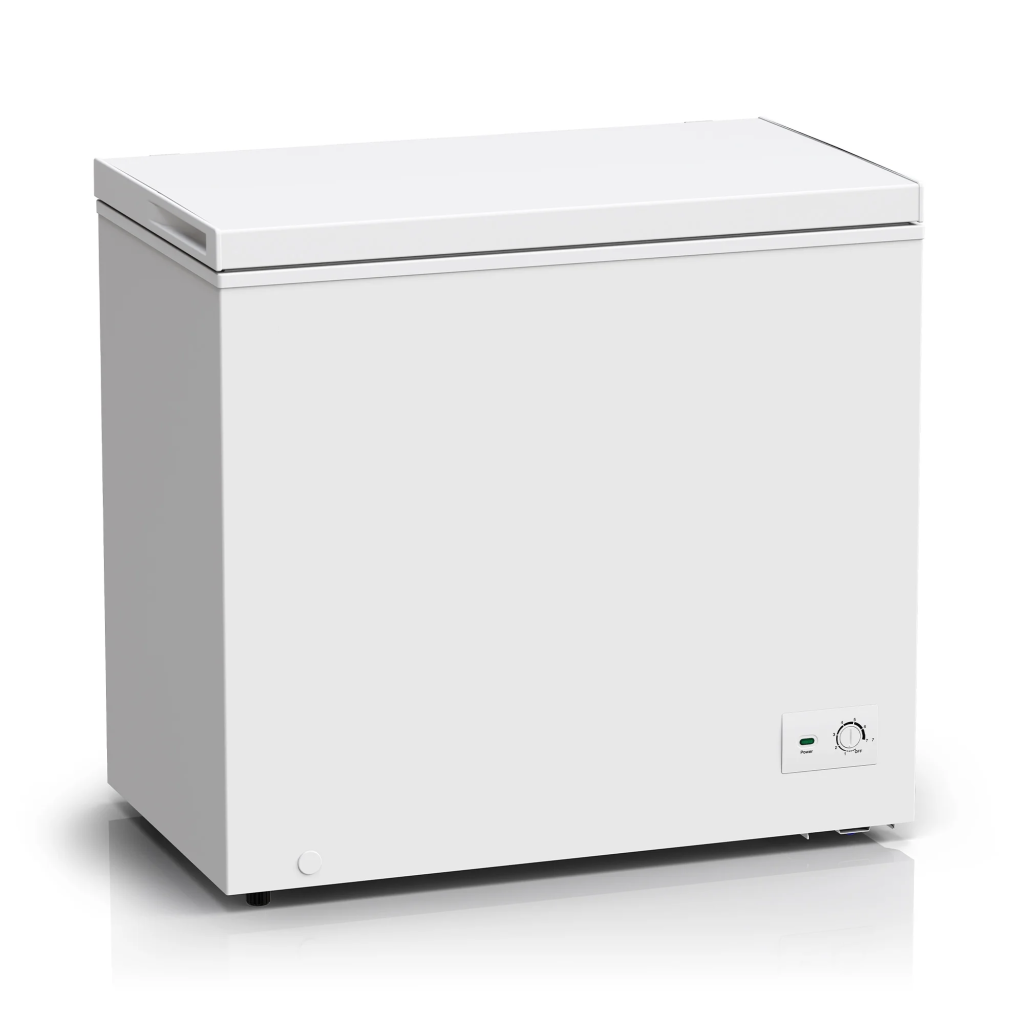
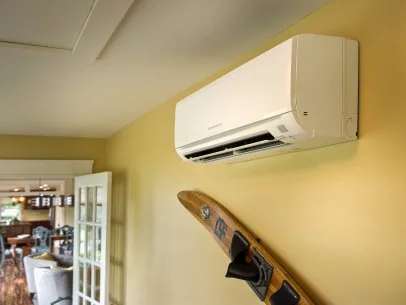
Typical examples are wall-mounted room air conditioners and refrigerators weighing more than 18 kg.
Similar Posts

  • Clause 3 – How to Understand the Definition of “Intentionally Weak Part”

    intentionally weak part: A part intended to rupture under abnormal operating conditions to prevent the occurrence of a condition that could impair compliance with this standard.NOTE: Such a part may be a replaceable component, such as a resistor or capacitor, or a part of a component to be replaced, such as an inaccessible thermal link…

  • 第3項 – 「安全特別低電圧」の定義の見方

    安全特別低電圧: 導体間および導体とアース間の電圧は 42 V を超えず、無負荷電圧は 50 V を超えない 安全特別低電圧が主電源から得られる場合、安全絶縁を介する必要があります。 注 1 指定された電圧制限は、安全絶縁変圧器が定格電圧で供給されるという前提に基づいています。注 2 安全特別低電圧は SELV とも呼ばれます。 はじめに-1 。また、本項で定義する「安全」は、SELV を使用者が直接触れることができる絶対的な安全を意味するものではありません。ユーザーは、セクション 8.1.4 の要件を満たす SELV 回路のみに触れることができます。この電圧は通常、安全絶縁変圧器または別の巻線を備えたコンバータを通じて電圧を降圧することによって得られます。通常、これは安全絶縁変圧器を通じて得られます。ここで、別個の巻線を備えた安全絶縁変圧器またはコンバータは、一次巻線と二次巻線が物理的に構造的に分離されていることを保証できます。つまり、一次巻線と二次巻線が直接接触しないようにすることができます。この別巻線による回路分離に対応した電圧調整方式の一般的な例は、220V 回路に抵抗とコンデンサを直列に並列接続する RC 降圧方式です。 RC降圧方式では、回路内で高圧部と低圧部が接続されます。明らかに、物理的手段によって回路を分離する前者の方法の方が安全です。単純な物理的分離である場合でも、安全要件を満たすことはできません。規格で要求される絶縁は二重絶縁または強化絶縁の要件を満たす必要があります。簡単に言うと、高電圧部分と低電圧部分の間に非常に単純な絶縁(低温耐性を持つ薄いプラスチックシートなど)がある場合、この絶縁は高温または高電圧条件下で破損しやすく、基本的には絶縁できません。このプラスチックシートの層は絶縁の役割を果たしますが、高電圧回路と低電圧回路を物理的に分離することもあります。二重絶縁と強化絶縁の絶縁要件も二重保護の手段です。下の図に示すように、トランスには一次巻線と二次巻線を分離するためにディスクに垂直に配置された 3 つのプラスチック ブラケットがあり (一次巻線と二次巻線の外側には青いプラスチック テープが巻かれています)、一次巻線と二次巻線は物理的に隔離されています。 下の図に示すように、トランスには中央の一次巻線と二次巻線に黄色いテープが巻かれています。強化絶縁の沿面距離要件を満たしているかどうかを確認するには、2 つの巻線間の黒いブラケットの沿面距離に特に注意を払う必要があります。そうでない場合、その変圧器は安全絶縁変圧器として判断できません。 安全絶縁トランスの構造については次回詳しく説明します。 As shown in the figure below, the transformer has yellow tape wrapped around the primary and secondary windings in the…

  • 第 3 項 – 「クラス II アプライアンス」の定義の理解方法

    クラスⅡ機器:感電に対する保護を必要としない機器 基礎絶縁 ただし、追加の安全予防措置が提供される場合のみ 二重絶縁 または 強化絶縁、保護接地の規定や設置条件への依存はありません。 注 1 このようなアプライアンスは、次のタイプのいずれかになります。– 銘板、ネジ、リベットなどの絶縁された部品を除き、すべての金属部品を覆う、耐久性があり実質的に連続した断熱材の筐体を備えた機器 充電部 同等以上の絶縁により 強化絶縁;このような器具は断熱材入りと呼ばれます クラス II 機器;– 実質的に連続した金属製の筐体を備えた機器 二重絶縁 または 強化絶縁 は全体で使用されます。このような器具は金属ケースと呼ばれます クラス II 機器;– 断熱材で覆われた機器を組み合わせた器具 クラス II 機器 そして金属ケース クラス II 機器.注2 絶縁被覆の筐体 クラス II 機器 の一部または全体を形成する場合があります 補助絶縁 またはの 強化絶縁. ここでは二重の予防策の観点から考えていきます。基礎絶縁に加えて、製品には別の絶縁層も必要です。つまり、いずれかの層の絶縁が機能しなくなった場合でも、別の層の絶縁が保護の役割を果たすことを保証する二重絶縁対策です。強化絶縁による感電防止効果は二重絶縁と同等の場合が多く、二重の予防策としても有効と考えられます。規格によって定義されたクラス II 機器は、機器が独自のケーシング、絶縁電線、および絶縁電線のシースによって二重絶縁の効果を達成することを主に強調しています。接地対策が施された機器はクラス I 機器であるため、クラス II 機器には保護接地がありません。 クラス 0 機器を除き、大面積のプラスチックまたは絶縁ハウジングを備えたすべての機器は、通常、クラス II 機器として設計されています。ただし、金属ハウジングを備えたモーターもあり、その製品はクラス II 機器の要件を満たすことができますが、モーターには保護接地措置が講じられています。このアプライアンスはクラス I…

  • Clause 3 – How to understand the definition of “fixed appliance”

    fixed appliance: appliance that is intended to be used while fastened to a support or while secured in a specific location. The definition emphasizes fastening to a bracket or fixing in a specific position. Generally, we think that this kind of fixation requires some installation actions and some fixing devices, these devices can be fixed…

  • Clause 3 – How to understand the definition of “protective electronic circuit”

    protective electronic circuit: electronic circuit that prevents a hazardous situation under abnormal operating conditions.NOTE Parts of the circuit may also be used for functional purposes. With the advancement of technology, more and more electronic circuits are being used in household electrical products, and these electronic circuits are usually integrated on PCBs. They use microprocessor chips…

  • Clause 3 – How to understand the definition of “thermal cut-out”

    thermal-cut-out: device which during abnormal operation limits the temperature of the controlled part by automatically opening the circuit, or by reducing the current, and is constructed so that its setting cannot be altered by the user. There are three key provisions here. First, the thermal cut-out is a heat-sensing element, second, it can only be…