Clause 3 – How to understand the definition of “accessible part”

accessible part: part or surface that can be touched by means of test probe B of IEC 61032, and if the part or surface is metal, any conductive part connected to it.
NOTE Accessible non-metallic parts with conductive coatings are considered to be accessible metal parts.

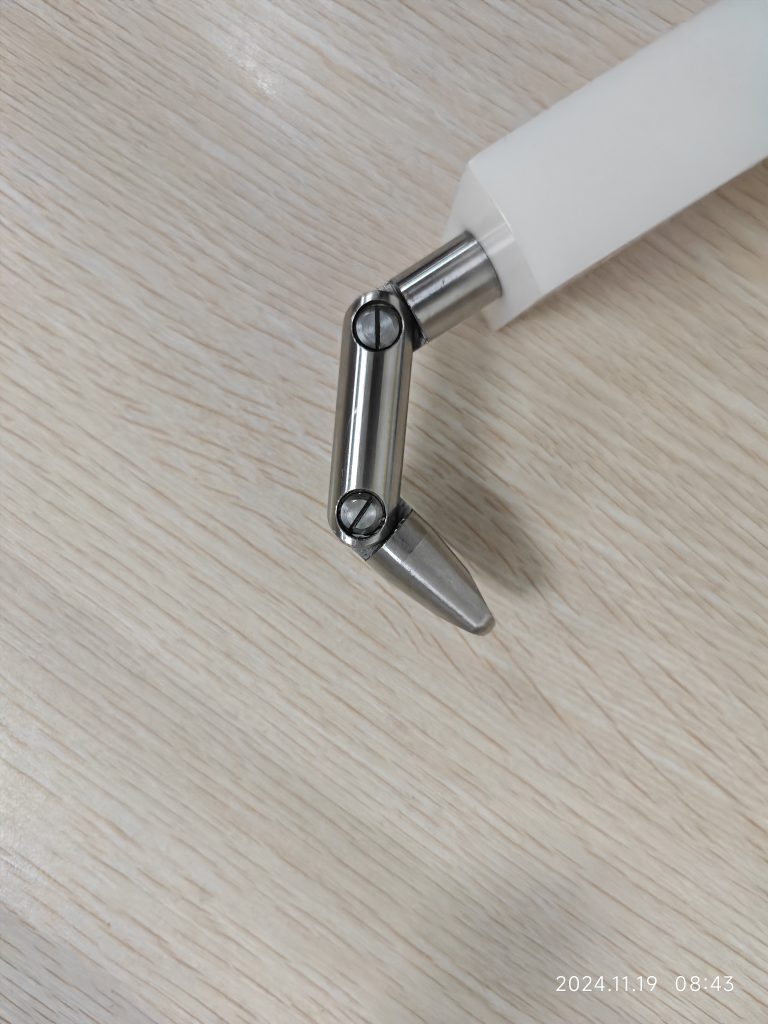
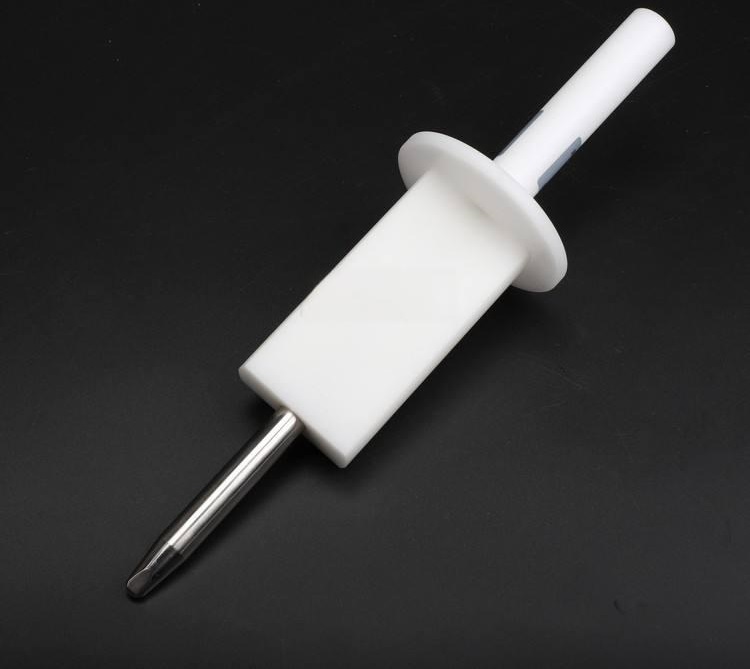
There are some parts or surfaces in the appliance that is not allowed be touched or be accessible, the reason for this may be high temperature, may be electrically charged, or there may be mechanical injuries, such as the movement of the fan blade. The smallest part of the human body that can touch other objects is the finger, but different people’s fingers are different, so the standard here stipulates a fixed size of the finger, finger size in accordance with the standard IEC 61032 in the type B finger. The following figure
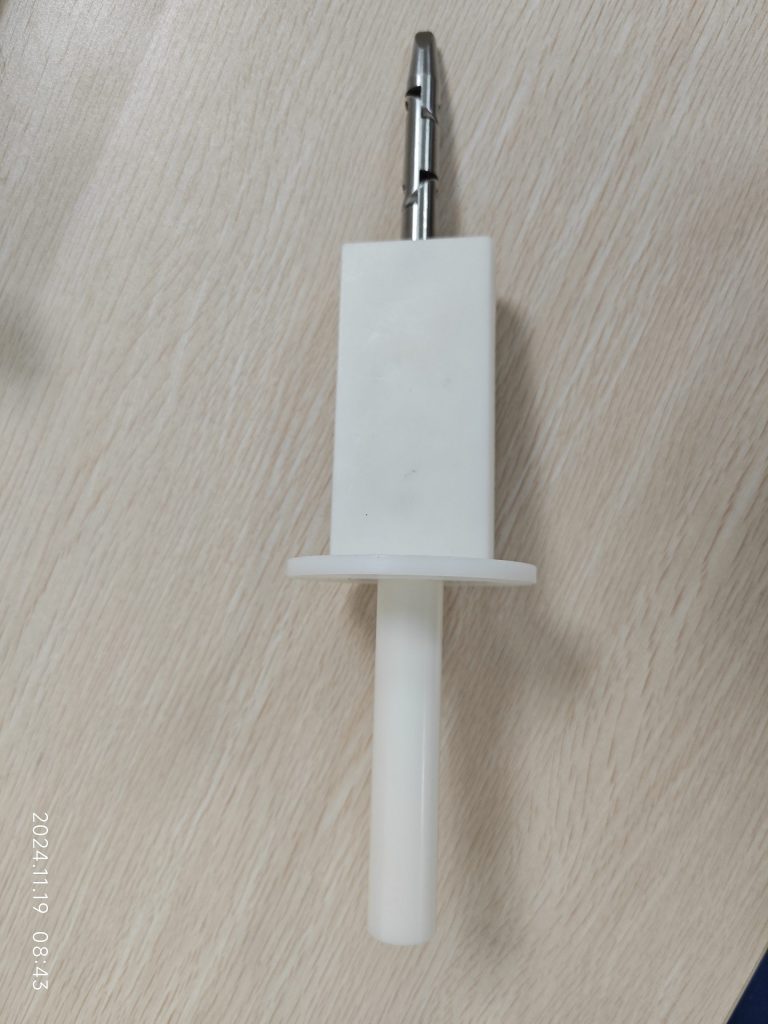
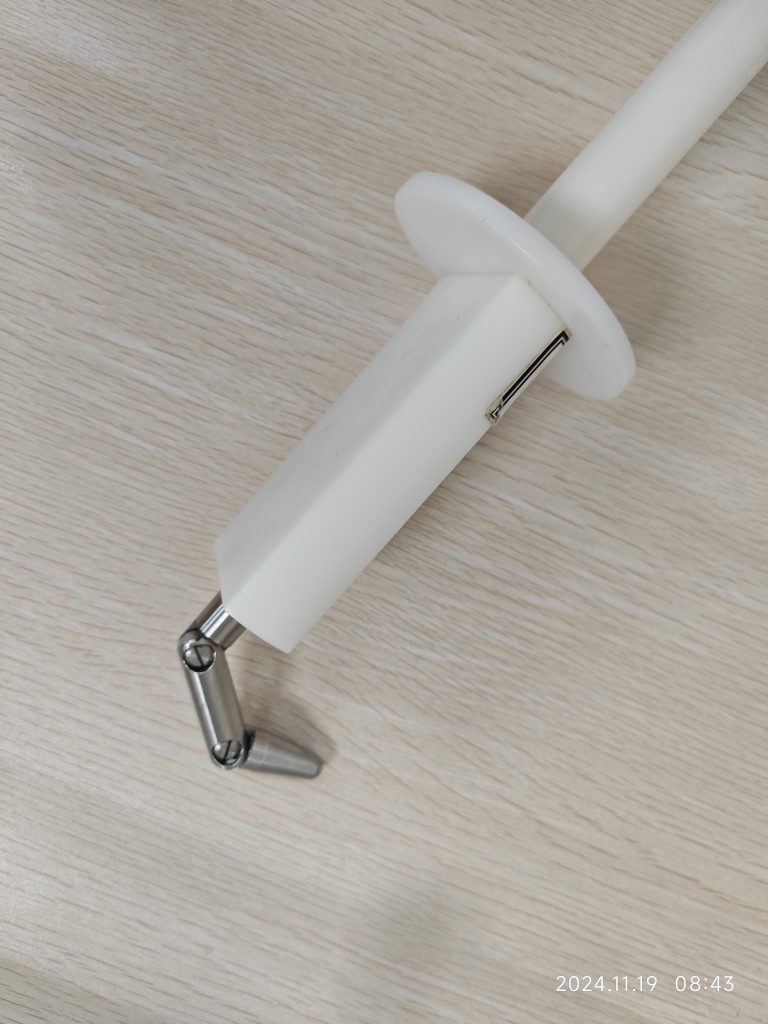
It is also important to note here that if the part touched by the tested finger is metal, because metal conducts electricity, then parts such as those touched by metal parts are considered electrically accessible. In practice, the requirement that metal parts may be electrically conductive does not need to be taken into account when determining injuries to moving parts.

Type B test probes have a design that is without joints. Typically, standards will require that a test finger without joints be used first, followed by a test finger with joints. The exact method of inspection is discussed in clause 8.
Similar Posts

  • Clause 3 – How to understand the definition of “PTC heating element”

    PTC heating element: element intended for heating consisting mainly of positive temperature coefficient resistors that are thermally sensitive and have a rapid non-linear increase in resistance when the temperature is raised through a particular range. As the temperature increases, the resistance of the heating element of the PTC heating element increases. The relationship between temperature…

  • Clause 3 – How to understand the definition of “thermal cut-out”

    thermal-cut-out: device which during abnormal operation limits the temperature of the controlled part by automatically opening the circuit, or by reducing the current, and is constructed so that its setting cannot be altered by the user. There are three key provisions here. First, the thermal cut-out is a heat-sensing element, second, it can only be…

  • Clause 3 – How to understand the definition of “non-detachable part”

    non-detachable-part: part that can only be removed or opened with the aid of a tool or a part that fulfils the test of 22.11. The definition of this concept is mainly for the judgment of clause 8 and clause 20, and the judgment of other clauses may also be used. On the appliance, whether any…

  • 第3項 「定格電流」の定義の見方

    定格電流: メーカーによってアプライアンスに割り当てられた電流。注: アプライアンスに電流が割り当てられていない場合、定格電流は次のようになります– 暖房器具の場合、定格入力電力と定格電圧から計算された電流; – 電動器具および複合器具の場合、器具が定格電圧で供給され、通常の動作で動作したときに測定される電流 この条項の最初の注意事項である暖房器具は、加熱用の電気発熱体のみを使用するため、この発熱体は基本的に純粋な抵抗負荷であるため、電流は入力電力を割ったものに等しいため、数学的計算方法に直接従うことができます。定格電圧による(P = U/I)。 2番目の注意点は、この製品は純粋な抵抗負荷ではないため、式によると、P = U/Iの計算では正確な結果が得られず、電流値を取得するテストのみが必要です。一般的には一部電動器具 冷蔵庫などの定格ラベルには定格電流と表示されています。ほとんどのエアコンの定格ラベルには、定格入力と定格電流の両方が記載されています。 冷蔵庫の定格ラベル エアコンの定格ラベル rating label for air conditioner

  • 第 3 項 – 「タイプ X アタッチメント」の定義の理解方法

    タイプXアタッチメント:電源コードの交換が容易な取付方法エントリへの注記 1: 電源コードは特別に用意され、製造元またはそのサービス代理店からのみ入手できる場合があります。特別に用意されたコードには器具の一部が含まれる場合があります。 まず、この定義は電源コード用です。次に、注記によると、コードは製造元またはそのサービス代理店からのみ入手できます。第三に、電源コードの交換が容易な構造であることが挙げられる。注記から、このコードが一般の家電付属品市場で購入できる場合、炊飯器の供給コードであることがわかります 上の図の例に示されているものは、実際にはここで言及されている電源コードに属しません。最後に、電源コードもアプライアンスの一部である場合があります。 Type X のアタッチメントは簡単に交換できる必要があります。以下の図に示すように、 電源コードは極性端子に接続されています。この接続方法は通常のマイナスドライバーで完了します。取り付けが容易なタイプですので、タイプXアタッチメントとして定義できます。同様の理由で、ここでの電源コードの接続が便利でクイックなコネクタを使用して接続されている場合は、タイプ X アタッチメントとして定義することもできますが、この構造はほとんど見られません。セクション 26.2 の最初の文を参照してください。「特別な準備ソフトウェアを備えた機器を除き、タイプ X の取り付け接続を備えた機器および固定配線に接続された機器には、ネジ、ナット、または同様の装置による接続用の端子が提供されなければなりません。接続はハンダ付けで行います。」これは、タイプ X の取り付け接続を完了するために、ネジ、ナット、または同様の接続デバイスを使用できることを意味します。逆に、ネジ、ナット、または同様の接続デバイスを使用して接続を完了する構造は、タイプ X アタッチメントとして定義できます。ここではろう付けについても言及されているので、ろう付けもタイプ X アタッチメントで使用される接続方法であると考える理由がありますが、個人的にはろう付けは簡単な接続方法ではないため、タイプ X アタッチメントとはみなせないと考えています。ろう付けを伴う場合は、ろう付けよりも簡単なはんだ付けを検討しますが、はんだ付けも容易ではないと思いますので、Type Xアタッチメント接続と判断することはお勧めできません。タイプXの付属品は現在では非常に珍しいと言わざるを得ません。技術の向上と材料の最適化により、電源コードの損傷はほとんど発生しなくなり、たとえ電源コードが損傷したとしても、一般のユーザーが自分で修理や交換することは困難です。ほとんどの電気製品はタイプ Y の取り付け構造を採用しています。標準でタイプ X の取り付けを定義したとき、後進技術により多くの電源コードが損傷したため、この安全規則が規定されました。 It has to be said that type X attachment is very rare now. Due to the improvement of technology and the optimization of materials, the damage of…

  • 第 3 条 – 用語と定義: 一般的な解釈

    IEC 60335-1 規格に詳しくないエンジニアにトレーニングを施すとしたら、2 つの方法があると思います。 1 つ目は、文節番号の順序に従って例を挙げて説明する方法です。これは私がよく使用する方法です。 2つ目は、第3条項の各定義に基づいて説明することです。最初にエンジニアが特定の用語の定義を理解できるようにし、次に例を示し、次にこの定義または用語に関する規格のすべての要件の説明を行います。2 番目の方法は、一部の上級エンジニアをトレーニングする場合により有利です。したがって、すべての定義を明確に説明できるよう最善を尽くしたいと思います。ここで私が伝えたいのは、定義は非常に重要であり、規格が異なれば同じ用語の定義も異なる場合があり、混乱を避けるために読者は注意深く把握する必要があるということです。