Clause 3 – How to understand the definition of “protective device”

protective device: device, the operation of which prevents a hazardous situation under abnormal operation conditions

The standard emphasizes “abnormal operation” here. Only devices that operate under “abnormal operation” conditions can be defined as protective devices. Therefore, there are many types of protective devices, including overheating protection devices, overcurrent protection devices, and overpressure protection devices.
Overheating protection devices include the thermal link, non- self-resetting thermal cut-out, self-resetting thermal cut-out, thermal cut-out, etc. mentioned earlier, but thermostat and temperature limiter are not protective devices.
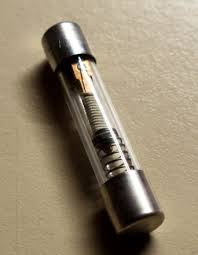
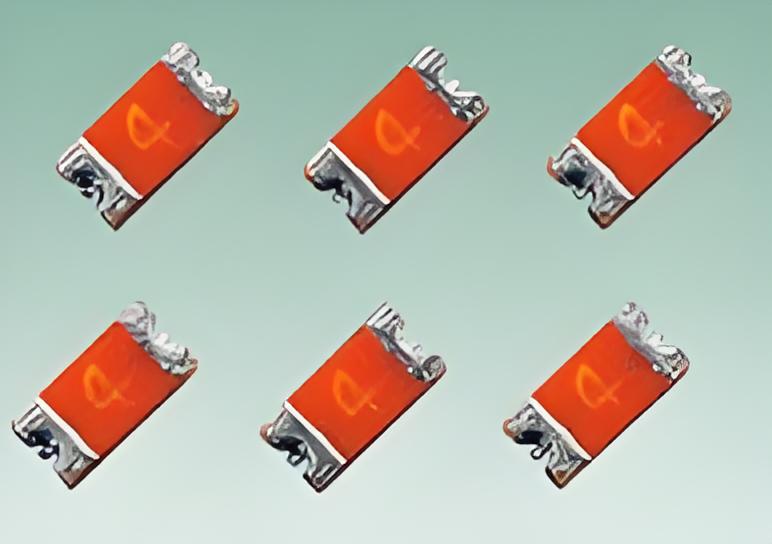
The typical overcurrent protection device is the current fuse. There are many types of general current fuses. We will not introduce them here. Readers can go to Google by themselves.
Overpressure protection devices include water pressure protection devices, air pressure protection devices, etc.
In addition, there are water level switches, interlocking switches or devices that prevent a hazardous situation, three-phase electrical phase sequence protection devices, Air Circuit Breaker(ACB), leakage current protectors, etc., as well as intentionally weak parts defined by the standard. We can search for the word “protective device” in the standard to see what requirement are given for the “protective device” standard. This way we can understand the definition in reverse. This method can also be used to understand other definitions.

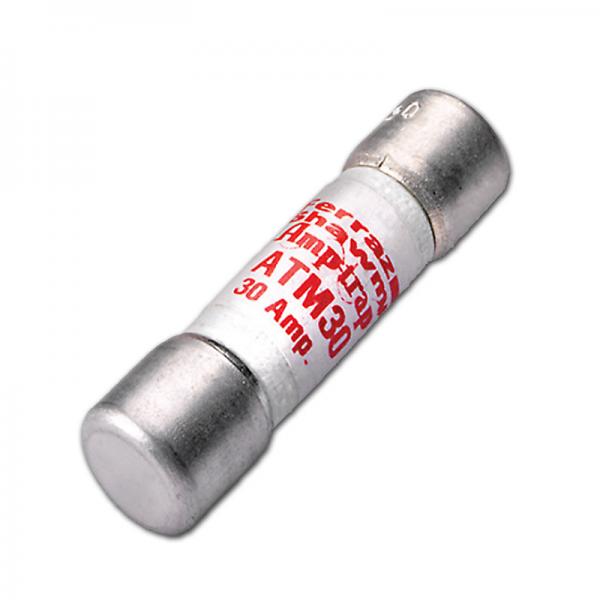
High Voltage Low Current EV Fuse
surface mounted current fuse

Similar Posts

  • How are the creepage distances and electrical clearances of PTC heating element surfaces determined?

    We are discussing here the second structure of the PTC heating element, PTC heating element structure please refer to the explanation of its definition. How is the creepage distance of the functional insulation at the location of the red circle in Figure 1 determined? We all know that NOTE 1 of TABLE 18 section has…

  • 第3項 「定格周波数」の定義の見方

    定格周波数: メーカーによってアプライアンスに割り当てられた周波数。 一般に、定格周波数は、製品設計時の対象市場国の標準実用周波数です。世界中で実用周波数は 50 Hz と 60 Hz の 2 つだけであるため、値は 50 Hz または 60 Hz、または 50 と 60 Hz の両方のみになります。 定格周波数、定格電流または定格電力入力、定格電圧などは、機器を特徴付ける基本パラメータであり、対象市場のニーズやユーティリティ条件から導き出されます。規格に従って試験を行う場合、これらのパラメータに従って試験条件を設定します。したがって、これらのパラメータはテスト前に確認する必要があります。確認しないと、作業の重複が生じ、誤ったテスト結果が生成されます。

  • 第 3 項 – 「タイプ Y アタッチメント」の定義の理解方法

    タイプ Y アタッチメント: 製造元、そのサービス代理店、または同様の資格を持つ担当者が交換を行うための電源コードの取り付け方法。 次の 2 つの写真に示すように、アプライアンスの底部にあるカバーを取り外すと、コード クランプと内部電源コード コネクタが見えます。底部カバーの取り外しは比較的簡単ですが、電源コードが同様のニップルコネクタに接続されているか、機械的に固定されている場合は、電源コードを再接続するために専門の工具や破壊が必要となり、電源コードの交換が困難になります。この構造をタイプ Y アタッチメントとして定義する方が合理的です。 As shown in the following two pictures, after removing the cover at the bottom of the appliance, you can see the cord clamp and the internal supply cord connector. Removing the bottom cover is relatively easy, but if the power cord is connected with…

  • Clause 3 – How to understand the definition of “heating appliance”

    heating appliance: appliance incorporating heating elements but without any motor. Before introducing this definition, we need to briefly introduce the electric heating elements commonly used in household electrical appliances. PTC heating element: PTC (Positive Temperature Coefficient) heating elements are widely used for various heating applications because of their self-regulating properties and safety features. Here are…

  • 第 3 項 – 「クラス II アプライアンス」の定義の理解方法

    クラスⅡ機器:感電に対する保護を必要としない機器 基礎絶縁 ただし、追加の安全予防措置が提供される場合のみ 二重絶縁 または 強化絶縁、保護接地の規定や設置条件への依存はありません。 注 1 このようなアプライアンスは、次のタイプのいずれかになります。– 銘板、ネジ、リベットなどの絶縁された部品を除き、すべての金属部品を覆う、耐久性があり実質的に連続した断熱材の筐体を備えた機器 充電部 同等以上の絶縁により 強化絶縁;このような器具は断熱材入りと呼ばれます クラス II 機器;– 実質的に連続した金属製の筐体を備えた機器 二重絶縁 または 強化絶縁 は全体で使用されます。このような器具は金属ケースと呼ばれます クラス II 機器;– 断熱材で覆われた機器を組み合わせた器具 クラス II 機器 そして金属ケース クラス II 機器.注2 絶縁被覆の筐体 クラス II 機器 の一部または全体を形成する場合があります 補助絶縁 またはの 強化絶縁. ここでは二重の予防策の観点から考えていきます。基礎絶縁に加えて、製品には別の絶縁層も必要です。つまり、いずれかの層の絶縁が機能しなくなった場合でも、別の層の絶縁が保護の役割を果たすことを保証する二重絶縁対策です。強化絶縁による感電防止効果は二重絶縁と同等の場合が多く、二重の予防策としても有効と考えられます。規格によって定義されたクラス II 機器は、機器が独自のケーシング、絶縁電線、および絶縁電線のシースによって二重絶縁の効果を達成することを主に強調しています。接地対策が施された機器はクラス I 機器であるため、クラス II 機器には保護接地がありません。 クラス 0 機器を除き、大面積のプラスチックまたは絶縁ハウジングを備えたすべての機器は、通常、クラス II 機器として設計されています。ただし、金属ハウジングを備えたモーターもあり、その製品はクラス II 機器の要件を満たすことができますが、モーターには保護接地措置が講じられています。このアプライアンスはクラス I…