Clause 3 – How to understand the definition of “protective device”

protective device: device, the operation of which prevents a hazardous situation under abnormal operation conditions

The standard emphasizes “abnormal operation” here. Only devices that operate under “abnormal operation” conditions can be defined as protective devices. Therefore, there are many types of protective devices, including overheating protection devices, overcurrent protection devices, and overpressure protection devices.
Overheating protection devices include the thermal link, non- self-resetting thermal cut-out, self-resetting thermal cut-out, thermal cut-out, etc. mentioned earlier, but thermostat and temperature limiter are not protective devices.
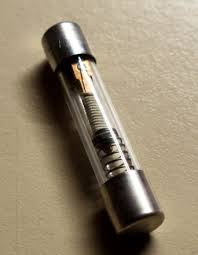
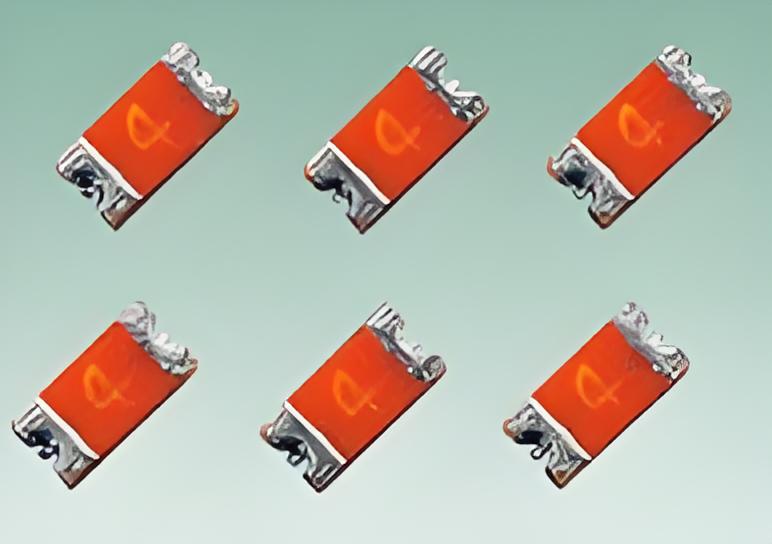
The typical overcurrent protection device is the current fuse. There are many types of general current fuses. We will not introduce them here. Readers can go to Google by themselves.
Overpressure protection devices include water pressure protection devices, air pressure protection devices, etc.
In addition, there are water level switches, interlocking switches or devices that prevent a hazardous situation, three-phase electrical phase sequence protection devices, Air Circuit Breaker(ACB), leakage current protectors, etc., as well as intentionally weak parts defined by the standard. We can search for the word “protective device” in the standard to see what requirement are given for the “protective device” standard. This way we can understand the definition in reverse. This method can also be used to understand other definitions.

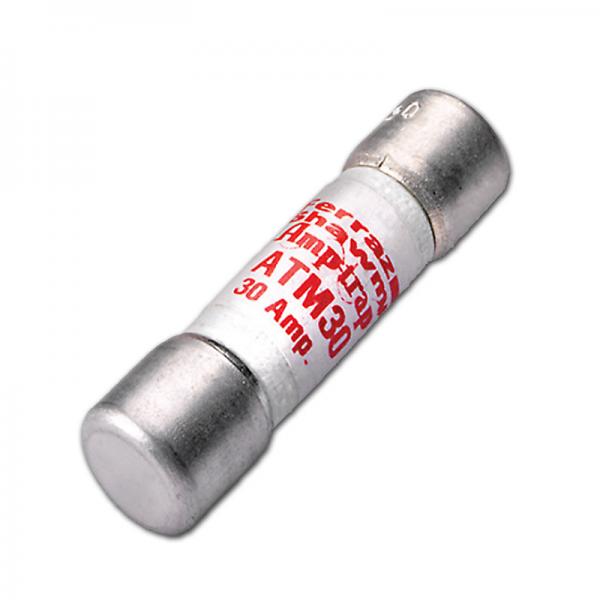
High Voltage Low Current EV Fuse
surface mounted current fuse

Similar Posts

  • 第3項「定格入力」の定義の見方

    定格入力電力:メーカーによってアプライアンスに割り当てられた電源入力記入への注記 1: 機器に電源入力が割り当てられていない場合、加熱機器および複合機器の定格入力電力は、機器が定格電圧で供給され、通常の動作で動作したときに測定された電源入力です。 一般に、メーカーは、最大電力入力の条件下で定格電圧で動作する製品によって生成される入力電力に基づいて定格電力入力を決定する場合があります。これは、10 項の電源入力テストでは、製品が定格電圧で動作する必要があるためです。一部の製品には特殊なケースがある場合があり、これについては後続の章で説明します。 経験豊富な開発チームの場合、製品設計の初期段階で定格入力が決定され、開発者は設計プログラムに従って製品を設計します。また、開発者が設計スキームを持っておらず、製品試作後に定格入力を暫定的に確認するケースもあります。ルームヒーター(石英管ヒーター)などの製品の定格電圧はAC220Vですが、通常はAC220V電源で製品を使用することができ、ヒーターの動作状態は最高レベルの熱に設定されます(首振りやその他の機能がある場合)をオンにする必要もあります)。これは、実際の入力電力、丸め値を定格電力入力として記録します。したがって、第 10 項の電源入力試験を実行する場合、試験値と定格値が規格で指定された偏差範囲を超えた場合、第 10 項の要件を満たすように定格入力電力を変更することができます。 ほとんどの場合、アプライアンスには定格電力入力が与えられます。製品には定格入力電流のみが与えられる場合もありますが、実際のテストでは、規格により製品の動作状態を定格入力電力に基づいて判断することが求められています。このメモの情報に従って入力電力情報を決定することができます。これはまれな状況です。製品のテスト条件が定格入力電力に基づく場合、通常、製品には定格入力電力のラベルが付けられます。製品のメーカーが入力電力定格を指定していない場合でも、サードパーティの試験機関は通常、製品をテストするときに入力電力定格情報を要求します。これは、定格電圧 AC220V、定格電流入力 10A と表示され、定格電力入力のない石英管ルーム ヒーターの仮想的な例です。第 11 項の耐熱試験を実施する場合、規格では定格入力電力の 1.15 倍で製品を動作させることが求められています。この状況では、この記事の注記の情報を使用して定格電力入力を決定できます。暖房器具には通常、定格入力が表示されています。

  • Clause 3 – How to understand the definition of “user maintenance”

    user maintenance: any maintenance operation stated in the instructions for use, or marked on the appliance, that the user is intended to perform. Allowed user-executed operations, the operation guideline was given in user manual, and it could be showed in enclosure of appliance. Since it is a allowed user-executed operation, then additional protective method should…

  • 第3項 – 「定格周波数範囲」の定義の見方

    定格周波数範囲: メーカーによって機器に割り当てられた周波数範囲。下限値と上限値で表されます。 範囲形式の定格周波数は、一般に 50 ~ 60 Hz ですが、世界のすべての国では主電源周波数が 50 Hz または 60 Hz のいずれかであり、中間の周波数値がないため、定義はあまり意味がありません。ただし、周波数範囲を 50 ~ 60 Hz の形式で指定するバイヤーまたはメーカーが依然として存在します。私の考えでは、不安定な商用電圧による周波数変動を考慮するためにも、50-60Hz は 50Hz 未満または 60Hz を超える状況を考慮していません。したがって、定格周波数を直接 50/60Hz とマークすることをお勧めします。

  • 第3項「二重絶縁」の定義の見方

    二重絶縁:基礎絶縁と補助絶縁を併用した絶縁方式 次の回路基板の画像にはアニメーション効果があります。点線の右側は動作電圧 220 ~ 240V のアクセス不可能な部分であり、点線の左側は最大動作電圧 24V のアクセス可能な部分です (点線の位置の構造が正常であると仮定します)。ラインは二重絶縁または強化絶縁の要件を満たしています)。効果的な絶縁を確保するために、一般的に、点線の右側のワイヤ (赤と青の内部ワイヤ) は、左側の比較的細い内部ワイヤに触れることはできません。右側のワイヤのワイヤ シースは基礎絶縁です。これは、ワイヤ シースが充電部と直接接触しており、充電部を保護する最初の層であるためです。左側の電線の電線シースは補助絶縁としてのみ定義できますが、第 29.3 項の補助絶縁の要件を満たしているかどうかは、第 29.3 項を導入する際に分析されます。 ここで、左側の電線の電線被覆を基礎絶縁、右側の電線の電線被覆を補助絶縁とすることはできないことに注意してください。 As shown in the following two pictures(fan), the internal lead wires sheath in the left picture is basic insulation, and the bottom plate of the outer casing is additional insulation. The following circuit board picture has an…

  • Clause 3 – How to Understand the Definition of “all-pole disconnection”

    all-pole disconnection: disconnection of both supply conductors by a single initiating action or, for multi-phase appliances, disconnection of all supply conductors by a single initiating actionNOTE For multi-phase appliances, the neutral conductor is not considered to be a supply conductor. Single-phase power: An AC power system composed of one live wire and one neutral wire.​Three-phase…