Clause 3 – How to understand the definition of “protective device”

protective device: device, the operation of which prevents a hazardous situation under abnormal operation conditions

The standard emphasizes “abnormal operation” here. Only devices that operate under “abnormal operation” conditions can be defined as protective devices. Therefore, there are many types of protective devices, including overheating protection devices, overcurrent protection devices, and overpressure protection devices.
Overheating protection devices include the thermal link, non- self-resetting thermal cut-out, self-resetting thermal cut-out, thermal cut-out, etc. mentioned earlier, but thermostat and temperature limiter are not protective devices.
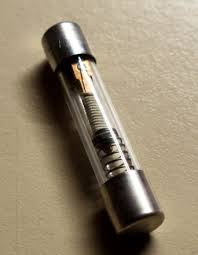
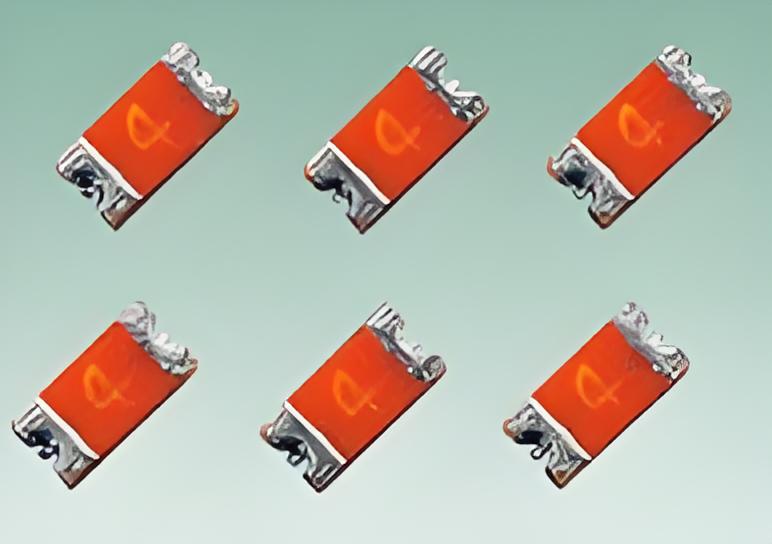
The typical overcurrent protection device is the current fuse. There are many types of general current fuses. We will not introduce them here. Readers can go to Google by themselves.
Overpressure protection devices include water pressure protection devices, air pressure protection devices, etc.
In addition, there are water level switches, interlocking switches or devices that prevent a hazardous situation, three-phase electrical phase sequence protection devices, Air Circuit Breaker(ACB), leakage current protectors, etc., as well as intentionally weak parts defined by the standard. We can search for the word “protective device” in the standard to see what requirement are given for the “protective device” standard. This way we can understand the definition in reverse. This method can also be used to understand other definitions.

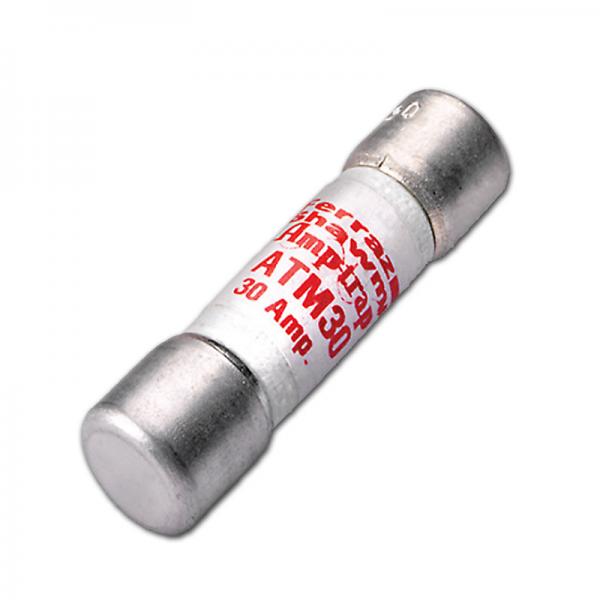
High Voltage Low Current EV Fuse
surface mounted current fuse

Similar Posts

  • Clause 3 – How to understand the definition of “combined appliance”

    combined appliance: appliance incorporating heating elements and motors. We know that this standard mainly protects against the following five types of dangers, which are electric shock, mechanical damage from moving parts, thermal damage (such as burns), fire damage, chemical and biological damage. Generally speaking, thermal damage is caused by electric heating elements, and mechanical damage…

  • Clause 3 – How to understand the definition of “built-in appliance”

    built-in appliance: fixed appliance intended to be installed in a cabinet, in a prepared recess in a wall or in a similar location. Here, because the appliance must be installed in a reserved position (usually a cubic space with only one side open), it is a fixed installation and can be regarded as a fixed…

  • ข้อ 3 – ข้อกำหนดและคำจำกัดความ: การตีความทั่วไป

    วิธีที่สองมีข้อได้เปรียบมากกว่าในการฝึกอบรมวิศวกรอาวุโสบางคน เลยอยากอธิบายทุกนิยามให้ชัดเจนที่สุดตรงนี้ สิ่งที่ผมอยากบอกคุณก็คือ คำจำกัดความมีความสำคัญมาก และมาตรฐานที่แตกต่างกันก็อาจกำหนดคำเดียวกันให้แตกต่างออกไป ซึ่งทำให้ผู้อ่านต้องเข้าใจอย่างรอบคอบเพื่อหลีกเลี่ยงความสับสนHere, what I want to tell you is that the definition is very important, and different standards may define the same term differently, which requires the reader to grasp carefully to avoid confusion.

  • ข้อ 3 – วิธีทำความเข้าใจคำจำกัดความของ “ความปลอดภัยแรงดันไฟฟ้าต่ำพิเศษ”

    หมายเหตุ 2 แรงดันไฟฟ้าต่ำพิเศษเพื่อความปลอดภัยเรียกอีกอย่างว่า SELVจากชื่อ – แรงดันไฟฟ้าต่ำพิเศษด้านความปลอดภัย คำจำกัดความนี้มีคำว่า “ความปลอดภัย” มากกว่าแรงดันไฟฟ้าต่ำพิเศษ อย่างไรก็ตาม ในมาตรฐานนี้ เราได้อธิบายไว้ก่อนหน้านี้แล้วว่าแนวคิดเรื่องความปลอดภัยเป็นแนวคิดที่สัมพันธ์กัน ซึ่งได้รับการอธิบายไว้ในคำนำ-1 ที่นี่ เราต้องเพิ่มเติมว่า SELV มีข้อบังคับเกี่ยวกับค่าแรงดันไฟฟ้า แรงดันไฟฟ้าที่ระบุในที่นี้คือค่าประสิทธิผลของแรงดันไฟฟ้า โดยปกติ ค่าพีคของแรงดันไฟฟ้าจะสูงกว่าค่าประสิทธิผล และขีดจำกัดแรงดันไฟฟ้าที่ระบุในข้อ 8.1.4 เป็นข้อกำหนดสำหรับค่าพีค เราจะอธิบายข้อกำหนดการทดสอบโดยละเอียดในข้อ 8.1.4 หมายเหตุ 2 ของย่อหน้าแรกในข้อ 3 ให้ประโยค “หมายเหตุ 2 เมื่อใช้เงื่อนไข “แรงดันไฟฟ้า” และ “ปัจจุบัน” จะมีค่า r.m.s. เว้นแต่จะระบุไว้เป็นอย่างอื่น” ดังแสดงในรูปด้านล่าง หม้อแปลงไฟฟ้ามีขายึดพลาสติกสามตัววางในแนวตั้งลงในแผ่นดิสก์เพื่อแยกขดลวดปฐมภูมิและขดลวดทุติยภูมิ (ขดลวดปฐมภูมิและขดลวดทุติยภูมิถูกพันด้วยเทปพลาสติกสีน้ำเงินด้านนอก) และขดลวดปฐมภูมิและขดลวดทุติยภูมิคือ แยกตัวออกจากร่างกายเราจะอธิบายโครงสร้างของหม้อแปลงแยกความปลอดภัยโดยละเอียดในโพสต์ถัดไป Here, we need to add that SELV has regulations on voltage…

  • Clause 3 – How to understand the definition of “self-resetting thermal cut-out”

    self-resetting thermal cut-out: thermal cut-out that automatically restores the current after the relevant part of the appliance has cooled down sufficiently In the definition there is a clear mention, when the temperature is cooled to a certain degree, in fact, its intention is to control the temperature is not too high, when the temperature is…

  • ข้อ 3 – วิธีทำความเข้าใจคำจำกัดความของ “ไฟล์แนบประเภท X, ประเภท Y, ประเภท Z”

    สิ่งที่แนบประเภท X: การเชื่อมต่อสายไฟเสร็จสมบูรณ์ในพื้นที่ที่เตรียมไว้เป็นพิเศษในเครื่องใช้ไฟฟ้า ดังนั้นเมื่อเปลี่ยนสายไฟจะไม่สัมผัสส่วนอื่นใดนอกจากแผงขั้วต่อและสายภายใน สกรูที่ยึดสายไฟเป็นสกรูหัวแฉกหรือหัวแบนธรรมดา การเปลี่ยนสายไฟให้ดำเนินการภายในช่วงที่ควบคุมได้ สายไฟที่ผู้ใช้ทั่วไปแทนที่นั้นค่อนข้างเรียบง่ายและใช้งานได้ การแนบประเภท Y: เมื่อเปลี่ยนสายไฟ โดยทั่วไปจำเป็นต้องเปิดโครงโครงสร้างของเครื่องใช้ไฟฟ้า และยึดตัวเรือนเหล่านี้ด้วยสกรูพิเศษ เช่น สกรูหกเหลี่ยม หลังจากเปิดโครงโครงสร้างของเครื่องแล้ว ชิ้นส่วนทดแทนอาจสัมผัสชิ้นส่วนที่เคลื่อนไหวที่เป็นอันตรายหรือชิ้นส่วนอื่นๆ ที่มีไฟฟ้าภายในเครื่องได้ ในกรณีนี้ จะปลอดภัยกว่าหากกำหนดการเชื่อมต่อเป็นเอกสารแนบประเภท Y และกำหนดให้ผู้เชี่ยวชาญเปลี่ยนสายไฟ โดยปกติแล้ว สกรูยึดจะเป็นสกรูธรรมดาที่ผู้ใช้ทั่วไปสามารถใช้งานได้ แต่หากสัมผัสชิ้นส่วนที่เป็นอันตรายได้ในระหว่างการเปลี่ยนสายไฟ โดยทั่วไปจะกำหนดให้เป็นสิ่งที่แนบมาประเภท Y ไฟล์แนบประเภท Z ดูคำอธิบายและตัวอย่างใน 3.2.6. type Z attachment, see the explanation and examples in 3.2.6.