Clause 3 – How to Understand the Definition of “all-pole disconnection”

all-pole disconnection: disconnection of both supply conductors by a single initiating action or, for multi-phase appliances, disconnection of all supply conductors by a single initiating action
NOTE For multi-phase appliances, the neutral conductor is not considered to be a supply conductor.

Single-phase power: An AC power system composed of one live wire and one neutral wire.
Three-phase power: An AC power system composed of three live wires, with the same frequency and a phase difference of 120 degrees between each.

Single-phase power has two poles, which are the live wire/pole and the neutral wire/pole, generally, when we refer to multi-phase power, it is typically Three-phase power. Three-phase power has two type of connection such ass Star connection (Y connection) and Delta connection (Δ connection).

Star connection (Y connection): In a Star connection (Y connection), one end of each of the three load supply leads is joined to form a common neutral point. The other ends are connected to the three live wires, respectively.
Delta connection (Δ connection): The three load supply power leads are connected end-to-end, forming a closed loop, with the connection points respectively connected to the three live wires.
The supply conductors mentioned in the standard refer to the live wire and neutral wire in single-phase power, as well as all conductors in three-phase power except the neutral wire in a star connection. Each conductor is defined as a pole or supply conductor.

A disconnection is considered all-pole disconnection if a single action simultaneously disconnects both the live and neutral wires in a single-phase power system, or all supply conductors in a three-phase power system.
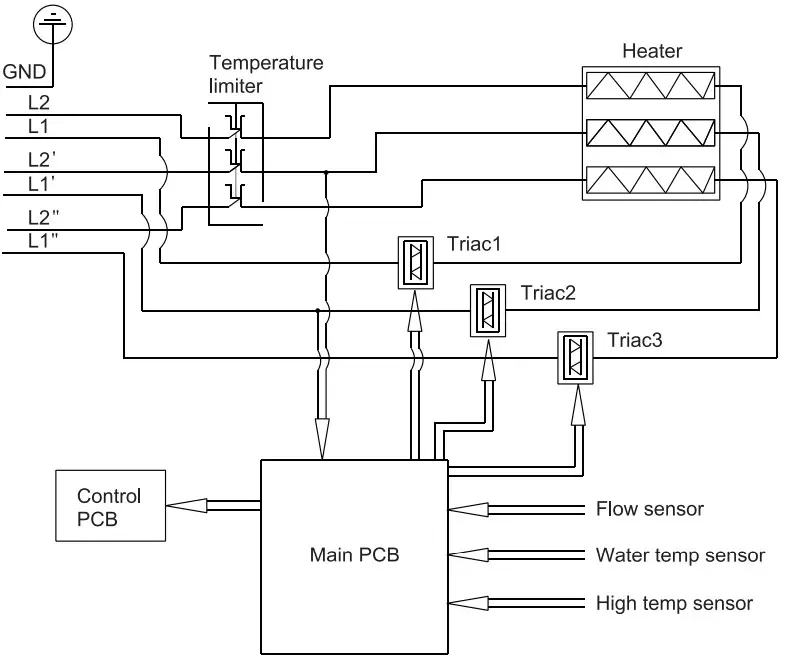
The purpose of defining all-pole disconnection is to provide protection against electric shock. In single-phase systems, both neutral and live conductors are considered live parts. Similarly, in three-phase systems, all live conductors are considered live parts. As shown in the below pictures, it shows the three-phase power system and single-phase power system appliance, the temperature limiter shown in pictures is an all-pole disconnection.
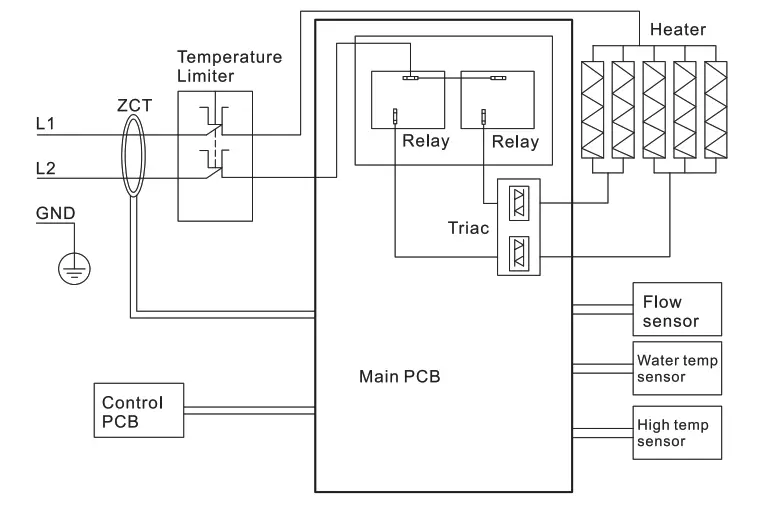
Electric tankless water heater electrical diagram
3 phase Electric tankless water heater electrical diagram

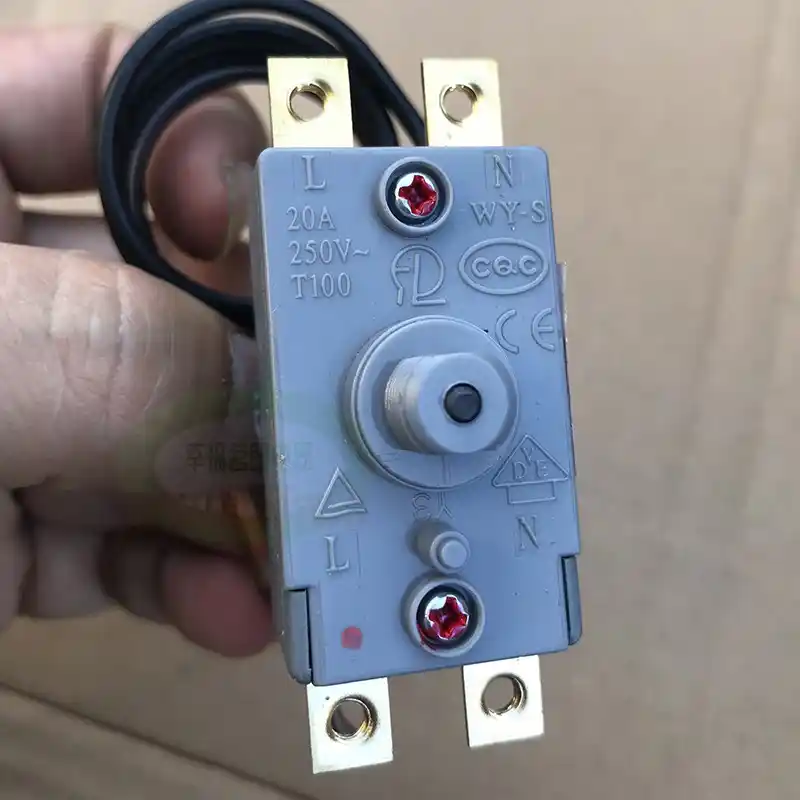
Below pictures show a thermal cut-out/ thermostat, you can find the all-pole disconnection diagram in its rating label.
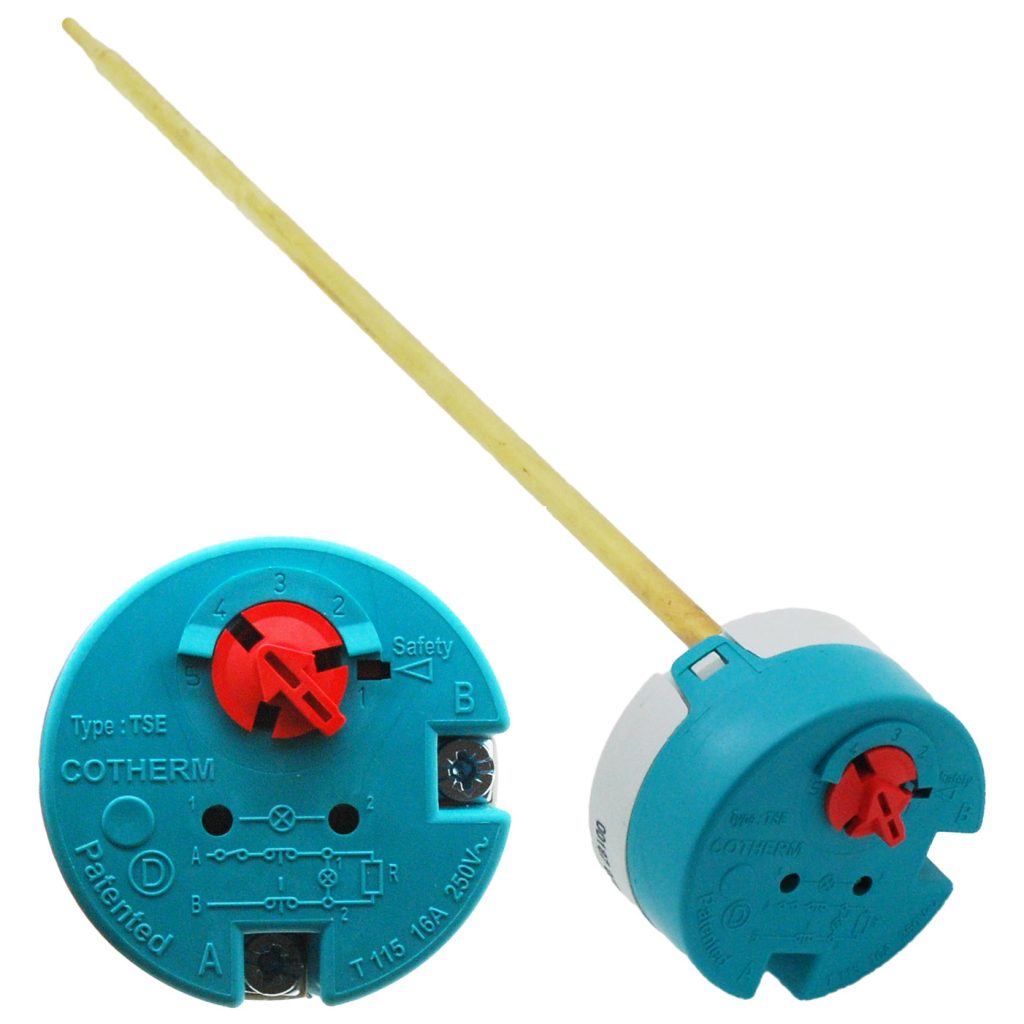
Immersion Thermostat & safety thermal cut-out in plumbing&heating water container

The bipolar thermal cut-out used in the kettle is shown in the figure below.
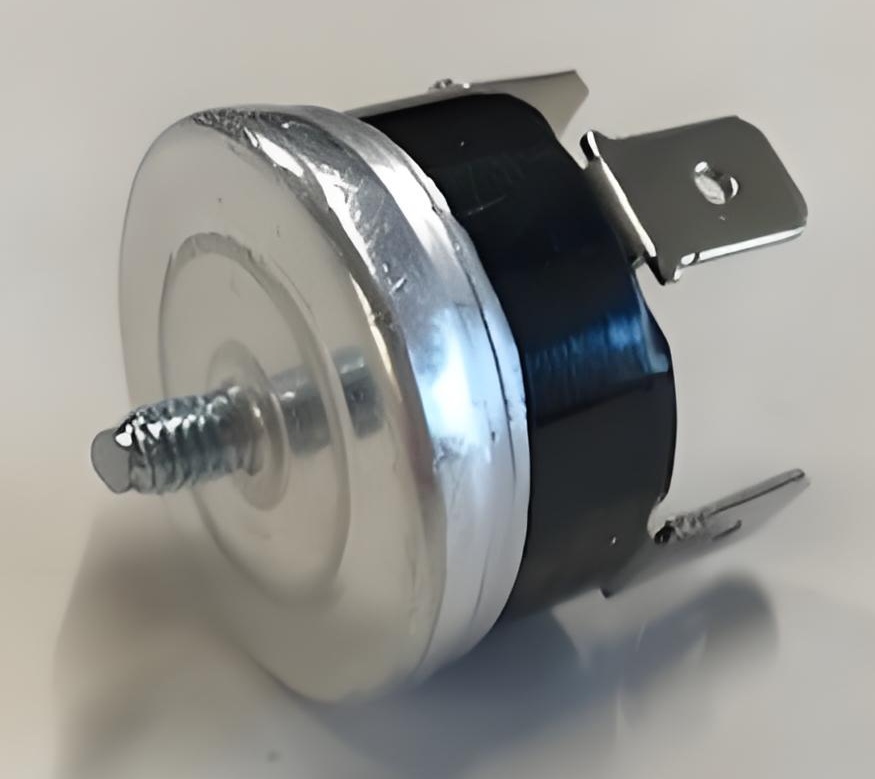
Dual Pole Thermal cut-out for Water boiler
Electric Water Dry Burn Overheat Protector, Bipolar Disconnection

The diagram below shows a three-pole thermal overload relay, which is an example of an all-pole disconnection device.
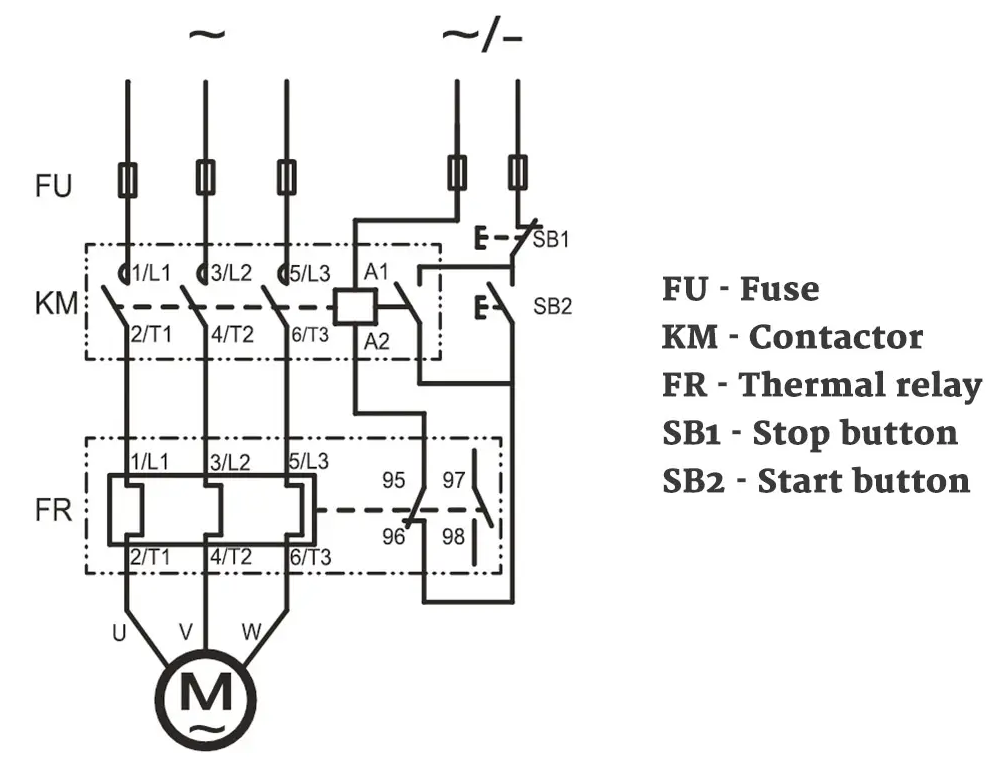
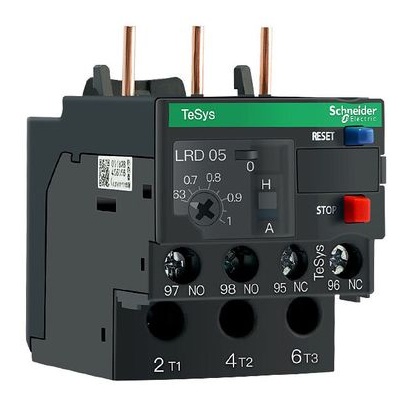
Thermal Overload Relay Working Principle Diagram
3-poles thermal overload relay

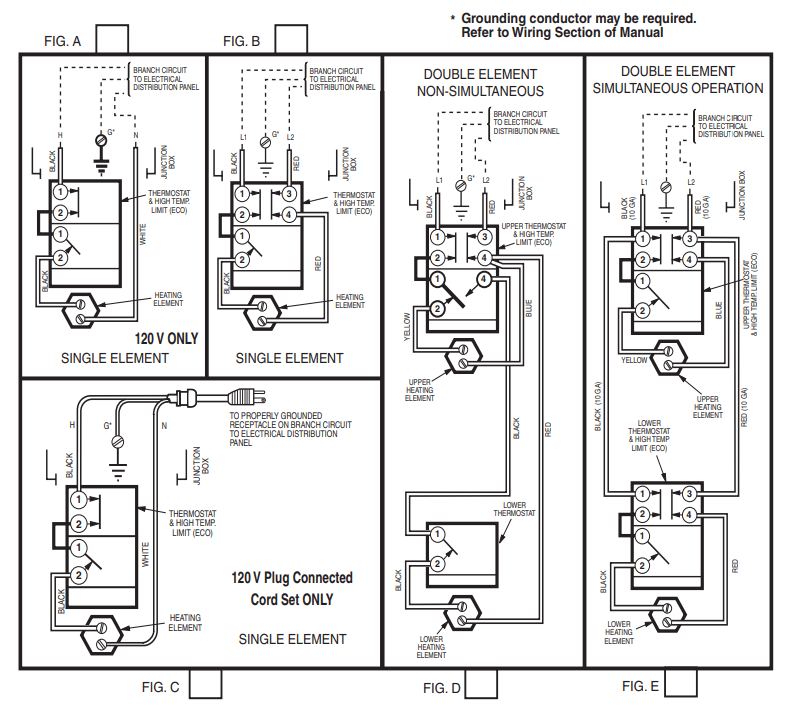
The wire connection diagram and the picture of thermal protective devices used in water heaters with container are shown in pictures below:
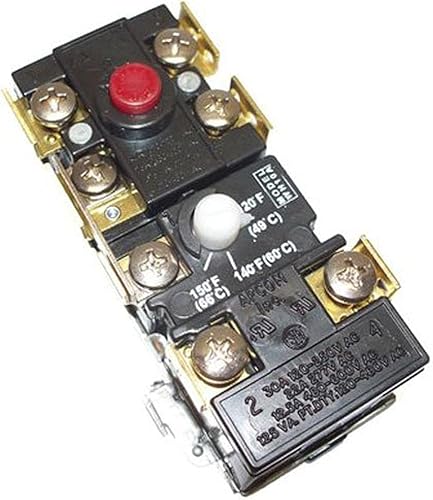
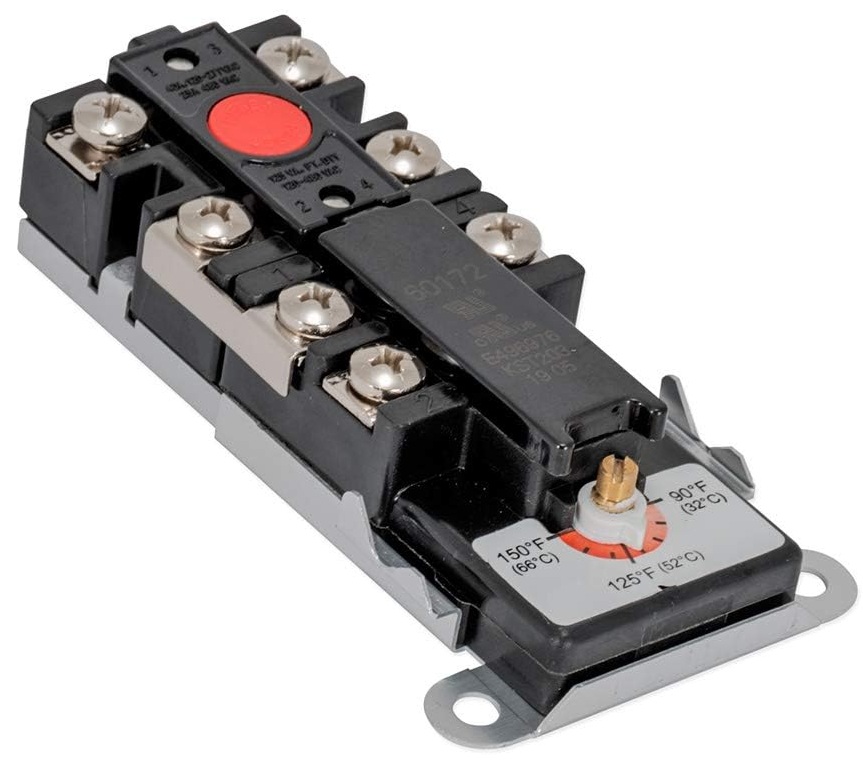
thermostat with temperature Adjustable one pole and 2-pole disconnection hand reset-1
thermostat with temperature Adjustable one pole and 2-pole disconnection hand reset
thermostat with temperature Adjustable one pole and 2-pole disconnection hand reset diagram

thermostat with temperature Adjustable one pole and 2-pole disconnection hand reset diagram.

Similar Posts

  • 第3項 – 「定格周波数範囲」の定義の見方

    定格周波数範囲: メーカーによって機器に割り当てられた周波数範囲。下限値と上限値で表されます。 範囲形式の定格周波数は、一般に 50 ~ 60 Hz ですが、世界のすべての国では主電源周波数が 50 Hz または 60 Hz のいずれかであり、中間の周波数値がないため、定義はあまり意味がありません。ただし、周波数範囲を 50 ~ 60 Hz の形式で指定するバイヤーまたはメーカーが依然として存在します。私の考えでは、不安定な商用電圧による周波数変動を考慮するためにも、50-60Hz は 50Hz 未満または 60Hz を超える状況を考慮していません。したがって、定格周波数を直接 50/60Hz とマークすることをお勧めします。

  • 第3項 「タイプZアタッチメント」の定義の見方

    タイプ Z アタッチメント: 製造元、そのサービス代理店、または同様の資格を持つ担当者が交換を行うための電源コードの取り付け方法。 一部の製品の電源コードは製品と一体成型されており、一般的な工具では取り外すことができません。または、一部の電化製品の電源コードは、接続後に熱硬化性材料によって電化製品にキャストされます。これらの同様の構造では、電源コードの交換作業を完了するには、電源コードに接続されている材料を破壊する必要があります。例:図のように水中ポンプのシェルに電源コードをエポキシ樹脂で流し込んでいます。電源コードを交換する場合は、注型エポキシ樹脂を破壊する必要があります。 ウォーターポンプ内部図

  • 第3項「定格入力」の定義の見方

    定格入力電力:メーカーによってアプライアンスに割り当てられた電源入力記入への注記 1: 機器に電源入力が割り当てられていない場合、加熱機器および複合機器の定格入力電力は、機器が定格電圧で供給され、通常の動作で動作したときに測定された電源入力です。 一般に、メーカーは、最大電力入力の条件下で定格電圧で動作する製品によって生成される入力電力に基づいて定格電力入力を決定する場合があります。これは、10 項の電源入力テストでは、製品が定格電圧で動作する必要があるためです。一部の製品には特殊なケースがある場合があり、これについては後続の章で説明します。 経験豊富な開発チームの場合、製品設計の初期段階で定格入力が決定され、開発者は設計プログラムに従って製品を設計します。また、開発者が設計スキームを持っておらず、製品試作後に定格入力を暫定的に確認するケースもあります。ルームヒーター(石英管ヒーター)などの製品の定格電圧はAC220Vですが、通常はAC220V電源で製品を使用することができ、ヒーターの動作状態は最高レベルの熱に設定されます(首振りやその他の機能がある場合)をオンにする必要もあります)。これは、実際の入力電力、丸め値を定格電力入力として記録します。したがって、第 10 項の電源入力試験を実行する場合、試験値と定格値が規格で指定された偏差範囲を超えた場合、第 10 項の要件を満たすように定格入力電力を変更することができます。 ほとんどの場合、アプライアンスには定格電力入力が与えられます。製品には定格入力電流のみが与えられる場合もありますが、実際のテストでは、規格により製品の動作状態を定格入力電力に基づいて判断することが求められています。このメモの情報に従って入力電力情報を決定することができます。これはまれな状況です。製品のテスト条件が定格入力電力に基づく場合、通常、製品には定格入力電力のラベルが付けられます。製品のメーカーが入力電力定格を指定していない場合でも、サードパーティの試験機関は通常、製品をテストするときに入力電力定格情報を要求します。これは、定格電圧 AC220V、定格電流入力 10A と表示され、定格電力入力のない石英管ルーム ヒーターの仮想的な例です。第 11 項の耐熱試験を実施する場合、規格では定格入力電力の 1.15 倍で製品を動作させることが求められています。この状況では、この記事の注記の情報を使用して定格電力入力を決定できます。暖房器具には通常、定格入力が表示されています。

  • 第 3 項 – 「通常の動作」の定義の理解方法

    通常動作: アプライアンスが主電源に接続されているときに通常の使用で動作する条件。 通常動作とは、通常、取扱説明書に定められた方法で動作している状態を指します。この動作モードは取扱説明書には記載されておらず、ユーザーは通常このように動作しませんが、標準で指定された方法で動作している状態を指す場合もあります。ここで、通常の動作はさまざまなパート II 標準で再定義される可能性があります。 冷蔵庫のパート 2 標準。通常の動作条件では、冷蔵庫の保管室を空にし、冷蔵庫の引き出しとドアを閉め、ユーザーが調整可能な温度制御を短絡または動作不能に設定する必要がある状態を示します。通常の動作は動作条件の 1 つにすぎません。通常の動作の標準的な定義は、最も過酷な動作条件を設定することを目的としている場合があります。

  • 第3項 「定格電圧範囲」の定義の見方

    定格電圧範囲:メーカーによって家電製品に割り当てられた電圧範囲。下限値と上限値で表されます。 この定義は、の定義を拡張したものです 定格電圧定格電圧 定格電圧、ただし、定格電圧が定義されていることはほとんどありません。 例えば、ヨーロッパの全EU加盟国市場を対象市場として設計された製品の場合、ほとんどのEU加盟国の商用電圧はAC 230Vですが、別途規定があればAC 240Vである国もあります定格電圧がAC230VまたはAC240Vの場合、本製品は国の定格電圧と異なる商用電圧では使用できません。このような状況を考慮し、AC220VとAC230V、AC240VをカバーするAC220~240Vの範囲で定格電圧を規定し、これら3つの商用電圧の国でも対応製品を使用できるようにしました。ここでは、AC220-240V または 220-240V~ がより一般的な形式です。 220 ~ 230V ~、380V ~ 415V ~、または 100 ~ 240V ~ (この状況のほとんどは、アダプターの定格入力電圧で電力供給されるアダプターの使用時に発生します) などもあります。製品の定格電圧は範囲が設定されているため、その電圧範囲における安全要件を規格に従って評価する必要があります。 For example, a product designed for the target market for the whole of Europe’s all EU member states market, most of the EU member states of the utility voltage is AC 230V,…

  • Clause 3 – How to understand the definition of “thermal link”

    thermal link: thermal cut-out which operates only once and requires partial or complete replacement It is a temperature sensing device, but it can only be operated once, when the temperature is higher than its set value, it will disconnect, and after disconnection, the current can not pass through, so as to play the role of…