Clause 3 – How to understand the definition of “electronic component”

electronic component: part in which conduction is achieved principally by electrons moving through a vacuum, gas or semiconductor.
NOTE Neon indicators are not considered to be electronic components.

Early vacuum tubes were components that allowed electrons to conduct in a vacuum and were the core components of old radios and televisions.
Electrons move through specific gases, colliding with gas molecules and causing them to emit light or conduct electricity. Examples include plasma display screens.
Electrons move through semiconductor materials such as silicon and germanium, and their conductivity can be precisely controlled through doping, electric fields, and other methods. Examples include transistors, integrated circuits (chips), diodes, triodes, MOSFETs (metal oxide semiconductor field effect transistors), and thermistors.
Note: “Neon indicator lights are not considered electronic components” is a very important qualification. Although neon lamps meet the definition of “electrons moving in a gas,” they are generally considered simple electric light sources.

The term “electronic component” generally refers to components (such as transistors and integrated circuits) that perform signal processing, control, and amplification functions in complex electronic circuits. Neon lamps are excluded because of their single function (indicating on/off) and simple structure.
Resistors, capacitors, and inductors are often referred to as passive components to distinguish them from active components (such as transistors and integrated circuits), which are not electronic components. Mechanical switches, thermostats, thermal cut-outs, pressure switches, motors, heating elements, batteries, and transformers are not electronic components.

This illustrates the subtle difference between theoretical and practical classifications.
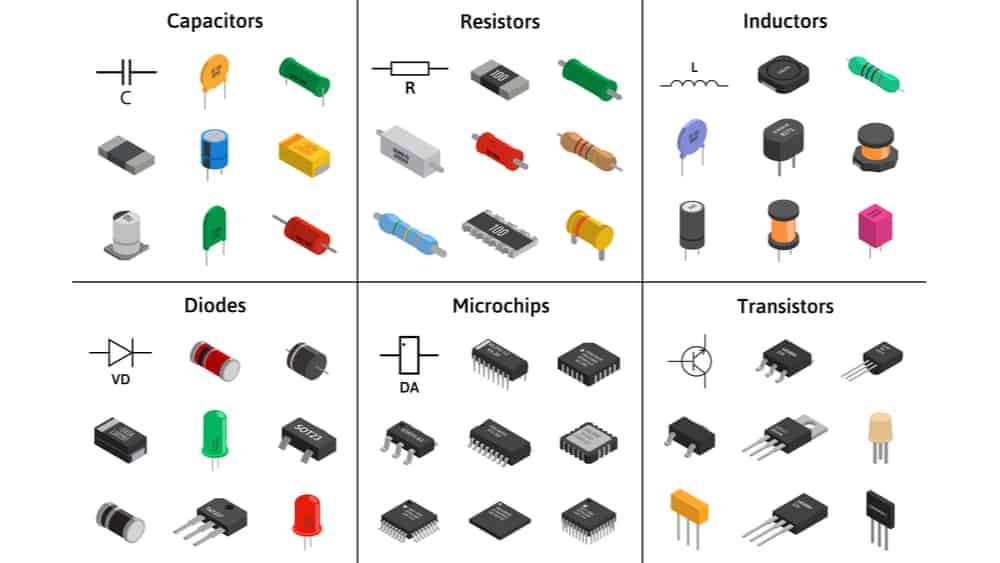
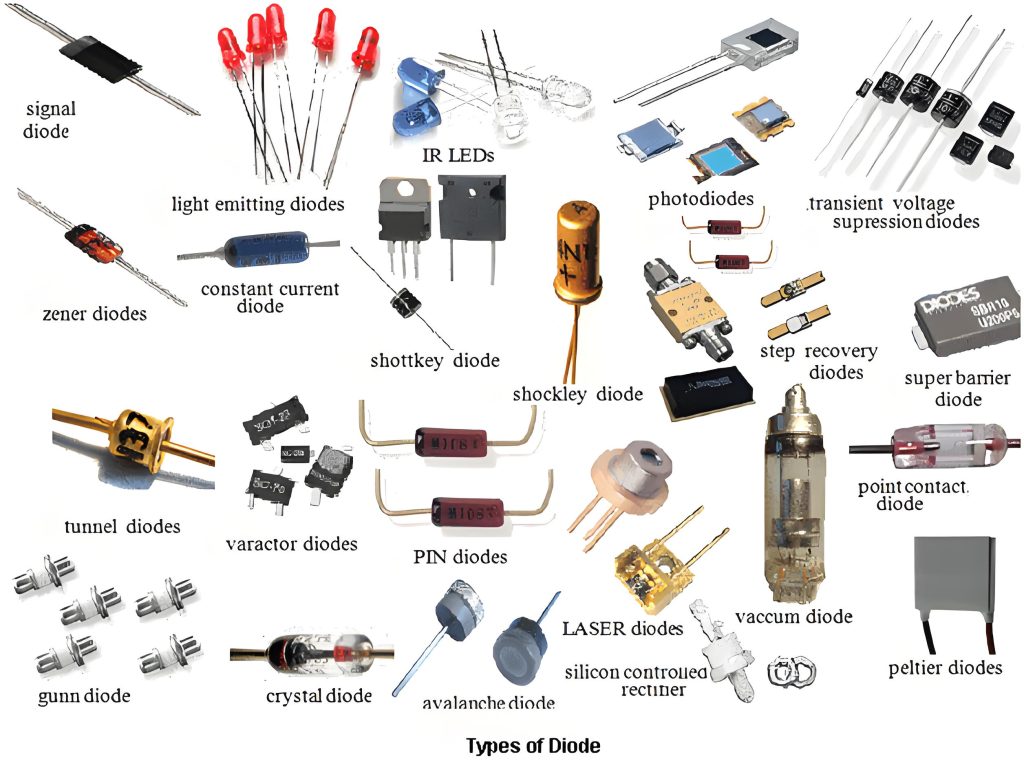
Names and pictures of various common electronic components
type of diode
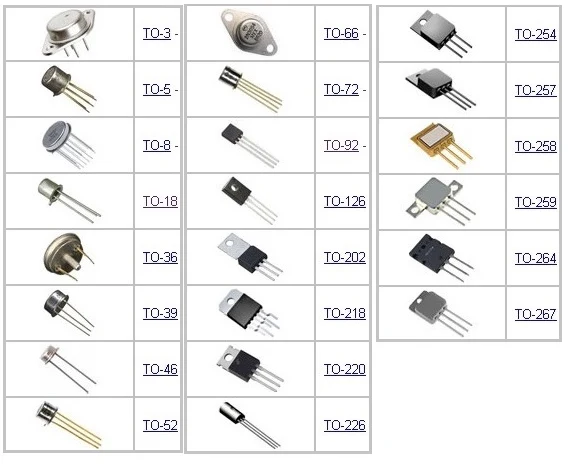
different packages of transistors

The main purpose of the definition of an electronic component is to show that electronic components are not completely reliable when they fulfil a protective function, but of course this unreliability is relative to non-electronic components.

Similar Posts

  • 第3項「定格入力」の定義の見方

    定格入力電力:メーカーによってアプライアンスに割り当てられた電源入力記入への注記 1: 機器に電源入力が割り当てられていない場合、加熱機器および複合機器の定格入力電力は、機器が定格電圧で供給され、通常の動作で動作したときに測定された電源入力です。 一般に、メーカーは、最大電力入力の条件下で定格電圧で動作する製品によって生成される入力電力に基づいて定格電力入力を決定する場合があります。これは、10 項の電源入力テストでは、製品が定格電圧で動作する必要があるためです。一部の製品には特殊なケースがある場合があり、これについては後続の章で説明します。 経験豊富な開発チームの場合、製品設計の初期段階で定格入力が決定され、開発者は設計プログラムに従って製品を設計します。また、開発者が設計スキームを持っておらず、製品試作後に定格入力を暫定的に確認するケースもあります。ルームヒーター(石英管ヒーター)などの製品の定格電圧はAC220Vですが、通常はAC220V電源で製品を使用することができ、ヒーターの動作状態は最高レベルの熱に設定されます(首振りやその他の機能がある場合)をオンにする必要もあります)。これは、実際の入力電力、丸め値を定格電力入力として記録します。したがって、第 10 項の電源入力試験を実行する場合、試験値と定格値が規格で指定された偏差範囲を超えた場合、第 10 項の要件を満たすように定格入力電力を変更することができます。 ほとんどの場合、アプライアンスには定格電力入力が与えられます。製品には定格入力電流のみが与えられる場合もありますが、実際のテストでは、規格により製品の動作状態を定格入力電力に基づいて判断することが求められています。このメモの情報に従って入力電力情報を決定することができます。これはまれな状況です。製品のテスト条件が定格入力電力に基づく場合、通常、製品には定格入力電力のラベルが付けられます。製品のメーカーが入力電力定格を指定していない場合でも、サードパーティの試験機関は通常、製品をテストするときに入力電力定格情報を要求します。これは、定格電圧 AC220V、定格電流入力 10A と表示され、定格電力入力のない石英管ルーム ヒーターの仮想的な例です。第 11 項の耐熱試験を実施する場合、規格では定格入力電力の 1.15 倍で製品を動作させることが求められています。この状況では、この記事の注記の情報を使用して定格電力入力を決定できます。暖房器具には通常、定格入力が表示されています。

  • Clause 3 – How to understand the definition of “heating appliance”

    heating appliance: appliance incorporating heating elements but without any motor. Before introducing this definition, we need to briefly introduce the electric heating elements commonly used in household electrical appliances. PTC heating element: PTC (Positive Temperature Coefficient) heating elements are widely used for various heating applications because of their self-regulating properties and safety features. Here are…

  • 第3項 「定格周波数」の定義の見方

    定格周波数: メーカーによってアプライアンスに割り当てられた周波数。 一般に、定格周波数は、製品設計時の対象市場国の標準実用周波数です。世界中で実用周波数は 50 Hz と 60 Hz の 2 つだけであるため、値は 50 Hz または 60 Hz、または 50 と 60 Hz の両方のみになります。 定格周波数、定格電流または定格電力入力、定格電圧などは、機器を特徴付ける基本パラメータであり、対象市場のニーズやユーティリティ条件から導き出されます。規格に従って試験を行う場合、これらのパラメータに従って試験条件を設定します。したがって、これらのパラメータはテスト前に確認する必要があります。確認しないと、作業の重複が生じ、誤ったテスト結果が生成されます。

  • 第3項 「定格電圧」の定義の見方

    定格電圧:メーカーによってアプライアンスに割り当てられた電圧。 通常、この電圧は、製品設計時の対象市場の国の標準商用電圧です。ターゲット市場が決定したら、メーカーはターゲット市場の要件に従って製品を設計する必要があります。商用電源がAC220Vの国で使用することを目的として、定格電圧AC100V(電源入力電圧)の製品を設計することはできません。同時に、ほとんどの国では主電源電圧が定義されているため、ここでの定格電圧値は別の値になります。国際電気標準会議は、すべての国のプラグと主電源電圧に関する情報をリストした Web ページを提供しています。 https://iectest.iec.ch/world-plugs。参考までに IEC 60335-1 規格では、製品に電力を供給すること、または製品が動作状態にあることを必要とするすべてのテストは定格電圧に基づいています。定格電圧の選択が間違っている場合は、すべてのテストを繰り返す必要があります。研究室は、テストを実行する前に定格電圧を決定する必要があります。 IEC 60335-1 では、定格電圧を設定すべき定格電圧の値や範囲は規定されていませんが、実際には定格電圧の範囲は第 1 項の最初の段落で参考として示されており、これは定格電圧を設定するものではありません。単相の場合は 250 V、三相およびその他の電源タイプの機器の場合は 480 V を超えます。一般に、定格電圧はこの範囲を超えることはありません。各国が IEC 60335-1 規格に基づいて独自の偏差を追加しており、これらの偏差により一般に定格電圧要件が増加することに注意することが重要です。たとえば、日本では 100V、英国では 240V、中国では 220V です。 A クラス I バッテリ充電器の PDSH 2235 には、定格供給特性 3N~ および定格電圧 400V がマークされているという決定があります。 このバッテリ充電器は、250 V 以下の指定定格電圧制限に関して IEC 60335-2-29:2016 の範囲内にありますか?決定回答:規格の範囲によれば、定格電圧 400V(3N~)の充電器は IEC 60335-2-29 の対象外となります。

  • Clause 3 – How to Understand the Definition of “off position”

    off position: stable position of a switching device in which the circuit controlled by the switch is disconnected from its supply or, for electronic disconnection, the circuit is de-energized.NOTE The off position does not imply an all-pole disconnection. With reference to the content in the NOTE, both all-pole disconnection and single-pole disconnection are a stable…

  • 第 3 項 – 「クラス 0I アプライアンス」の定義の理解方法

    クラス 0I 機器:全体に少なくとも基礎絶縁があり、接地端子が組み込まれているが、接地線のない電源コードと接地接点のないプラグを備えた機器 機器には外部保護導体(保護接地導体)を接続するための端子がありますが、固定配線には機器と保護導体を接続するための電線がなく、機器内部に接地導通を伝えるための配線や構造が設けられている場合があります。 日本では、以下のようなクラス0I機器専用のプラグがあります。 私の理解では、現在、クラス 0I 機器を使用しているのは日本だけです。通常、電源コードにはアース線が付いていますが、プラグ内のアースピンによってアースは行われません。代わりに、ツールを使用して別の端子または接地リングを接続し、効果的な接地を実現します。同様に、アプライアンスにもアース端子があります。設置前、この端子は外部配線に接続されておらず、通常は使用中および設置中に接続されます。