Clause 3 – How to understand the definition of “temperature limiter”

temperature limiter: temperature-sensing device, the operating temperature of which may be either fixed or adjustable and which during normal operation operates by opening or closing a circuit when the temperature of the controlled part reaches a pre-determined value.
Note 1 to entry: A temperature limiter does not make the reverse operation during the normal duty cycle of the appliance. It may or may not require manual resetting.
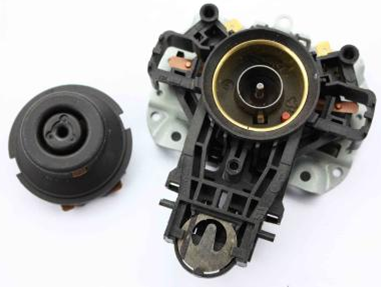
As you can see in the picture above, this is a temperature limiter for an electric kettle. As far as I know, temperature limiter are only used in electric kettles. There may be other household appliances that use a temperature limiter, but the appliance where the temperature limiter is used the most is the kettle. The definition of thermostat is similar to temperature limiter’s definition that is “normal operation”, in that they both specify that the part can only be operated during normal operation.

Similar Posts

  • 第 3 項 – 「クラス III 機器」の定義の理解方法

    クラスⅢ機器:感電に対する保護が安全特別低電圧の供給に依存しており、安全特別低電圧以上の電圧が発生しない機器注記 SELV での供給に加えて基礎絶縁が必要になる場合があります。 8.1.4を参照してください。 「安全特別低電圧」の4文字には「安全」という文字が入っておりますが、これはSELVが安全であるという意味ではなく、直接触れても安全であるとは限りません。規格 8.1.4 の要件を満たす安全特別低電圧回路のみに直接触れることができます。これについては、8.1.4 項を分析する際に具体的に分析して説明します。 下図に示すファンはクラス III アプライアンスとして定義できます。ただし、このファンには 2 つの耳があるため、第 22.44 条に準拠していません。詳細は後ほど説明させていただきます。 The fan shown in the figure below can be defined as a class III appliance. However, this fan has two ears, which makes it not compliant with clause 22.44. We will explain the details later.

  • Clause 3 – How to understand the definition of “non-self-resetting thermal cut-out”

    non-self-resetting-thermal cut-out: thermal cut-out that requires a manual operation for resetting, or replacement of a part, in order to restore the current.NOTE Manual operation includes disconnection of the appliance from the supply mains. The thermal cut-out is equipped with a temperature-sensitive component, typically a bimetallic strip or a thermistor, which reacts to heat. As the…

  • Clause 3 – How to understand the definition of “electronic component”

    electronic component: part in which conduction is achieved principally by electrons moving through a vacuum, gas or semiconductor.NOTE Neon indicators are not considered to be electronic components. Early vacuum tubes were components that allowed electrons to conduct in a vacuum and were the core components of old radios and televisions.Electrons move through specific gases, colliding…

  • 第3項 「定格周波数」の定義の見方

    定格周波数: メーカーによってアプライアンスに割り当てられた周波数。 一般に、定格周波数は、製品設計時の対象市場国の標準実用周波数です。世界中で実用周波数は 50 Hz と 60 Hz の 2 つだけであるため、値は 50 Hz または 60 Hz、または 50 と 60 Hz の両方のみになります。 定格周波数、定格電流または定格電力入力、定格電圧などは、機器を特徴付ける基本パラメータであり、対象市場のニーズやユーティリティ条件から導き出されます。規格に従って試験を行う場合、これらのパラメータに従って試験条件を設定します。したがって、これらのパラメータはテスト前に確認する必要があります。確認しないと、作業の重複が生じ、誤ったテスト結果が生成されます。

  • 第3項「危険な故障」の定義の見方

    危険な誤動作:安全性を損なう可能性のある機器の意図しない動作。 機器自体が仕様どおりに動作せず、安全を危険にさらす可能性があります。ファンなど、内部 AC 非同期モーターの始動コンデンサーが短絡または開回路の形で故障しました。エアコンの場合、室内側の排水管の出口が詰まり、水が排水できずに水が溢れた。 ここで重要なのは「意図しない動作」を理解することです。 「意図せぬ」の対義語は「意図的」です。一般的に言えば、規格には「意図された動作」に関する要件はありません。ここで、恐ろしい例を紹介しましょう。誰かが電気アイロンを使用して他人の頭を叩いた場合、基準は、たとえ電気アイロンを使用したとしても、その人の頭を傷つけてはいけないことを要求していません。

  • 第 3 項 – 「安全絶縁変圧器」の定義の理解方法

    安全絶縁変圧器:安全超低電圧で機器または回路に供給することを目的とした、少なくとも二重絶縁または強化絶縁と同等の絶縁によって入力巻線が出力巻線から電気的に分離された変圧器 ここで言う変圧器は、機器や回路に電力を供給するために使用されます。最も一般的な変圧器は回路に電力を供給し、いくつかの変圧器は電化製品に電力を供給します。ここで重要となるのは入力巻線と出力巻線の絶縁対策であり、二重絶縁もしくは強化絶縁タイプ、または同等の絶縁が必要となります。この要件は、一次巻線と二次巻線が十分な絶縁を有することを保証することです。絶縁が十分であれば、変圧器の一次巻線と二次巻線間の絶縁は比較的安全です。二重の保護予防策。 スイッチの電源基板に使用される最初の種類のトランス。このタイプの変圧器は、同じ磁気コア上に一次巻線と二次巻線を重ね合わせます。したがって、一次側と二次側の間の沿面距離と電気的空間を確保するために、巻線を上下の端面に配置することはできません。以下の図に示すように、巻線は上下の端面から一定の距離にある必要があります。 安全絶縁トランスの全体図 安全絶縁トランスの全体図 The other is a drawer-type linear transformer, as shown below: