Clause 3 – How to understand the definition of “electronic component”

electronic component: part in which conduction is achieved principally by electrons moving through a vacuum, gas or semiconductor.
NOTE Neon indicators are not considered to be electronic components.

Early vacuum tubes were components that allowed electrons to conduct in a vacuum and were the core components of old radios and televisions.
Electrons move through specific gases, colliding with gas molecules and causing them to emit light or conduct electricity. Examples include plasma display screens.
Electrons move through semiconductor materials such as silicon and germanium, and their conductivity can be precisely controlled through doping, electric fields, and other methods. Examples include transistors, integrated circuits (chips), diodes, triodes, MOSFETs (metal oxide semiconductor field effect transistors), and thermistors.
Note: “Neon indicator lights are not considered electronic components” is a very important qualification. Although neon lamps meet the definition of “electrons moving in a gas,” they are generally considered simple electric light sources.

The term “electronic component” generally refers to components (such as transistors and integrated circuits) that perform signal processing, control, and amplification functions in complex electronic circuits. Neon lamps are excluded because of their single function (indicating on/off) and simple structure.
Resistors, capacitors, and inductors are often referred to as passive components to distinguish them from active components (such as transistors and integrated circuits), which are not electronic components. Mechanical switches, thermostats, thermal cut-outs, pressure switches, motors, heating elements, batteries, and transformers are not electronic components.

This illustrates the subtle difference between theoretical and practical classifications.
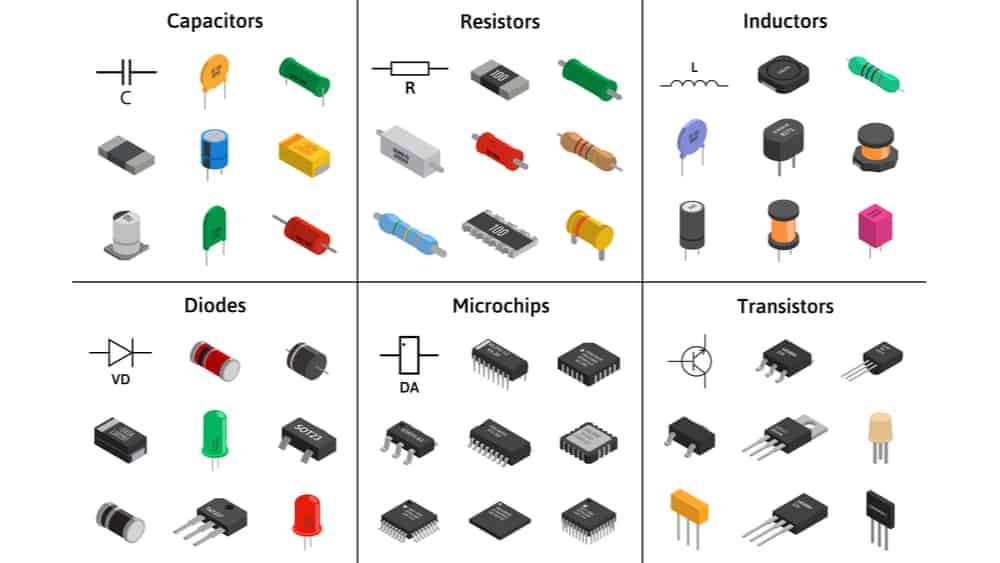
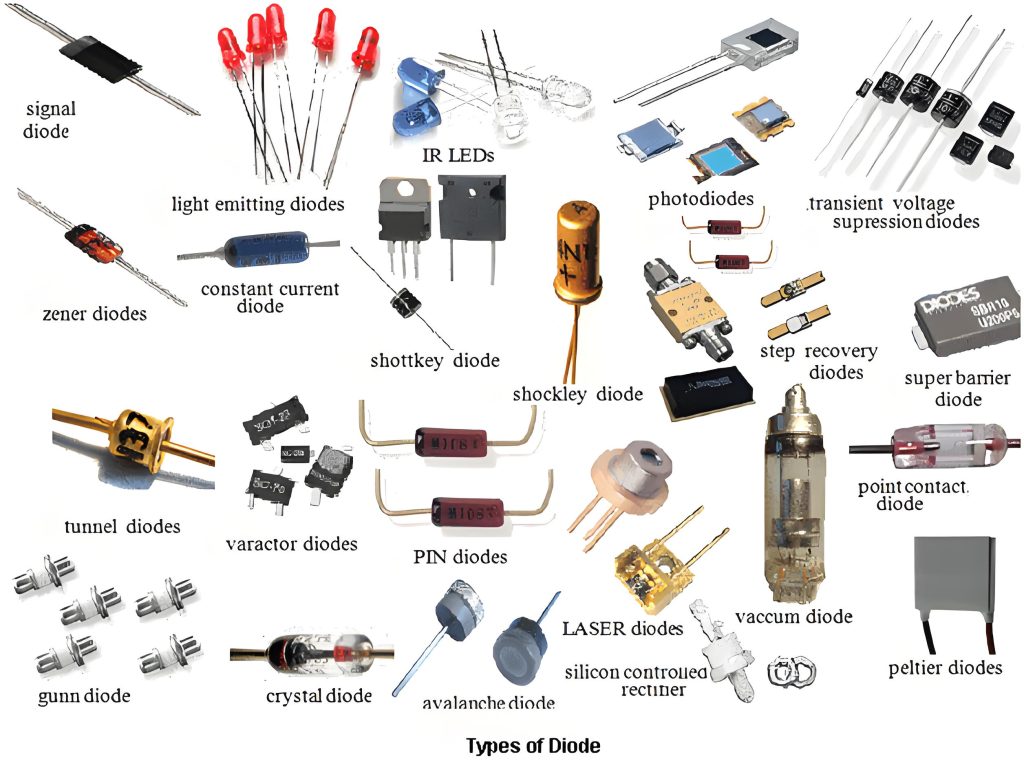
Names and pictures of various common electronic components
type of diode
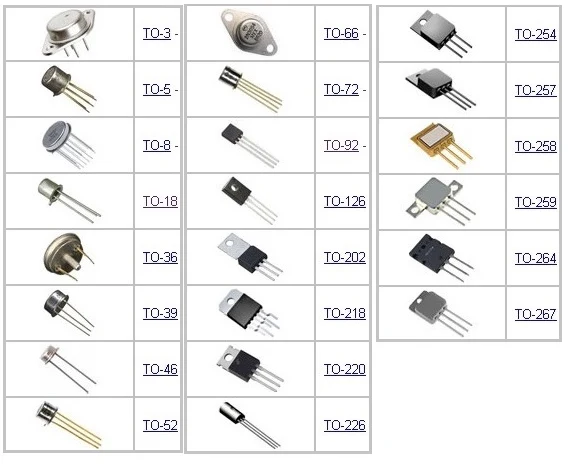
different packages of transistors

The main purpose of the definition of an electronic component is to show that electronic components are not completely reliable when they fulfil a protective function, but of course this unreliability is relative to non-electronic components.

Similar Posts

  • ข้อ 3 – จะเข้าใจคำจำกัดความของ “ระยะห่างที่คืบคลาน” ได้อย่างไร

    คำจำกัดความของระยะห่างตามผิวฉนวนมาจากมาตรฐาน IEC 60664-1:2020 เนื่องจากเราต้องอธิบายระยะตามผิวฉนวน เราจึงต้องแสดงรูปภาพรูปที่ 4 ถึงรูปที่ 14 ในมาตรฐาน IEC 60664-1:2020 ในที่นี้ ผู้อ่านจะต้องพิจารณาอย่างรอบคอบถึงวิธีการกำหนด “X mm” หากมีร่องบนเส้นทางที่ทำให้เกิดระยะตามผิวฉนวน ก็จะมีสถานการณ์ร่องสะพาน โดยส่วนตัวผมคิดว่าสาเหตุหลักในการเชื่อมโยงคือการสะสมของสารมลพิษในร่อง มลพิษเหล่านี้ส่วนใหญ่เป็นฝุ่น และฝุ่นชื้นจะนำไฟฟ้าได้มากกว่า ดังนั้นการคัดลอกข้อความต้นฉบับของมาตรฐานจึงมีสมมติฐาน 3 ข้อดังต่อไปนี้: – ในกรณีที่ระยะห่างข้ามร่องน้อยกว่าความกว้าง X ที่ระบุ (ดูตารางที่ 1) ระยะห่างตามผิวฉนวนจะถูกวัดโดยตรงผ่านร่องและไม่คำนึงถึงรูปร่างของร่อง (ดูรูปที่ 4) – โดยที่ระยะห่างข้ามร่องเท่ากับหรือมากกว่าความกว้าง X ที่ระบุ (ดูตารางที่ 1) ระยะตามผิวฉนวนจะถูกวัดตามแนวโครงร่างของร่อง (ดูรูปที่ 5)– ช่องใดๆ ให้ถือว่าต่อเชื่อมด้วยตัวต่อฉนวนที่มีความยาวเท่ากับความกว้าง X ที่ระบุ และวางไว้ในตำแหน่งที่ให้ผลเสียมากที่สุด (ดูรูปที่ 6)– ระยะห่างจากอากาศและระยะห่างตามผิวฉนวนที่วัดระหว่างชิ้นส่วนซึ่งสามารถรับตำแหน่งที่แตกต่างกันโดยสัมพันธ์กัน ให้วัดเมื่อชิ้นส่วนเหล่านี้อยู่ในตำแหน่งที่ไม่เอื้ออำนวยที่สุดรูปที่ 4 – ข้ามร่องเงื่อนไข: เส้นทางที่พิจารณาประกอบด้วยร่องด้านขนานหรือบรรจบกันทุกความลึกที่มีความกว้างน้อยกว่า X…

  • Clause 3 – How to understand the definition of “non-detachable part”

    non-detachable-part: part that can only be removed or opened with the aid of a tool or a part that fulfils the test of 22.11. The definition of this concept is mainly for the judgment of clause 8 and clause 20, and the judgment of other clauses may also be used. On the appliance, whether any…

  • ข้อ 3 – วิธีทำความเข้าใจคำจำกัดความของ “อุปกรณ์คลาส 0”

    เครื่องใช้ไฟฟ้าชนิดนี้ไม่มีอุปกรณ์ป้องกันสายดิน และในขณะเดียวกัน ฉนวนเพียงชั้นเดียวเท่านั้นที่พันชิ้นส่วนที่มีไฟฟ้า หรือใช้ฉนวนชั้นหนึ่งเพื่อแยกผู้ใช้ออกจากชิ้นส่วนที่มีไฟฟ้า ประเทศส่วนใหญ่ไม่ยอมรับเครื่องใช้ไฟฟ้า Class 0 เฉพาะบางประเทศที่มีแรงดันไฟฟ้าหลัก (แรงดันไฟฟ้า) 100V เช่น ญี่ปุ่น และ 120V เช่น สหรัฐอเมริกาและเม็กซิโก เท่านั้นที่ยอมรับเครื่องใช้ไฟฟ้า Class 0 จำเป็นต้องกล่าวถึงที่นี่ว่าเพื่อให้ได้พลังงานอินพุตเท่ากัน (เช่น เครื่องทำความร้อนในห้องที่มีกำลังไฟเข้าพิกัด 3000W) ยิ่งแรงดันไฟฟ้าที่กำหนดต่ำลง กระแสไฟทำงานที่สอดคล้องกันก็จะยิ่งมากขึ้นเท่านั้น ในทางตรงกันข้าม ถ้าแรงดันไฟฟ้าที่กำหนดสูง กระแสอินพุตที่สอดคล้องกันจะต่ำ ในกรณีที่มีกระแสไฟสูง การให้ความร้อนกับชิ้นส่วนที่นำกระแสไฟฟ้าในผลิตภัณฑ์จะรุนแรงมากขึ้น และความเป็นไปได้ที่จะเกิดเพลิงไหม้ก็จะมากขึ้น ดังนั้นข้อกำหนดในการป้องกันอัคคีภัยจึงเข้มงวดมากขึ้น ในกรณีของกระแสไฟฟ้าแรงต่ำและไฟฟ้าแรงสูง การให้ความร้อนของชิ้นส่วนที่นำกระแสไฟฟ้าไม่ร้ายแรง แต่เนื่องจากไฟฟ้าแรงสูง ความเป็นไปได้ที่ฉนวนจะแตกจะมีมากขึ้น และข้อกำหนดการป้องกันไฟฟ้าช็อตที่สอดคล้องกันจึงเข้มงวดมากขึ้น นี่คือสาเหตุที่มาตรฐานซีรีส์ IEC 60335 จึงมีข้อกำหนดสูงในการป้องกันไฟฟ้าช็อต ผู้เขียนหลักของมาตรฐาน IEC 60335 เป็นผู้เชี่ยวชาญจากประเทศที่มีแรงดันไฟฟ้า 220-240V ในขณะที่ชุดมาตรฐาน UL ของสหรัฐอเมริกามีข้อกำหนดที่เข้มงวดยิ่งขึ้นในการป้องกันอัคคีภัย โดยปกติไม่มีอุปกรณ์ดังกล่าวที่ชิ้นส่วนที่มีไฟฟ้าทั้งหมดได้รับการปกป้องด้วยฉนวนพื้นฐานเท่านั้น เป็นเรื่องปกติที่การวัดการป้องกันไฟฟ้าช็อตส่วนใหญ่ยังคงสามารถตอบสนองข้อกำหนดของฉนวนสองชั้นหรือฉนวนเสริมได้ แน่นอนว่ายังมีฉนวนพื้นฐานพร้อมโครงสร้างป้องกันสายดินด้วย สถานการณ์ทั่วไปคือมีปลอกสายไฟเพียงชั้นเดียวบนสายไฟ และระดับการป้องกันของอุปกรณ์ถูกกำหนดโดยฉนวนพื้นฐานของสายไฟ นั่นคือ…

  • Clause 3 – How to understand the definition of “detachable power supply part”

    detachable power supply part: part of the appliance the output of which is intended to be detachable from the class III construction part of the appliance.Note 1 to entry: Means of detachment are a flexible cord and connector or an appliance outlet fitted to the detachable power supply part. This actually defines a detachable adapter….

  • Clause 3 – How to understand the definition of “stationary appliance”

    stationary appliance: fixed appliance or an appliance which is not a portable appliance. Stationary appliance includes fixed appliance and not a portable appliance. The characteristic of a stationary appliance is that once it is put into use, it will be placed in a fixed position. At the same time, the position of the appliances will…