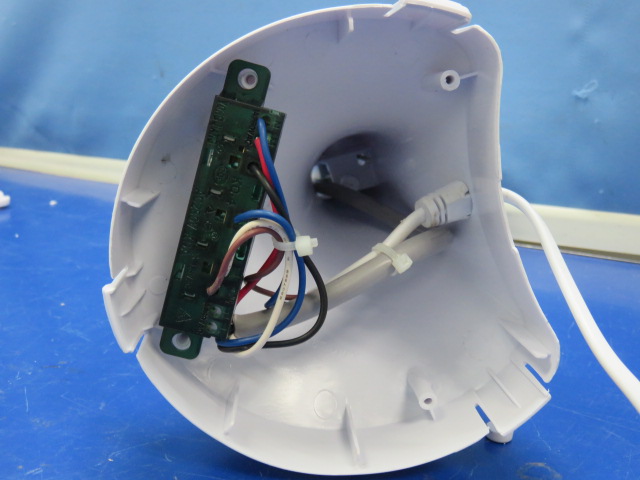
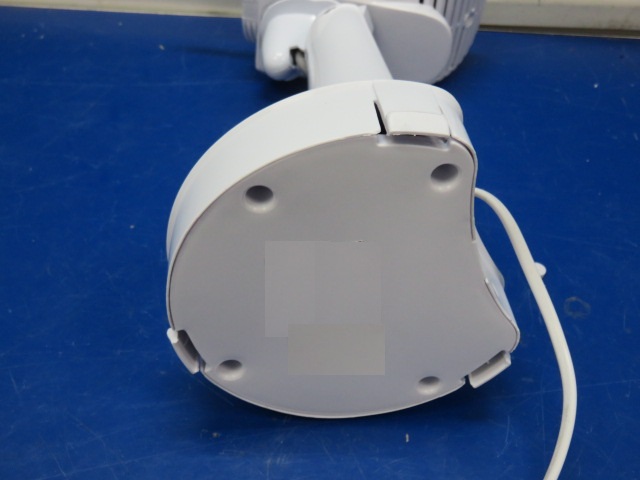
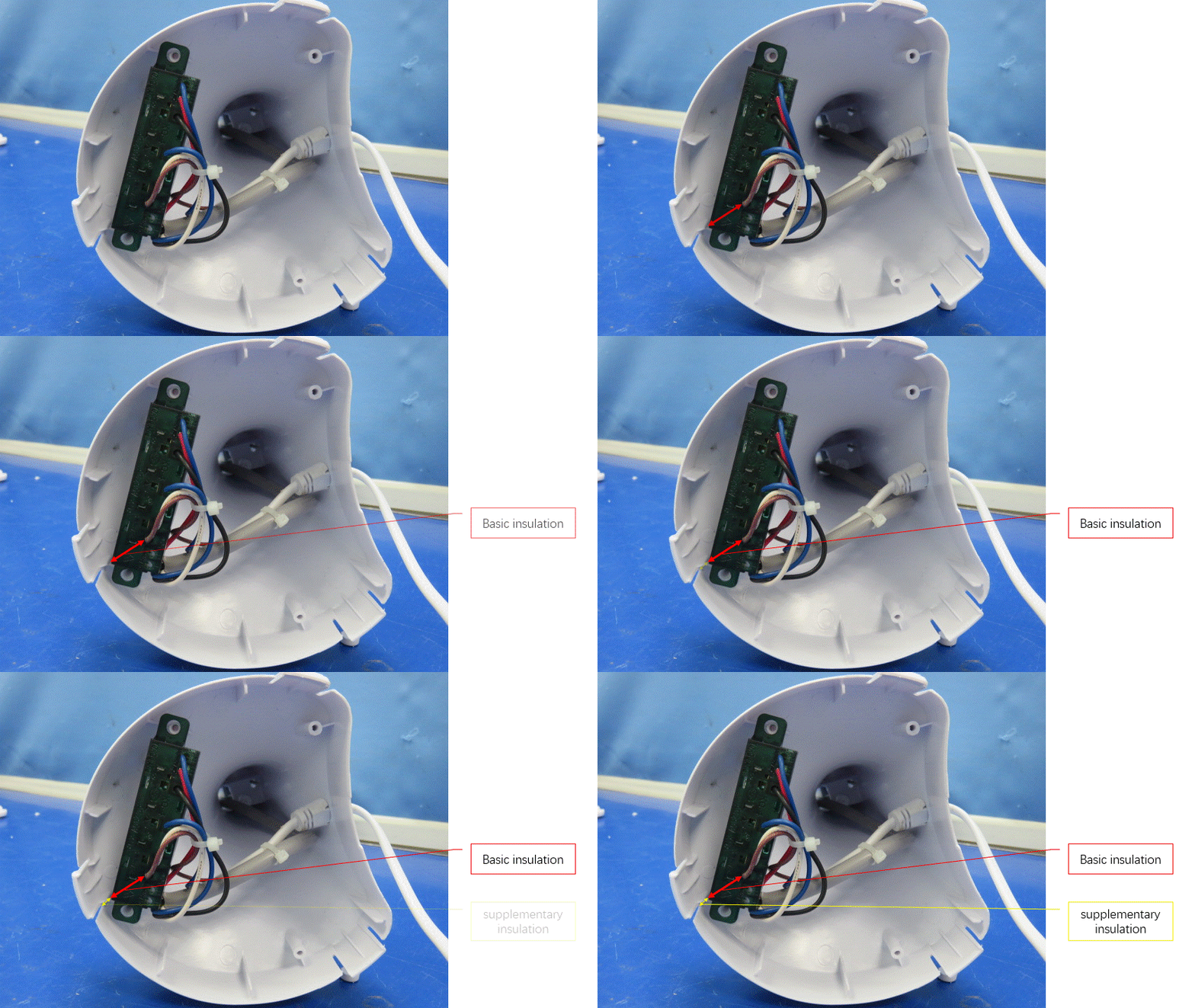
As shown in the following two pictures(fan), the internal lead wires sheath in the left picture is basic insulation, and the bottom plate of the outer casing is additional insulation.
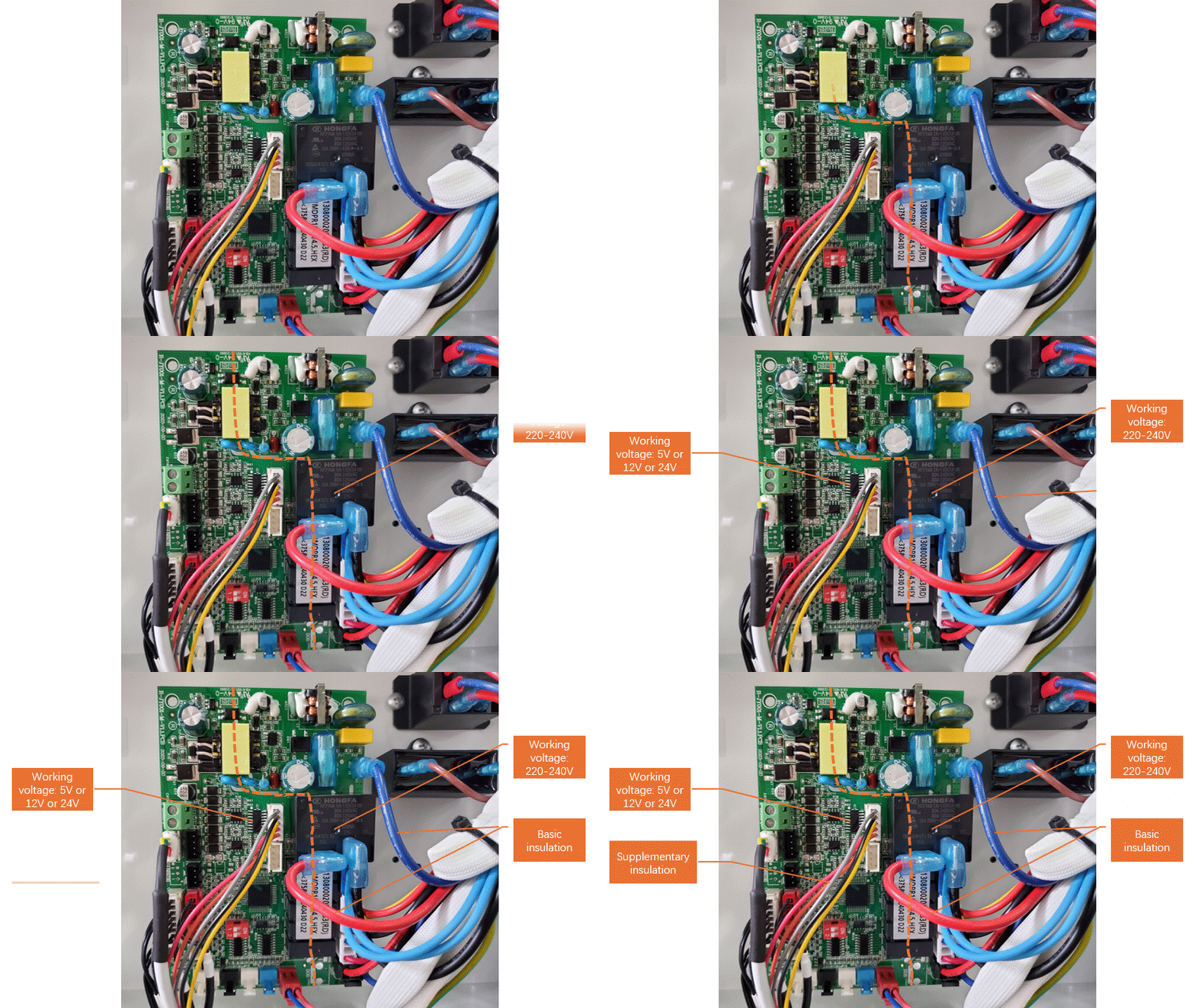
The following circuit board picture has an animation effect. The right side of the dotted line is the inaccessible part with a working voltage of 220-240V, and the left side of the dotted line is the accessible part with a maximum working voltage of 24V (assuming that the structure at the location of the dotted line has met the requirements of double insulation or reinforced insulation). In order to ensure effective isolation, generally speaking, the wires on the right side of the dotted line (red and blue internal wires) cannot touch the relatively thin internal wires on the left. The wire sheath of the right wire is basic insulation, because the wire sheath is in direct contact with the live parts and is the first layer of protection for the live parts. The wire sheath of the left wire can only be defined as supplementary insulation, but whether it meets the requirements for supplementary insulation in clause 29.3 will be analyzed when introducing clause 29.3. It should be noted here that the wire sheath of the left wire cannot be defined as basic insulation, and the wire sheath of the right wire cannot be supplementary insulation.
visibly glowing heating element: heating element that is partly or completely visible from the outside of the appliance and has a temperature of at least 650 °C when the appliance has been operated under normal operation at rated power input until steady conditions have been established. The heating element needs to be able to emit…
built-in appliance: fixed appliance intended to be installed in a cabinet, in a prepared recess in a wall or in a similar location. Here, because the appliance must be installed in a reserved position (usually a cubic space with only one side open), it is a fixed installation and can be regarded as a fixed…
portable appliance: appliance that is intended to be moved while in operation or an appliance, other than a fixed appliance, having a mass less than 18 kg. This item is relatively easy to understand. Products that are less than 18kg are relatively light, so they are easy to move during operation, including humidifiers, fans, air…
PTC heating element: element intended for heating consisting mainly of positive temperature coefficient resistors that are thermally sensitive and have a rapid non-linear increase in resistance when the temperature is raised through a particular range. As the temperature increases, the resistance of the heating element of the PTC heating element increases. The relationship between temperature…