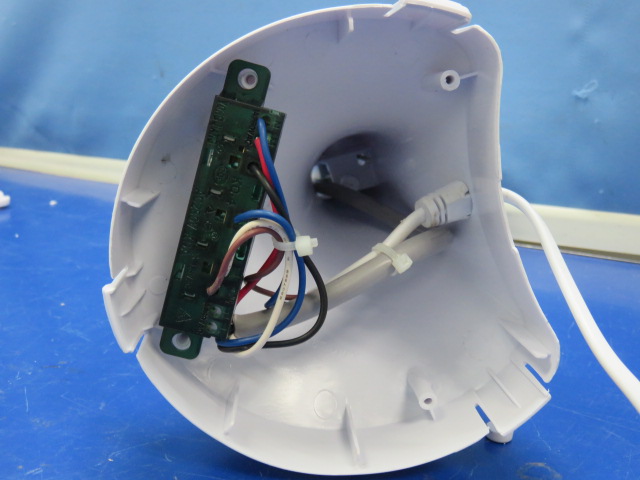
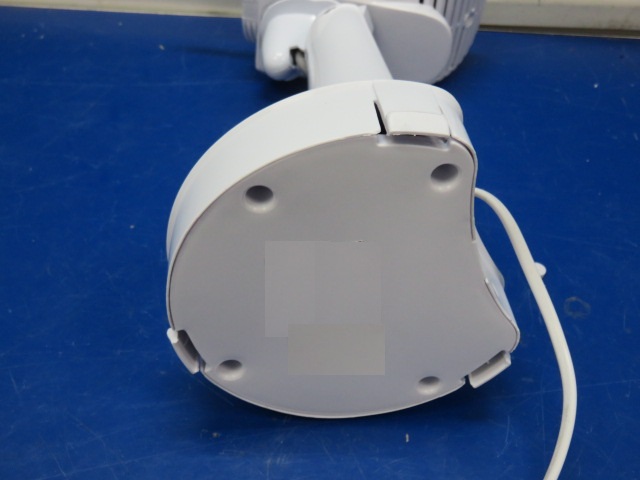
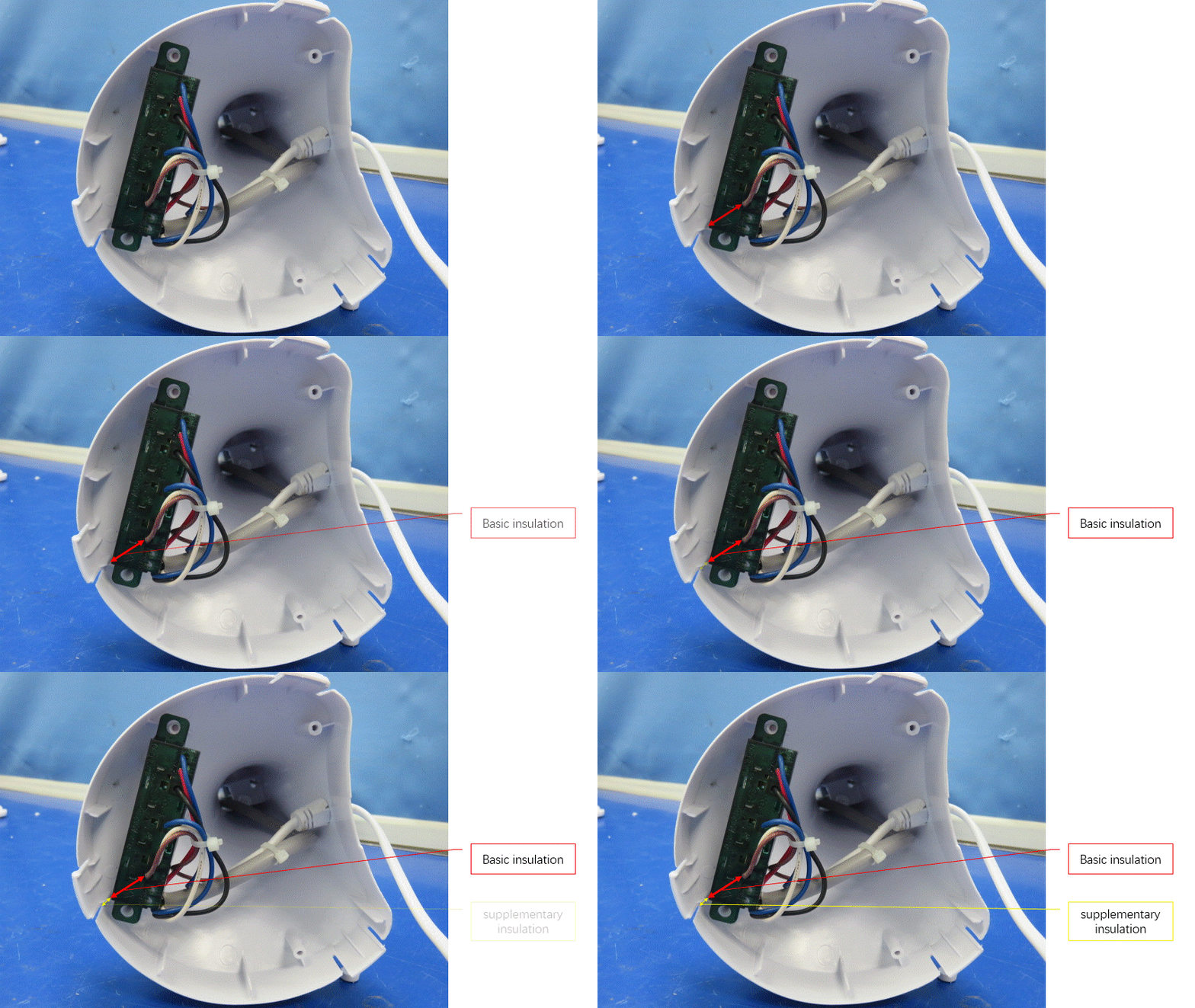
As shown in the following two pictures(fan), the internal lead wires sheath in the left picture is basic insulation, and the bottom plate of the outer casing is additional insulation.
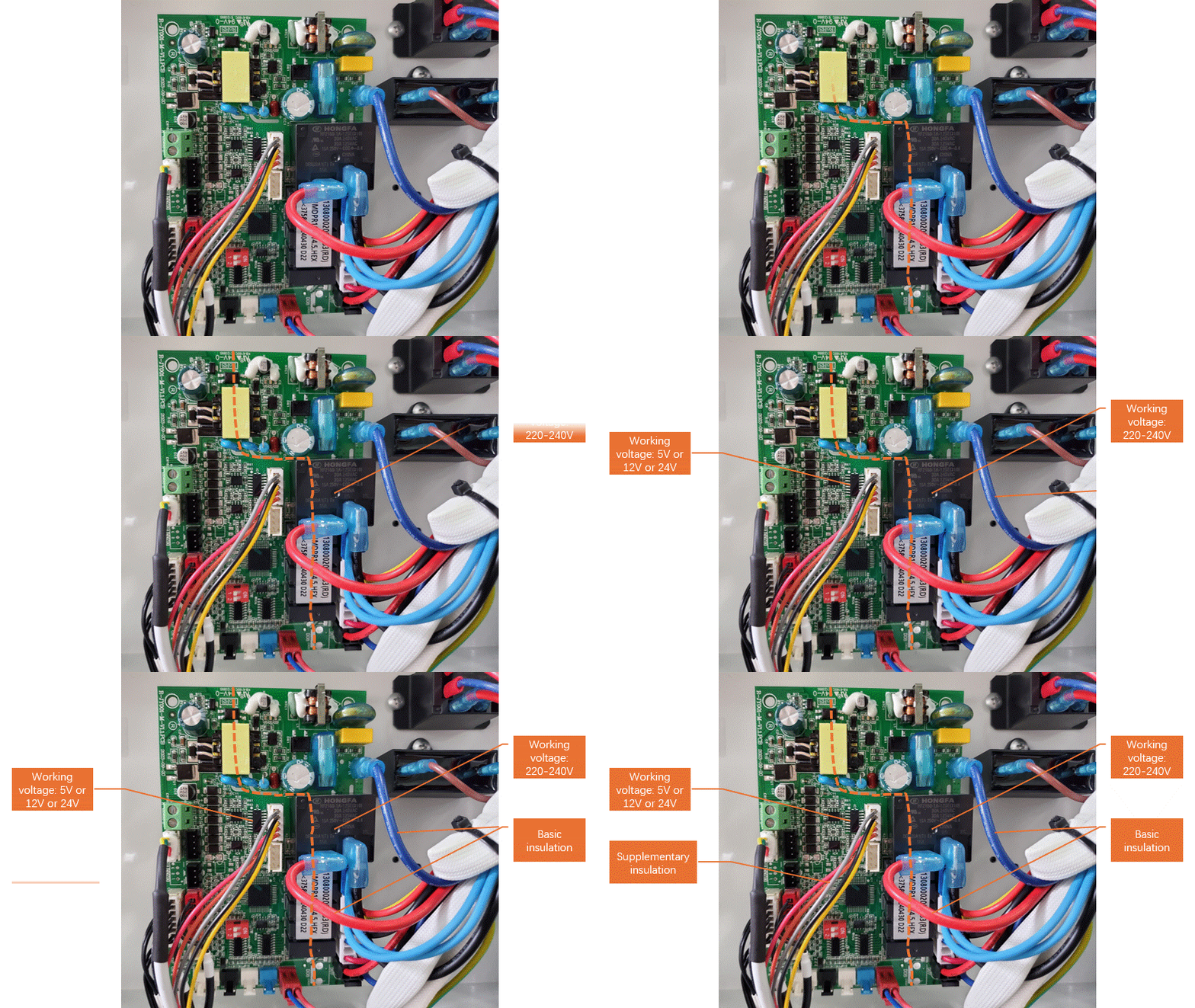
The following circuit board picture has an animation effect. The right side of the dotted line is the inaccessible part with a working voltage of 220-240V, and the left side of the dotted line is the accessible part with a maximum working voltage of 24V (assuming that the structure at the location of the dotted line has met the requirements of double insulation or reinforced insulation). In order to ensure effective isolation, generally speaking, the wires on the right side of the dotted line (red and blue internal wires) cannot touch the relatively thin internal wires on the left. The wire sheath of the right wire is basic insulation, because the wire sheath is in direct contact with the live parts and is the first layer of protection for the live parts. The wire sheath of the left wire can only be defined as supplementary insulation, but whether it meets the requirements for supplementary insulation in clause 29.3 will be analyzed when introducing clause 29.3. It should be noted here that the wire sheath of the left wire cannot be defined as basic insulation, and the wire sheath of the right wire cannot be supplementary insulation.
all-pole disconnection: disconnection of both supply conductors by a single initiating action or, for multi-phase appliances, disconnection of all supply conductors by a single initiating actionNOTE For multi-phase appliances, the neutral conductor is not considered to be a supply conductor. Single-phase power: An AC power system composed of one live wire and one neutral wire.Three-phase…
electronic component: part in which conduction is achieved principally by electrons moving through a vacuum, gas or semiconductor.NOTE Neon indicators are not considered to be electronic components. Early vacuum tubes were components that allowed electrons to conduct in a vacuum and were the core components of old radios and televisions.Electrons move through specific gases, colliding…
user maintenance: any maintenance operation stated in the instructions for use, or marked on the appliance, that the user is intended to perform. Allowed user-executed operations, the operation guideline was given in user manual, and it could be showed in enclosure of appliance. Since it is a allowed user-executed operation, then additional protective method should…
electronic circuit: circuit incorporating at least one electronic component. The standard references electronic circuits in clause 19.11, clause 19.11.1, and clause 22.5. These requirements are additional to those for electronic circuits. The standard recognizes that electronic circuits alone cannot provide adequate protection. Electronic circuits may be susceptible to interference and malfunction, or they may be…