第 3 項 – 「クラス 0I アプライアンス」の定義の理解方法

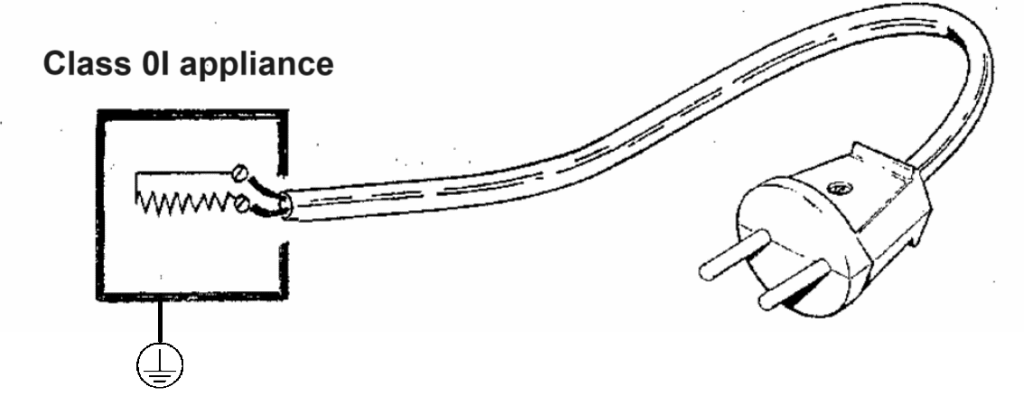
クラス 0I 機器:全体に少なくとも基礎絶縁があり、接地端子が組み込まれているが、接地線のない電源コードと接地接点のないプラグを備えた機器

機器には外部保護導体(保護接地導体)を接続するための端子がありますが、固定配線には機器と保護導体を接続するための電線がなく、機器内部に接地導通を伝えるための配線や構造が設けられている場合があります。


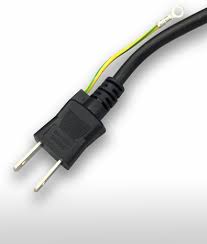
日本では、以下のようなクラス0I機器専用のプラグがあります。


私の理解では、現在、クラス 0I 機器を使用しているのは日本だけです。通常、電源コードにはアース線が付いていますが、プラグ内のアースピンによってアースは行われません。代わりに、ツールを使用して別の端子または接地リングを接続し、効果的な接地を実現します。同様に、アプライアンスにもアース端子があります。設置前、この端子は外部配線に接続されておらず、通常は使用中および設置中に接続されます。

Similar Posts

  • 第3項 「定格電圧」の定義の見方

    定格電圧:メーカーによってアプライアンスに割り当てられた電圧。 通常、この電圧は、製品設計時の対象市場の国の標準商用電圧です。ターゲット市場が決定したら、メーカーはターゲット市場の要件に従って製品を設計する必要があります。商用電源がAC220Vの国で使用することを目的として、定格電圧AC100V(電源入力電圧)の製品を設計することはできません。同時に、ほとんどの国では主電源電圧が定義されているため、ここでの定格電圧値は別の値になります。国際電気標準会議は、すべての国のプラグと主電源電圧に関する情報をリストした Web ページを提供しています。 https://iectest.iec.ch/world-plugs。参考までに IEC 60335-1 規格では、製品に電力を供給すること、または製品が動作状態にあることを必要とするすべてのテストは定格電圧に基づいています。定格電圧の選択が間違っている場合は、すべてのテストを繰り返す必要があります。研究室は、テストを実行する前に定格電圧を決定する必要があります。 IEC 60335-1 では、定格電圧を設定すべき定格電圧の値や範囲は規定されていませんが、実際には定格電圧の範囲は第 1 項の最初の段落で参考として示されており、これは定格電圧を設定するものではありません。単相の場合は 250 V、三相およびその他の電源タイプの機器の場合は 480 V を超えます。一般に、定格電圧はこの範囲を超えることはありません。各国が IEC 60335-1 規格に基づいて独自の偏差を追加しており、これらの偏差により一般に定格電圧要件が増加することに注意することが重要です。たとえば、日本では 100V、英国では 240V、中国では 220V です。 A クラス I バッテリ充電器の PDSH 2235 には、定格供給特性 3N~ および定格電圧 400V がマークされているという決定があります。 このバッテリ充電器は、250 V 以下の指定定格電圧制限に関して IEC 60335-2-29:2016 の範囲内にありますか?決定回答:規格の範囲によれば、定格電圧 400V(3N~)の充電器は IEC 60335-2-29 の対象外となります。

  • Clause 3 – How to understand the definition of “motor-operated appliance”

    motor-operated appliance: appliance incorporating motors but without any heating elementNote 1 to entry: Magnetically driven appliances are considered to be motor-operated appliances. Household electrical appliances usually use heating elements or motors to complete their designed functions. The main functions are heating, such as heating food or air, and rotation or mechanical movement of products, such…

  • 第 3 項 – 「クラス III 機器」の定義の理解方法

    クラスⅢ機器:感電に対する保護が安全特別低電圧の供給に依存しており、安全特別低電圧以上の電圧が発生しない機器注記 SELV での供給に加えて基礎絶縁が必要になる場合があります。 8.1.4を参照してください。 「安全特別低電圧」の4文字には「安全」という文字が入っておりますが、これはSELVが安全であるという意味ではなく、直接触れても安全であるとは限りません。規格 8.1.4 の要件を満たす安全特別低電圧回路のみに直接触れることができます。これについては、8.1.4 項を分析する際に具体的に分析して説明します。 下図に示すファンはクラス III アプライアンスとして定義できます。ただし、このファンには 2 つの耳があるため、第 22.44 条に準拠していません。詳細は後ほど説明させていただきます。 The fan shown in the figure below can be defined as a class III appliance. However, this fan has two ears, which makes it not compliant with clause 22.44. We will explain the details later.

  • Clause 3 – How to understand the definition of “PTC heating element”

    PTC heating element: element intended for heating consisting mainly of positive temperature coefficient resistors that are thermally sensitive and have a rapid non-linear increase in resistance when the temperature is raised through a particular range. As the temperature increases, the resistance of the heating element of the PTC heating element increases. The relationship between temperature…

  • Clause 3 – How to understand the definition of “protective device”

    protective device: device, the operation of which prevents a hazardous situation under abnormal operation conditions The standard emphasizes “abnormal operation” here. Only devices that operate under “abnormal operation” conditions can be defined as protective devices. Therefore, there are many types of protective devices, including overheating protection devices, overcurrent protection devices, and overpressure protection devices. Overheating…

  • Clause 3 – How to understand the definition of “electronic component”

    electronic circuit: circuit incorporating at least one electronic component. The standard references electronic circuits in clause 19.11, clause 19.11.1, and clause 22.5. These requirements are additional to those for electronic circuits. The standard recognizes that electronic circuits alone cannot provide adequate protection. Electronic circuits may be susceptible to interference and malfunction, or they may be…