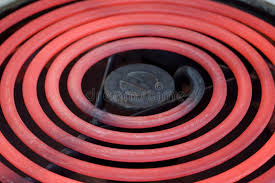
Clause 3 – How to Understand the Definition of “visibly glowing heating element”

visibly glowing heating element: heating element that is partly or completely visible from the outside of the appliance and has a temperature of at least 650 °C when the appliance has been operated under normal operation at rated power input until steady conditions have been established.

The heating element needs to be able to emit light and the light needs to be visible, it is also required that the temperature of the heating element exceeds 650°C. Often when measuring temperature, we measure the temperature at the hottest location, for example, getting the temperature at the surface of a heating element. When testing, please note that it is important to use a thermocouple that is resistant to high temperatures and also to ensure that the calibrated temperature range of the thermocouple covers the temperature being tested.

If you have done the clause 30.2 glow wire test then you should have experience that at 650°C the glow wire is non-luminous and only at 750°C does it emit a dim light. Of course, the luminous properties of heating elements may be different from those of a glow wire. Here are some photos of a typical visibly glowing heating element.

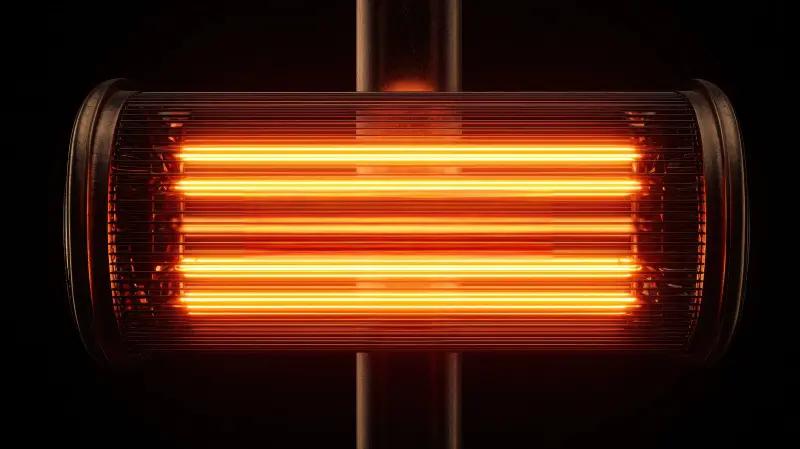
visibly glowing heating element for high position installation
close up view showcases electric infrared heater glowing intensely warmth shot heating element emitting warm
Dark red heating element

This visibly glowing heating element is a warning to the user of the product, and therefore the test requirements are a little more lenient during the subsequent clause of the test.

There are some glowing heating elements that emit light that is not particularly bright, but as long as they emit light and the temperature exceeds 650°C, they can also be defined as visibly glowing heating elements. However, the two photos below show heating elements that, in my experience, should not be considered as visibly glowing heating elements, as the brightness of the heating elements shown in the photos does not correspond to a temperature of 650°C.
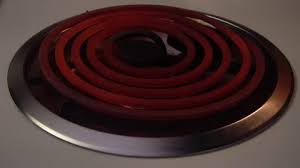
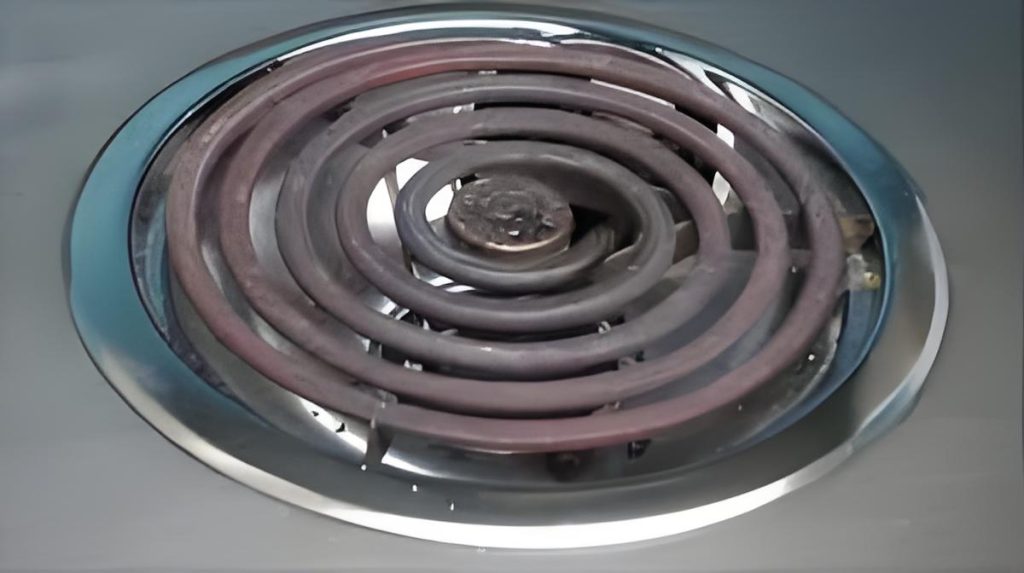
Dark red heating element-1
Dark red heating element-2

Similar Posts

  • 第 3 項 – 「サプライリード」の定義の理解方法

    供給リード線: 機器を固定配線に接続するためのワイヤのセットで、a に収容されていますアプライアンスの内部またはアプライアンスに取り付けられたコンパートメント ここで強調する必要がある制限が 2 つあります。 1 つ目は、コンパートメント (通常はプラスチック製の電気ボックス) か、電線の配線に使用できる電化製品の凹んだ位置に収納する必要があることです。 2番目の条件はワイヤーです。ここでのワイヤーはコードとは異なります。このタイプのワイヤは、絶縁ワイヤ シースが 1 層のみの一般的なワイヤです。このタイプのワイヤのシースは通常、茶色または青色です。アース線の場合は黄緑色です。 下の写真に示すように、この部分は天井ファンの固定接続と電源接続を示しています。ロッドから出ている電線は、通常、固定配線(部屋の上部の配線や端子台)に直接接続できます。ワイヤのこの部分は通常、ワイヤ シースの層を備えた通常のワイヤです。上部のベルに入れることができるので、リードとみなすことができます。

  • Clause 3 – How to understand the definition of “user maintenance”

    user maintenance: any maintenance operation stated in the instructions for use, or marked on the appliance, that the user is intended to perform. Allowed user-executed operations, the operation guideline was given in user manual, and it could be showed in enclosure of appliance. Since it is a allowed user-executed operation, then additional protective method should…

  • Clause 3 – How to understand the definition of “protective device”

    protective device: device, the operation of which prevents a hazardous situation under abnormal operation conditions The standard emphasizes “abnormal operation” here. Only devices that operate under “abnormal operation” conditions can be defined as protective devices. Therefore, there are many types of protective devices, including overheating protection devices, overcurrent protection devices, and overpressure protection devices. Overheating…

  • 第 3 項 – 「タイプ X アタッチメント」の定義の理解方法

    タイプXアタッチメント:電源コードの交換が容易な取付方法エントリへの注記 1: 電源コードは特別に用意され、製造元またはそのサービス代理店からのみ入手できる場合があります。特別に用意されたコードには器具の一部が含まれる場合があります。 まず、この定義は電源コード用です。次に、注記によると、コードは製造元またはそのサービス代理店からのみ入手できます。第三に、電源コードの交換が容易な構造であることが挙げられる。注記から、このコードが一般の家電付属品市場で購入できる場合、炊飯器の供給コードであることがわかります 上の図の例に示されているものは、実際にはここで言及されている電源コードに属しません。最後に、電源コードもアプライアンスの一部である場合があります。 Type X のアタッチメントは簡単に交換できる必要があります。以下の図に示すように、 電源コードは極性端子に接続されています。この接続方法は通常のマイナスドライバーで完了します。取り付けが容易なタイプですので、タイプXアタッチメントとして定義できます。同様の理由で、ここでの電源コードの接続が便利でクイックなコネクタを使用して接続されている場合は、タイプ X アタッチメントとして定義することもできますが、この構造はほとんど見られません。セクション 26.2 の最初の文を参照してください。「特別な準備ソフトウェアを備えた機器を除き、タイプ X の取り付け接続を備えた機器および固定配線に接続された機器には、ネジ、ナット、または同様の装置による接続用の端子が提供されなければなりません。接続はハンダ付けで行います。」これは、タイプ X の取り付け接続を完了するために、ネジ、ナット、または同様の接続デバイスを使用できることを意味します。逆に、ネジ、ナット、または同様の接続デバイスを使用して接続を完了する構造は、タイプ X アタッチメントとして定義できます。ここではろう付けについても言及されているので、ろう付けもタイプ X アタッチメントで使用される接続方法であると考える理由がありますが、個人的にはろう付けは簡単な接続方法ではないため、タイプ X アタッチメントとはみなせないと考えています。ろう付けを伴う場合は、ろう付けよりも簡単なはんだ付けを検討しますが、はんだ付けも容易ではないと思いますので、Type Xアタッチメント接続と判断することはお勧めできません。タイプXの付属品は現在では非常に珍しいと言わざるを得ません。技術の向上と材料の最適化により、電源コードの損傷はほとんど発生しなくなり、たとえ電源コードが損傷したとしても、一般のユーザーが自分で修理や交換することは困難です。ほとんどの電気製品はタイプ Y の取り付け構造を採用しています。標準でタイプ X の取り付けを定義したとき、後進技術により多くの電源コードが損傷したため、この安全規則が規定されました。 It has to be said that type X attachment is very rare now. Due to the improvement of technology and the optimization of materials, the damage of…

  • Clause 3 – How to understand the definition of “detachable power supply part”

    detachable power supply part: part of the appliance the output of which is intended to be detachable from the class III construction part of the appliance.Note 1 to entry: Means of detachment are a flexible cord and connector or an appliance outlet fitted to the detachable power supply part. This actually defines a detachable adapter….

  • 第 3 項 – 「保護インピーダンス」の定義の理解方法

    保護インピーダンス: 通常の使用時および機器の故障の可能性がある状態での電流が安全な値に制限されるように、クラス II 構造の充電部分とアクセス可能な導電部分の間に接続されたインピーダンス。 ケース1:最初のケースは、通常、アダプター駆動の製品など、低電圧電源を必要とする状況です。アダプターの出力電圧はDC12V、DC24V、またはDC5Vです。これらの低電圧部品は、変圧器の変圧と整流器電流の整流によって得られるため、一般にユーザーが触れることができます。したがって、高電圧部分と電圧部分を効果的に絶縁する必要があります。当社の一般的なスイッチング電源基板では、EMC 伝導テストを実施すると、トランスの一次側で発生した干渉が一次側と二次側の間の寄生容量を通過し、150k~30MHz の伝導性干渉が発生して二次側に到達します。ここでは、Y コンデンサを使用して干渉信号を電源に戻し、干渉を相殺するループを形成します。そうしないと、導通テストが不合格になります。ここでの Y コンデンサは保護インピーダンスを形成します。下図の赤いボックスで選択された 2 つの Y コンデンサが保護インピーダンスです。 下図はマイナスイオン発生器の回路図です。赤い四角形で選択された 2 つの抵抗は、一般的な保護インピーダンスです。 下の図のCY1とCY2は保護インピーダンスですか? 規格の定義から、保護インピーダンスは接地が存在するクラス II 構造で使用されます。ここでの接地が保護接地として定義されている場合、保護インピーダンスはクラス II 構造で使用され、ここではクラス I 構造であるため、明らかに CY1 と CY2 を保護インピーダンスとして定義できません。ここでの接地が機能接地として定義されている場合、2 つの問題があります。まず、これはクラス I 構造であるため、CY1 と CY2 は保護インピーダンスとして定義できません。次に、クラス II 構造の場合、CY1 と CY2 を保護インピーダンスとして定義でき、保護インピーダンスの関連要件を満たす必要があります。私の個人的な意見は、CY1 と CY2 は保護インピーダンスではなく、直接基礎絶縁とみなしてよいと考えています。結局のところ、回路図に示されている設計は規格に受け入れられないということでしょうか?そしてnbsp; それらが保護インピーダンスである場合、どちらが第 22.42 条「保護インピーダンスは少なくとも 2 つの別個のコンポーネントで構成されなければならない」に準拠する必要があります。 From the definition of the standard, the…