Clause 3 – How to understand the definition of “detachable part”

detachable part: part that can be removed or opened without the aid of a tool, a part that is removed or opened in accordance with the instructions for use, even if a tool is needed for removal, or a part that does not fulfil the test of 22.11.
NOTE 1 If for installation purposes a part has to be removed, this part is not considered to be detachable even if the instructions state that it is to be removed.
NOTE 2 Components that can be removed without the aid of a tool are considered to be detachable parts.

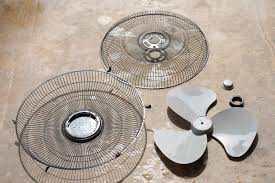
The definition of this concept is mainly for the judgment of clause 8 and clause 20, and may also be used for the judgment of other chapters. Whether any part of an appliance can be removed cannot be judged by a certain arbitrary or subjective principle. Therefore, here, the standard stipulates three principles to determine whether the parts of the appliance can be removed. The first principle is the parts that can be removed without using tools; the second principle is the parts that can be removed or opened according to the instructions. If the instructions require the use of tools to operate, they can also be considered detachable; the third principle is the parts that cannot withstand the test of clause 22.11. This principle is actually a set of experimental methods to determine whether a part is firmly fixed; different people have different strengths and use different tools. For the same part, some people can remove it without the help of tools, while others cannot remove it due to lack of strength; therefore, a unified method is fixed here for execution. The clause needs to be understood together with the non-detachable part clause. From the literal meaning of the noun alone, it can be understood that a part is either a detachable part or a non-detachable part. However, analyzing the definition of the clause, it is not an either-or relationship here. The difference is that in the definition of detachable parts, there is an additional clause “parts that are removed or opened according to the instructions (even if tools are required to remove them)”, that is, if a part meets this additional condition, it can be judged as both a detachable part and a non-detachable part. For example, the instructions of some air purifiers will tell users how to use a screwdriver to remove the outer shell to replace the internal filter, and some floor-standing fans will also tell users in the instructions how to use a screwdriver to remove the mesh cover, and then remove the fan blades to complete the cleaning work. These disassembled parts are detachable parts.

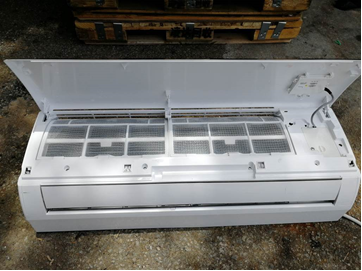
When installing the indoor unit of a split wall-mounted air conditioner, you need to open the upper cover and remove the junction box cover. The junction box cover here needs to be removed during installation and reset after installation. The cover is not considered a detachable part. As shown below:
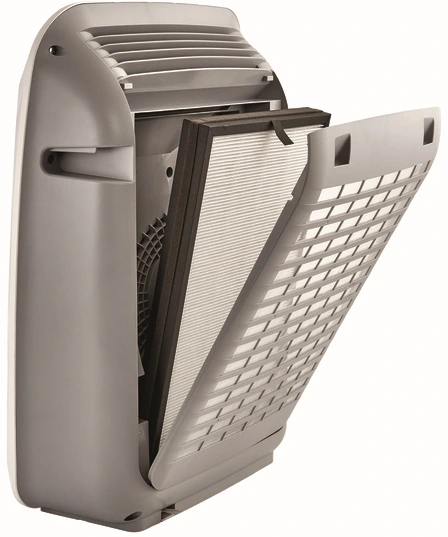
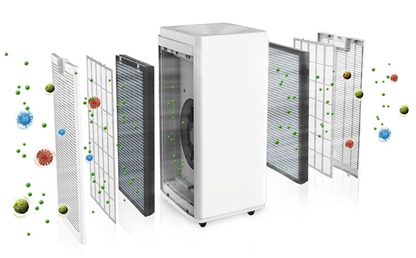
In order to facilitate the updating of filters and filter elements, the air purifier products are designed to fix the filters and filter covers with a snap structure, and the replaceable filters and filter covers are detachable parts. As shown below:
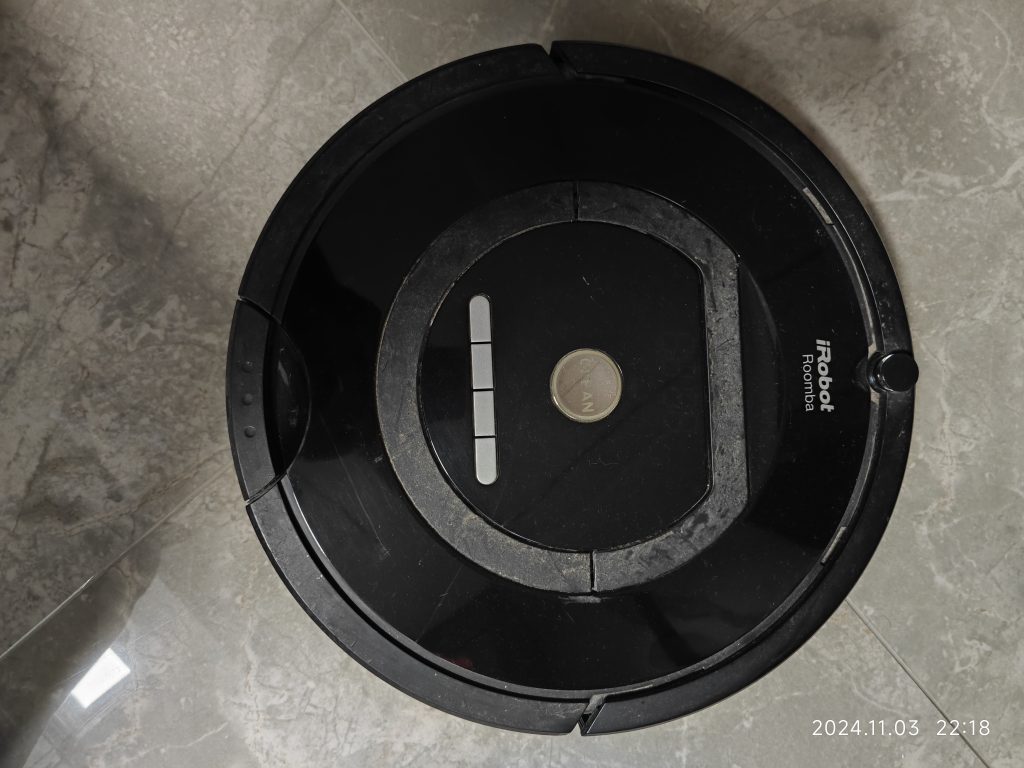
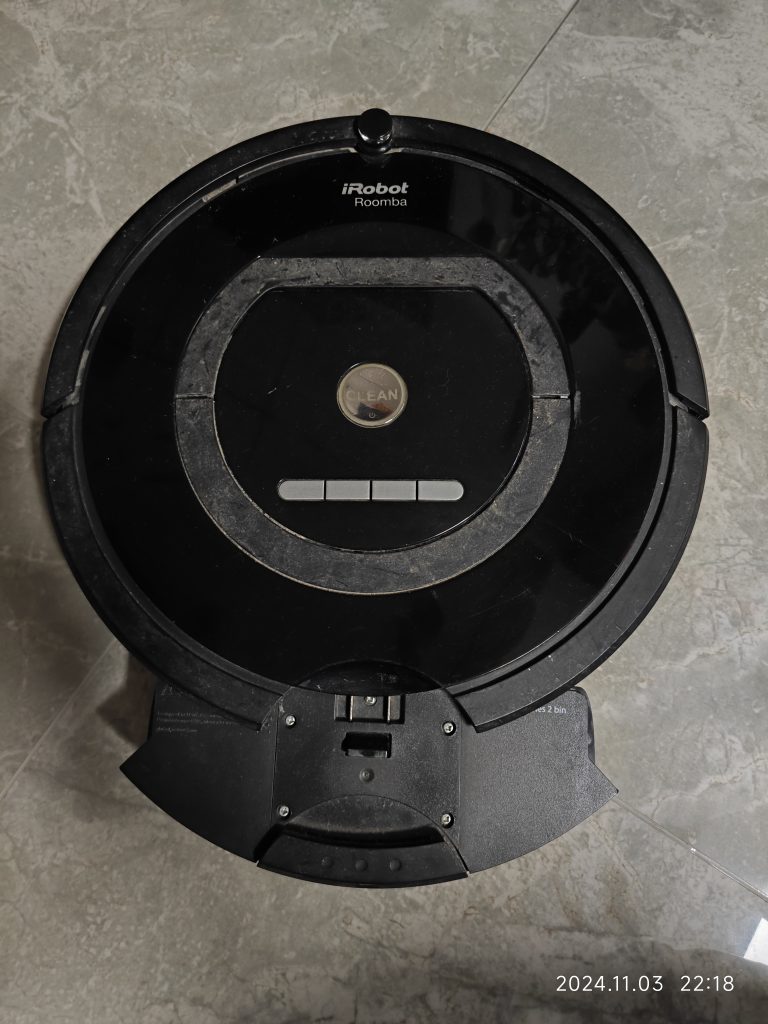
The filter of the sweeping robot shown in the figure below is a detachable part
fan grille for floor-standing fan shown as below:
Similar Posts

  • 第3項 「タイプZアタッチメント」の定義の見方

    タイプ Z アタッチメント: 製造元、そのサービス代理店、または同様の資格を持つ担当者が交換を行うための電源コードの取り付け方法。 一部の製品の電源コードは製品と一体成型されており、一般的な工具では取り外すことができません。または、一部の電化製品の電源コードは、接続後に熱硬化性材料によって電化製品にキャストされます。これらの同様の構造では、電源コードの交換作業を完了するには、電源コードに接続されている材料を破壊する必要があります。例:図のように水中ポンプのシェルに電源コードをエポキシ樹脂で流し込んでいます。電源コードを交換する場合は、注型エポキシ樹脂を破壊する必要があります。 ウォーターポンプ内部図

  • 第 3 項 – 「安全絶縁変圧器」の定義の理解方法

    安全絶縁変圧器:安全超低電圧で機器または回路に供給することを目的とした、少なくとも二重絶縁または強化絶縁と同等の絶縁によって入力巻線が出力巻線から電気的に分離された変圧器 ここで言う変圧器は、機器や回路に電力を供給するために使用されます。最も一般的な変圧器は回路に電力を供給し、いくつかの変圧器は電化製品に電力を供給します。ここで重要となるのは入力巻線と出力巻線の絶縁対策であり、二重絶縁もしくは強化絶縁タイプ、または同等の絶縁が必要となります。この要件は、一次巻線と二次巻線が十分な絶縁を有することを保証することです。絶縁が十分であれば、変圧器の一次巻線と二次巻線間の絶縁は比較的安全です。二重の保護予防策。 スイッチの電源基板に使用される最初の種類のトランス。このタイプの変圧器は、同じ磁気コア上に一次巻線と二次巻線を重ね合わせます。したがって、一次側と二次側の間の沿面距離と電気的空間を確保するために、巻線を上下の端面に配置することはできません。以下の図に示すように、巻線は上下の端面から一定の距離にある必要があります。 安全絶縁トランスの全体図 安全絶縁トランスの全体図 The other is a drawer-type linear transformer, as shown below:

  • 第3項「基礎断熱」の定義の見方

    基本絶縁: 感電に対する基本的な保護を提供するために通電部分に適用される絶縁 一般的に言えば、充電部と直接接触する絶縁層は、一般的な絶縁材料 (PVC や ABS などのプラスチック材料など) である場合もあれば、空気または絶縁層上に形成された距離 (沿面距離) である場合もあります。断熱材の表面。ほとんどの国では、ユーザーが基礎断熱材に触れる可能性のある構造は認められていません。したがって、基礎絶縁は通常、機器の内部に配置されており、通常の動作中に触れることはできません。 下の左の写真は扇風機の底カバーの写真、右の写真は底カバーを外した写真です。右の写真の電源コード内の青と茶色のワイヤ外皮は、基本絶縁と考えることができます。同時に、黒いシェルに接続されているスイッチの白、赤、黒の線の外皮も基礎絶縁であると判断できます。ここでの充電部分は、ワイヤ内の銅芯です。また、スイッチ内の金属導体と白色シェル内面との距離により基礎絶縁性と判断できます。沿面距離の観点から見ると、スイッチ内の導体の電気は、スイッチの絶縁表面に沿って白いシェルの内面 (右の図の左の小さい角) まで伝導 (登って) します。この距離は、基礎絶縁体の沿面距離とみなしてください。電気的クリアランスの観点からは、スイッチ内部の導体の電気はファンボトムカバー内面とスイッチシェルの間の空気を介して直接伝導しており、この空気間の距離が基礎絶縁のクリアランスと判断されます。 (白いプラスチックシェルは追加絶縁と判断されます) 下図に示すように、モーターの巻線のラッカー塗装された導体は、モーターのステーターに挿入された白いスロット紙によって固定されています。巻線は規格により露出充電部として識別されます。ラッカー塗装された巻線の導体とモーターのステーターは、スロット ペーパーを介して導電ループを形成します (一般に、クラス I 機器の場合、モーター ハウジングが接地されているため、モーター ハウジングに接続されているステーターも接地されます。クラス II 機器では、モーター ハウジングとモーター ステーターは接地されていない中間金属コンポーネントです)。スロット紙の導電性は十分ではありませんが、スロット紙には微弱な電流が発生します。ここで発生する電流量はスロット紙の性能に直結します。ここでのスロット紙の材質は基礎絶縁体と判断できます。スロット ペーパーの表面は巻線の金属積層板に接続できるため、スロット ペーパーの表面上の距離は基礎絶縁体の沿面距離として決定できます。スロットペーパーの材質自体が固体絶縁の役割を果たします(固体絶縁には厚さの要件はありませんが、それでも第 13 章と第 16 章の漏れ電流と耐電圧要件を満たす必要があります)。したがって、上図の電気的クリアランスは、空中での巻線と固定子の積層間の最短距離です。 下の図に示すように、注意: モーターの巻線が適切に固定されておらず、モーターのステーターに非常に接近しています。第 29 条の沿面距離と空間距離の要件を満たすことができなくなりました。これは一般的な不適合項目です。 ファンモーターの基礎絶縁 basic insulation of fan motor

  • Clause 3 – How to understand the definition of “detachable power supply part”

    detachable power supply part: part of the appliance the output of which is intended to be detachable from the class III construction part of the appliance.Note 1 to entry: Means of detachment are a flexible cord and connector or an appliance outlet fitted to the detachable power supply part. This actually defines a detachable adapter….

  • Clause 3 – How to understand the definition of “thermal cut-out”

    thermal-cut-out: device which during abnormal operation limits the temperature of the controlled part by automatically opening the circuit, or by reducing the current, and is constructed so that its setting cannot be altered by the user. There are three key provisions here. First, the thermal cut-out is a heat-sensing element, second, it can only be…

  • 8.1.5 What exactly does it protect against?

    8.1.5 Live parts of built-in appliances, fixed appliances, and appliances delivered in separate units shall be protected by at least basic insulation before installation or assembly. Compliance is checked by inspection and the test in 8.1.1.Why is this requirement in place? I believe there are three types of hazards that require protection. The first is…