Clause 3 – How to understand the definition of “detachable part”

detachable part: part that can be removed or opened without the aid of a tool, a part that is removed or opened in accordance with the instructions for use, even if a tool is needed for removal, or a part that does not fulfil the test of 22.11.
NOTE 1 If for installation purposes a part has to be removed, this part is not considered to be detachable even if the instructions state that it is to be removed.
NOTE 2 Components that can be removed without the aid of a tool are considered to be detachable parts.

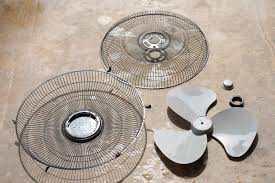
The definition of this concept is mainly for the judgment of clause 8 and clause 20, and may also be used for the judgment of other chapters. Whether any part of an appliance can be removed cannot be judged by a certain arbitrary or subjective principle. Therefore, here, the standard stipulates three principles to determine whether the parts of the appliance can be removed. The first principle is the parts that can be removed without using tools; the second principle is the parts that can be removed or opened according to the instructions. If the instructions require the use of tools to operate, they can also be considered detachable; the third principle is the parts that cannot withstand the test of clause 22.11. This principle is actually a set of experimental methods to determine whether a part is firmly fixed; different people have different strengths and use different tools. For the same part, some people can remove it without the help of tools, while others cannot remove it due to lack of strength; therefore, a unified method is fixed here for execution. The clause needs to be understood together with the non-detachable part clause. From the literal meaning of the noun alone, it can be understood that a part is either a detachable part or a non-detachable part. However, analyzing the definition of the clause, it is not an either-or relationship here. The difference is that in the definition of detachable parts, there is an additional clause “parts that are removed or opened according to the instructions (even if tools are required to remove them)”, that is, if a part meets this additional condition, it can be judged as both a detachable part and a non-detachable part. For example, the instructions of some air purifiers will tell users how to use a screwdriver to remove the outer shell to replace the internal filter, and some floor-standing fans will also tell users in the instructions how to use a screwdriver to remove the mesh cover, and then remove the fan blades to complete the cleaning work. These disassembled parts are detachable parts.

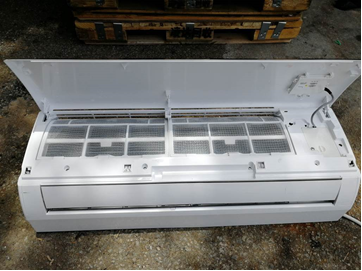
When installing the indoor unit of a split wall-mounted air conditioner, you need to open the upper cover and remove the junction box cover. The junction box cover here needs to be removed during installation and reset after installation. The cover is not considered a detachable part. As shown below:
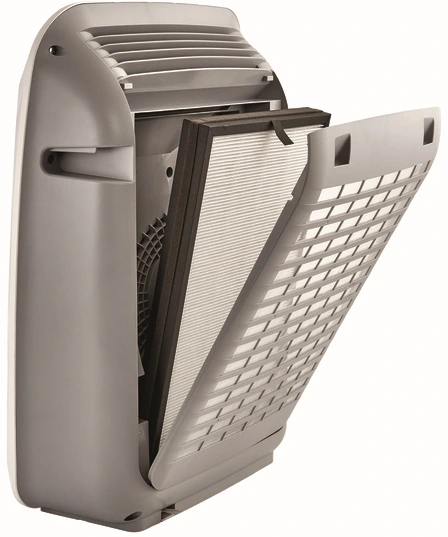
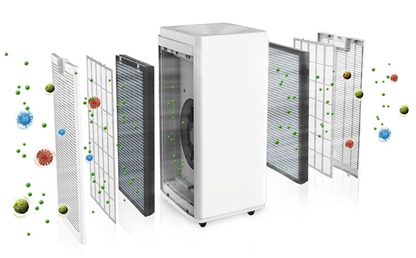
In order to facilitate the updating of filters and filter elements, the air purifier products are designed to fix the filters and filter covers with a snap structure, and the replaceable filters and filter covers are detachable parts. As shown below:
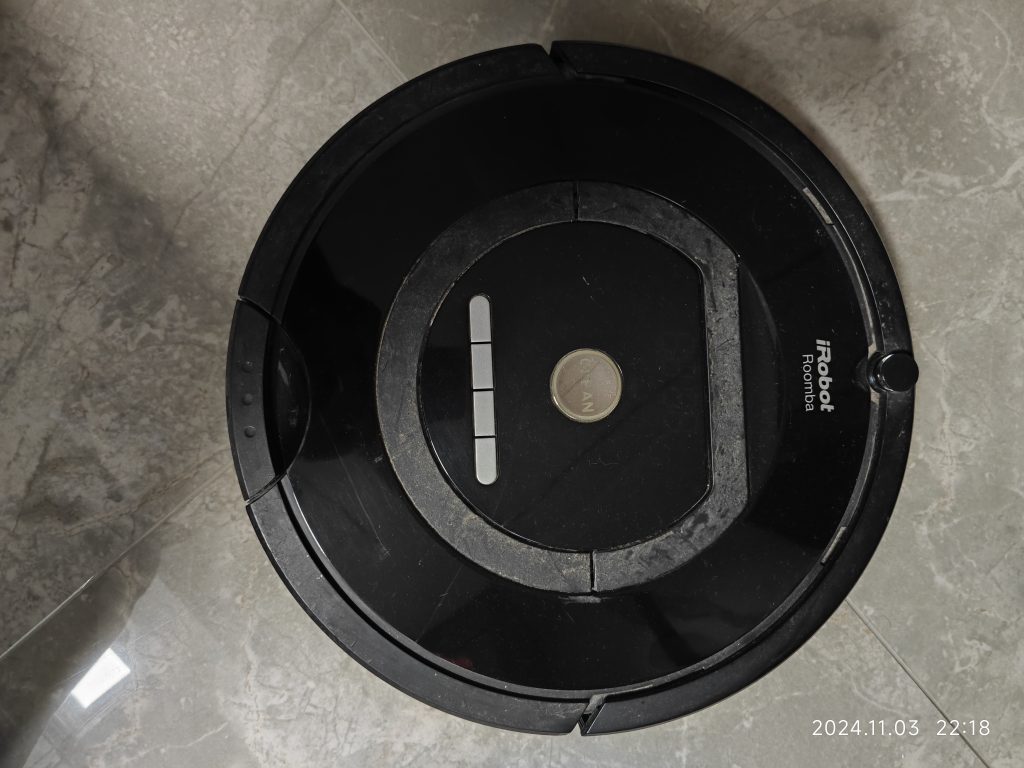
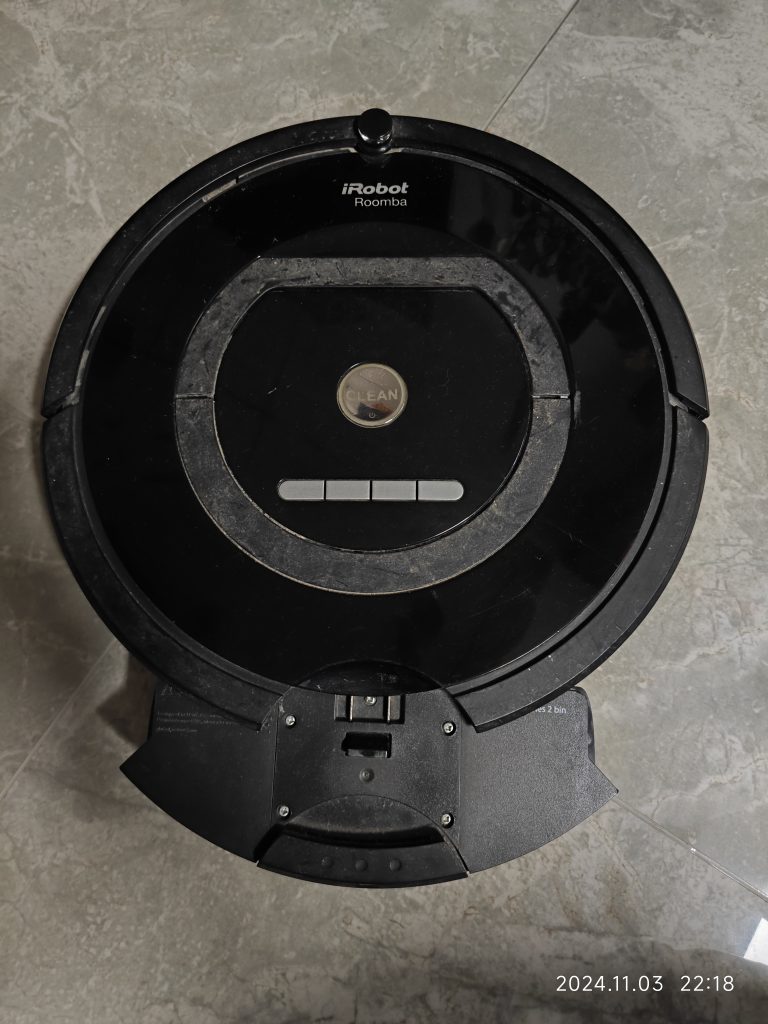
The filter of the sweeping robot shown in the figure below is a detachable part
fan grille for floor-standing fan shown as below:
Similar Posts

  • เครื่องมือสำหรับการเติม TRF – การแทรกสัญลักษณ์และข้อความที่ใช้กันทั่วไป

    ฉันใช้ .net เพื่อเขียนโปรแกรมเสริมสำหรับ word เป็นไฟล์ติดตั้ง คุณก็ทำได้ดาวน์โหลด และติดตั้งโดยตรง แถบเครื่องมือ Word ของคุณจะเป็นแท็บที่มีปุ่มแสดงอยู่ด้านล่างรูปภาพ and install it directly, your toolbar of word will be more a tab with some button shows as below photo.

  • Clause 3 – How to Understand the Definition of “Intentionally Weak Part”

    intentionally weak part: A part intended to rupture under abnormal operating conditions to prevent the occurrence of a condition that could impair compliance with this standard.NOTE: Such a part may be a replaceable component, such as a resistor or capacitor, or a part of a component to be replaced, such as an inaccessible thermal link

  • ข้อ 3 – วิธีทำความเข้าใจคำจำกัดความของ “ช่วงกำลังไฟฟ้าเข้าพิกัด”

    คำจำกัดความนี้สอดคล้องกับช่วงแรงดันไฟฟ้าที่กำหนด ซึ่งหมายความว่ากำลังไฟฟ้าเข้าที่กำหนดจะมีป้ายกำกับเป็นช่วงขีดจำกัดบนและล่าง ตัวอย่าง: เครื่องทำความร้อนในห้องแบบหลอดควอทซ์ที่มีช่วงแรงดันไฟฟ้า AC220-240V และช่วงกำลังไฟเข้าพิกัด 2000-2200WExample: A quartz tube room heater with a rated voltage range of AC220-240V and a rated power input range of 2000-2200W.

  • ข้อ 3 – วิธีทำความเข้าใจคำจำกัดความของ “โอกาสในการขาย”

    ช่องภายในหรือติดกับตัวเครื่องมีข้อจำกัดสองประการที่ต้องเน้นย้ำที่นี่ อย่างแรกคือต้องเก็บไว้ในช่องซึ่งโดยทั่วไปอาจเป็นกล่องไฟฟ้าพลาสติก หรือตำแหน่งแบบฝังบนตัวเครื่องซึ่งสามารถใช้วางสายไฟได้ เงื่อนไขที่สองคือสายไฟ สายไฟที่นี่แตกต่างจากสายไฟ ลวดประเภทนี้เป็นลวดทั่วไปที่มีปลอกหุ้มฉนวนเพียงชั้นเดียว ฝักลวดประเภทนี้โดยทั่วไปจะมีสีน้ำตาลหรือสีน้ำเงิน ถ้าเป็นสายดินจะเป็นสีเหลืองเขียว ตามที่แสดงในภาพด้านล่าง ส่วนนี้จะแสดงการเชื่อมต่อแบบคงที่และการเชื่อมต่อแหล่งจ่ายไฟสำหรับพัดลมเพดาน โดยทั่วไปสายไฟที่ออกมาจากแกนสามารถเชื่อมต่อโดยตรงกับสายไฟแบบตายตัว (นั่นคือสายไฟที่ด้านบนของห้องหรือแผงขั้วต่อ) ลวดส่วนนี้มักเป็นลวดธรรมดาที่มีชั้นเปลือกลวด เพราะสามารถวางไว้ที่ระฆังบนได้จึงถือเป็นตะกั่ว As shown in photos below, this part shows the fixed and supply connection for ceiling fan. The wires coming out of the rod can generally be directly connected to the fixed wiring (that is, the wiring on the top of the…

  • 8.1.5 – มีการป้องกันอย่างน้อยด้วยฉนวนพื้นฐานก่อนการติดตั้งหรือการประกอบ

    ผลิตภัณฑ์เครื่องปรับอากาศที่มีเครื่องทำความร้อนไฟฟ้าเสริมในเครื่องปรับอากาศซึ่งติดตั้งในคอยล์เย็น คอยล์เย็น และคอยล์ร้อน บรรจุเป็นสองส่วนแยกกัน และทั้งสองส่วนก็จัดส่งพร้อมกันไปยังที่ของผู้ใช้ ของการใช้งาน ในกระบวนการติดตั้ง หากการจ่ายไฟของคอยล์เย็นผ่านยูนิตภายนอกอาคารเป็นไปได้ว่า ผู้ติดตั้งจะดำเนินการเชื่อมต่อระหว่างคอยล์เย็นกับยูนิตภายนอกอาคารก่อน (โปรดทราบว่าการเชื่อมต่อภายในและภายนอกอาคาร) สายไฟ – สายเชื่อมต่อโครงข่าย – เชื่อมต่อกับขั้วต่อของคอยล์เย็นก่อนจำหน่าย) จากนั้นจึงรวมพลังงานยูนิตกลางแจ้งเพื่อทดสอบการใช้งาน ในระหว่างขั้นตอนการทดสอบการใช้งาน ผู้ติดตั้งเองหรือผู้ติดตั้งรายอื่นอาจไม่ทราบว่าส่วนประกอบบางส่วนของคอยล์เย็นมีประจุไฟฟ้าจริง ๆ (เนื่องจากชิ้นส่วนที่ใช้ไฟฟ้าคือยูนิตกลางแจ้ง) และหากชิ้นส่วนที่มีประจุไฟฟ้าเหล่านี้ไม่ได้รับการปกป้องด้วยฉนวนพื้นฐาน มีความเสี่ยงที่จะเกิดไฟฟ้าช็อต และ nbsp; นี่เป็นเพียงตัวอย่างจากฮีทเตอร์เสริมไฟฟ้าของเครื่องปรับอากาศ จุดที่เป็นปัญหาที่พบบ่อยที่สุดคือขั้ว จากภาพด้านซ้ายด้านล่างจะเห็นว่าเครื่องปรับอากาศ Indoor Unit เปิดแผงด้านหน้าและมีแผ่นพลาสติกปิดทางด้านขวาของภายในที่ยึดด้วยสกรูและใต้แผ่นปิดมี เทอร์มินัลและคุณสามารถเห็นเทอร์มินัลในภาพด้านขวา ส่วนล่างของขั้วต่อมีสายไฟหลายเส้นซึ่งเป็นสายเชื่อมต่อที่เชื่อมต่อกับคอยล์ร้อน หากไม่มีแผ่นปิดและ nbsp (แผงด้านหน้าเป็นชิ้นส่วนที่ถอดออกได้ และโดยทั่วไปไม่ถือว่าเป็นฉนวนที่สำคัญ) หลังจากเสร็จสิ้นการเชื่อมต่อยูนิตภายในและภายนอก ตลอดจนการเชื่อมต่อแหล่งจ่ายไฟเข้ากับยูนิตภายนอก ขั้วต่อของคอยล์เย็นจะถูกชาร์จด้วยไฟฟ้า และมีความเสี่ยงที่จะเกิดไฟฟ้าช็อตหากไม่ได้รับการปกป้องจากแผงฝาครอบ

  • Clause 3 – How to understand the definition of “fixed appliance”

    fixed appliance: appliance that is intended to be used while fastened to a support or while secured in a specific location. The definition emphasizes fastening to a bracket or fixing in a specific position. Generally, we think that this kind of fixation requires some installation actions and some fixing devices, these devices can be fixed…