Clause 3 – How to understand the definition of “non-detachable part”

non-detachable-part: part that can only be removed or opened with the aid of a tool or a part that fulfils the test of 22.11.

The definition of this concept is mainly for the judgment of clause 8 and clause 20, and the judgment of other clauses may also be used. On the appliance, whether any part is effectively fixed and cannot be removed cannot be judged by a certain arbitrary or subjective principle. Therefore, here, the standard stipulates two principles to determine whether the parts on the appliance are effectively fixed and cannot be removed. The first principle is the parts that cannot be removed without using tools, and the second principle is the parts that can withstand the test of clause 22.11. For easy understanding, I briefly introduce the requirements of clause 22.11. Clause 22.11 mainly stipulates how and how much force of push, pull, torque, and if the user’s fingernail clip is applied to a part of the product to see whether the part is fixed reliably. I will introduce the rules in detail in clause 22.11. The tools here include common household tools such as screwdrivers.

The principle that needs to be controlled is whether the user uses a tool to remove the part with a clear purpose, and such removal is a non-routine device operation determined by the user. Is a coin a tool? Is a key a tool? I think that in the 60335 series of standards, they should be defined as tools. First, the operation of removing a part with a coin is more difficult than a tool, and this operation is an operation with a very clear purpose. Usually, this operation is also non-routine. It may be that the person using the coin cannot find the tool. We can consider the part removed by the coin as a non-detachable-part. Secondly, a key is usually more difficult to obtain than a regular tool, especially when the door opened by the key is used to prevent touching dangerous moving parts and live parts, etc., it can be considered a tool. In this case, it is recommended to add corresponding warning statements in the manual.
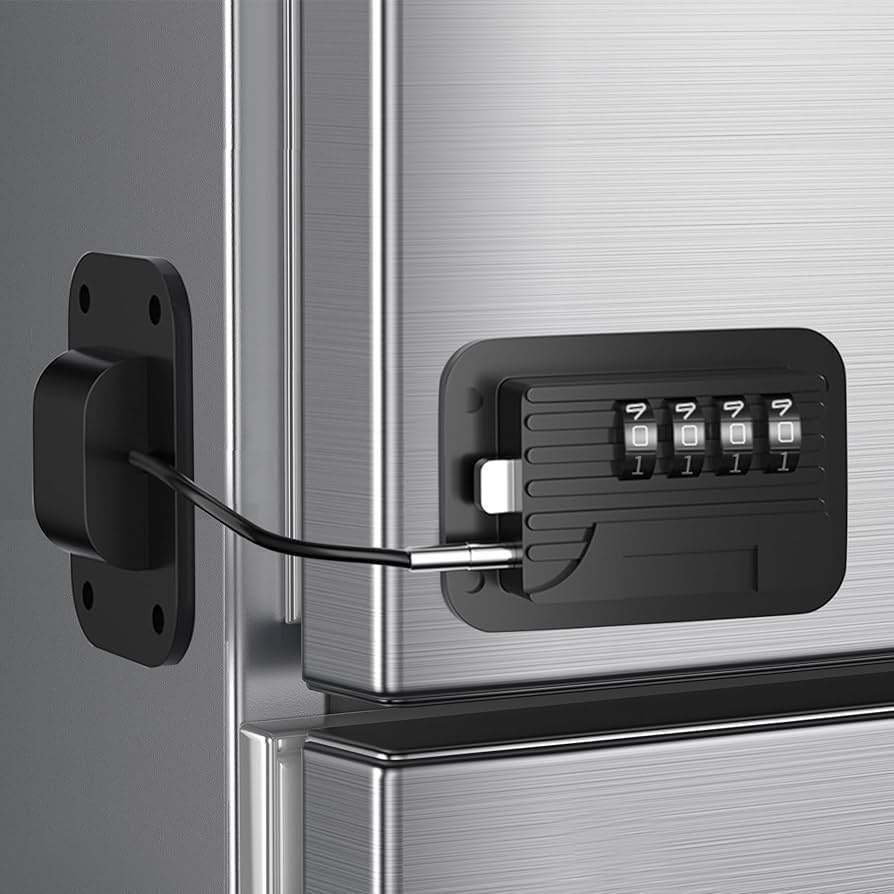
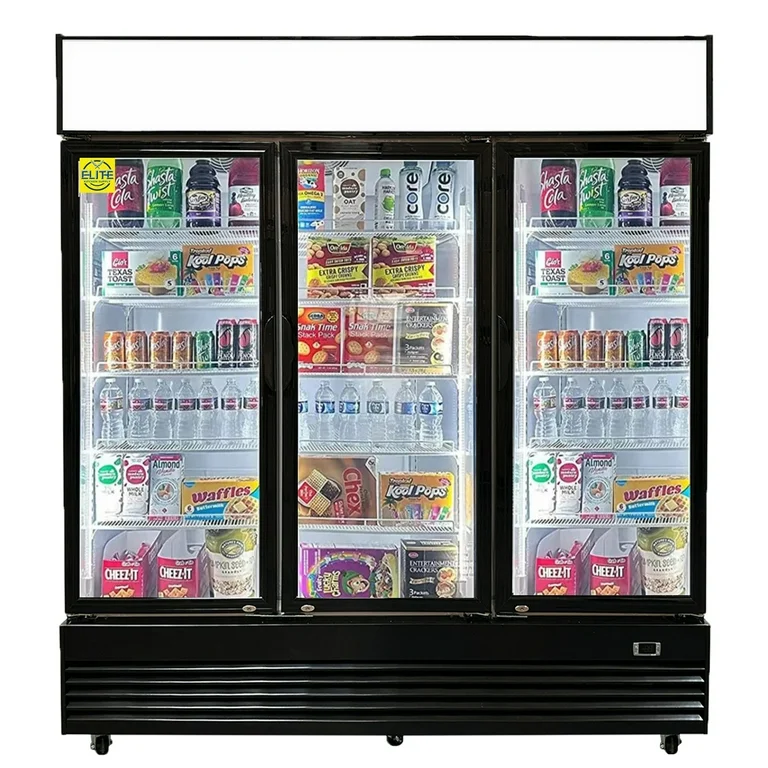
There are exceptions for keys. For example, the key for opening the door of a household refrigerator is not considered a tool; at the same time, the key for opening the door of a commercial refrigerator is considered a tool; here, my judgment principle is to determine it based on the expectation of the occurrence of danger. A locked household refrigerator is usually locked inside to prevent children from entering the refrigerator. Its purpose is not to prevent touching moving parts or live parts. Commercial refrigerators or commercial computer room air conditioners use locks to prevent theft or to prevent untrained or unauthorized personnel from entering and touching dangerous moving parts or live parts.
The protective housing fixed by screws on the appliance can be considered a non-detachable-part.
Similar Posts

  • 第3項 「定格電流」の定義の見方

    定格電流: メーカーによってアプライアンスに割り当てられた電流。注: アプライアンスに電流が割り当てられていない場合、定格電流は次のようになります– 暖房器具の場合、定格入力電力と定格電圧から計算された電流; – 電動器具および複合器具の場合、器具が定格電圧で供給され、通常の動作で動作したときに測定される電流 この条項の最初の注意事項である暖房器具は、加熱用の電気発熱体のみを使用するため、この発熱体は基本的に純粋な抵抗負荷であるため、電流は入力電力を割ったものに等しいため、数学的計算方法に直接従うことができます。定格電圧による(P = U/I)。 2番目の注意点は、この製品は純粋な抵抗負荷ではないため、式によると、P = U/Iの計算では正確な結果が得られず、電流値を取得するテストのみが必要です。一般的には一部電動器具 冷蔵庫などの定格ラベルには定格電流と表示されています。ほとんどのエアコンの定格ラベルには、定格入力と定格電流の両方が記載されています。 冷蔵庫の定格ラベル エアコンの定格ラベル rating label for air conditioner

  • Clause 3 – How to understand the definition of “built-in appliance”

    built-in appliance: fixed appliance intended to be installed in a cabinet, in a prepared recess in a wall or in a similar location. Here, because the appliance must be installed in a reserved position (usually a cubic space with only one side open), it is a fixed installation and can be regarded as a fixed…

  • 第3項 「第二種工事」の定義の見方

    ここで重点を置くのは、二重絶縁または強化絶縁の要件を満たすことができる機器の構造の一部です。したがって、クラス I アプライアンスにはクラス II 構造も含まれます。例:下図のオーブンでは金属シェルとプラスチック製スイッチノブが使用されています。使用者がスイッチノブに触れると、ノブは絶縁体でできているため接地できません。感電に対する保護はノブ自体の絶縁にのみ依存します。スイッチ内部の充電部とスイッチノブ軸間は基礎絶縁となっており、スイッチノブは補助絶縁を形成します。したがって、スイッチノブの位置はクラスII構造となります。    

  • 第3項「定格インパルス電圧」の定義の見方

    定格インパルス電圧: 機器の定格電圧と過電圧カテゴリから導出される電圧。過渡過電圧に対する絶縁の指定された耐力を特徴づけます。 初心者にとって、この定義の物理的な意味を理解する必要はありません。規格におけるこの電圧値の主な用途は、クリアランスの制限値を決定することです。表 15 を参照すると、定格インパルス電圧値を直接決定できます。過電圧カテゴリ(OVC)は標準IEC 60664-1から来ていると言わざるを得ません。以下の表に定義を示します。 一方、過電圧カテゴリ(OVC)については説明図があります。 On the other hand, there is a drawing to explain overvoltage category(OVC).

  • Clause 3 – How to understand the definition of “fixed appliance”

    fixed appliance: appliance that is intended to be used while fastened to a support or while secured in a specific location. The definition emphasizes fastening to a bracket or fixing in a specific position. Generally, we think that this kind of fixation requires some installation actions and some fixing devices, these devices can be fixed…

  • フィル TRF 用ツール – ハイパーリンク TRF

    IEC 60335 シリーズ規格の TRF (テストレポートフォーム) に記入する必要がある場合、TRF のページ数は多すぎると感じられると思います。レポート内の特定の位置にカーソルをすばやく移動するにはどうすればよいですか?検索機能 (ctrl+F) を使用するか、マウス ホイールを使用するか、キーボードのページ キーを使用することもできますが、これらはあまり便利ではありません。 VBA を使用してマクロ コードを作成し、位置決め関数をマクロ コードに記述してマクロ コードを実行すると、TRF 内で頻繁に必要な特定の場所をすばやく見つけることができます。ここでは、パーソナルコンピュータに直接ダウンロードできるマクロコードを書きました。 ここ。ファイルを解凍することを忘れないでください。 Word 形式の TRF に入力するときにこれらのマクロを使用するには、次の設定を行う必要があります: ファイル – オプション – トラスト センター – トラスト センターの設定 – マクロの設定 – すべてのマクロを有効にする (推奨されません。潜在的に危険なコードが実行される可能性があります)または デジタル署名されたマクロを除くすべてのマクロを無効にします。その後、Word プログラムを再起動する必要があります。 マクロを使用する前に、ダウンロードしたマクロを Word にインポートする必要があります。以下の方法をお勧めします。 Word ツールバーにマウスを置き、右クリックして「ロビンのカスタマイズ」を選択し、ポップアップ ダイアログ ボックスの左側にある「リボンのカスタマイズ」を選択し、右側のウィンドウで「開発者」にチェックを入れます。窓を閉めてください。この時点で、開発者ツールバーが Word ツールバーに表示されます。マクロを使用する前に、ダウンロードしたマクロを Word にインポートする必要があります。以下の方法をお勧めします。 Word ツールバーにマウスを置き、右クリックしてロビンのカスタマイズを選択し、ポップアップ ダイアログ ボックスの左側にあるリボンのカスタマイズを選択し、右側のウィンドウで開発者にチェックを入れます。窓を閉めてください。この時点で、開発者ツールバーが Word ツールバーに表示されます。開発者ツールバーを選択し、左側の…