8.1.5 What exactly does it protect against?

8.1.5 Live parts of built-in appliances, fixed appliances, and appliances delivered in separate units shall be protected by at least basic insulation before installation or assembly. Compliance is checked by inspection and the test in 8.1.1.
Why is this requirement in place? I believe there are three types of hazards that require protection.

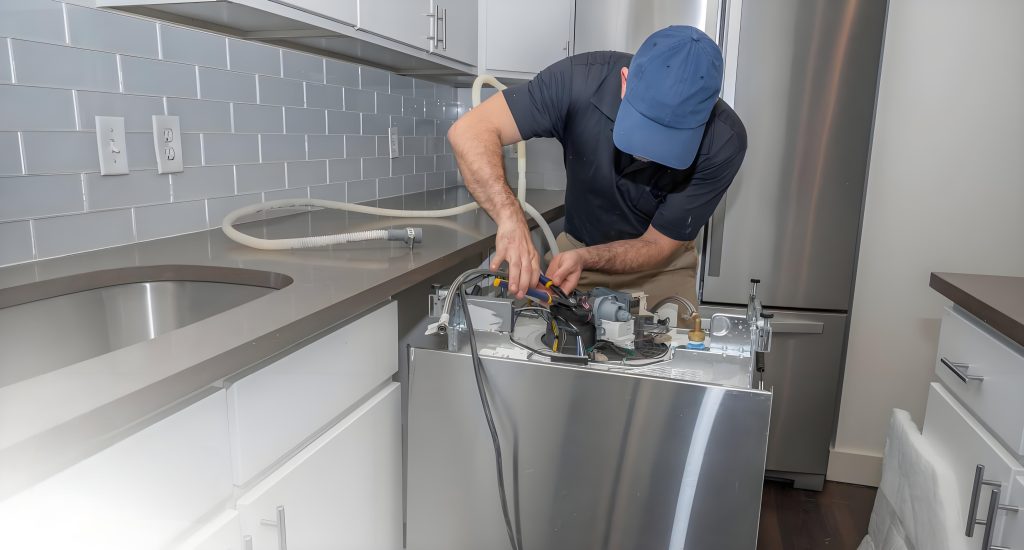
The first is an example of a built-in appliance, such as a dishwashing machine or a tableware sterilizer. Generally, after a dishwasher is installed in accordance with the instructions, except for the front surface, which is accessible, the other five surfaces are inaccessible. They are covered or enclosed by the space provided by the installation location, effectively preventing the risk of electric shock. However, during installation, installers typically don’t power on and test the appliance until it’s fully installed. For built-in products, installers typically power on the appliance to test its operation before placing it in its fixed location. In this case, the appliance isn’t protected from its surroundings, specifically the space where it’s installed. Imagine a scenario where, after unpacking the appliance at the user’s home, some terminals or wires are exposed. This creates a risk of accidental electric shock during installation. Therefore, the standard requires basic insulation protection before installation. To ensure effective basic insulation, we need to apply the test requirements in clause 8.1.1. Implementing the test requirements in clause 8.1.1 inevitably involves clause 22.11 and its definition of removable parts.
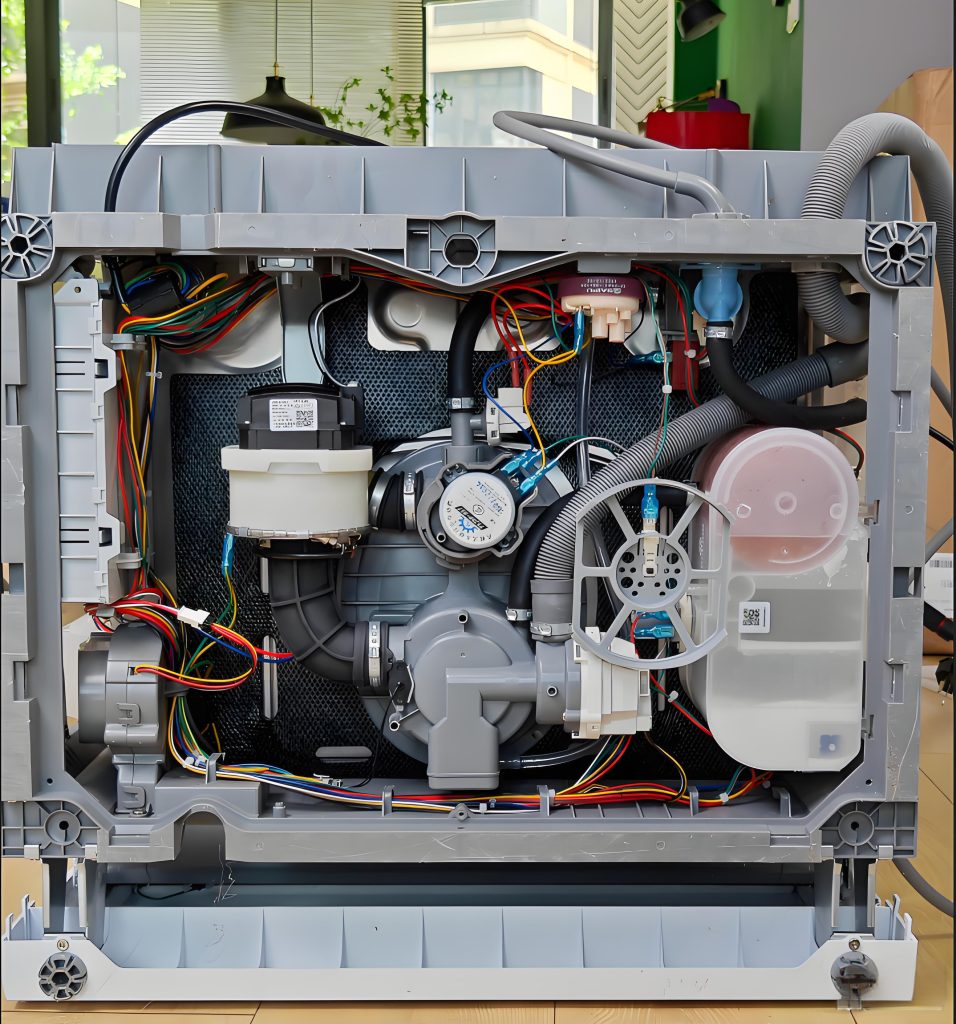
internal wire of dishwasher
Dishwasher Installation
push the dishwasher into cabinet

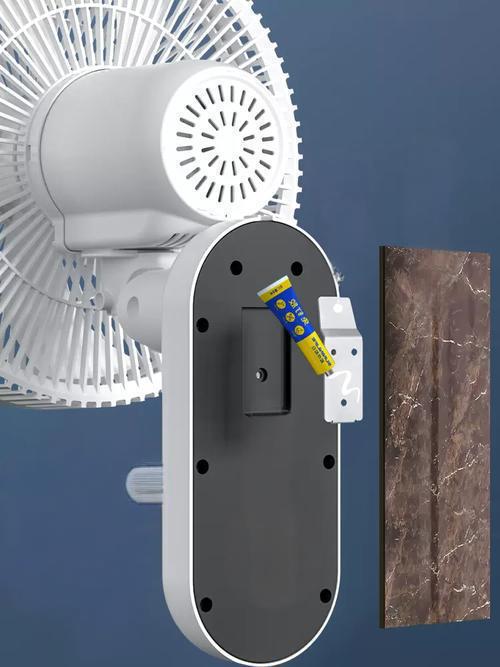
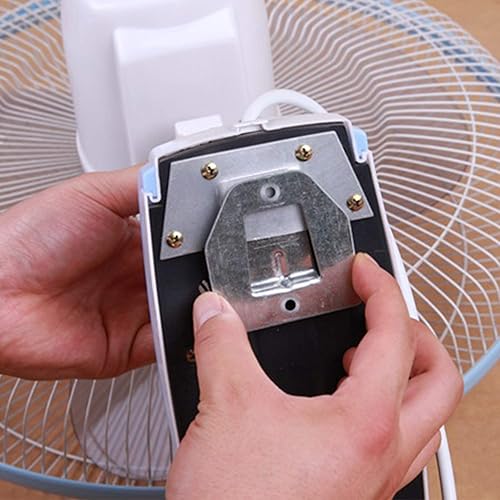
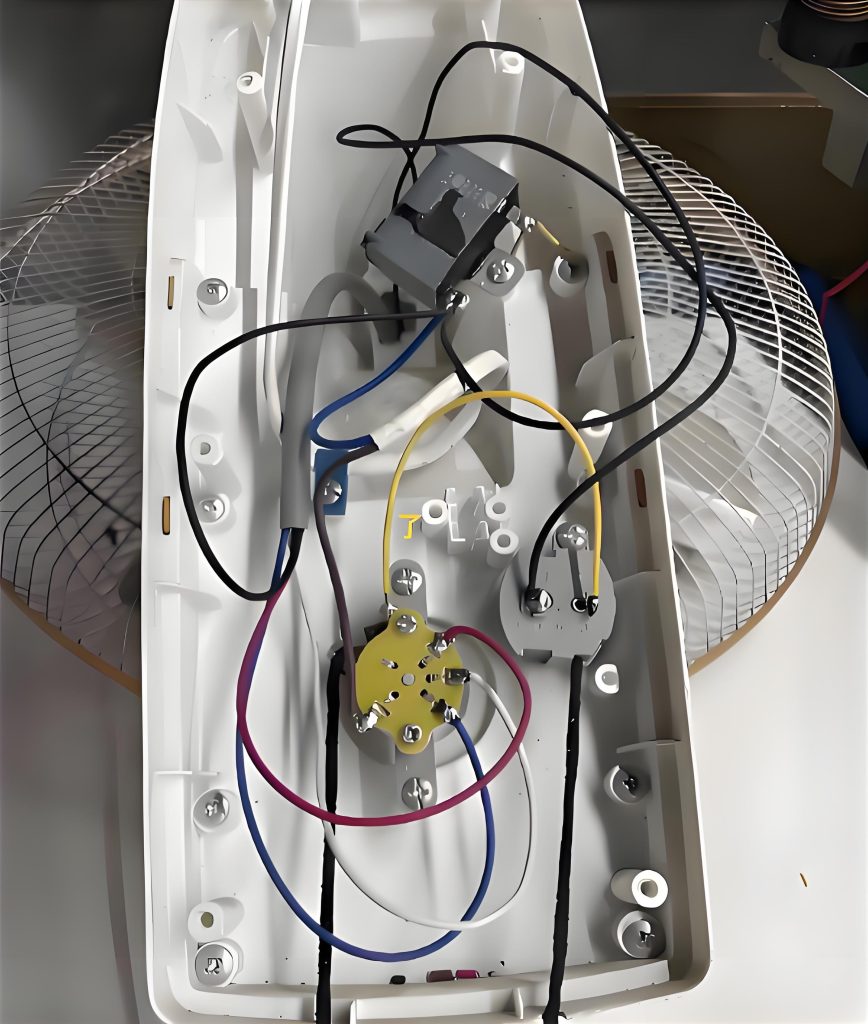
The second type, similar to the first, applies to fixed appliances, such as wall-mounted fans. These products are typically installed on-site and require the installation of a mounting plate or bracket. However, experienced installers will typically verify that the product is functioning properly before proceeding. During the power-on test run, the mounting surface is often not secured to the wall, rendering the wall ineffective. If the mounting surface has a large opening, allowing a finger to penetrate and contact live components, there is a risk of electric shock.
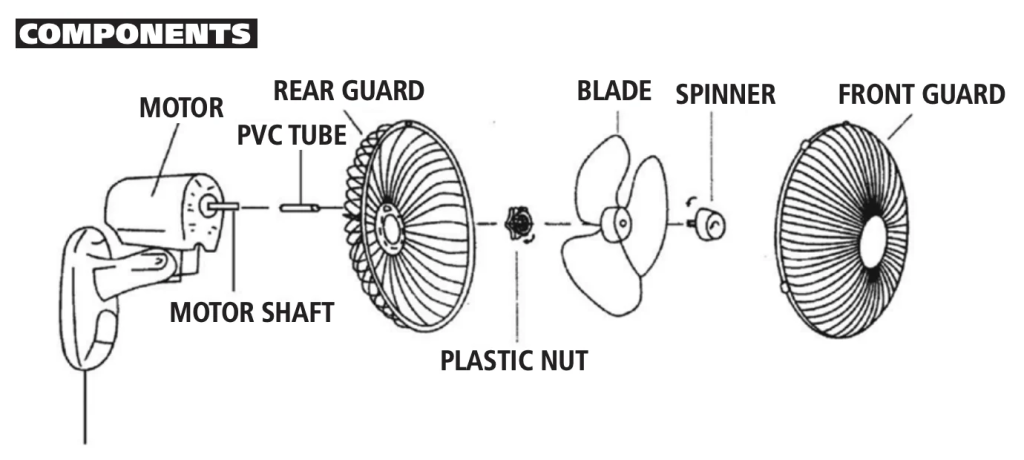
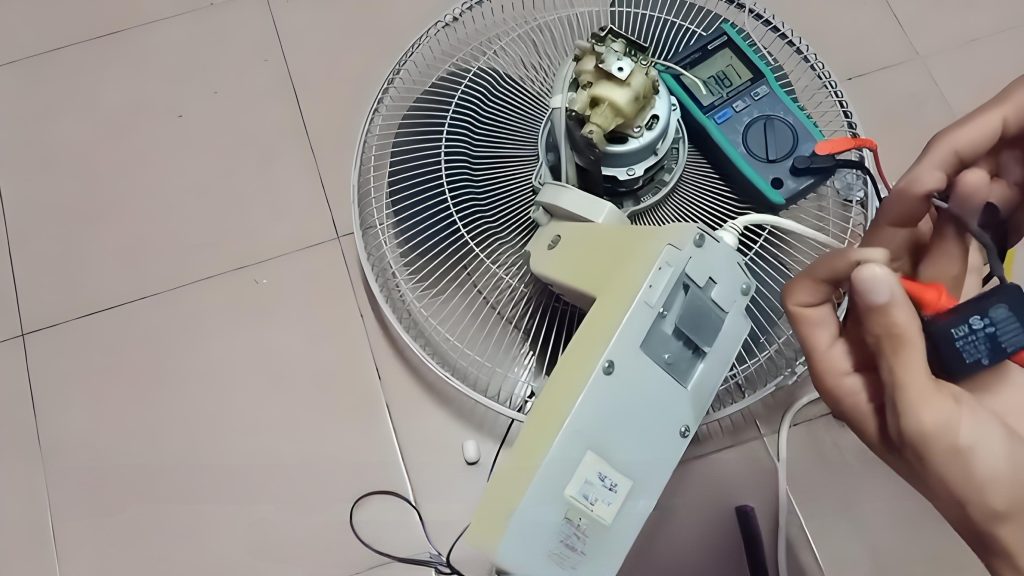
wall mounting fan exploded view
base pan of wall mount fan
wall mount fan base pan
wall mounting fan fixed support
internal view of base pan of wall mount fan

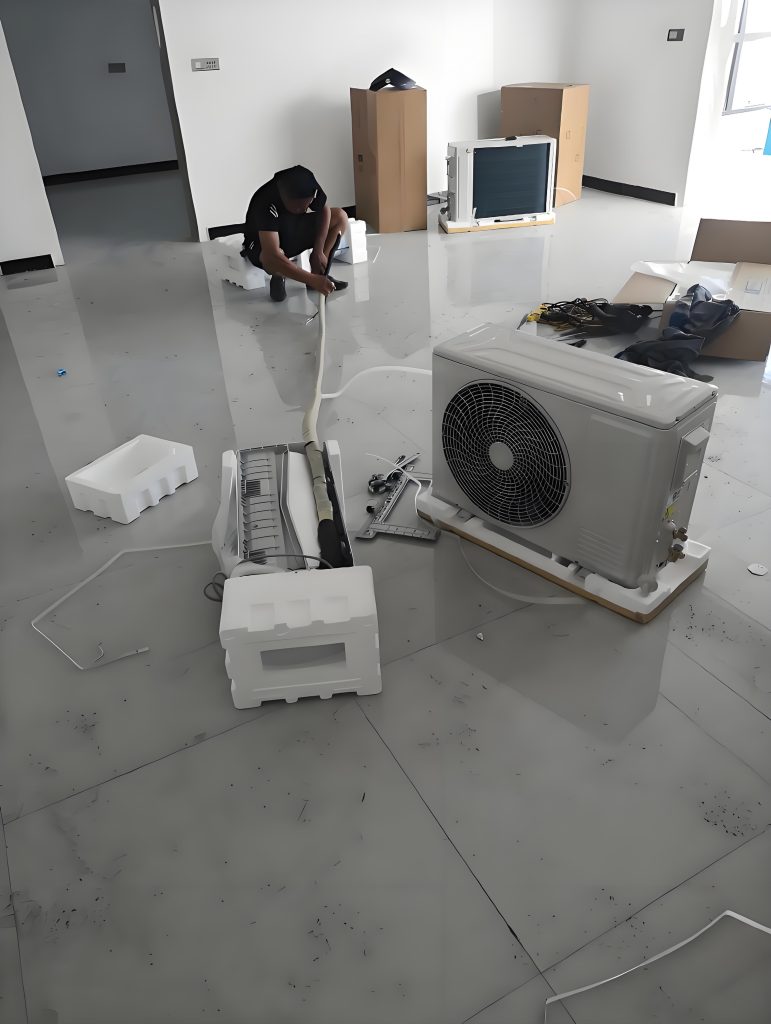
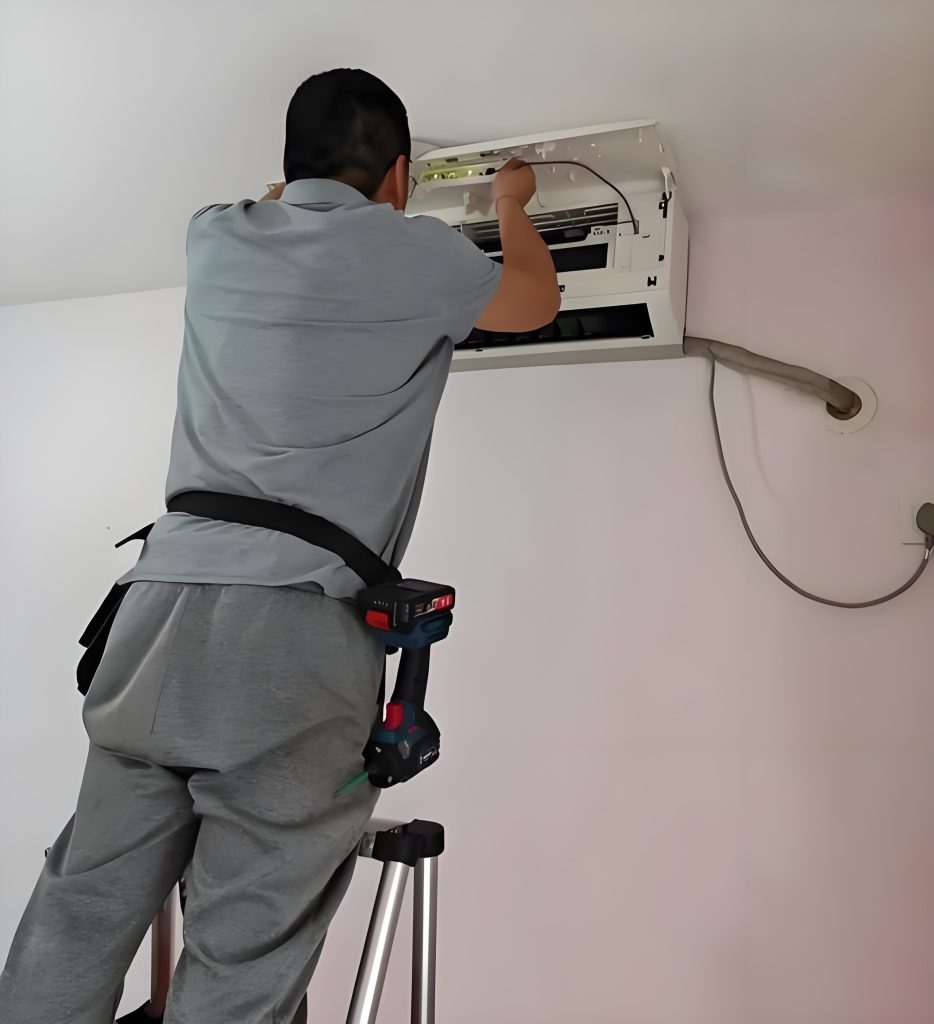
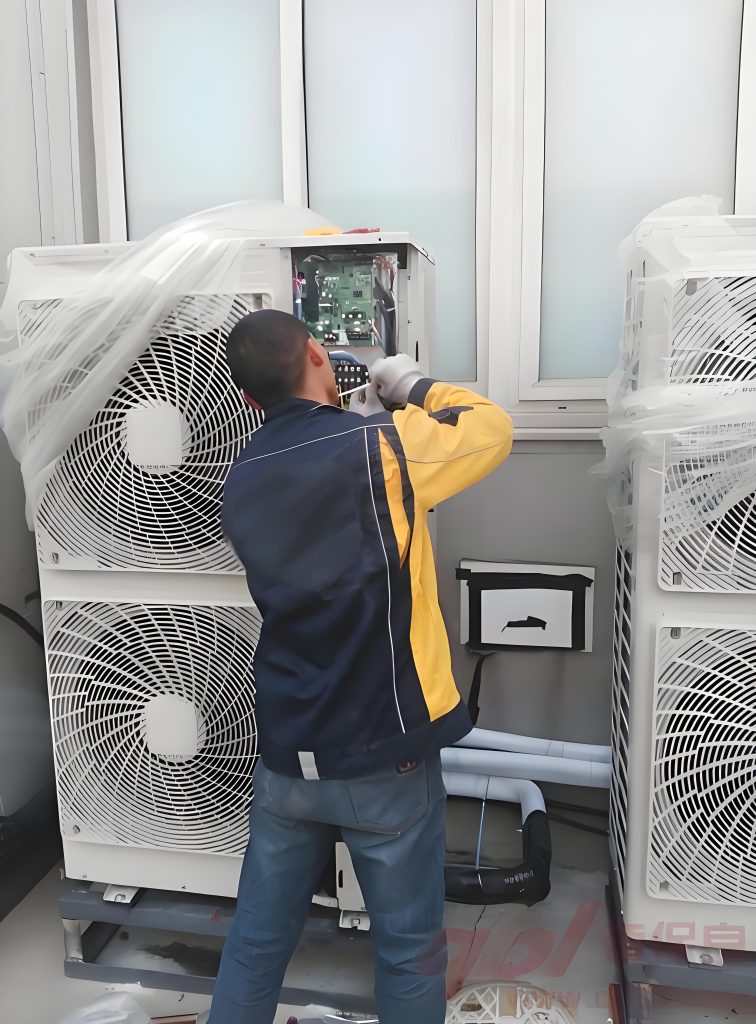
The third type is controversial. Split-type household air conditioners are typically delivered as separate, independent units. These products typically require on-site installation. During installation, is it possible that the outdoor unit has already been installed and connected to the mains power supply? The indoor unit installer is not the same person as the outdoor unit installer and is unaware of the outdoor unit’s installation progress. He or she needs to complete the wiring for both units, potentially completing the wiring while the outdoor unit is energized. A typical wiring task involves connecting the indoor and outdoor unit interconnecting cables. As described in the second scenario, both indoor and outdoor unit wiring terminals require basic insulation protection. However, does the separately delivered interconnecting cable also require basic insulation protection? Note that the interconnecting cables used here all comply with clause 25.23. They all have insulating sheaths, but may have exposed conductors at their ends. The basic insulation protection we will discuss below applies to these exposed conductors. If the standard is strictly adhered to, I believe requiring basic insulation is acceptable. However, in actual production and manufacturing, it is difficult to achieve, and even if it is, the cost is considerable. Therefore, I personally believe that separately delivered interconnecting cables do not require additional basic insulation protection.
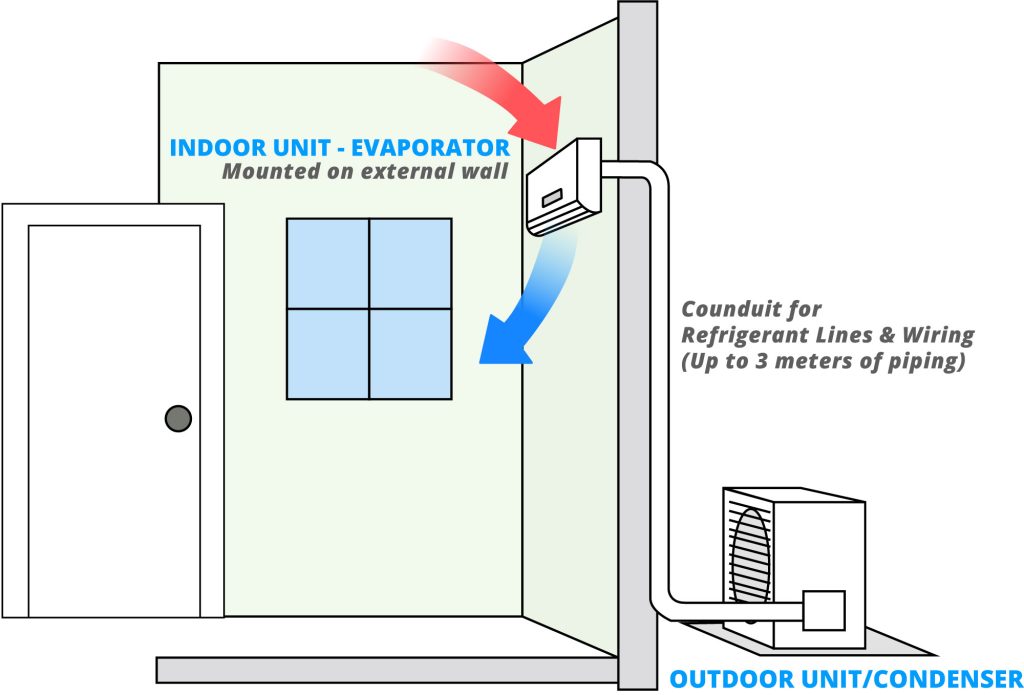
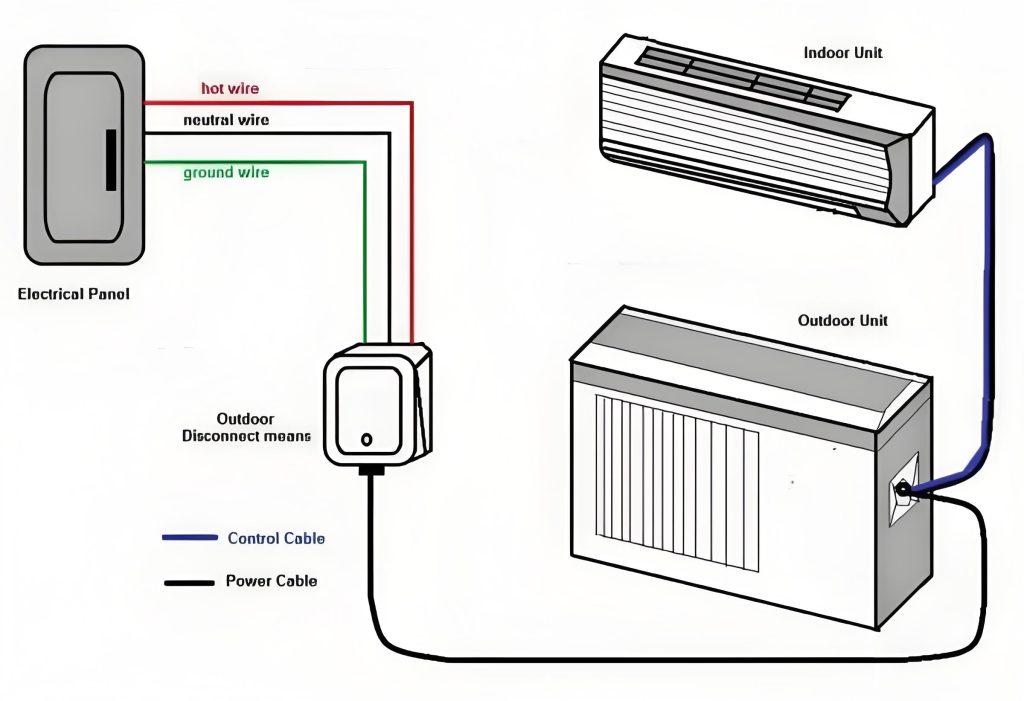
Air conditioning installation diagram
diagram split-type air conditioner
air conditioner unpackage
indoor unit installation
outdoor unit installation

Similar Posts

  • ข้อ 3 – วิธีทำความเข้าใจคำจำกัดความของ “ฉนวนพื้นฐาน”

    ตามที่แสดงในภาพซ้ายด้านล่าง เป็นภาพถ่ายฝาครอบด้านล่างของพัดลม และภาพขวาเป็นภาพถ่ายที่ไม่มีฝาครอบด้านล่าง ผิวลวดสีน้ำเงินและสีน้ำตาลภายในสายไฟในภาพด้านขวาถือได้ว่าเป็นฉนวนพื้นฐาน ในเวลาเดียวกัน สกินลวดสีขาว สีแดง และสีดำบนสวิตช์ที่เชื่อมต่อกับเปลือกสีดำสามารถถือเป็นฉนวนพื้นฐานได้ ส่วนที่มีกระแสไฟฟ้าที่นี่คือแกนทองแดงในเส้นลวด นอกจากนี้ ระยะห่างระหว่างตัวนำโลหะในสวิตช์และพื้นผิวด้านในของเปลือกสีขาวสามารถตัดสินได้ว่าเป็นฉนวนพื้นฐาน จากมุมมองของระยะตามผิวฉนวน กระแสไฟฟ้าในตัวนำภายในสวิตช์จะดำเนินการ (ไต่ขึ้น) ไปตามพื้นผิวฉนวนของสวิตช์ไปยังพื้นผิวด้านในของเปลือกสีขาว (มุมเล็กซ้ายของภาพขวา) และระยะนี้สามารถ ถือเป็นระยะห่างตามผิวฉนวนของฉนวนพื้นฐาน จากมุมมองของระยะห่างทางไฟฟ้า กระแสไฟฟ้าในตัวนำภายในสวิตช์จะถูกส่งโดยตรงผ่านอากาศระหว่างพื้นผิวด้านในของฝาครอบด้านล่างของพัดลมและเปลือกสวิตช์ และระยะห่างระหว่างอากาศนี้ถือเป็นระยะห่างของฉนวนพื้นฐาน (เปลือกพลาสติกสีขาวถือเป็นฉนวนเพิ่มเติม) ดังแสดงในรูปด้านล่าง ตัวนำเคลือบแล็คเกอร์ของขดลวดของมอเตอร์ได้รับการแก้ไขโดยกระดาษช่องสีขาวที่สอดเข้าไปในสเตเตอร์ของมอเตอร์ ขดลวดถูกระบุว่าเป็นชิ้นส่วนที่มีไฟฟ้าแบบเปิดโล่งตามมาตรฐาน ตัวนำเคลือบแล็คเกอร์ของขดลวดและสเตเตอร์ของมอเตอร์จะสร้างวงวนนำไฟฟ้าผ่านกระดาษช่อง (โดยทั่วไป หากเป็นเครื่องใช้ไฟฟ้าประเภท 1 สเตเตอร์ที่เชื่อมต่อกับตัวเรือนมอเตอร์จะถูกต่อสายดินด้วยเนื่องจากตัวเรือนมอเตอร์ต่อสายดิน ถ้าเป็นเช่นนั้น อุปกรณ์ประเภท II ตัวเรือนมอเตอร์ และสเตเตอร์ของมอเตอร์เป็นส่วนประกอบโลหะขั้นกลางที่ไม่มีการต่อสายดิน) แม้ว่าค่าการนำไฟฟ้าของกระดาษสล็อตจะไม่เพียงพอ แต่กระแสไฟอ่อนจะยังคงเกิดขึ้นบนกระดาษสล็อต ปริมาณกระแสไฟฟ้าที่สร้างขึ้นที่นี่เกี่ยวข้องโดยตรงกับประสิทธิภาพของกระดาษสล็อต วัสดุกระดาษช่องนี้สามารถกำหนดได้ว่าเป็นฉนวนพื้นฐาน พื้นผิวของกระดาษช่องสามารถเชื่อมต่อกับการเคลือบโลหะของขดลวด ดังนั้นระยะทางบนพื้นผิวกระดาษของช่องสามารถกำหนดเป็นระยะทางตามผิวฉนวนของฉนวนพื้นฐาน วัสดุของกระดาษสล็อตนั้นมีบทบาทเป็นฉนวนแข็ง (แม้ว่าจะไม่มีข้อกำหนดความหนาสำหรับฉนวนแข็ง แต่ก็ยังต้องเป็นไปตามข้อกำหนดกระแสไฟรั่วและความแข็งแรงทางไฟฟ้าของบทที่ 13 และ 16) ดังนั้น ระยะห่างทางไฟฟ้าในรูปด้านบนคือระยะห่างที่สั้นที่สุดระหว่างขดลวดและการเคลือบสเตเตอร์ในอากาศ ดังแสดงในรูปด้านล่าง และ nbsp; ลวดพันของมอเตอร์ไม่ได้รับการแก้ไขอย่างถูกต้องและอยู่ใกล้กับสเตเตอร์ของมอเตอร์มาก มันไม่สามารถตอบสนองข้อกำหนดระยะตามผิวฉนวนและระยะกวาดล้างของข้อ 29…

  • ข้อ 3 – วิธีทำความเข้าใจคำจำกัดความของ “ความปลอดภัยแรงดันไฟฟ้าต่ำพิเศษ”

    หมายเหตุ 2 แรงดันไฟฟ้าต่ำพิเศษเพื่อความปลอดภัยเรียกอีกอย่างว่า SELVจากชื่อ – แรงดันไฟฟ้าต่ำพิเศษด้านความปลอดภัย คำจำกัดความนี้มีคำว่า “ความปลอดภัย” มากกว่าแรงดันไฟฟ้าต่ำพิเศษ อย่างไรก็ตาม ในมาตรฐานนี้ เราได้อธิบายไว้ก่อนหน้านี้แล้วว่าแนวคิดเรื่องความปลอดภัยเป็นแนวคิดที่สัมพันธ์กัน ซึ่งได้รับการอธิบายไว้ในคำนำ-1 ที่นี่ เราต้องเพิ่มเติมว่า SELV มีข้อบังคับเกี่ยวกับค่าแรงดันไฟฟ้า แรงดันไฟฟ้าที่ระบุในที่นี้คือค่าประสิทธิผลของแรงดันไฟฟ้า โดยปกติ ค่าพีคของแรงดันไฟฟ้าจะสูงกว่าค่าประสิทธิผล และขีดจำกัดแรงดันไฟฟ้าที่ระบุในข้อ 8.1.4 เป็นข้อกำหนดสำหรับค่าพีค เราจะอธิบายข้อกำหนดการทดสอบโดยละเอียดในข้อ 8.1.4 หมายเหตุ 2 ของย่อหน้าแรกในข้อ 3 ให้ประโยค “หมายเหตุ 2 เมื่อใช้เงื่อนไข “แรงดันไฟฟ้า” และ “ปัจจุบัน” จะมีค่า r.m.s. เว้นแต่จะระบุไว้เป็นอย่างอื่น” ดังแสดงในรูปด้านล่าง หม้อแปลงไฟฟ้ามีขายึดพลาสติกสามตัววางในแนวตั้งลงในแผ่นดิสก์เพื่อแยกขดลวดปฐมภูมิและขดลวดทุติยภูมิ (ขดลวดปฐมภูมิและขดลวดทุติยภูมิถูกพันด้วยเทปพลาสติกสีน้ำเงินด้านนอก) และขดลวดปฐมภูมิและขดลวดทุติยภูมิคือ แยกตัวออกจากร่างกายเราจะอธิบายโครงสร้างของหม้อแปลงแยกความปลอดภัยโดยละเอียดในโพสต์ถัดไป Here, we need to add that SELV has regulations on voltage…

  • ข้อ 3 – จะเข้าใจคำจำกัดความของ “อุปกรณ์คลาส III” ได้อย่างไร

    หมายเหตุ อาจจำเป็นต้องใช้ฉนวนพื้นฐานเพิ่มเติมจากการจัดหาที่ SELV อ้างถึง 8.1.4.คำว่า “ความปลอดภัย” รวมอยู่ในคำสี่คำ “ความปลอดภัยแรงดันไฟฟ้าต่ำพิเศษ” แต่ไม่ได้หมายความว่า SELV ปลอดภัย และไม่จำเป็นต้องปลอดภัยเมื่อสัมผัสโดยตรง เฉพาะวงจรไฟฟ้าแรงต่ำพิเศษด้านความปลอดภัยที่เป็นไปตามข้อกำหนดมาตรฐานข้อ 8.1.4 เท่านั้นที่สามารถสัมผัสได้โดยตรง เราจะวิเคราะห์และอธิบายสิ่งนี้โดยเฉพาะเมื่อวิเคราะห์ข้อ 8.1.4. พัดลมที่แสดงในภาพด้านล่างสามารถกำหนดเป็นอุปกรณ์คลาส III ได้ อย่างไรก็ตาม พัดลมชนิดนี้มีสองหู ซึ่งทำให้ไม่เป็นไปตามข้อ 22.44 เราจะอธิบายรายละเอียดในภายหลัง The word “safety” is included in the four words “safety extra low voltage”, but this does not mean that SELV is safe, and it is not necessarily safe to touch…

  • Clause 3 – How to understand the definition of “accessible part”

    accessible part: part or surface that can be touched by means of test probe B of IEC 61032, and if the part or surface is metal, any conductive part connected to it.NOTE Accessible non-metallic parts with conductive coatings are considered to be accessible metal parts. There are some parts or surfaces in the appliance that…

  • ข้อ 3 – วิธีทำความเข้าใจคำจำกัดความของ “การก่อสร้างประเภท 3”

    หมายเหตุ อาจจำเป็นต้องใช้ฉนวนพื้นฐานเพิ่มเติมจากการจัดหาที่ SELV อ้างถึง 8.1.4.หมายเหตุ 2 ถ้าส่วนหลักของเครื่องใช้ไฟฟ้าทำงานที่ SELV และจัดส่งพร้อมกับหน่วยจ่ายไฟแบบถอดได้ ส่วนหลักของเครื่องใช้ไฟฟ้านี้ถือเป็นโครงสร้างประเภท III ในเครื่องใช้ไฟฟ้าประเภท I หรือเครื่องใช้ไฟฟ้าประเภท II ตามความเหมาะสม ที่นี่ ขอย้ำอีกครั้งว่าเน้นที่ส่วนหนึ่งของอุปกรณ์ คำอธิบายในหมายเหตุ 1 มีความเข้มงวดมากขึ้น เนื่องจากคำจำกัดความในที่นี้กำหนดแรงดันไฟฟ้าต่ำพิเศษเพื่อความปลอดภัย แต่แรงดันไฟฟ้าต่ำพิเศษเพื่อความปลอดภัยเป็นเพียงส่วนหนึ่งที่สามารถสัมผัสได้ ถ้าเป็นไปตามข้อกำหนดในข้อ 8.1.4 เครื่องใช้ไฟฟ้าใช้พลังงานจากอะแดปเตอร์แบบเสียบได้ (ไม่มีสายดินป้องกัน) และอะแดปเตอร์และอุปกรณ์จะถูกส่งไปยังผู้ใช้ร่วมกัน อะแดปเตอร์และเครื่องใช้ไฟฟ้ารวมกันถือเป็นเครื่องใช้ไฟฟ้าประเภท II เนื่องจากอะแดปเตอร์เป็น Class II จึงกำหนดระดับการป้องกันไฟฟ้าช็อต อย่างไรก็ตาม อุปกรณ์ที่มีพัดลมเพียงอย่างเดียวนั้นเป็นโครงสร้าง Class III ซึ่งเป็นโครงสร้าง Class III ในเครื่องใช้ไฟฟ้า Class II แน่นอนว่า มีอีกสถานการณ์หนึ่ง นั่นคือ PCB ของแหล่งจ่ายไฟแบบสวิตช์ถูกฝังอยู่ในอุปกรณ์ และ PCB ของแหล่งจ่ายไฟแบบสวิตช์นี้สามารถให้วงจร SELV ได้ จากนั้น…

  • Clause 3 – How to Understand the Definition of “all-pole disconnection”

    all-pole disconnection: disconnection of both supply conductors by a single initiating action or, for multi-phase appliances, disconnection of all supply conductors by a single initiating actionNOTE For multi-phase appliances, the neutral conductor is not considered to be a supply conductor. Single-phase power: An AC power system composed of one live wire and one neutral wire.​Three-phase…