Clause 3 – How to understand the definition of “built-in appliance”

built-in appliance: fixed appliance intended to be installed in a cabinet, in a prepared recess in a wall or in a similar location.

Here, because the appliance must be installed in a reserved position (usually a cubic space with only one side open), it is a fixed installation and can be regarded as a fixed appliance.
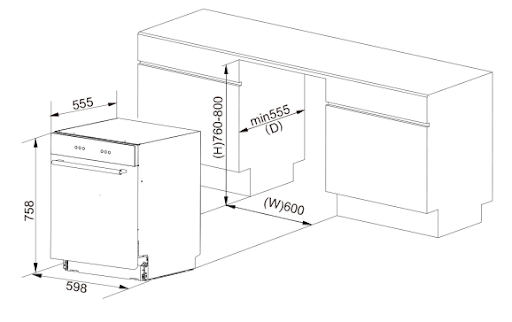
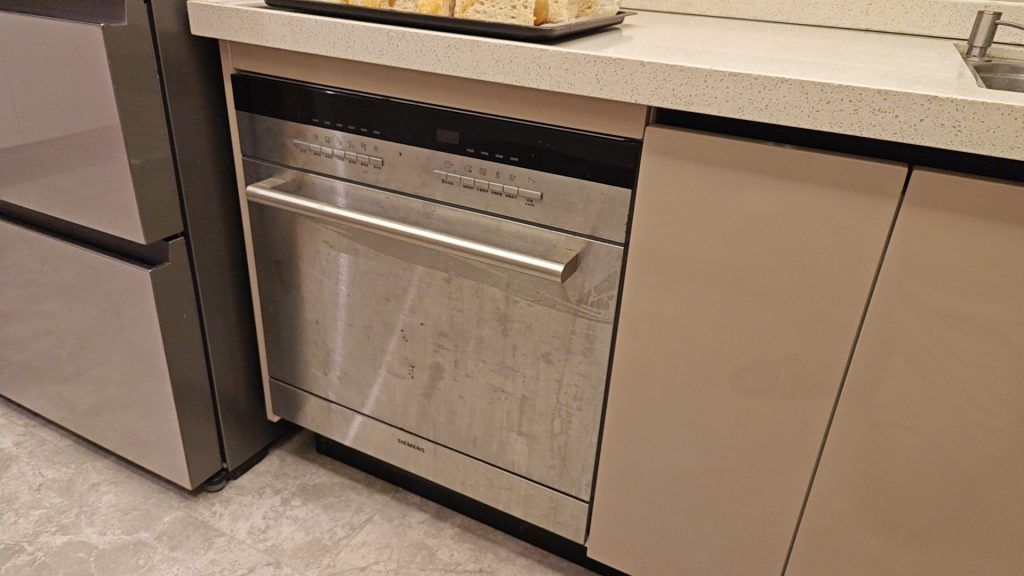
The installation method shown in the following dishwasher installation diagram and the photos after installation is a typical built-in appliance. Similar products such as ovens, refrigerators, and dishwashers are also designed with built-in installation construction.
There has always been a controversy, if it is an appliance that is installed through the wall, such as an exhaust fan, window air conditioner (as shown below). Are they also built-in appliance?
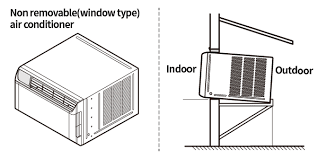
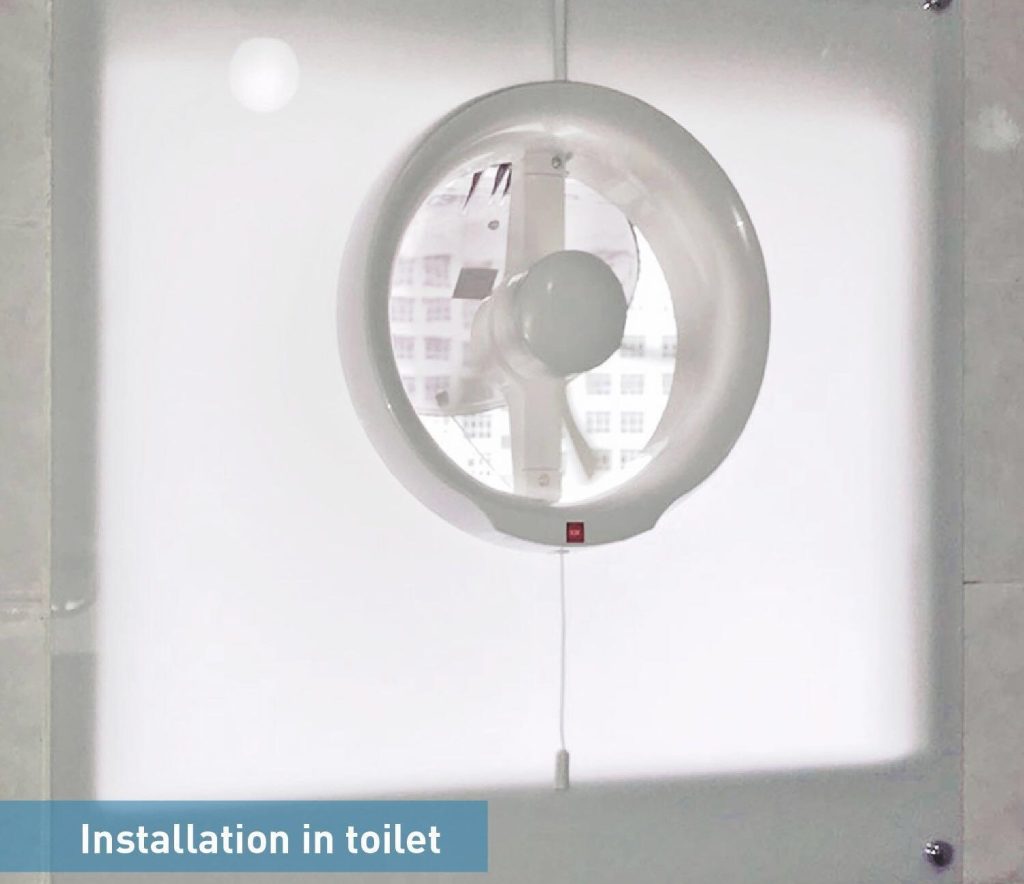
They are also installed in a pre-prepared position. Judging from the definition, the standard seems to mean that this reserved installation position is not through-type. However, from the perspective of installation effect and use effect, they are quite similar. According to the requirements of clause 7.12.4 on instruction for built-in appliances, these are actually also applicable to the through-type installation products we mentioned. In order to better ensure the safety of the products, it is safer to define them as built-in appliances.

Similar Posts

  • Clause 3 – How to understand the definition of “PTC heating element”

    PTC heating element: element intended for heating consisting mainly of positive temperature coefficient resistors that are thermally sensitive and have a rapid non-linear increase in resistance when the temperature is raised through a particular range. As the temperature increases, the resistance of the heating element of the PTC heating element increases. The relationship between temperature…

  • ข้อ 3 – วิธีทำความเข้าใจคำจำกัดความของ “หม้อแปลงแยกความปลอดภัย”

    หม้อแปลงที่กล่าวถึงในที่นี้ใช้เพื่อจ่ายไฟให้กับเครื่องใช้ไฟฟ้าหรือวงจร หม้อแปลงทั่วไปส่วนใหญ่จะจ่ายไฟให้กับวงจร และจ่ายไฟให้กับเครื่องใช้ไฟฟ้าบางส่วน สิ่งสำคัญที่นี่คือการวัดการแยกระหว่างขดลวดอินพุตและขดลวดเอาต์พุต ซึ่งต้องเป็นฉนวนสองชั้นหรือฉนวนเสริมแรง หรือฉนวนชนิดเทียบเท่า ข้อกำหนดนี้คือเพื่อให้แน่ใจว่าขดลวดปฐมภูมิและขดลวดทุติยภูมิมีฉนวนเพียงพอ หากฉนวนเพียงพอ การแยกระหว่างขดลวดปฐมภูมิและขดลวดทุติยภูมิของหม้อแปลงไฟฟ้าจะค่อนข้างปลอดภัย ข้อควรระวังในการป้องกันสองชั้น หม้อแปลงไฟฟ้าที่ใช้กันมากที่สุดสองตัวในเครื่องใช้ในครัวเรือนแสดงในรูปด้านล่าง หม้อแปลงชนิดแรกที่ใช้ในบอร์ด PCBboard ของสวิตช์ไฟ หม้อแปลงชนิดนี้จะวางขดลวดปฐมภูมิและขดลวดทุติยภูมิทับบนแกนแม่เหล็กเดียวกัน ดังนั้น เพื่อให้แน่ใจว่าระยะห่างตามผิวฉนวนและระยะห่างทางไฟฟ้าระหว่างปฐมภูมิและทุติยภูมิ จึงไม่สามารถวางขดลวดที่พันไว้บนใบหน้าส่วนบนและส่วนล่างได้ ขดลวดจะต้องอยู่ห่างจากผิวหน้าด้านบนและด้านล่าง ดังแสดงในรูปด้านล่าง: เพื่อช่วยให้ผู้อ่านเข้าใจโครงสร้างของหม้อแปลงนี้ได้ดีขึ้น ผมจึงได้นำรูปถ่ายภายนอกและภายในของหม้อแปลงทั้งหมดมาไว้ในหน้านี้เพื่อใช้อ้างอิงสำหรับผู้อ่าน มุมมองโดยรวมสำหรับหม้อแปลงฉนวนนิรภัย The other is a drawer-type linear transformer, as shown below:

  • ข้อ 3 – วิธีทำความเข้าใจคำจำกัดความของ “กระแสไฟฟ้าที่ได้รับการจัดอันดับ”

    หมายเหตุ หากไม่มีการกำหนดกระแสไฟฟ้าให้กับเครื่องใช้ไฟฟ้า กระแสไฟที่กำหนดจะเป็น– สำหรับเครื่องทำความร้อน กระแสไฟฟ้าคำนวณจากกำลังไฟเข้าที่กำหนดและแรงดันไฟฟ้าที่กำหนด– สำหรับเครื่องใช้ไฟฟ้าที่ทำงานด้วยมอเตอร์และเครื่องใช้ไฟฟ้าแบบรวม กระแสไฟฟ้าที่วัดได้เมื่อจ่ายเครื่องใช้ไฟฟ้าด้วยแรงดันไฟฟ้าที่กำหนดและทำงานภายใต้การทำงานปกติ สิ่งนี้สอดคล้องกับกำลังไฟฟ้าเข้าที่กำหนด และถูกกำหนดในลักษณะเดียวกับกำลังไฟฟ้าเข้าที่กำหนด หมายเหตุแรกของข้อนี้ เครื่องทำความร้อน เนื่องจากมีเพียงองค์ประกอบความร้อนไฟฟ้าเพื่อให้ความร้อนเท่านั้น องค์ประกอบความร้อนนี้โดยพื้นฐานแล้วจะมีโหลดความต้านทานเพียงอย่างเดียว ดังนั้นคุณจึงสามารถปฏิบัติตามวิธีการคำนวณทางคณิตศาสตร์ได้โดยตรง เนื่องจากกระแสจะเท่ากับกำลังไฟฟ้าเข้าที่หาร โดยแรงดันไฟฟ้าที่กำหนด (P = U/I) หมายเหตุประการที่สอง เนื่องจากผลิตภัณฑ์ไม่ใช่โหลดที่มีความต้านทานเพียงอย่างเดียว ดังนั้นตามสูตรการคำนวณ P = U/I จึงไม่ได้ให้ผลลัพธ์ที่ถูกต้อง มีเพียงการทดสอบเพื่อให้ได้ค่าปัจจุบันเท่านั้นโดยทั่วไปมีบ้างเครื่องใช้ไฟฟ้าที่ทำงานด้วยมอเตอร์ มีป้ายระบุพิกัดกระแสในป้ายพิกัด เช่น ตู้เย็น เครื่องปรับอากาศส่วนใหญ่จะมีทั้งกำลังไฟเข้าพิกัดและกระแสไฟพิกัดบนป้ายพิกัด ฉลากจัดอันดับสำหรับตู้เย็น ป้ายเรตติ้งเครื่องปรับอากาศ rating label for air conditioner

  • ข้อ 3 – จะเข้าใจคำจำกัดความของ “ฉนวนเสริม” ได้อย่างไร

    ดังแสดงในรูปด้านล่าง จากพื้นผิวด้านนอกของฉนวนพื้นฐาน (ในที่นี้สามารถเข้าใจได้ว่าเป็นพื้นผิวด้านนอกของปลอกลวดของลวดภายใน หรือพื้นผิววัสดุพลาสติกของสวิตช์) ไปยังตำแหน่งที่สามารถทำได้ จากภาพตัวอย่างที่ผู้ใช้สัมผัส (ฝาครอบด้านล่างหรือด้านข้างของเครื่องใช้ไฟฟ้า) สามารถพิจารณาว่าฝาครอบด้านล่างและด้านข้างของเครื่องใช้ไฟฟ้าเป็นฉนวนเสริมได้ ในทำนองเดียวกัน ระยะห่างตามผิวฉนวนจากปลอกลวดตะกั่วภายในตามพื้นผิวด้านในของเปลือกด้านข้างไปยังตำแหน่งที่ผู้ใช้ภายนอกสัมผัสได้สามารถกำหนดเป็นฉนวนเสริมได้ จากนั้นเป็นระยะทางเส้นตรงที่สั้นที่สุดจากฉนวนพื้นฐานภายใน ผ่านอากาศไปยังสถานที่ที่ผู้ใช้ภายนอกสามารถสัมผัสได้สามารถกำหนดเป็นระยะห่างของฉนวนเสริมได้ ระยะห่างโดยทั่วไปหมายถึงช่องว่างระหว่างเปลือกด้านล่างและเปลือกด้านข้าง An insulation that is outside the basic insulation and is independent of the basic insulation, and is usually accessible to the user. supplementary insulation, as the name implies, is additional, and refers to insulation added to the basic insulation. This involves a…

  • Clause 3 – How to Understand the Definition of “Intentionally Weak Part”

    intentionally weak part: A part intended to rupture under abnormal operating conditions to prevent the occurrence of a condition that could impair compliance with this standard.NOTE: Such a part may be a replaceable component, such as a resistor or capacitor, or a part of a component to be replaced, such as an inaccessible thermal link

  • Clause 3 – How to understand the definition of “stationary appliance”

    stationary appliance: fixed appliance or an appliance which is not a portable appliance. Stationary appliance includes fixed appliance and not a portable appliance. The characteristic of a stationary appliance is that once it is put into use, it will be placed in a fixed position. At the same time, the position of the appliances will…