Clause 3 – How to understand the definition of “built-in appliance”

built-in appliance: fixed appliance intended to be installed in a cabinet, in a prepared recess in a wall or in a similar location.

Here, because the appliance must be installed in a reserved position (usually a cubic space with only one side open), it is a fixed installation and can be regarded as a fixed appliance.
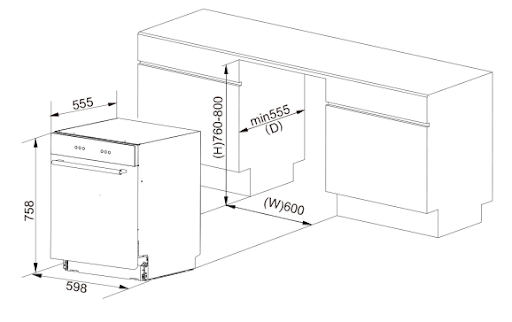
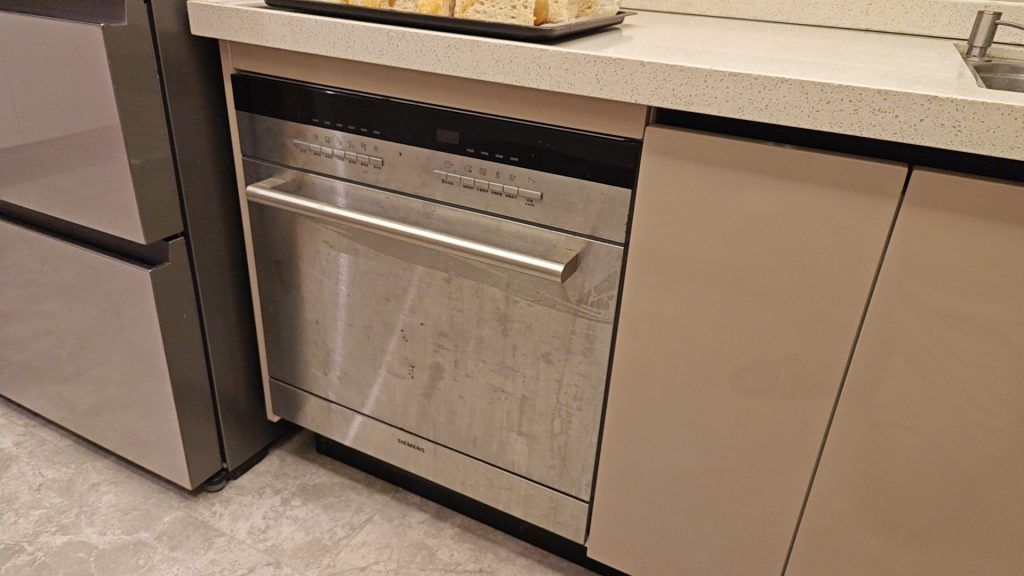
The installation method shown in the following dishwasher installation diagram and the photos after installation is a typical built-in appliance. Similar products such as ovens, refrigerators, and dishwashers are also designed with built-in installation construction.
There has always been a controversy, if it is an appliance that is installed through the wall, such as an exhaust fan, window air conditioner (as shown below). Are they also built-in appliance?
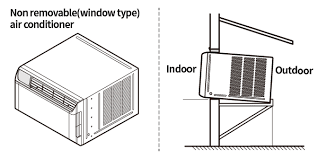
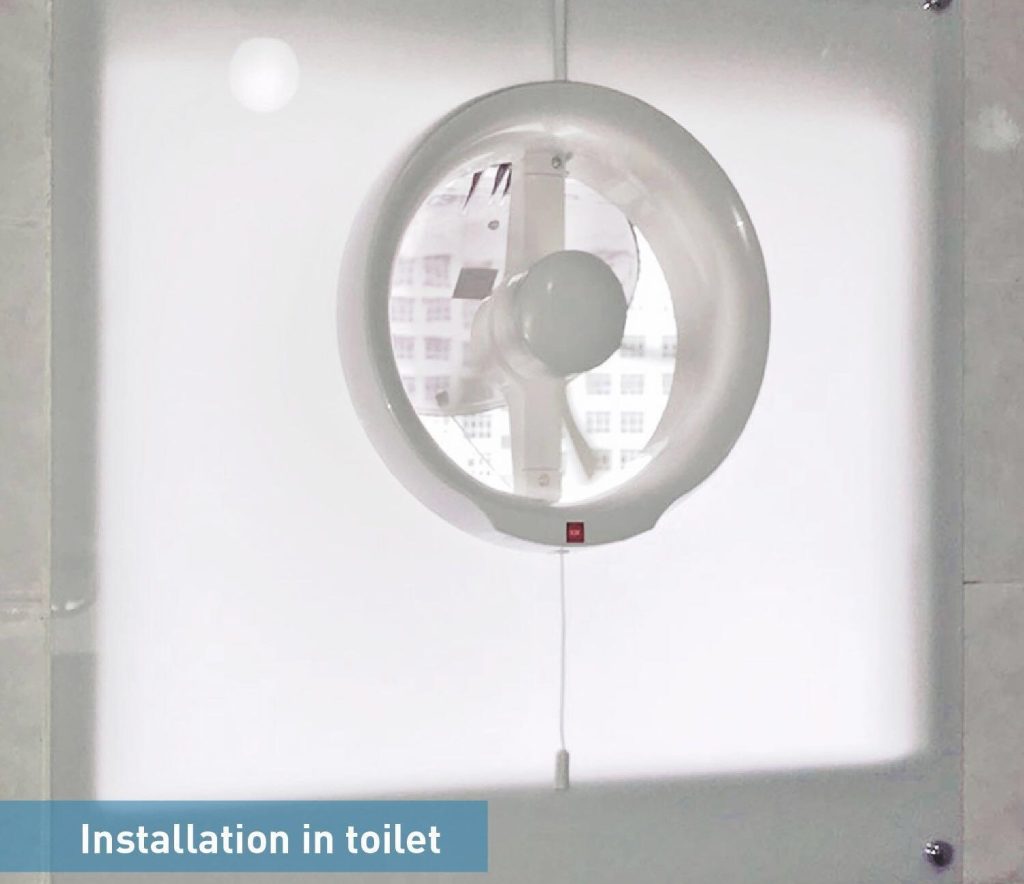
They are also installed in a pre-prepared position. Judging from the definition, the standard seems to mean that this reserved installation position is not through-type. However, from the perspective of installation effect and use effect, they are quite similar. According to the requirements of clause 7.12.4 on instruction for built-in appliances, these are actually also applicable to the through-type installation products we mentioned. In order to better ensure the safety of the products, it is safer to define them as built-in appliances.

Similar Posts

  • ข้อ 3 – จะเข้าใจคำจำกัดความของ “ความต้านทานเชิงป้องกัน” ได้อย่างไร

    กรณีที่ 1: อิมพีแดนซ์ป้องกันทั้งสองเชื่อมต่อระหว่างขดลวดปฐมภูมิและขดลวดทุติยภูมิของหม้อแปลง T2 เส้นประในรูปด้านล่างแสดงถึงการแยกระหว่างส่วนแรงดันไฟฟ้าทำงาน 220-240V และส่วนแรงดันไฟฟ้าทำงานต่ำ (SELV)รูปด้านล่างคือแผนภาพวงจรของเครื่องกำเนิดไอออนลบ ตัวต้านทานสองตัวที่เลือกโดยสี่เหลี่ยมสีแดงนั้นเป็นอิมพีแดนซ์ในการป้องกันโดยทั่วไป ในภาพด้านล่าง มีอิมพีแดนซ์ป้องกัน CY1 และ CY2 หรือไม่ จากคำจำกัดความของมาตรฐาน อิมพีแดนซ์ป้องกันถูกใช้ในโครงสร้างประเภท II ที่มีการต่อสายดิน หากการต่อสายดินที่นี่ถูกกำหนดให้เป็นการต่อสายดินการป้องกัน เห็นได้ชัดว่า CY1 และ CY2 ไม่สามารถกำหนดเป็นอิมพีแดนซ์การป้องกันได้ เนื่องจากอิมพีแดนซ์การป้องกันถูกใช้ในการก่อสร้างคลาส II และนี่คือการก่อสร้างคลาส I ถ้าการต่อสายดินและ nbsp;ในที่นี้ถูกกำหนดให้เป็นการต่อสายดินเชิงฟังก์ชัน แสดงว่ามีปัญหาสองประการ ประการแรก นี่คือโครงสร้างคลาส I ดังนั้น CY1 และ CY2 จึงไม่สามารถกำหนดเป็นอิมพีแดนซ์การป้องกันได้ ประการที่สอง หากเป็นโครงสร้างคลาส II ก็สามารถกำหนด CY1 และ CY2 เป็นอิมพีแดนซ์การป้องกันได้ จากนั้นจึงจำเป็นต้องปฏิบัติตามข้อกำหนดที่เกี่ยวข้องของอิมพีแดนซ์การป้องกัน ความเห็นส่วนตัวของฉันคือ CY1 และ CY2 ไม่ใช่อิมพีแดนซ์ป้องกัน และเราสามารถถือเป็นฉนวนพื้นฐานได้โดยตรง…

  • Clause 3 – How to Understand the Definition of “visibly glowing heating element”

    visibly glowing heating element: heating element that is partly or completely visible from the outside of the appliance and has a temperature of at least 650 °C when the appliance has been operated under normal operation at rated power input until steady conditions have been established. The heating element needs to be able to emit…

  • ข้อ 3 – วิธีทำความเข้าใจคำจำกัดความของ “ช่วงความถี่ที่กำหนด”

    ความถี่ที่กำหนดในรูปแบบของช่วง โดยทั่วไปคือ 50-60 Hz แต่ทุกประเทศในโลกมีความถี่หลัก 50 Hz หรือ 60 Hz จึงไม่มีค่าความถี่กลาง ดังนั้น คำจำกัดความจึงไม่มีความหมายมากนัก อย่างไรก็ตาม ยังมีผู้ซื้อหรือผู้ผลิตที่ให้ช่วงความถี่ในรูปแบบ 50-60Hz ในความคิดของฉัน แม้จะพิจารณาความผันผวนของความถี่ที่เกิดจากแรงดันไฟฟ้าของอาคารที่ไม่เสถียร 50-60Hz ก็ไม่ได้คำนึงถึงสถานการณ์ที่น้อยกว่า 50Hz หรือมากกว่า 60Hz ดังนั้น ฉันขอแนะนำให้ทำเครื่องหมายความถี่ที่กำหนดเป็น 50/60Hz โดยตรงTherefore, I recommend marking the rated frequency as 50/60Hz directly.

  • Clause 3 – How to understand the definition of “thermostat”

    thermostat: temperature-sensing device, the operating temperature of which may be either fixed or adjustable and which during normal operation keeps the temperature of the controlled part between certain limits by automatically opening and closing a circuit. The thermostat itself does not control the temperature, the thermostat senses the temperature and controls the temperature by switching…

  • How are the creepage distances and electrical clearances of PTC heating element surfaces determined?

    We are discussing here the second structure of the PTC heating element, PTC heating element structure please refer to the explanation of its definition. How is the creepage distance of the functional insulation at the location of the red circle in Figure 1 determined? We all know that NOTE 1 of TABLE 18 section has…

  • ข้อ 3 – จะเข้าใจคำจำกัดความของ “การกวาดล้าง” ได้อย่างไร

    พื้นผิวที่เข้าถึงได้การกวาดล้างเป็นแนวคิดที่สำคัญมาก เพื่อให้เข้าใจถึงการกวาดล้าง เราต้องพูดอีกครั้งว่าไม่มีสารใดเป็นฉนวนโดยสมบูรณ์ และอากาศก็สามารถนำไฟฟ้าได้เช่นกัน เมื่อแรงดันไฟฟ้าสูงมาก กระแสไฟฟ้าจะถูกนำผ่านอากาศ ฟ้าผ่าระหว่างเกิดพายุฝนฟ้าคะนองเป็นตัวอย่างทั่วไปของฟ้าผ่าที่ผ่านอากาศ แรงดันไฟฟ้าของฟ้าผ่าสูงมาก จึงสามารถทะลุผ่านอากาศส่วนที่ยาวมากได้ ทำให้อากาศส่วนนี้เป็นสื่อกระแสไฟฟ้า ในเครื่องใช้ไฟฟ้าในครัวเรือนถึงแม้แรงดันไฟฟ้าจะต่ำมาก แต่ก็มีอากาศอยู่ในผลิตภัณฑ์เป็นจำนวนมาก และกระแสไฟจะถูกนำผ่านอากาศด้วย เมื่อแรงดันไฟฟ้าเพิ่มขึ้น ระยะทางที่แรงดันไฟฟ้าอาจทะลุผ่านอากาศก็จะนานขึ้นเช่นกัน สิ่งนี้ทำให้เกิดแนวคิดเรื่องการกวาดล้าง สำหรับคำอธิบายโดยละเอียดเกี่ยวกับการกวาดล้าง โปรดดู IEC 60664-1 (การประสานงานของฉนวนสำหรับอุปกรณ์ภายในระบบไฟฟ้าแรงต่ำ – ส่วนที่ 1: หลักการ ข้อกำหนด และการทดสอบ)ฉันคิดว่ารูปภาพต่อไปนี้สามารถอธิบายเส้นทางการกวาดล้างทางไฟฟ้าได้ดี ช่องว่างอาจเกิดขึ้นระหว่างอิเล็กโทรดสองตัวที่มีแรงดันไฟฟ้าต่างกัน หรือระหว่างชิ้นส่วนที่มีไฟฟ้ากับมือของผู้ใช้ผลิตภัณฑ์ไฟฟ้า คุณเพียงแค่ต้องจินตนาการว่าอิเล็กโทรดทั้งสองในภาพด้านบนเป็นวัตถุอื่น เมื่อเราอธิบายฉนวนพื้นฐานและฉนวนตามการใช้งาน เราได้ให้ภาพถ่ายจริงบางส่วนเพื่ออธิบายตัวอย่างการกวาดล้างและการเคลื่อนตัว รูปที่ 11 – ตัวอย่างระยะห่างในมาตรฐาน IEC 60335-1 เป็นตัวอย่างง่ายๆ จากตัวเลขนี้ เราสามารถคิดถึงคุณลักษณะพื้นฐานของอุปกรณ์คลาส II โครงสร้างคลาส II อุปกรณ์คลาส I และการสร้างคลาส I คีย์ 1 ชิ้นส่วนโลหะที่ขุดขึ้นมาและเข้าถึงได้2 กล่องหุ้ม3 ชิ้นส่วนโลหะที่ต่อลงดินที่เข้าถึงได้4 ชิ้นส่วนโลหะที่ขุดขึ้นมาซึ่งเข้าถึงไม่ได้ส่วนที่มีไฟฟ้า L1…