ข้อ 3 – จะเข้าใจคำจำกัดความของ “ฉนวนเสริม” ได้อย่างไร

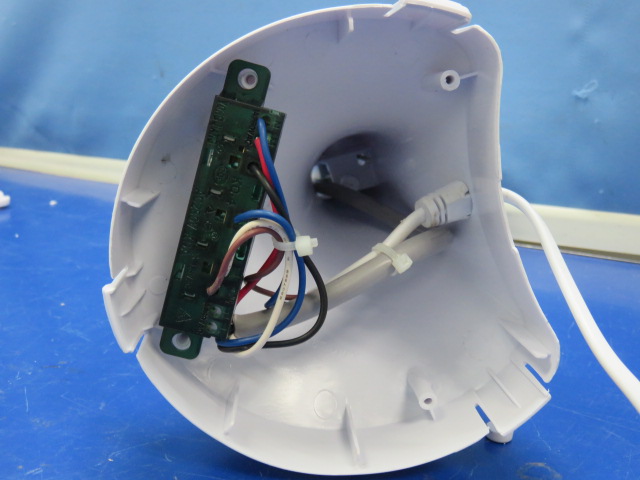
ดังแสดงในรูปด้านล่าง จากพื้นผิวด้านนอกของฉนวนพื้นฐาน (ในที่นี้สามารถเข้าใจได้ว่าเป็นพื้นผิวด้านนอกของปลอกลวดของลวดภายใน หรือพื้นผิววัสดุพลาสติกของสวิตช์) ไปยังตำแหน่งที่สามารถทำได้ จากภาพตัวอย่างที่ผู้ใช้สัมผัส (ฝาครอบด้านล่างหรือด้านข้างของเครื่องใช้ไฟฟ้า) สามารถพิจารณาว่าฝาครอบด้านล่างและด้านข้างของเครื่องใช้ไฟฟ้าเป็นฉนวนเสริมได้ ในทำนองเดียวกัน ระยะห่างตามผิวฉนวนจากปลอกลวดตะกั่วภายในตามพื้นผิวด้านในของเปลือกด้านข้างไปยังตำแหน่งที่ผู้ใช้ภายนอกสัมผัสได้สามารถกำหนดเป็นฉนวนเสริมได้ จากนั้นเป็นระยะทางเส้นตรงที่สั้นที่สุดจากฉนวนพื้นฐานภายใน ผ่านอากาศไปยังสถานที่ที่ผู้ใช้ภายนอกสามารถสัมผัสได้สามารถกำหนดเป็นระยะห่างของฉนวนเสริมได้ ระยะห่างโดยทั่วไปหมายถึงช่องว่างระหว่างเปลือกด้านล่างและเปลือกด้านข้าง

An insulation that is outside the basic insulation and is independent of the basic insulation, and is usually accessible to the user. supplementary insulation, as the name implies, is additional, and refers to insulation added to the basic insulation. This involves a basic principle of this standard, namely the principle of double protection. For any hazard, there must be at least two layers or two sets of protection measures. If one of the protection measures fails, the appliance can still be protected by another layer of protection. The requirement for additional insulation here is to consider the insulation that can play a protective role when the basic insulation fails. The protection here is only for the protection of live parts. There will be requirements for double protection measures for non-live parts in other requirement of this standard.

As shown in the figure below, from the outer surface of the basic insulation (here it can be understood as the outer surface of the wire sheath of the internal wire, or the plastic material surface of the switch) to the place that can be touched by the user (the bottom cover or the side shell of the appliance), from the example picture, the bottom cover and the side shell of the appliance can be judged as supplementary insulation. Correspondingly, the creepage distance from the internal lead wire sheath along the inner surface of the side shell to the place that can be touched by the external user can be defined as the supplementary insulation, then the shortest straight-line distance from the internal basic insulation through the air to the place that can be touched by the external user can be defined as the supplementary insulation clearance. The clearance here generally refers to the gap between the bottom shell and the side shell.


Similar Posts

  • Clause 3 – How to understand the definition of “built-in appliance”

    built-in appliance: fixed appliance intended to be installed in a cabinet, in a prepared recess in a wall or in a similar location. Here, because the appliance must be installed in a reserved position (usually a cubic space with only one side open), it is a fixed installation and can be regarded as a fixed…

  • Clause 3 – How to understand the definition of “live part”

    live part: conductor or conductive part intended to be energized in normal use, including a neutral conductor but, by convention, not a PEN conductorNOTE 1 Parts, accessible or not, complying with 8.1.4 are not considered to be live parts.NOTE 2 A PEN conductor is a protective earthed neutral conductor combining the functions of both a…
  • Clause 3 – How to understand the definition of “portable appliance”

    portable appliance: appliance that is intended to be moved while in operation or an appliance, other than a fixed appliance, having a mass less than 18 kg. This item is relatively easy to understand. Products that are less than 18kg are relatively light, so they are easy to move during operation, including humidifiers, fans, air…

  • 8.1.5 What exactly does it protect against?

    8.1.5 Live parts of built-in appliances, fixed appliances, and appliances delivered in separate units shall be protected by at least basic insulation before installation or assembly. Compliance is checked by inspection and the test in 8.1.1.Why is this requirement in place? I believe there are three types of hazards that require protection. The first is…

  • ข้อ 3 – จะเข้าใจคำจำกัดความของ “แรงดันไฟฟ้าต่ำพิเศษ” ได้อย่างไร

    ตามคำจำกัดความของ EU Low Voltage Directive แรงดันไฟฟ้าต่ำมีช่วงตั้งแต่ 50-1000V สำหรับ AC และ 75-1500V สำหรับ DC อย่างไรก็ตาม ประเทศส่วนใหญ่แบ่งแรงดันไฟฟ้าสูงและต่ำตามค่าแรงดันไฟฟ้านี้ ดังนั้น แรงดันไฟฟ้าที่สูงกว่าขีดจำกัดบนของช่วงจึงเป็นแรงดันไฟฟ้าสูงและแรงดันไฟฟ้าที่ต่ำกว่าขีดจำกัดล่างของช่วงคือแรงดันไฟฟ้าต่ำเป็นพิเศษ คำจำกัดความในมาตรฐานนี้ไม่ได้แยกความแตกต่างระหว่าง DC และ AC โปรดทราบว่าที่นี่มีการกำหนดชื่อแรงดันไฟฟ้าตามค่าแรงดันไฟฟ้าเท่านั้น และไม่ได้กำหนดบางส่วนของวงจรแรงดันต่ำ เนื่องจากแรงดันไฟฟ้ามีความสัมพันธ์กัน เมื่อวัดแรงดันไฟฟ้า จะต้องวัดแรงดันไฟฟ้าระหว่างปลายทั้งสอง กล่าวคือ แรงดันไฟฟ้าต้องมีจุดอ้างอิง ดังนั้น มาตรฐานจึงกล่าวถึงแรงดันไฟฟ้าระหว่างสายไฟและระหว่างสายไฟกับกราวด์ แรงดันไฟฟ้าขาออกของแบตเตอรี่อัลคาไลน์ในครัวเรือนทั่วไป, แรงดันไฟฟ้าในการทำงานของวงจรแรงดันต่ำหลังหม้อแปลงหรือวงจร RC step-down บนแผงวงจรควบคุมของเครื่องใช้ในครัวเรือนทั่วไปซึ่งทั้งหมดสามารถกำหนดได้ว่าเป็นแรงดันไฟฟ้าต่ำพิเศษ . ดังแสดงในรูปด้านล่าง R1 และ C1 ทำหน้าที่ลดแรงดันไฟฟ้าได้ครบถ้วน ดังนั้นวงจรที่อยู่ถัดจาก R1 และ C1 จึงสามารถกำหนดเป็นวงจรแรงดันไฟฟ้าต่ำพิเศษได้ As shown in the figure below, R1 and C1…

  • ข้อ 3 – จะเข้าใจคำจำกัดความของ “อุปกรณ์คลาส III” ได้อย่างไร

    หมายเหตุ อาจจำเป็นต้องใช้ฉนวนพื้นฐานเพิ่มเติมจากการจัดหาที่ SELV อ้างถึง 8.1.4.คำว่า “ความปลอดภัย” รวมอยู่ในคำสี่คำ “ความปลอดภัยแรงดันไฟฟ้าต่ำพิเศษ” แต่ไม่ได้หมายความว่า SELV ปลอดภัย และไม่จำเป็นต้องปลอดภัยเมื่อสัมผัสโดยตรง เฉพาะวงจรไฟฟ้าแรงต่ำพิเศษด้านความปลอดภัยที่เป็นไปตามข้อกำหนดมาตรฐานข้อ 8.1.4 เท่านั้นที่สามารถสัมผัสได้โดยตรง เราจะวิเคราะห์และอธิบายสิ่งนี้โดยเฉพาะเมื่อวิเคราะห์ข้อ 8.1.4. พัดลมที่แสดงในภาพด้านล่างสามารถกำหนดเป็นอุปกรณ์คลาส III ได้ อย่างไรก็ตาม พัดลมชนิดนี้มีสองหู ซึ่งทำให้ไม่เป็นไปตามข้อ 22.44 เราจะอธิบายรายละเอียดในภายหลัง The word “safety” is included in the four words “safety extra low voltage”, but this does not mean that SELV is safe, and it is not necessarily safe to touch…