หมายเหตุ อาจจำเป็นต้องใช้ฉนวนพื้นฐานเพิ่มเติมจากการจัดหาที่ SELV อ้างถึง 8.1.4. คำว่า “ความปลอดภัย” รวมอยู่ในคำสี่คำ “ความปลอดภัยแรงดันไฟฟ้าต่ำพิเศษ” แต่ไม่ได้หมายความว่า SELV ปลอดภัย และไม่จำเป็นต้องปลอดภัยเมื่อสัมผัสโดยตรง เฉพาะวงจรไฟฟ้าแรงต่ำพิเศษด้านความปลอดภัยที่เป็นไปตามข้อกำหนดมาตรฐานข้อ 8.1.4 เท่านั้นที่สามารถสัมผัสได้โดยตรง เราจะวิเคราะห์และอธิบายสิ่งนี้โดยเฉพาะเมื่อวิเคราะห์ข้อ 8.1.4.
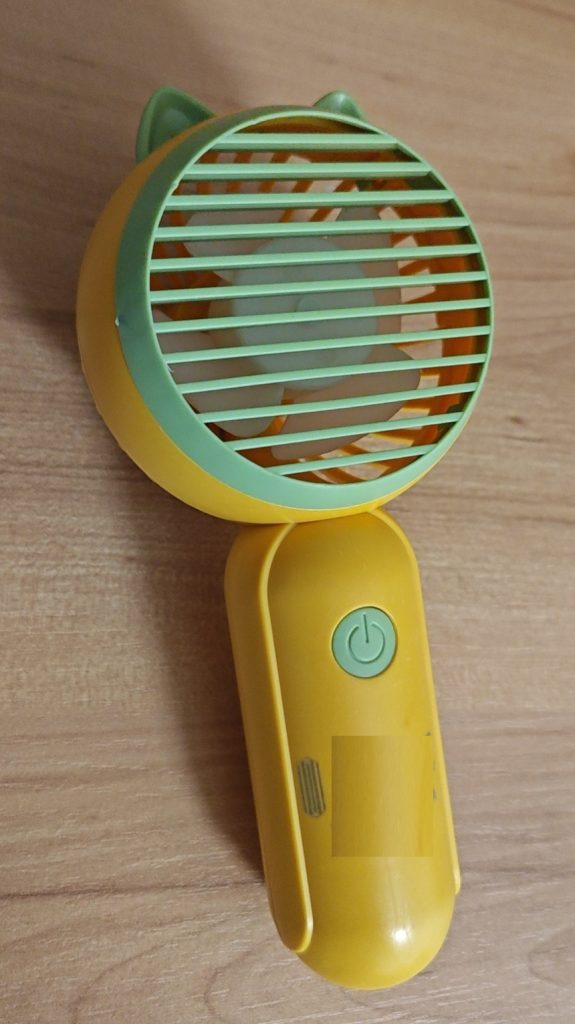
พัดลมที่แสดงในภาพด้านล่างสามารถกำหนดเป็นอุปกรณ์คลาส III ได้ อย่างไรก็ตาม พัดลมชนิดนี้มีสองหู ซึ่งทำให้ไม่เป็นไปตามข้อ 22.44 เราจะอธิบายรายละเอียดในภายหลัง
The word “safety” is included in the four words “safety extra low voltage”, but this does not mean that SELV is safe, and it is not necessarily safe to touch directly. Only safety extra low voltage circuits that meet the requirements of standard 8.1.4 can be touched directly. We will specifically analyze and explain this when analyzing clause 8.1.4.
The fan shown in the figure below can be defined as a class III appliance. However, this fan has two ears, which makes it not compliant with clause 22.44. We will explain the details later.
สิ่งที่แนบประเภท X: การเชื่อมต่อสายไฟเสร็จสมบูรณ์ในพื้นที่ที่เตรียมไว้เป็นพิเศษในเครื่องใช้ไฟฟ้า ดังนั้นเมื่อเปลี่ยนสายไฟจะไม่สัมผัสส่วนอื่นใดนอกจากแผงขั้วต่อและสายภายใน สกรูที่ยึดสายไฟเป็นสกรูหัวแฉกหรือหัวแบนธรรมดา การเปลี่ยนสายไฟให้ดำเนินการภายในช่วงที่ควบคุมได้ สายไฟที่ผู้ใช้ทั่วไปแทนที่นั้นค่อนข้างเรียบง่ายและใช้งานได้ การแนบประเภท Y: เมื่อเปลี่ยนสายไฟ โดยทั่วไปจำเป็นต้องเปิดโครงโครงสร้างของเครื่องใช้ไฟฟ้า และยึดตัวเรือนเหล่านี้ด้วยสกรูพิเศษ เช่น สกรูหกเหลี่ยม หลังจากเปิดโครงโครงสร้างของเครื่องแล้ว ชิ้นส่วนทดแทนอาจสัมผัสชิ้นส่วนที่เคลื่อนไหวที่เป็นอันตรายหรือชิ้นส่วนอื่นๆ ที่มีไฟฟ้าภายในเครื่องได้ ในกรณีนี้ จะปลอดภัยกว่าหากกำหนดการเชื่อมต่อเป็นเอกสารแนบประเภท Y และกำหนดให้ผู้เชี่ยวชาญเปลี่ยนสายไฟ โดยปกติแล้ว สกรูยึดจะเป็นสกรูธรรมดาที่ผู้ใช้ทั่วไปสามารถใช้งานได้ แต่หากสัมผัสชิ้นส่วนที่เป็นอันตรายได้ในระหว่างการเปลี่ยนสายไฟ โดยทั่วไปจะกำหนดให้เป็นสิ่งที่แนบมาประเภท Y ไฟล์แนบประเภท Z ดูคำอธิบายและตัวอย่างใน 3.2.6. type Z attachment, see the explanation and examples in 3.2.6.
protective extra-low voltage circuit: earthed circuit operating at safety extra-low voltage which is separated from other circuits by basic insulation and protective screening, double insulation or reinforced insulationNOTE 1 Protective screening is the separation of circuits from live parts by means of an earthed screen.NOTE 2 A protective extra-low voltage circuit is also known as…
built-in appliance: fixed appliance intended to be installed in a cabinet, in a prepared recess in a wall or in a similar location. Here, because the appliance must be installed in a reserved position (usually a cubic space with only one side open), it is a fixed installation and can be regarded as a fixed…
all-pole disconnection: disconnection of both supply conductors by a single initiating action or, for multi-phase appliances, disconnection of all supply conductors by a single initiating actionNOTE For multi-phase appliances, the neutral conductor is not considered to be a supply conductor. Single-phase power: An AC power system composed of one live wire and one neutral wire.Three-phase…