8.1.5 What exactly does it protect against?

8.1.5 Live parts of built-in appliances, fixed appliances, and appliances delivered in separate units shall be protected by at least basic insulation before installation or assembly. Compliance is checked by inspection and the test in 8.1.1.
Why is this requirement in place? I believe there are three types of hazards that require protection.

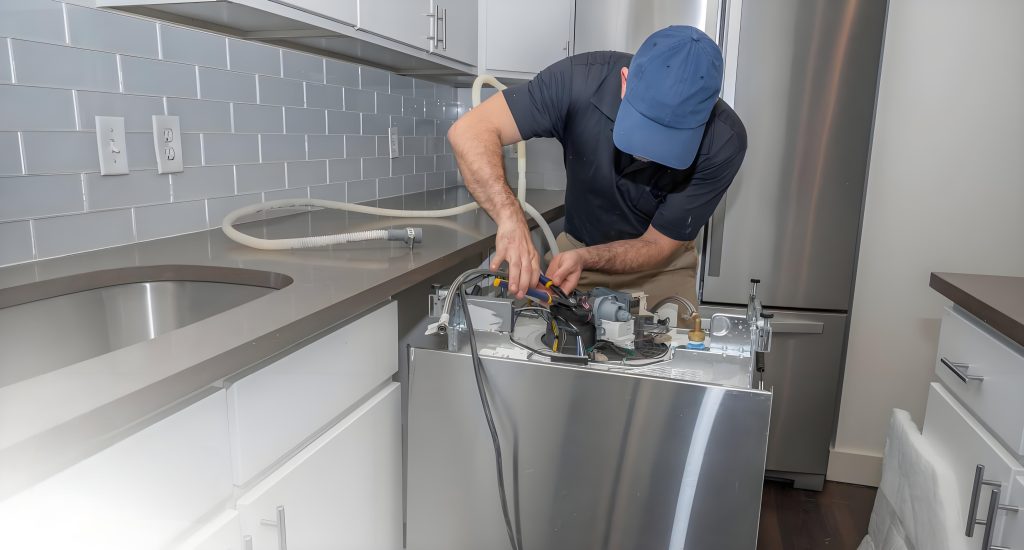
The first is an example of a built-in appliance, such as a dishwashing machine or a tableware sterilizer. Generally, after a dishwasher is installed in accordance with the instructions, except for the front surface, which is accessible, the other five surfaces are inaccessible. They are covered or enclosed by the space provided by the installation location, effectively preventing the risk of electric shock. However, during installation, installers typically don’t power on and test the appliance until it’s fully installed. For built-in products, installers typically power on the appliance to test its operation before placing it in its fixed location. In this case, the appliance isn’t protected from its surroundings, specifically the space where it’s installed. Imagine a scenario where, after unpacking the appliance at the user’s home, some terminals or wires are exposed. This creates a risk of accidental electric shock during installation. Therefore, the standard requires basic insulation protection before installation. To ensure effective basic insulation, we need to apply the test requirements in clause 8.1.1. Implementing the test requirements in clause 8.1.1 inevitably involves clause 22.11 and its definition of removable parts.
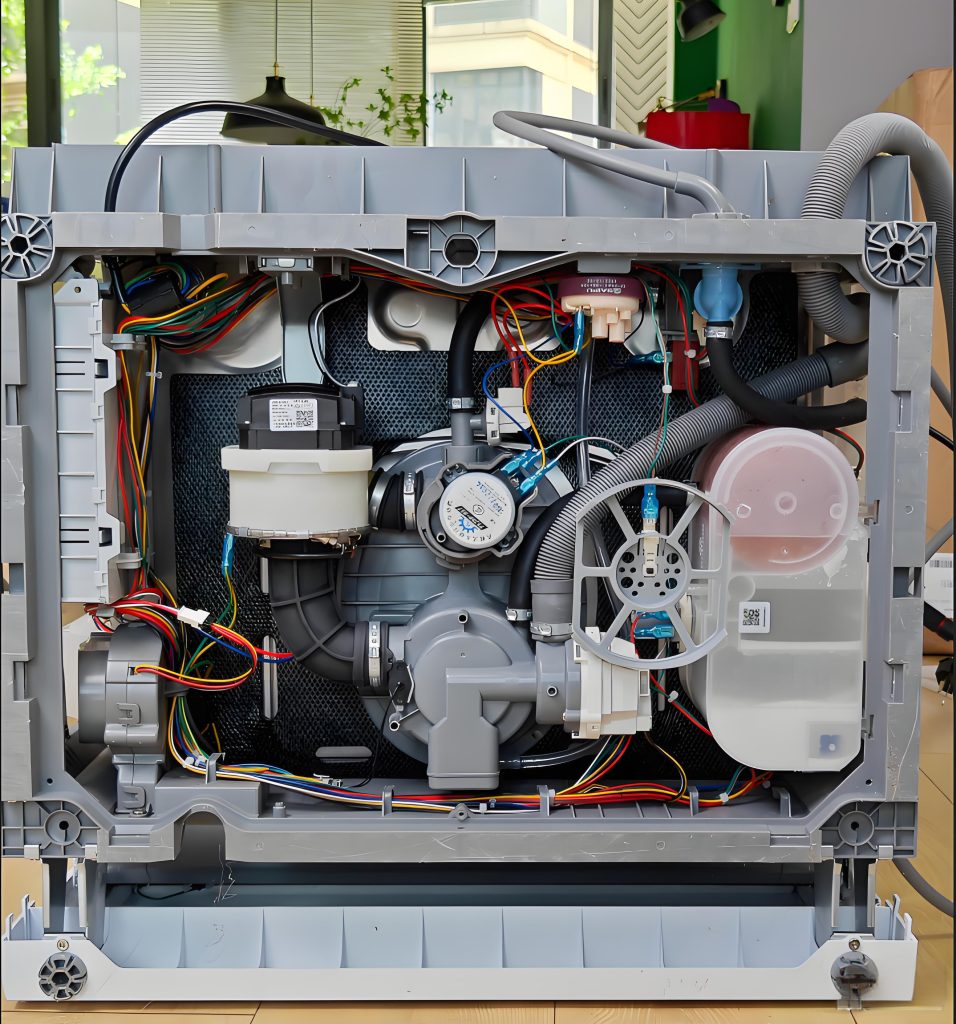
internal wire of dishwasher
Dishwasher Installation
push the dishwasher into cabinet

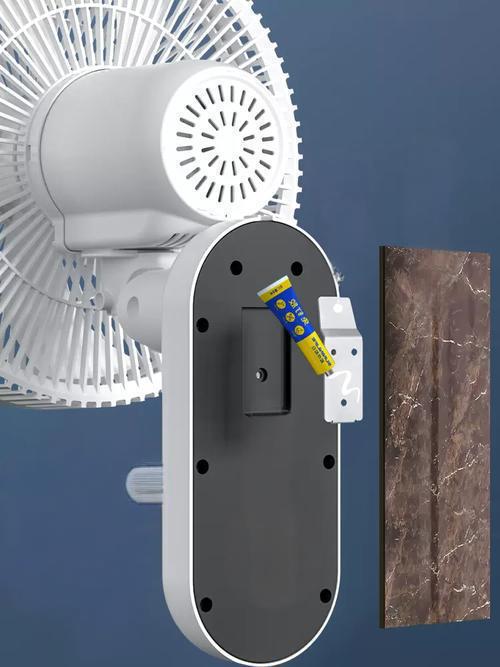
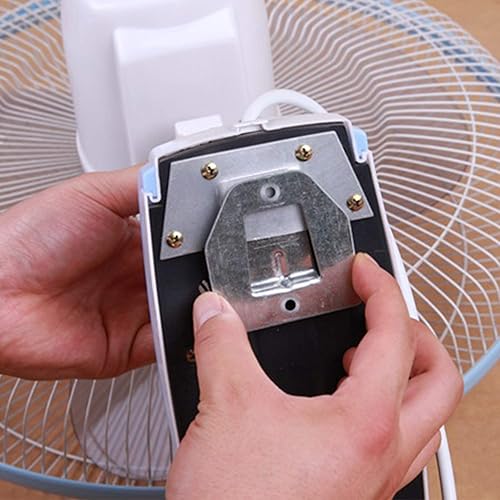
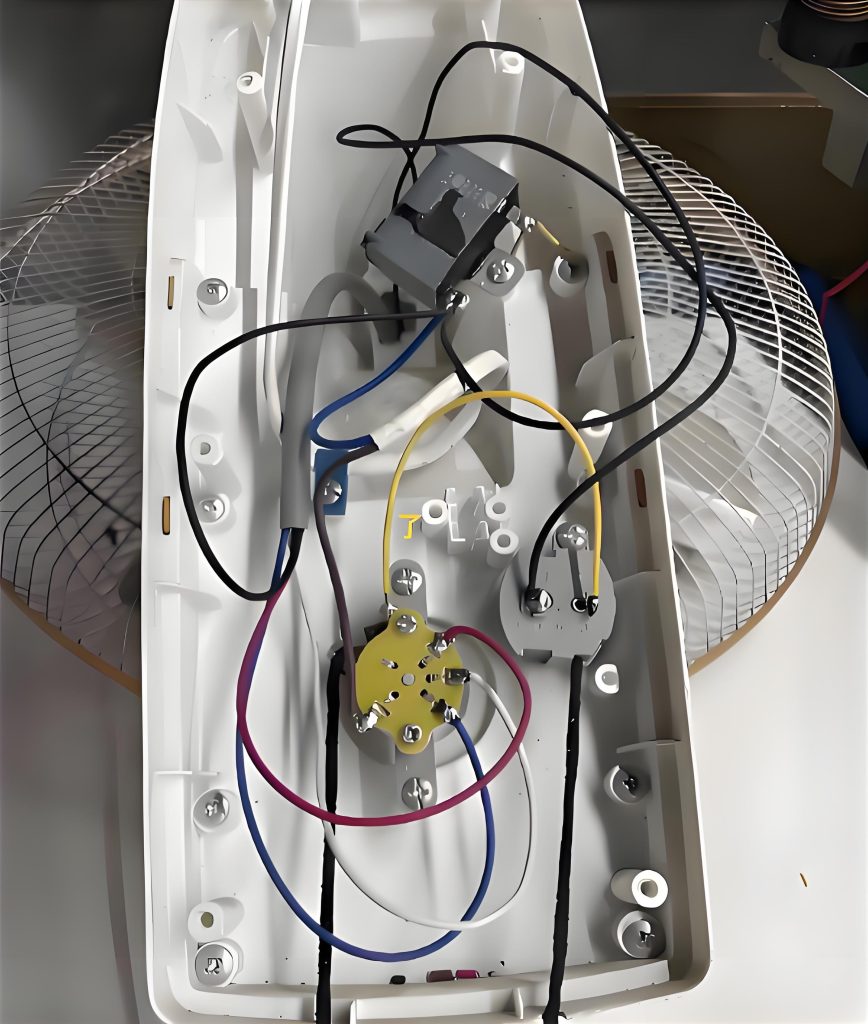
The second type, similar to the first, applies to fixed appliances, such as wall-mounted fans. These products are typically installed on-site and require the installation of a mounting plate or bracket. However, experienced installers will typically verify that the product is functioning properly before proceeding. During the power-on test run, the mounting surface is often not secured to the wall, rendering the wall ineffective. If the mounting surface has a large opening, allowing a finger to penetrate and contact live components, there is a risk of electric shock.
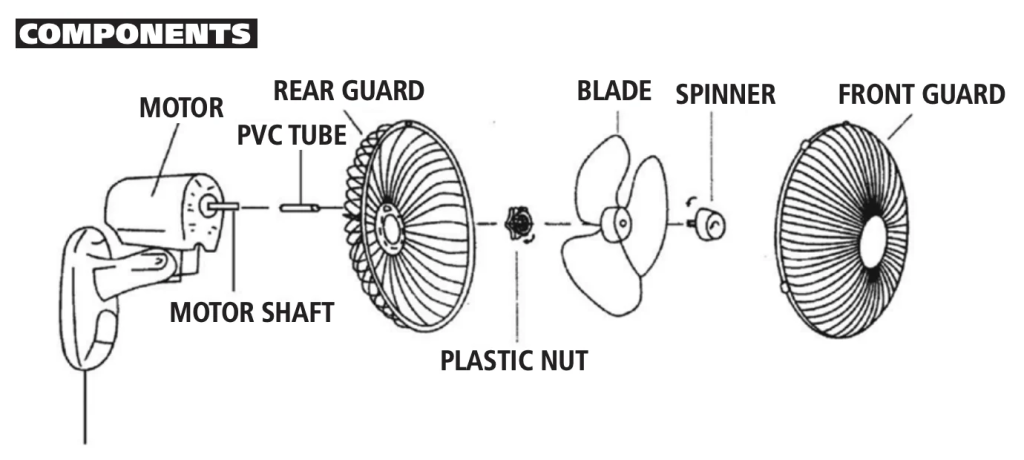
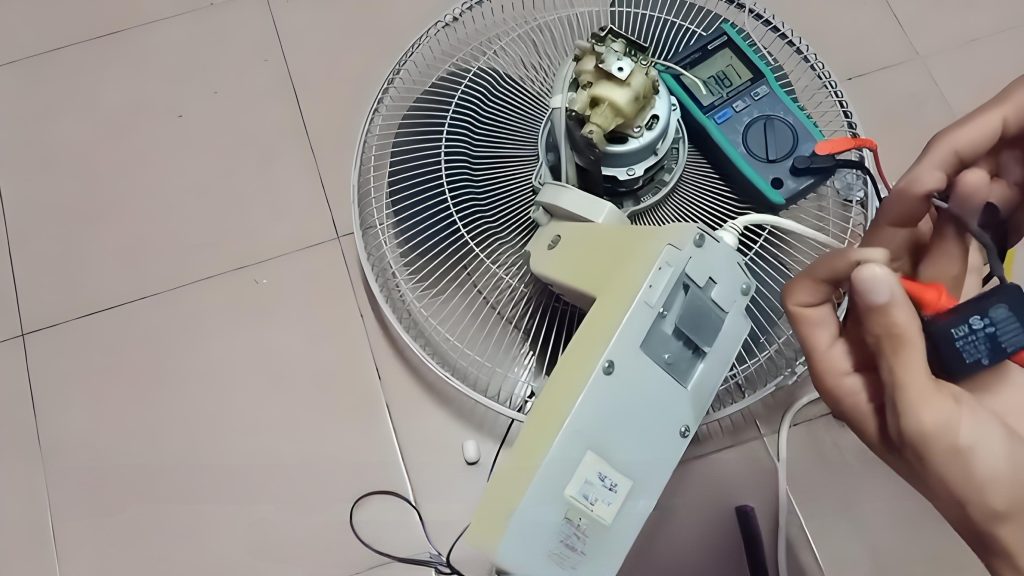
wall mounting fan exploded view
base pan of wall mount fan
wall mount fan base pan
wall mounting fan fixed support
internal view of base pan of wall mount fan

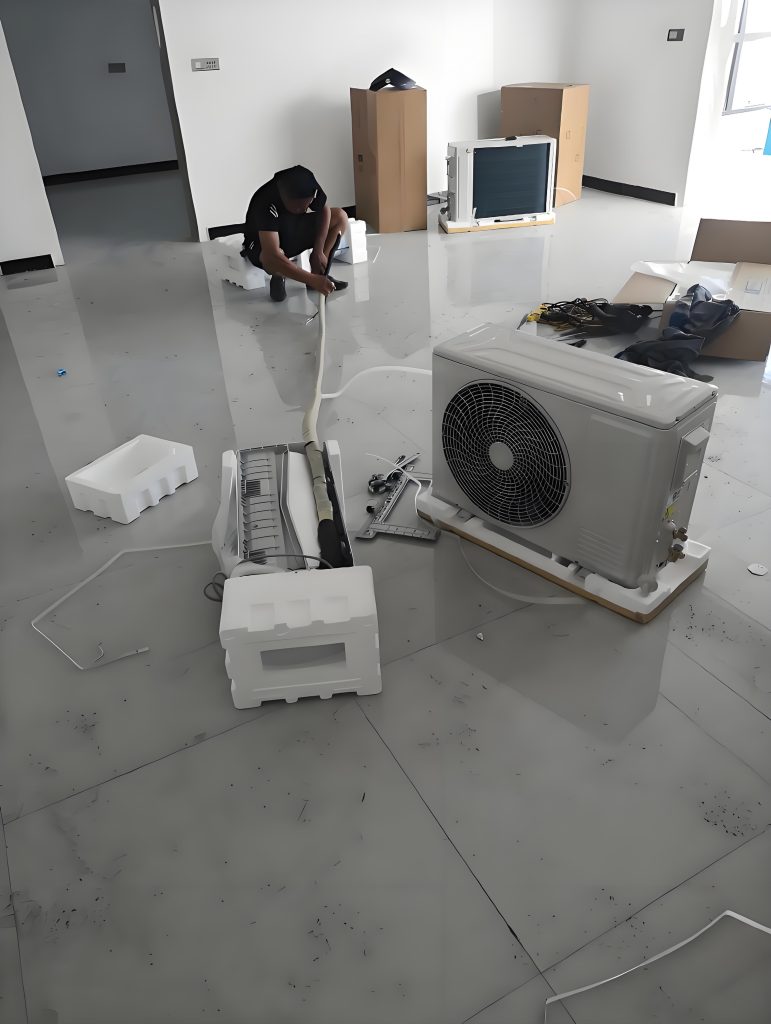
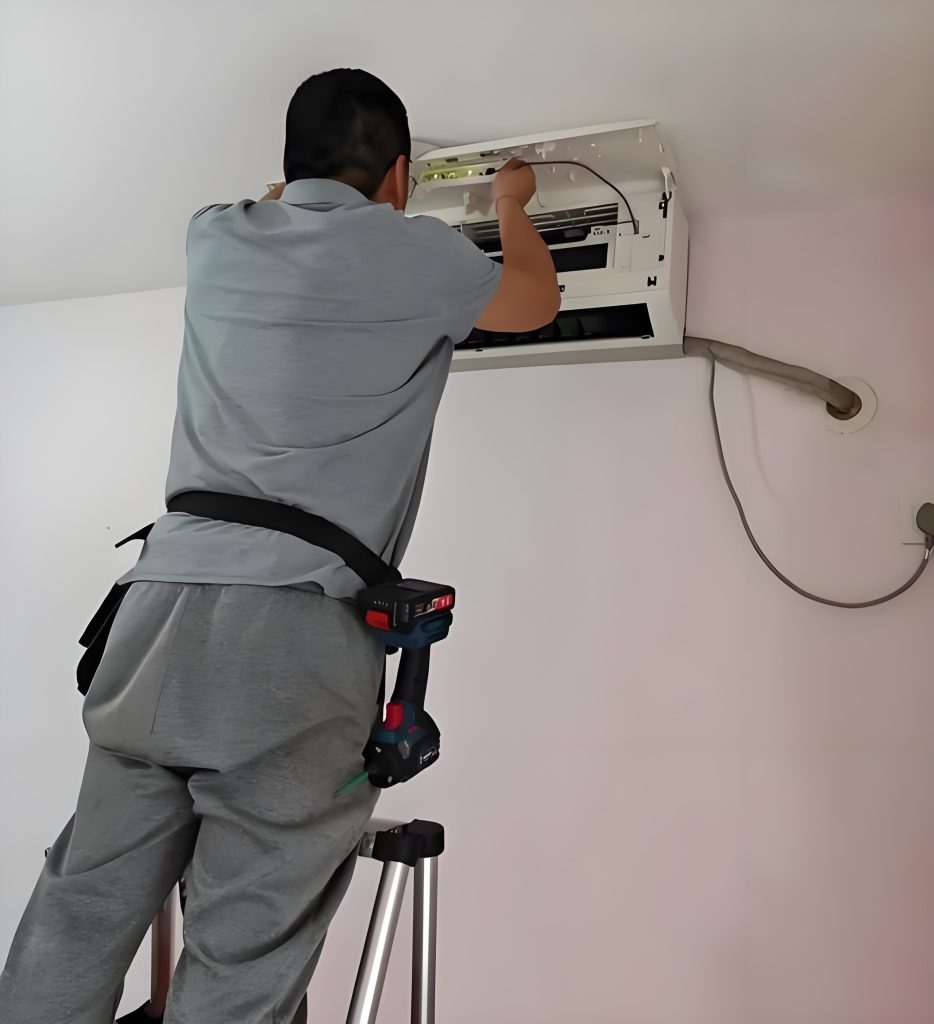
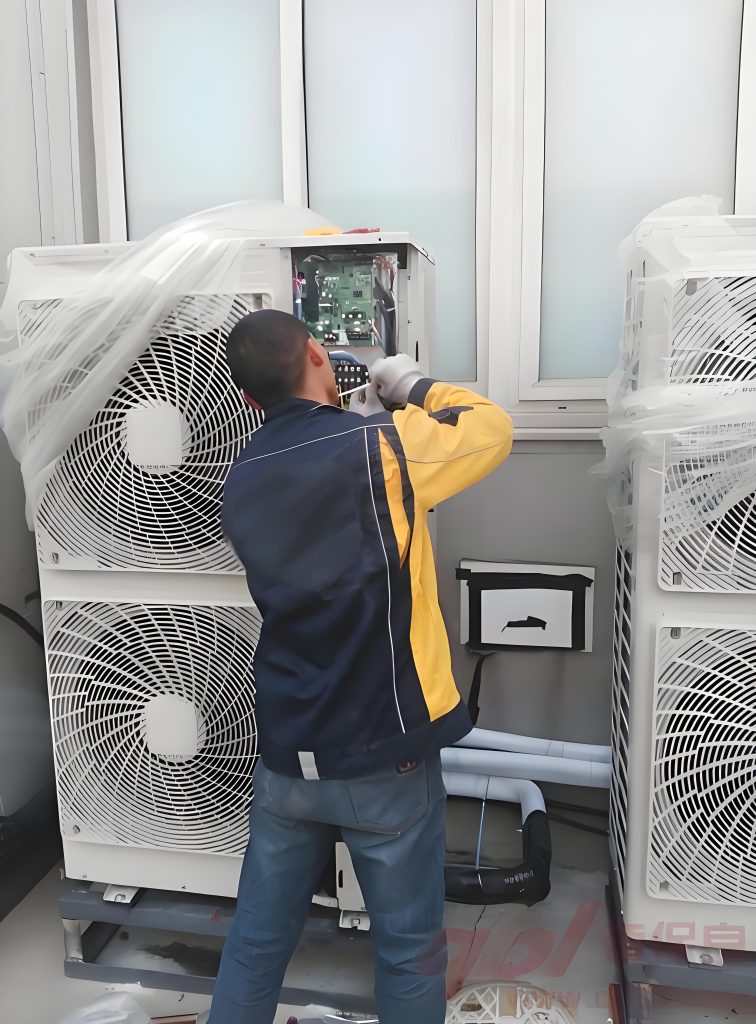
The third type is controversial. Split-type household air conditioners are typically delivered as separate, independent units. These products typically require on-site installation. During installation, is it possible that the outdoor unit has already been installed and connected to the mains power supply? The indoor unit installer is not the same person as the outdoor unit installer and is unaware of the outdoor unit’s installation progress. He or she needs to complete the wiring for both units, potentially completing the wiring while the outdoor unit is energized. A typical wiring task involves connecting the indoor and outdoor unit interconnecting cables. As described in the second scenario, both indoor and outdoor unit wiring terminals require basic insulation protection. However, does the separately delivered interconnecting cable also require basic insulation protection? Note that the interconnecting cables used here all comply with clause 25.23. They all have insulating sheaths, but may have exposed conductors at their ends. The basic insulation protection we will discuss below applies to these exposed conductors. If the standard is strictly adhered to, I believe requiring basic insulation is acceptable. However, in actual production and manufacturing, it is difficult to achieve, and even if it is, the cost is considerable. Therefore, I personally believe that separately delivered interconnecting cables do not require additional basic insulation protection.
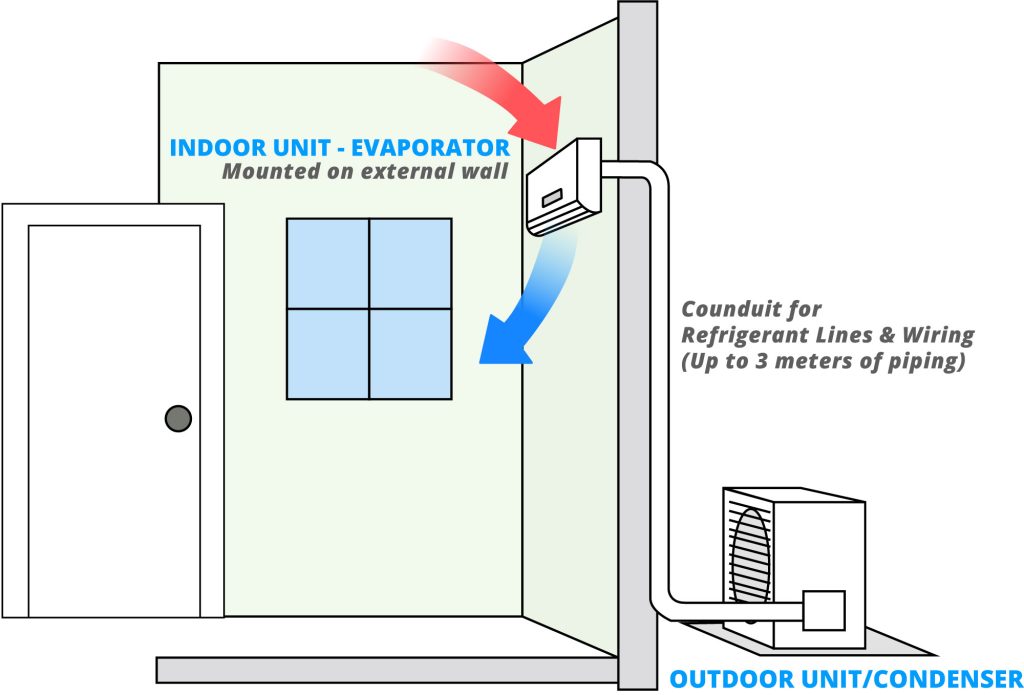
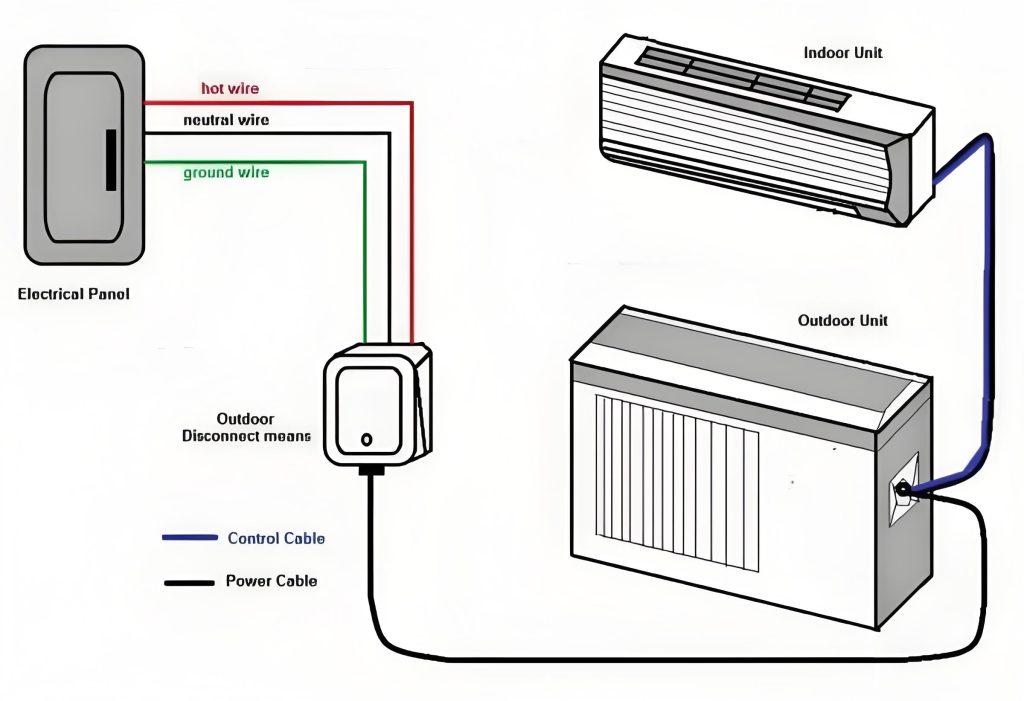
Air conditioning installation diagram
diagram split-type air conditioner
air conditioner unpackage
indoor unit installation
outdoor unit installation

Similar Posts

  • Clause 3 – How to understand the definition of “accessible part”

    accessible part: part or surface that can be touched by means of test probe B of IEC 61032, and if the part or surface is metal, any conductive part connected to it.NOTE Accessible non-metallic parts with conductive coatings are considered to be accessible metal parts. There are some parts or surfaces in the appliance that…

  • 第3項 「第3種建築物」の定義の見方

    クラスⅢ構造:感電に対する保護が安全特別低電圧に依存しており、安全特別低電圧以上の電圧が発生しない機器の一部注記 SELV での供給に加えて、基礎絶縁が必要な場合があります。 8.1.4を参照してください。注 2 機器の主要部分が SELV で動作し、取り外し可能な電源ユニットと一緒に納入される場合、機器のこの主要部分はクラス I 機器またはクラス II 機器のクラス III 構造とみなされます。 アプライアンスはプラグイン可能なアダプター (保護接地なし) によって電力を供給され、アダプターとアプライアンスは一緒にユーザーに配送されます。アダプターとアプライアンスは合わせてクラス II アプライアンスとして判断されます。アダプターはクラス II であるため、これによって感電に対する保護のクラスが決まります。ただし、機器 – ファンのみはクラス III 構造、つまりクラス II 機器内のクラス III 構造です。 もちろん、スイッチ電源 PCB が機器に組み込まれており、このスイッチ電源 PCB が SELV 回路を提供できるという別の状況もあります。そして、SELV回路部分はクラスII構造となっております。 Of course, there is another situation, that is, a switch power supply PCB is embedded in the appliance, and…

  • A question about whether the second part of clause 21.2 needs to be tested.

    We know that clause 29.3.2 and clause 21.2 are two separate clauses and they are not very much related, which means that the product being assessed needs to fulfill both clauses if applicable.A reinforced insulation system consisting of three separate layers of insulating material or what could be considered a double insulation system, Each layer…

  • 第3項 「相互接続コード」の定義の見方

    相互接続コード࿱アプライアンスの 2 つの部分の間にある外部のフレキシブル コードで、主電源への接続以外の目的で完全なアプライアンスの一部として提供されます接続コードが主電源に接続されていない。これらはアプライアンスの 2 つの部分の間に配置されます。コードは電気エネルギーをある部分から別の部分に伝導できます。相互接続コードの概念は、相互接続コードによって引き起こされる危険を軽減するためにここで定義されます。規格 25.23 および 25.24 では、相互接続コードの要件が規定されています。標準要件の観点から、この規格では主に、機器の外部コード、使用中に発生する可能性のある引っ張り、および電源コードが耐える可能性のあるその他の同様の使用条件が考慮されています。したがって、電源コード以外の外部からアクセス可能なコードのほとんどは相互接続コードとみなすことができます。注1は代表的な例です。 床置き型ミストファンは下図のように、上図の壁掛け型ミストファンとは構造が異なりますが、機能は同じです。床置き型ミストファンは一体構造ですが、ファンヘッドと下の水タンクを繋ぐコードが外側にあります(コードは真ん中の支柱を通します)。この種の接続については、相互接続コードでもあると著者は考えています。 下図に示すように、分割型壁掛け型エアコン室内機の表示基板と主制御基板間の一般的なリード線です。トップカバーを手で開けばリード線に触れることができますが、通常の使用中はリード線が機器の内部にあるため、相互接続コードとはみなされません。ただし、リードは依然として第 22.8 条の要件を満たす必要があります。 アプライアンスはコード セットによって供給され、パーツ A とパーツ B で構成されます。パーツ B は手持ち式で、相互接続コードによってパーツ A に接続されます。この情報は CTL 決定 OD-5002-F3:2021 に基づいています。 As shown in the figure below, a floor standing mist fan has a different structure from the wall mount mist fan shown in the figure above, but…

  • 8.1.5 – 設置または組み立て前に少なくとも基礎絶縁によって保護される

    第 8.1.1 条では、アプライアンスが「通常の使用」の場合にテスト プローブを使用する必要があると述べていますが、第 8.1.5 条では設置前に評価されます。このような製品は複数の部分に分けて納品されるため、通常は現場での設置が必要です。 「ライブと nbsp;部品と nbsp;of と nbsp;内蔵と nbsp;アプライアンスと nbsp;固定と nbsp;アプライアンスと nbsp;および nbsp;アプライアンスと nbsp;納品されたと nbsp;in と nbsp;分離とnbsp;ユニットとnbsp;shallとnbsp;beとnbsp;保護とnbsp;atとnbsp;leastとnbsp;byとnbsp;基本とnbsp;絶縁とnbsp;前とnbsp;インストールとnbsp;またはとnbsp ;組み立て。”ここで、設置中に一種の危険が発生します。例は次のとおりです。 室内機に補助電気ヒーターを内蔵したエアコン製品で、室内機と室外機を2つに分けて梱包し、まとめてお客様の元へお届けするもの使用の。設置の際、室内機の電源供給が室外機を介して行われる場合、設置者はまず室内機と室外機の接続を行う可能性があります(室内機と室外機の接続には注意してください)。配線 (相互接続コード) は、配電前にすでに室内ユニットの端子に接続されています。)、その後、試運転のために室外ユニットに通電します。試運転プロセス中に、設置者自身または他の設置者は、室内機のコンポーネントの一部が実際に帯電していることに気付かない可能性があります (帯電している部分は室外機であるため)。また、これらの帯電した部分が基礎絶縁によって保護されていない場合は、 、感電の危険があります。 nbsp; これはエアコンの電気補助ヒーターのほんの一例ですが、一般的な問題点のほとんどは端子です。 下の左の写真を見ると、エアコンの室内機が前面パネルを開けると、内部の右側にネジで固定されているプラ​​スチックのカバープレートがあり、そのカバープレートの下に端子があり、右の図に端子が表示されます。端子の下部には室外機との接続コードとなる線が数本あります。カバー プレートと注意事項がない場合、室内ユニットと室外ユニットの接続および室外ユニットへの電源の接続が完了した後、(フロント パネルは取り外し可能な部品であり、一般に実質的に絶縁されているとはみなされません)室内機の端子が帯電しており、カバーパネルで保護されていないと感電の恐れがあります。