Clause 3 – How to understand the definition of “non-detachable part”

non-detachable-part: part that can only be removed or opened with the aid of a tool or a part that fulfils the test of 22.11.

The definition of this concept is mainly for the judgment of clause 8 and clause 20, and the judgment of other clauses may also be used. On the appliance, whether any part is effectively fixed and cannot be removed cannot be judged by a certain arbitrary or subjective principle. Therefore, here, the standard stipulates two principles to determine whether the parts on the appliance are effectively fixed and cannot be removed. The first principle is the parts that cannot be removed without using tools, and the second principle is the parts that can withstand the test of clause 22.11. For easy understanding, I briefly introduce the requirements of clause 22.11. Clause 22.11 mainly stipulates how and how much force of push, pull, torque, and if the user’s fingernail clip is applied to a part of the product to see whether the part is fixed reliably. I will introduce the rules in detail in clause 22.11. The tools here include common household tools such as screwdrivers.

The principle that needs to be controlled is whether the user uses a tool to remove the part with a clear purpose, and such removal is a non-routine device operation determined by the user. Is a coin a tool? Is a key a tool? I think that in the 60335 series of standards, they should be defined as tools. First, the operation of removing a part with a coin is more difficult than a tool, and this operation is an operation with a very clear purpose. Usually, this operation is also non-routine. It may be that the person using the coin cannot find the tool. We can consider the part removed by the coin as a non-detachable-part. Secondly, a key is usually more difficult to obtain than a regular tool, especially when the door opened by the key is used to prevent touching dangerous moving parts and live parts, etc., it can be considered a tool. In this case, it is recommended to add corresponding warning statements in the manual.
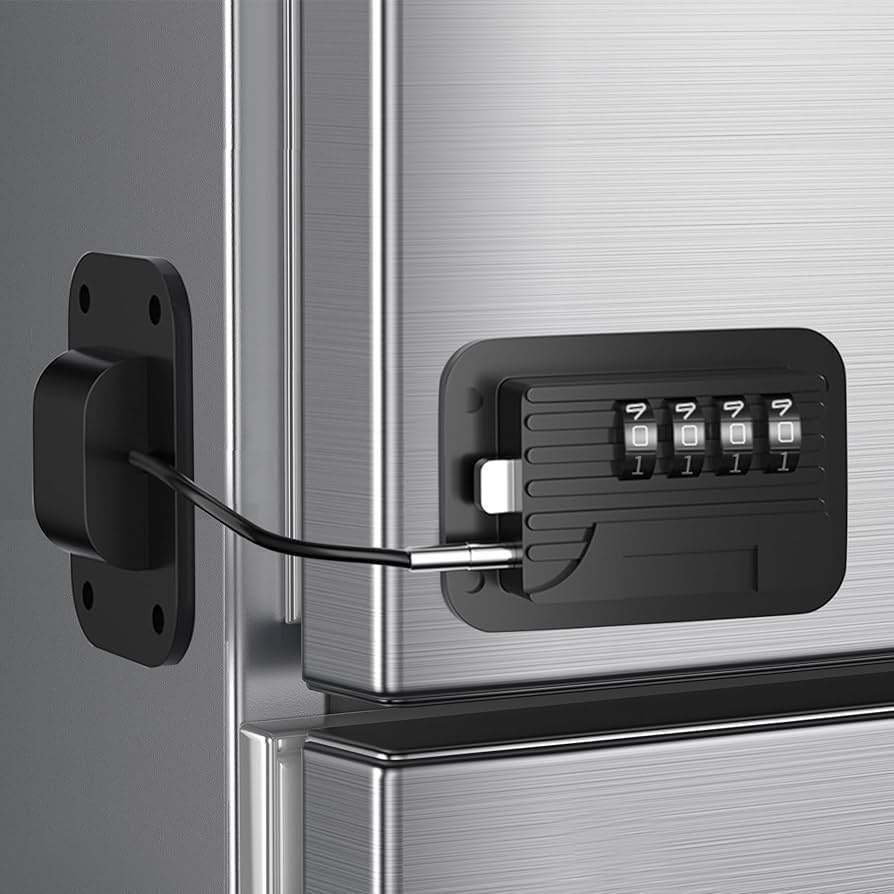
There are exceptions for keys. For example, the key for opening the door of a household refrigerator is not considered a tool; at the same time, the key for opening the door of a commercial refrigerator is considered a tool; here, my judgment principle is to determine it based on the expectation of the occurrence of danger. A locked household refrigerator is usually locked inside to prevent children from entering the refrigerator. Its purpose is not to prevent touching moving parts or live parts. Commercial refrigerators or commercial computer room air conditioners use locks to prevent theft or to prevent untrained or unauthorized personnel from entering and touching dangerous moving parts or live parts.
The protective housing fixed by screws on the appliance can be considered a non-detachable-part.
Similar Posts

  • ข้อ 3 – วิธีทำความเข้าใจคำจำกัดความของ “ฉนวนพื้นฐาน”

    ตามที่แสดงในภาพซ้ายด้านล่าง เป็นภาพถ่ายฝาครอบด้านล่างของพัดลม และภาพขวาเป็นภาพถ่ายที่ไม่มีฝาครอบด้านล่าง ผิวลวดสีน้ำเงินและสีน้ำตาลภายในสายไฟในภาพด้านขวาถือได้ว่าเป็นฉนวนพื้นฐาน ในเวลาเดียวกัน สกินลวดสีขาว สีแดง และสีดำบนสวิตช์ที่เชื่อมต่อกับเปลือกสีดำสามารถถือเป็นฉนวนพื้นฐานได้ ส่วนที่มีกระแสไฟฟ้าที่นี่คือแกนทองแดงในเส้นลวด นอกจากนี้ ระยะห่างระหว่างตัวนำโลหะในสวิตช์และพื้นผิวด้านในของเปลือกสีขาวสามารถตัดสินได้ว่าเป็นฉนวนพื้นฐาน จากมุมมองของระยะตามผิวฉนวน กระแสไฟฟ้าในตัวนำภายในสวิตช์จะดำเนินการ (ไต่ขึ้น) ไปตามพื้นผิวฉนวนของสวิตช์ไปยังพื้นผิวด้านในของเปลือกสีขาว (มุมเล็กซ้ายของภาพขวา) และระยะนี้สามารถ ถือเป็นระยะห่างตามผิวฉนวนของฉนวนพื้นฐาน จากมุมมองของระยะห่างทางไฟฟ้า กระแสไฟฟ้าในตัวนำภายในสวิตช์จะถูกส่งโดยตรงผ่านอากาศระหว่างพื้นผิวด้านในของฝาครอบด้านล่างของพัดลมและเปลือกสวิตช์ และระยะห่างระหว่างอากาศนี้ถือเป็นระยะห่างของฉนวนพื้นฐาน (เปลือกพลาสติกสีขาวถือเป็นฉนวนเพิ่มเติม) ดังแสดงในรูปด้านล่าง ตัวนำเคลือบแล็คเกอร์ของขดลวดของมอเตอร์ได้รับการแก้ไขโดยกระดาษช่องสีขาวที่สอดเข้าไปในสเตเตอร์ของมอเตอร์ ขดลวดถูกระบุว่าเป็นชิ้นส่วนที่มีไฟฟ้าแบบเปิดโล่งตามมาตรฐาน ตัวนำเคลือบแล็คเกอร์ของขดลวดและสเตเตอร์ของมอเตอร์จะสร้างวงวนนำไฟฟ้าผ่านกระดาษช่อง (โดยทั่วไป หากเป็นเครื่องใช้ไฟฟ้าประเภท 1 สเตเตอร์ที่เชื่อมต่อกับตัวเรือนมอเตอร์จะถูกต่อสายดินด้วยเนื่องจากตัวเรือนมอเตอร์ต่อสายดิน ถ้าเป็นเช่นนั้น อุปกรณ์ประเภท II ตัวเรือนมอเตอร์ และสเตเตอร์ของมอเตอร์เป็นส่วนประกอบโลหะขั้นกลางที่ไม่มีการต่อสายดิน) แม้ว่าค่าการนำไฟฟ้าของกระดาษสล็อตจะไม่เพียงพอ แต่กระแสไฟอ่อนจะยังคงเกิดขึ้นบนกระดาษสล็อต ปริมาณกระแสไฟฟ้าที่สร้างขึ้นที่นี่เกี่ยวข้องโดยตรงกับประสิทธิภาพของกระดาษสล็อต วัสดุกระดาษช่องนี้สามารถกำหนดได้ว่าเป็นฉนวนพื้นฐาน พื้นผิวของกระดาษช่องสามารถเชื่อมต่อกับการเคลือบโลหะของขดลวด ดังนั้นระยะทางบนพื้นผิวกระดาษของช่องสามารถกำหนดเป็นระยะทางตามผิวฉนวนของฉนวนพื้นฐาน วัสดุของกระดาษสล็อตนั้นมีบทบาทเป็นฉนวนแข็ง (แม้ว่าจะไม่มีข้อกำหนดความหนาสำหรับฉนวนแข็ง แต่ก็ยังต้องเป็นไปตามข้อกำหนดกระแสไฟรั่วและความแข็งแรงทางไฟฟ้าของบทที่ 13 และ 16) ดังนั้น ระยะห่างทางไฟฟ้าในรูปด้านบนคือระยะห่างที่สั้นที่สุดระหว่างขดลวดและการเคลือบสเตเตอร์ในอากาศ ดังแสดงในรูปด้านล่าง และ nbsp; ลวดพันของมอเตอร์ไม่ได้รับการแก้ไขอย่างถูกต้องและอยู่ใกล้กับสเตเตอร์ของมอเตอร์มาก มันไม่สามารถตอบสนองข้อกำหนดระยะตามผิวฉนวนและระยะกวาดล้างของข้อ 29…

  • Clause 3 – How to understand the definition of “self-resetting thermal cut-out”

    self-resetting thermal cut-out: thermal cut-out that automatically restores the current after the relevant part of the appliance has cooled down sufficiently In the definition there is a clear mention, when the temperature is cooled to a certain degree, in fact, its intention is to control the temperature is not too high, when the temperature is…

  • Clause 3 – How to understand the definition of “portable appliance”

    portable appliance: appliance that is intended to be moved while in operation or an appliance, other than a fixed appliance, having a mass less than 18 kg. This item is relatively easy to understand. Products that are less than 18kg are relatively light, so they are easy to move during operation, including humidifiers, fans, air…

  • ข้อ 3 – จะเข้าใจคำจำกัดความของ “สายเชื่อมต่อโครงข่าย” ได้อย่างไร

    หมายเหตุ 1: ในเครื่องใช้ไฟฟ้าที่ใช้แบตเตอรี่ ถ้าใส่แบตเตอรี่ไว้ในกล่องแยกต่างหาก สายไฟอ่อนหรือสายอ่อนที่ต่อกล่องกับเครื่องใช้ไฟฟ้าจะถือเป็นสายเชื่อมต่อโครงข่ายสายเชื่อมต่อไม่ได้เชื่อมต่อกับแหล่งจ่ายไฟหลัก ตั้งอยู่ระหว่างสองส่วนของเครื่องใช้ไฟฟ้า สายไฟสามารถนำพลังงานไฟฟ้าจากส่วนหนึ่งไปยังอีกส่วนหนึ่งได้ แนวคิดของสายเชื่อมต่อโครงข่ายมีการกำหนดไว้ที่นี่เพื่อลดอันตรายที่เกิดจากสายเชื่อมต่อโครงข่าย มาตรฐาน 25.23 และ 25.24 กำหนดข้อกำหนดสำหรับสายเชื่อมต่อโครงข่าย จากมุมมองของข้อกำหนดมาตรฐาน มาตรฐานจะพิจารณาถึงสายไฟภายนอกของเครื่องใช้ไฟฟ้าเป็นหลัก การดึงที่อาจเกิดขึ้นระหว่างการใช้งาน และสภาวะการใช้งานอื่นที่คล้ายคลึงกันซึ่งสายไฟอาจทนได้ ดังนั้นสายไฟที่เข้าถึงได้จากภายนอกส่วนใหญ่นอกเหนือจากสายไฟจึงถือเป็นสายเชื่อมต่อโครงข่าย หมายเหตุ 1 เป็นตัวอย่างทั่วไป ผลิตภัณฑ์ที่แสดงในภาพด้านล่างคือพัดลมที่มีฟังก์ชันการทำให้เป็นละออง (เป่าลมออกมาในรูปของหมอก) สายเชื่อมต่อระหว่างส่วนหัวพัดลมด้านบนและส่วนถังน้ำสีขาวด้านล่างถือได้ว่าเป็นสายเชื่อมต่อ ดังแสดงในรูปด้านล่าง พัดลมไอน้ำแบบตั้งพื้นมีโครงสร้างที่แตกต่างจากพัดลมไอน้ำแบบติดผนังดังแสดงในรูปด้านบน แต่มีฟังก์ชั่นเดียวกัน พัดลมไอน้ำแบบตั้งพื้นเป็นโครงสร้างที่สำคัญ แต่มีสายไฟด้านนอกเชื่อมต่อหัวพัดลมกับถังเก็บน้ำด้านล่าง (สายไฟจะผ่านแกนรองรับตรงกลาง) สำหรับการเชื่อมต่อประเภทนี้ผู้เขียนเชื่อว่าเป็นสายเชื่อมต่อโครงข่ายด้วย ดังแสดงในรูปด้านล่าง นี่คือเส้นนำทั่วไประหว่างแผงวงจรแสดงผลและแผงวงจรควบคุมหลักของเครื่องปรับอากาศแบบแยกส่วนภายในอาคาร แม้ว่าสัมผัสสายได้โดยการเปิดฝาครอบด้านบนด้วยตนเอง แต่สายจะอยู่ด้านในเครื่องระหว่างการใช้งานปกติ จึงไม่ถือว่าเป็นสายเชื่อมต่อระหว่างกัน อย่างไรก็ตาม ผู้นำยังคงต้องเป็นไปตามข้อกำหนดของข้อ 22.8. นี่คือกรณีที่เป็นที่ถกเถียงกันมากขึ้น ซึ่งก็คือสายไฟภายในช่องคอมเพรสเซอร์ที่ด้านหลังของตู้เย็น สายไฟในวงกลมสีแดงในรูปด้านล่างถือเป็นสายเชื่อมต่อโดยองค์กรทดสอบหรือห้องปฏิบัติการบุคคลที่สามส่วนใหญ่ ความเห็นส่วนตัวของฉันคือสายไฟในช่องคอมเพรสเซอร์ตู้เย็นไม่ใช่สายเชื่อมต่อ เราสามารถอนุมานเจตนาของมาตรฐานได้จากข้อกำหนด 25.23 และ 25.24 มาตรฐานกำหนดให้สายเชื่อมต่อต้องเป็นไปตามข้อกำหนดของสายไฟ สายไฟสามารถดึงออกได้ จึงต้องทดสอบตามข้อ 25.15 สายไฟมีลักษณะพิเศษคืออยู่ภายนอกตัวเครื่องและสามารถสัมผัสและดึงได้ สายไฟตู้เย็นที่เรากำลังพูดถึงที่นี่ไม่น่าจะแตะต้องได้ และโดยพื้นฐานแล้วจะไม่ถูกดึง เครื่องใช้ไฟฟ้าได้รับมาโดยชุดสายไฟและประกอบด้วยส่วน…

  • Clause 3 – How to understand the definition of “live part”

    live part: conductor or conductive part intended to be energized in normal use, including a neutral conductor but, by convention, not a PEN conductorNOTE 1 Parts, accessible or not, complying with 8.1.4 are not considered to be live parts.NOTE 2 A PEN conductor is a protective earthed neutral conductor combining the functions of both a…

  • Clause 3 – How to understand the definition of “user maintenance”

    user maintenance: any maintenance operation stated in the instructions for use, or marked on the appliance, that the user is intended to perform. Allowed user-executed operations, the operation guideline was given in user manual, and it could be showed in enclosure of appliance. Since it is a allowed user-executed operation, then additional protective method should…