Clause 3 – How to Understand the Definition of “visibly glowing heating element”

visibly glowing heating element: heating element that is partly or completely visible from the outside of the appliance and has a temperature of at least 650 °C when the appliance has been operated under normal operation at rated power input until steady conditions have been established.

The heating element needs to be able to emit light and the light needs to be visible, it is also required that the temperature of the heating element exceeds 650°C. Often when measuring temperature, we measure the temperature at the hottest location, for example, getting the temperature at the surface of a heating element. When testing, please note that it is important to use a thermocouple that is resistant to high temperatures and also to ensure that the calibrated temperature range of the thermocouple covers the temperature being tested.

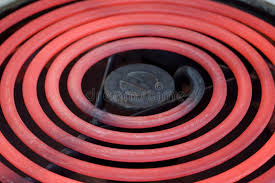
If you have done the clause 30.2 glow wire test then you should have experience that at 650°C the glow wire is non-luminous and only at 750°C does it emit a dim light. Of course, the luminous properties of heating elements may be different from those of a glow wire. Here are some photos of a typical visibly glowing heating element.

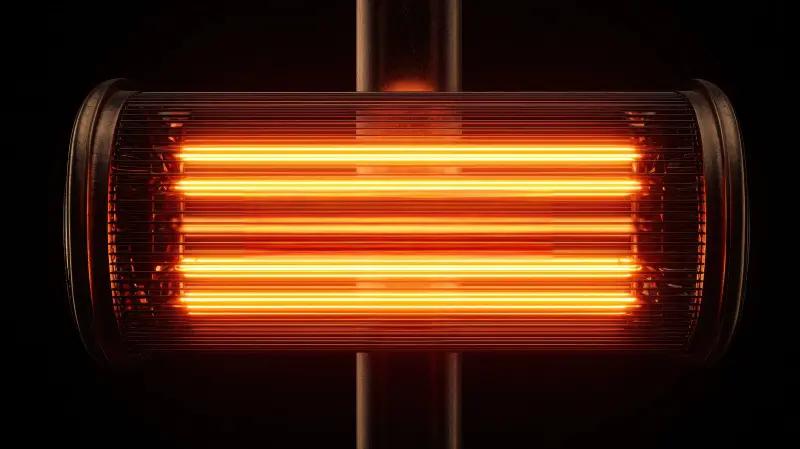
visibly glowing heating element for high position installation
close up view showcases electric infrared heater glowing intensely warmth shot heating element emitting warm
Dark red heating element

This visibly glowing heating element is a warning to the user of the product, and therefore the test requirements are a little more lenient during the subsequent clause of the test.

There are some glowing heating elements that emit light that is not particularly bright, but as long as they emit light and the temperature exceeds 650°C, they can also be defined as visibly glowing heating elements. However, the two photos below show heating elements that, in my experience, should not be considered as visibly glowing heating elements, as the brightness of the heating elements shown in the photos does not correspond to a temperature of 650°C.
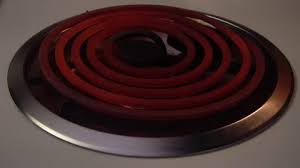
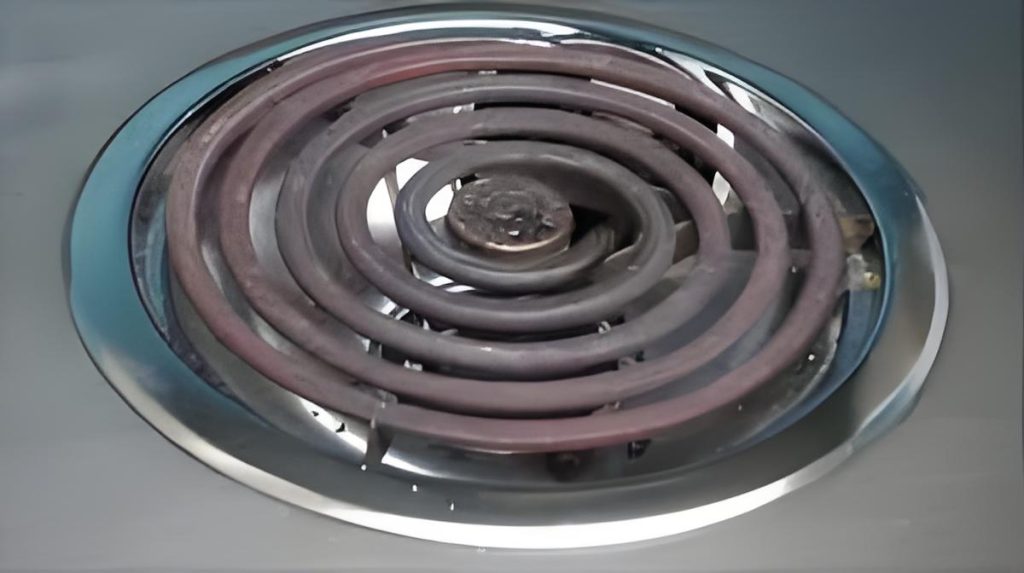
Dark red heating element-1
Dark red heating element-2

Similar Posts

  • ข้อ 3 – วิธีทำความเข้าใจคำจำกัดความของ “แรงดันไฟฟ้า”

    แรงดันไฟฟ้าที่ผู้ผลิตกำหนดให้กับเครื่องใช้ไฟฟ้า:โดยทั่วไป แรงดันไฟฟ้านี้เป็นแรงดันไฟฟ้ามาตรฐานสำหรับประเทศของตลาดเป้าหมาย ณ เวลาที่ออกแบบผลิตภัณฑ์ เมื่อกำหนดตลาดเป้าหมายแล้ว ผู้ผลิตจำเป็นต้องออกแบบผลิตภัณฑ์ให้สอดคล้องกับความต้องการของตลาดเป้าหมาย ไม่สามารถออกแบบผลิตภัณฑ์ที่มีแรงดันไฟฟ้า AC100V (แรงดันไฟฟ้าขาเข้าของแหล่งจ่ายไฟ) โดยมีจุดประสงค์เพื่อใช้ในประเทศที่มีแรงดันไฟฟ้าหลักอยู่ที่ AC220V ในขณะเดียวกัน แรงดันไฟฟ้าหลักในประเทศส่วนใหญ่จะเป็นค่าที่กำหนดไว้ ดังนั้นค่าแรงดันไฟฟ้าที่กำหนดในที่นี้จึงเป็นค่าที่แยกจากกัน International Electrotechnical Commission นำเสนอข้อมูลรายการหน้าเว็บเกี่ยวกับปลั๊กและแรงดันไฟฟ้าหลักสำหรับทุกประเทศ: ในมาตรฐาน IEC 60335-1 การทดสอบทั้งหมดที่จำเป็นต้องจ่ายไฟให้กับผลิตภัณฑ์หรือผลิตภัณฑ์เพื่อให้อยู่ในสภาพการทำงานจะขึ้นอยู่กับแรงดันไฟฟ้าที่กำหนด หากเลือกแรงดันไฟฟ้าที่กำหนดไม่ถูกต้อง ต้องทำการทดสอบทั้งหมดซ้ำ ห้องปฏิบัติการจำเป็นต้องกำหนดแรงดันไฟฟ้าก่อนทำการทดสอบ https://iectest.iec.ch/world-plugsIEC 60335-1 ไม่ได้ระบุค่าหรือช่วงของแรงดันไฟฟ้าที่กำหนดที่ควรตั้งค่าแรงดันไฟฟ้าที่กำหนด แต่จริงๆ แล้วช่วงของแรงดันไฟฟ้าที่กำหนดให้ไว้เป็นข้อมูลอ้างอิงในย่อหน้าแรกของข้อ 1 ซึ่งไม่ เกิน 250 โวลต์สำหรับเครื่องใช้ไฟฟ้าแบบเฟสเดียว และ 480 โวลต์สำหรับเครื่องใช้ไฟฟ้าแบบสามเฟสและแหล่งจ่ายไฟประเภทอื่นๆ โดยทั่วไปแรงดันไฟฟ้าที่กำหนดจะต้องไม่เกินช่วงนี้ สิ่งสำคัญที่ควรทราบคือแต่ละประเทศเพิ่มส่วนเบี่ยงเบนของตนเองตามมาตรฐาน IEC 60335-1 และโดยทั่วไปแล้วการเบี่ยงเบนเหล่านี้จะเพิ่มข้อกำหนดแรงดันไฟฟ้าที่กำหนด ตัวอย่างเช่น 100V ในญี่ปุ่น 240V ในสหราชอาณาจักร และ 220V ในประเทศจีน มีการตัดสินใจ PDSH 2235 สำหรับเครื่องชาร์จแบตเตอรี่คลาส…

  • Clause 3 – How to understand the definition of “built-in appliance”

    built-in appliance: fixed appliance intended to be installed in a cabinet, in a prepared recess in a wall or in a similar location. Here, because the appliance must be installed in a reserved position (usually a cubic space with only one side open), it is a fixed installation and can be regarded as a fixed…

  • ข้อ 3 – วิธีทำความเข้าใจคำจำกัดความของ “กำลังไฟฟ้าเข้าพิกัด”

    กำลังไฟฟ้าเข้าที่ผู้ผลิตกำหนดให้กับเครื่องหมายเหตุ 1: ถ้าไม่ได้กำหนดกำลังไฟฟ้าเข้าให้กับเครื่องใช้ไฟฟ้า กำลังไฟฟ้าเข้าที่กำหนดสำหรับเครื่องทำความร้อนและเครื่องใช้ไฟฟ้าแบบรวมจะเป็นกำลังไฟฟ้าเข้าที่วัดเมื่อจ่ายเครื่องใช้ไฟฟ้าที่แรงดันไฟฟ้าที่กำหนดและทำงานภายใต้การทำงานปกติในกรณีส่วนใหญ่ อุปกรณ์จะได้รับกำลังไฟฟ้าเข้าที่กำหนด บางครั้ง ผลิตภัณฑ์จะได้รับเฉพาะกระแสไฟเข้าที่กำหนดเท่านั้น แต่ในระหว่างการทดสอบจริง มาตรฐานกำหนดให้ต้องพิจารณาสภาพการทำงานของผลิตภัณฑ์ตามกำลังไฟฟ้าเข้าที่กำหนด จากนั้นจึงจะสามารถกำหนดข้อมูลกำลังไฟฟ้าเข้าตามข้อมูลในหมายเหตุนี้ได้ นี่เป็นสถานการณ์ที่หายาก หากเงื่อนไขการทดสอบของผลิตภัณฑ์เป็นไปตามกำลังไฟฟ้าเข้าที่กำหนด โดยปกติแล้วผลิตภัณฑ์จะมีป้ายกำกับว่ากำลังไฟฟ้าเข้าที่กำหนด แม้ว่าผู้ผลิตผลิตภัณฑ์จะไม่ระบุพิกัดกำลังไฟฟ้าเข้า แต่ห้องปฏิบัติการทดสอบของบุคคลที่สามมักจะขอข้อมูลพิกัดกำลังไฟฟ้าเข้าเมื่อทำการทดสอบผลิตภัณฑ์ ต่อไปนี้คือตัวอย่างสมมุติของเครื่องทำความร้อนในห้องที่ใช้หลอดควอทซ์ซึ่งมีป้ายกำกับว่ามีแรงดันไฟฟ้าพิกัด AC220V และอินพุตกระแสไฟพิกัดอยู่ที่ 10A โดยไม่มีกำลังไฟเข้าพิกัด เมื่อทำการทดสอบความร้อนตามข้อ 11 มาตรฐานกำหนดให้ผลิตภัณฑ์ทำงานที่ 1.15 เท่าของกำลังไฟฟ้าเข้าที่กำหนด ในสถานการณ์นี้ สามารถกำหนดกำลังไฟฟ้าเข้าพิกัดได้โดยใช้ข้อมูลในหมายเหตุของบทความนี้ อุปกรณ์ทำความร้อนมักจะทำเครื่องหมายกำลังไฟฟ้าเข้าพิกัด In most cases, the appliance is given a rated powerinput. Sometimes, the product is only given a rated input current, but during actual testing, standards require that…

  • Clause 3 – How to understand the definition of “thermal link”

    thermal link: thermal cut-out which operates only once and requires partial or complete replacement It is a temperature sensing device, but it can only be operated once, when the temperature is higher than its set value, it will disconnect, and after disconnection, the current can not pass through, so as to play the role of…

  • Clause 3 – How to understand the definition of “stationary appliance”

    stationary appliance: fixed appliance or an appliance which is not a portable appliance. Stationary appliance includes fixed appliance and not a portable appliance. The characteristic of a stationary appliance is that once it is put into use, it will be placed in a fixed position. At the same time, the position of the appliances will…