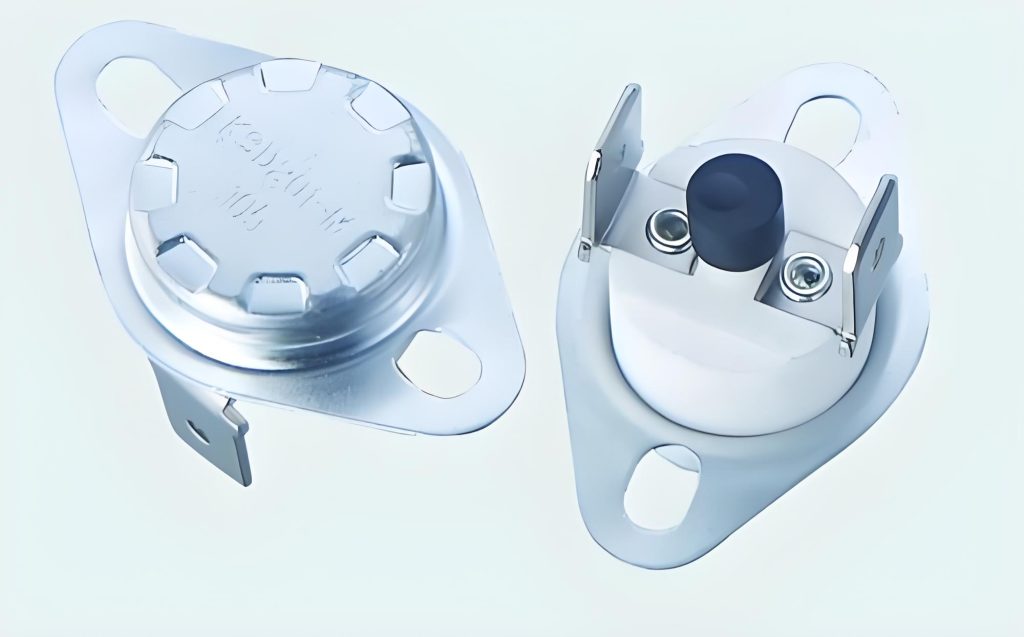
Clause 3 – How to understand the definition of “self-resetting thermal cut-out”

self-resetting thermal cut-out: thermal cut-out that automatically restores the current after the relevant part of the appliance has cooled down sufficiently

In the definition there is a clear mention, when the temperature is cooled to a certain degree, in fact, its intention is to control the temperature is not too high, when the temperature is too high, the thermal cut-out opens the circuit or reduces the current, these two means will reduce the heat, when the heat is down, the temperature’s also down, the thermal cut-out will automatically restores the current.
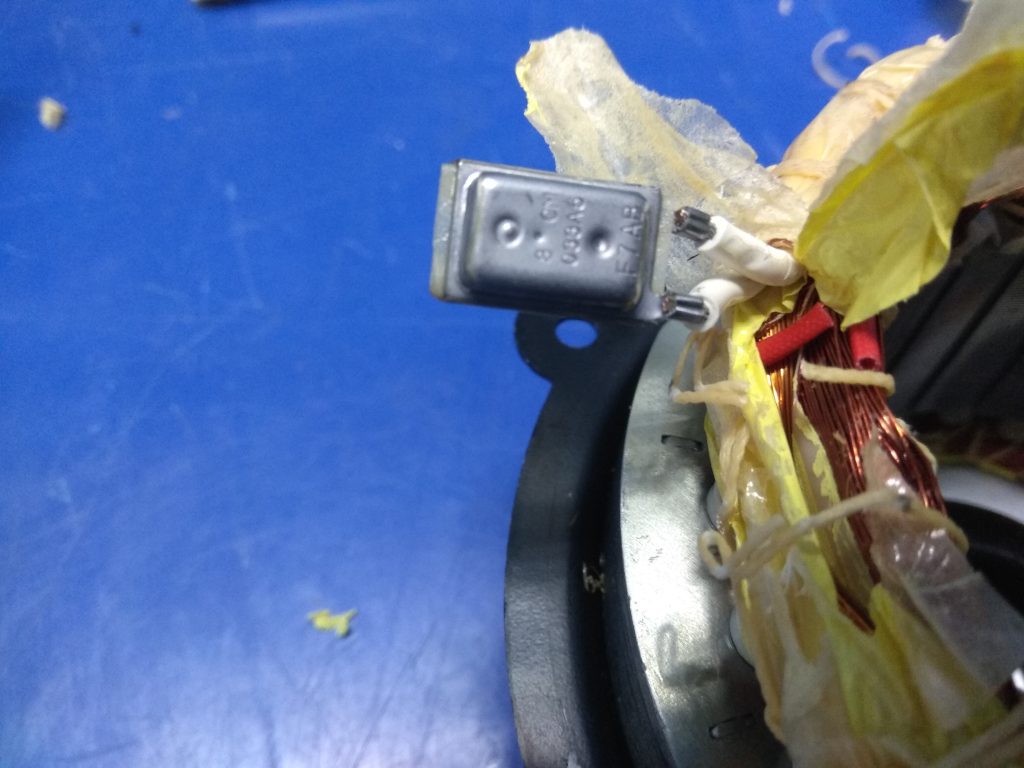
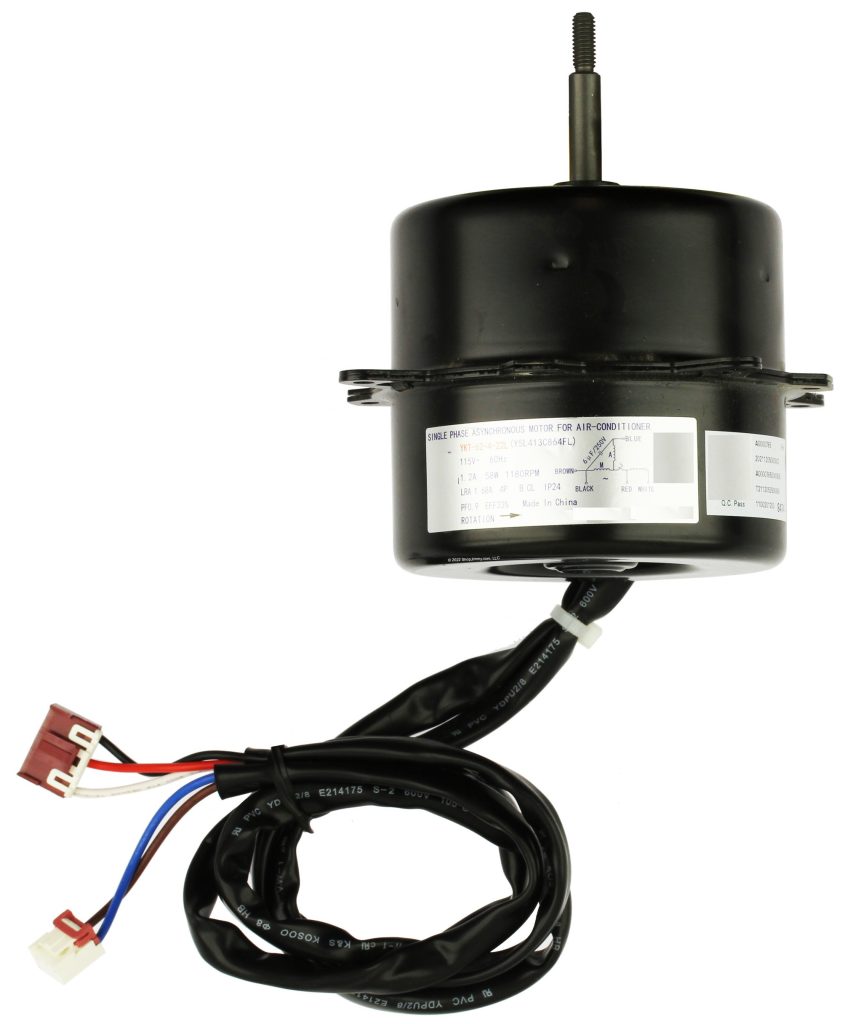
A common type of self-resetting thermal cut-out is the thermal protector used in fan motors, as shown below.
Similar Posts

  • Clause 3 – How to understand the definition of “thermal cut-out”

    thermal-cut-out: device which during abnormal operation limits the temperature of the controlled part by automatically opening the circuit, or by reducing the current, and is constructed so that its setting cannot be altered by the user. There are three key provisions here. First, the thermal cut-out is a heat-sensing element, second, it can only be…

  • ข้อ 3 – วิธีทำความเข้าใจคำจำกัดความของ “การก่อสร้างประเภท 3”

    หมายเหตุ อาจจำเป็นต้องใช้ฉนวนพื้นฐานเพิ่มเติมจากการจัดหาที่ SELV อ้างถึง 8.1.4.หมายเหตุ 2 ถ้าส่วนหลักของเครื่องใช้ไฟฟ้าทำงานที่ SELV และจัดส่งพร้อมกับหน่วยจ่ายไฟแบบถอดได้ ส่วนหลักของเครื่องใช้ไฟฟ้านี้ถือเป็นโครงสร้างประเภท III ในเครื่องใช้ไฟฟ้าประเภท I หรือเครื่องใช้ไฟฟ้าประเภท II ตามความเหมาะสม ที่นี่ ขอย้ำอีกครั้งว่าเน้นที่ส่วนหนึ่งของอุปกรณ์ คำอธิบายในหมายเหตุ 1 มีความเข้มงวดมากขึ้น เนื่องจากคำจำกัดความในที่นี้กำหนดแรงดันไฟฟ้าต่ำพิเศษเพื่อความปลอดภัย แต่แรงดันไฟฟ้าต่ำพิเศษเพื่อความปลอดภัยเป็นเพียงส่วนหนึ่งที่สามารถสัมผัสได้ ถ้าเป็นไปตามข้อกำหนดในข้อ 8.1.4 เครื่องใช้ไฟฟ้าใช้พลังงานจากอะแดปเตอร์แบบเสียบได้ (ไม่มีสายดินป้องกัน) และอะแดปเตอร์และอุปกรณ์จะถูกส่งไปยังผู้ใช้ร่วมกัน อะแดปเตอร์และเครื่องใช้ไฟฟ้ารวมกันถือเป็นเครื่องใช้ไฟฟ้าประเภท II เนื่องจากอะแดปเตอร์เป็น Class II จึงกำหนดระดับการป้องกันไฟฟ้าช็อต อย่างไรก็ตาม อุปกรณ์ที่มีพัดลมเพียงอย่างเดียวนั้นเป็นโครงสร้าง Class III ซึ่งเป็นโครงสร้าง Class III ในเครื่องใช้ไฟฟ้า Class II แน่นอนว่า มีอีกสถานการณ์หนึ่ง นั่นคือ PCB ของแหล่งจ่ายไฟแบบสวิตช์ถูกฝังอยู่ในอุปกรณ์ และ PCB ของแหล่งจ่ายไฟแบบสวิตช์นี้สามารถให้วงจร SELV ได้ จากนั้น…

  • Clause 3 – How to understand the definition of “built-in appliance”

    built-in appliance: fixed appliance intended to be installed in a cabinet, in a prepared recess in a wall or in a similar location. Here, because the appliance must be installed in a reserved position (usually a cubic space with only one side open), it is a fixed installation and can be regarded as a fixed…

  • ข้อ 3 – วิธีทำความเข้าใจคำจำกัดความของ “อุปกรณ์คลาส II”

    ฉนวนพื้นฐาน เฉพาะแต่โดยจัดให้มีมาตรการป้องกันความปลอดภัยเพิ่มเติม เช่น ฉนวนสองชั้น หรือ ฉนวนเสริมแรง ไม่มีข้อกำหนดสำหรับการต่อสายดินหรือการพึ่งพาเงื่อนไขการติดตั้งหมายเหตุ 1 อุปกรณ์ดังกล่าวอาจมีประเภทใดประเภทหนึ่งต่อไปนี้: – เครื่องใช้ไฟฟ้าที่มีเปลือกหุ้มที่ทนทานและต่อเนื่องกันมากเป็นวัสดุฉนวนซึ่งห่อหุ้มส่วนที่เป็นโลหะทั้งหมด ยกเว้นส่วนต่างๆ เช่น แผ่นป้าย หมุดเกลียว และหมุดย้ำ ซึ่งแยกออกจากส่วนที่ถ่ายทอดสด โดยฉนวนอย่างน้อยเทียบเท่ากับ ฉนวนเสริมแรง อุปกรณ์คลาส II– เครื่องใช้ไฟฟ้าที่มีเปลือกหุ้มโลหะที่ต่อเนื่องกันอย่างมาก โดยที่ ฉนวนสองชั้น;หรือ ฉนวนเสริมแรง ถูกใช้ตลอด; อุปกรณ์ดังกล่าวเรียกว่าเครื่องหุ้มโลหะ อุปกรณ์คลาส II – เครื่องใช้ไฟฟ้าที่มีฉนวนหุ้มอยู่รวมกัน อุปกรณ์คลาส II;และหุ้มด้วยโลหะ อุปกรณ์คลาส II หมายเหตุ 2 กรอบหุ้มของฉนวนหุ้ม อุปกรณ์คลาส II.อาจประกอบเป็นบางส่วนหรือทั้งหมด ฉนวนเสริม หรือของ ฉนวนเสริมแรง รูปที่ 11 – ตัวอย่างระยะห่างในมาตรฐาน IEC 60335-1 เป็นตัวอย่างง่ายๆ จากตัวเลขนี้ เราสามารถคิดถึงคุณลักษณะพื้นฐานของอุปกรณ์คลาส II โครงสร้างคลาส II…

  • Clause 3 – How to understand the definition of “protective electronic circuit”

    protective electronic circuit: electronic circuit that prevents a hazardous situation under abnormal operating conditions.NOTE Parts of the circuit may also be used for functional purposes. With the advancement of technology, more and more electronic circuits are being used in household electrical products, and these electronic circuits are usually integrated on PCBs. They use microprocessor chips…

  • Clause 3 – How to understand the definition of “heating appliance”

    heating appliance: appliance incorporating heating elements but without any motor. Before introducing this definition, we need to briefly introduce the electric heating elements commonly used in household electrical appliances. PTC heating element: PTC (Positive Temperature Coefficient) heating elements are widely used for various heating applications because of their self-regulating properties and safety features. Here are…