Clause 3 – How to understand the definition of “self-resetting thermal cut-out”

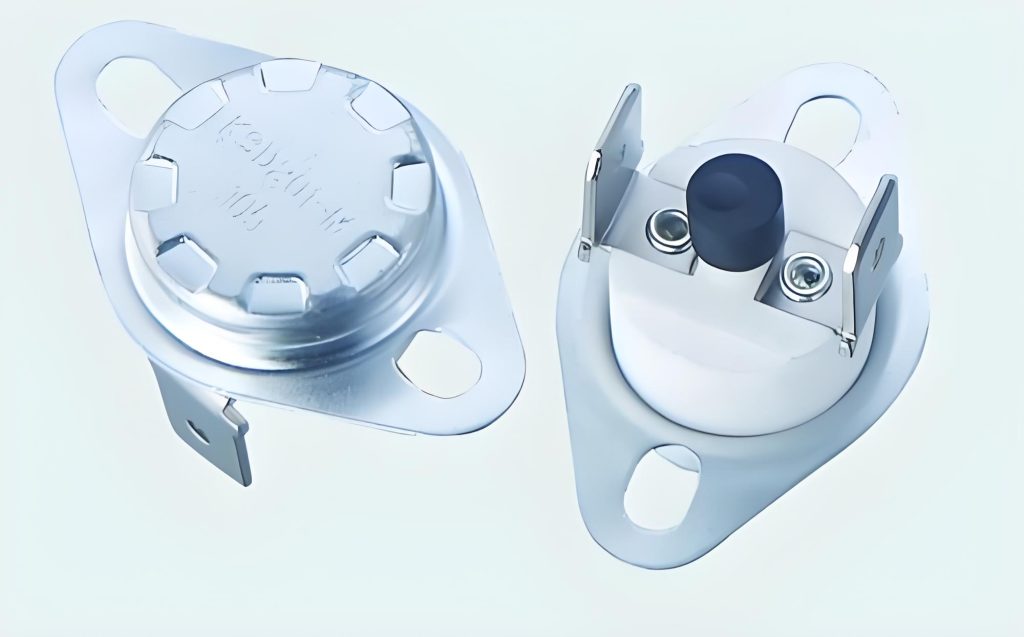
self-resetting thermal cut-out: thermal cut-out that automatically restores the current after the relevant part of the appliance has cooled down sufficiently

In the definition there is a clear mention, when the temperature is cooled to a certain degree, in fact, its intention is to control the temperature is not too high, when the temperature is too high, the thermal cut-out opens the circuit or reduces the current, these two means will reduce the heat, when the heat is down, the temperature’s also down, the thermal cut-out will automatically restores the current.
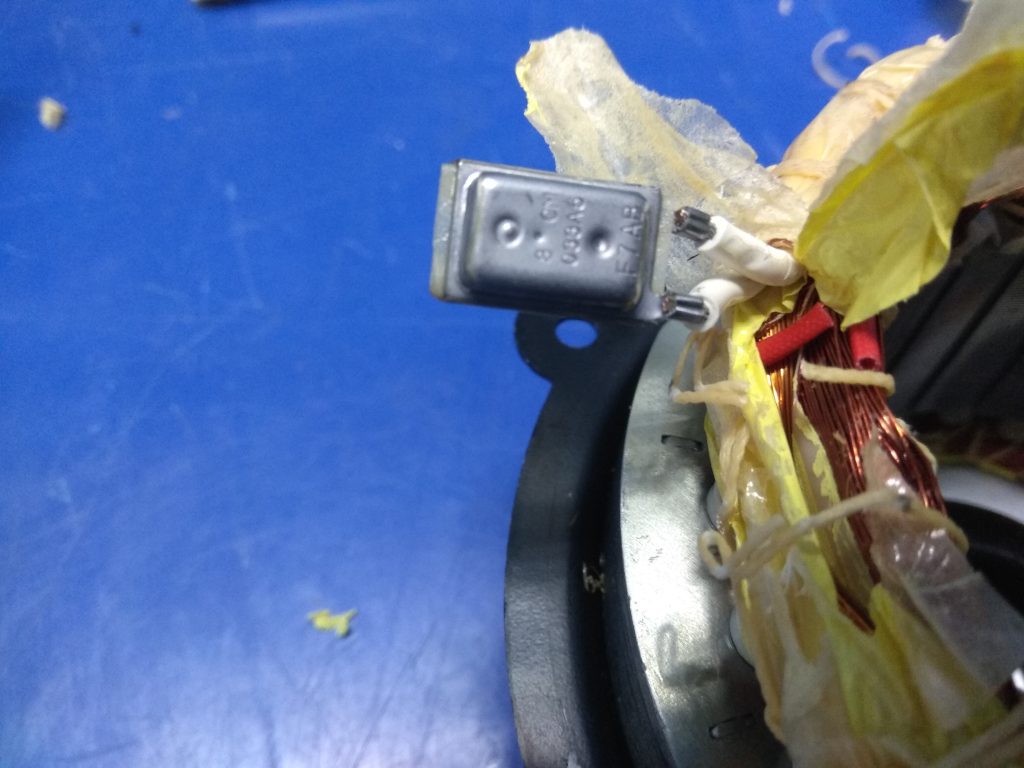
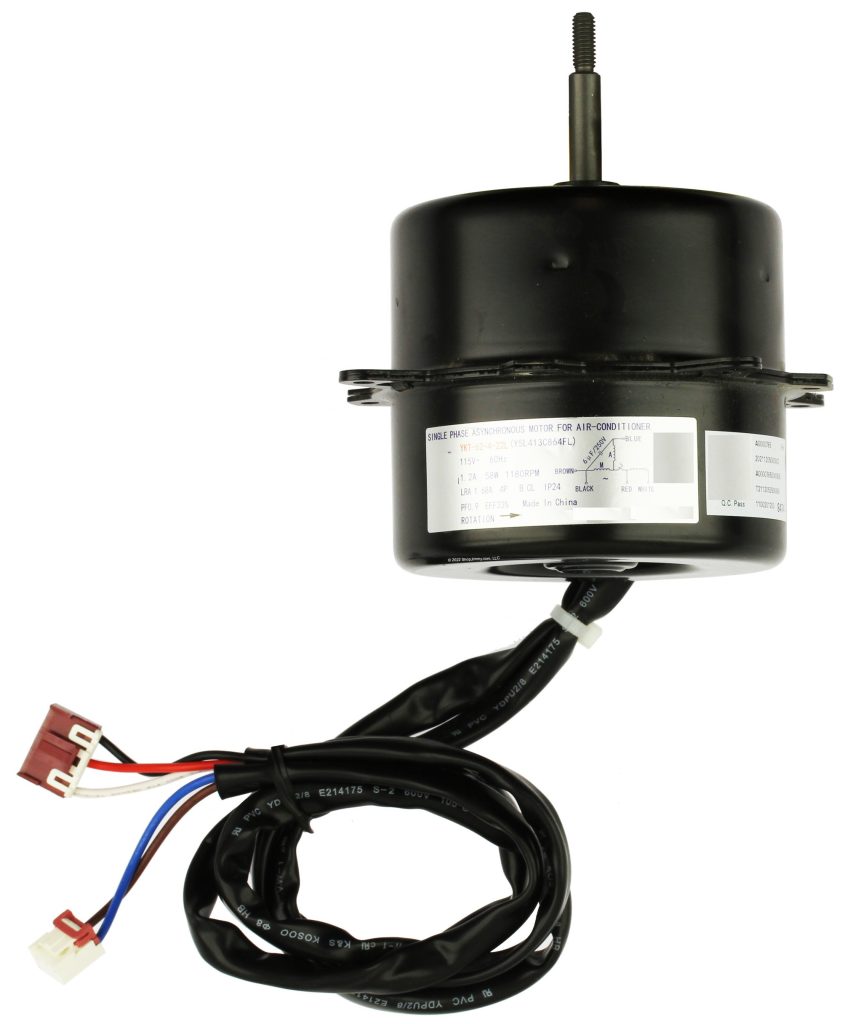
A common type of self-resetting thermal cut-out is the thermal protector used in fan motors, as shown below.
Similar Posts

  • ข้อ 3 – วิธีทำความเข้าใจคำจำกัดความของ “เรต” ในข้อ 3.1.1 – 3.1.8

    เพื่อสรุปจุดประสงค์ของมาตรฐาน “ เรต” แสดงถึงชุดพารามิเตอร์ที่กำหนดให้กับเครื่องใช้ไฟฟ้าโดยผู้ผลิตตามข้อกำหนดของข้อ 7 พารามิเตอร์บางตัวในกลุ่มที่ได้รับการจัดอันดับนี้มักจะต้องมีการทำเครื่องหมายบนฉลากการให้คะแนน ผู้ออกแบบผลิตภัณฑ์จะกำหนดพารามิเตอร์เหล่านี้ตามความต้องการของผู้ใช้ แรงดันไฟฟ้าและความถี่ที่กำหนดจะถูกกำหนดตามเงื่อนไขของแหล่งจ่ายไฟฟ้าในสถานที่ที่จะใช้ผลิตภัณฑ์ และแตกต่างกันไปในแต่ละประเทศ ดังนั้นจึงจำเป็นต้องออกแบบผลิตภัณฑ์ตามเงื่อนไขของ ประเทศต่างๆ นี่คือข้อมูลอ้างอิง หน้าเว็บ คุณสามารถตรวจสอบข้อมูลสภาพแหล่งจ่ายไฟของเกือบทุกประเทศได้ กระแสไฟที่กำหนดหรือกำลังไฟที่กำหนดจะถูกกำหนดตามความต้องการของผู้ใช้ เช่น หากผู้ใช้ต้องการเครื่องทำความร้อนในห้องที่ทรงพลัง ผู้ออกแบบจะออกแบบเครื่องทำความร้อนในห้องที่มีกำลังไฟเข้าพิกัด 3000W ตามความต้องการของผู้ซื้อ ในทางกลับกัน นอกจากนี้ยังสามารถออกแบบสำหรับเครื่องทำความร้อนในห้องที่ใช้พลังงานต่ำมาก เช่น 500W หรือน้อยกว่าได้อีกด้วยก่อนที่เราจะทดสอบตามมาตรฐาน เราจำเป็นต้องยืนยันค่าพารามิเตอร์ที่กำหนด เนื่องจากการทดสอบจำนวนมากในมาตรฐานจะขึ้นอยู่กับค่าพารามิเตอร์ที่กำหนดเพื่อกำหนดเงื่อนไขการทดสอบ หากค่าพารามิเตอร์ที่กำหนดไม่ถูกต้อง ผลการทดสอบส่วนใหญ่ของเรา คงจะผิดแน่นอน.. Before we test according to the standard, we need to confirm the rated parameter values, because many tests in the standard are based on the…

  • Clause 3 – How to understand the definition of “battery-operated appliance”

    (IEC 60335-1 Ed. 5.1) battery-operated appliance: appliance deriving its energy from batteries enabling the appliance to perform its intended function without a mains connection.(IEC 60335-1 Ed. 6)battery-operated appliance: appliance deriving its energy from batteries enabling the appliance to perform its intended function without a supply connectionNote 1 to entry: A battery-operated appliance can have a…

  • Clause 3 – How to understand the definition of “thermal link”

    thermal link: thermal cut-out which operates only once and requires partial or complete replacement It is a temperature sensing device, but it can only be operated once, when the temperature is higher than its set value, it will disconnect, and after disconnection, the current can not pass through, so as to play the role of…

  • Clause 3 – How to understand the definition of “protective electronic circuit”

    protective electronic circuit: electronic circuit that prevents a hazardous situation under abnormal operating conditions.NOTE Parts of the circuit may also be used for functional purposes. With the advancement of technology, more and more electronic circuits are being used in household electrical products, and these electronic circuits are usually integrated on PCBs. They use microprocessor chips…

  • ข้อ 3 – จะเข้าใจคำจำกัดความของ “แรงดันไฟฟ้าต่ำพิเศษ” ได้อย่างไร

    ตามคำจำกัดความของ EU Low Voltage Directive แรงดันไฟฟ้าต่ำมีช่วงตั้งแต่ 50-1000V สำหรับ AC และ 75-1500V สำหรับ DC อย่างไรก็ตาม ประเทศส่วนใหญ่แบ่งแรงดันไฟฟ้าสูงและต่ำตามค่าแรงดันไฟฟ้านี้ ดังนั้น แรงดันไฟฟ้าที่สูงกว่าขีดจำกัดบนของช่วงจึงเป็นแรงดันไฟฟ้าสูงและแรงดันไฟฟ้าที่ต่ำกว่าขีดจำกัดล่างของช่วงคือแรงดันไฟฟ้าต่ำเป็นพิเศษ คำจำกัดความในมาตรฐานนี้ไม่ได้แยกความแตกต่างระหว่าง DC และ AC โปรดทราบว่าที่นี่มีการกำหนดชื่อแรงดันไฟฟ้าตามค่าแรงดันไฟฟ้าเท่านั้น และไม่ได้กำหนดบางส่วนของวงจรแรงดันต่ำ เนื่องจากแรงดันไฟฟ้ามีความสัมพันธ์กัน เมื่อวัดแรงดันไฟฟ้า จะต้องวัดแรงดันไฟฟ้าระหว่างปลายทั้งสอง กล่าวคือ แรงดันไฟฟ้าต้องมีจุดอ้างอิง ดังนั้น มาตรฐานจึงกล่าวถึงแรงดันไฟฟ้าระหว่างสายไฟและระหว่างสายไฟกับกราวด์ แรงดันไฟฟ้าขาออกของแบตเตอรี่อัลคาไลน์ในครัวเรือนทั่วไป, แรงดันไฟฟ้าในการทำงานของวงจรแรงดันต่ำหลังหม้อแปลงหรือวงจร RC step-down บนแผงวงจรควบคุมของเครื่องใช้ในครัวเรือนทั่วไปซึ่งทั้งหมดสามารถกำหนดได้ว่าเป็นแรงดันไฟฟ้าต่ำพิเศษ . ดังแสดงในรูปด้านล่าง R1 และ C1 ทำหน้าที่ลดแรงดันไฟฟ้าได้ครบถ้วน ดังนั้นวงจรที่อยู่ถัดจาก R1 และ C1 จึงสามารถกำหนดเป็นวงจรแรงดันไฟฟ้าต่ำพิเศษได้ As shown in the figure below, R1 and C1…

  • Clause 3 – How to understand the definition of “thermostat”

    thermostat: temperature-sensing device, the operating temperature of which may be either fixed or adjustable and which during normal operation keeps the temperature of the controlled part between certain limits by automatically opening and closing a circuit. The thermostat itself does not control the temperature, the thermostat senses the temperature and controls the temperature by switching…