Clause 3 – How to understand the definition of “detachable part”

detachable part: part that can be removed or opened without the aid of a tool, a part that is removed or opened in accordance with the instructions for use, even if a tool is needed for removal, or a part that does not fulfil the test of 22.11.
NOTE 1 If for installation purposes a part has to be removed, this part is not considered to be detachable even if the instructions state that it is to be removed.
NOTE 2 Components that can be removed without the aid of a tool are considered to be detachable parts.

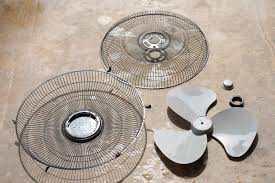
The definition of this concept is mainly for the judgment of clause 8 and clause 20, and may also be used for the judgment of other chapters. Whether any part of an appliance can be removed cannot be judged by a certain arbitrary or subjective principle. Therefore, here, the standard stipulates three principles to determine whether the parts of the appliance can be removed. The first principle is the parts that can be removed without using tools; the second principle is the parts that can be removed or opened according to the instructions. If the instructions require the use of tools to operate, they can also be considered detachable; the third principle is the parts that cannot withstand the test of clause 22.11. This principle is actually a set of experimental methods to determine whether a part is firmly fixed; different people have different strengths and use different tools. For the same part, some people can remove it without the help of tools, while others cannot remove it due to lack of strength; therefore, a unified method is fixed here for execution. The clause needs to be understood together with the non-detachable part clause. From the literal meaning of the noun alone, it can be understood that a part is either a detachable part or a non-detachable part. However, analyzing the definition of the clause, it is not an either-or relationship here. The difference is that in the definition of detachable parts, there is an additional clause “parts that are removed or opened according to the instructions (even if tools are required to remove them)”, that is, if a part meets this additional condition, it can be judged as both a detachable part and a non-detachable part. For example, the instructions of some air purifiers will tell users how to use a screwdriver to remove the outer shell to replace the internal filter, and some floor-standing fans will also tell users in the instructions how to use a screwdriver to remove the mesh cover, and then remove the fan blades to complete the cleaning work. These disassembled parts are detachable parts.

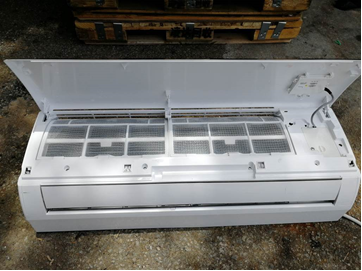
When installing the indoor unit of a split wall-mounted air conditioner, you need to open the upper cover and remove the junction box cover. The junction box cover here needs to be removed during installation and reset after installation. The cover is not considered a detachable part. As shown below:
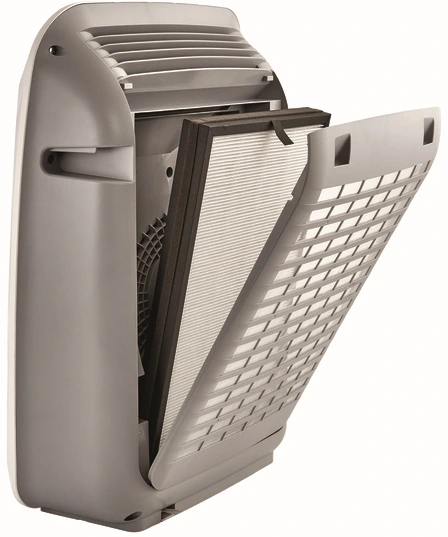
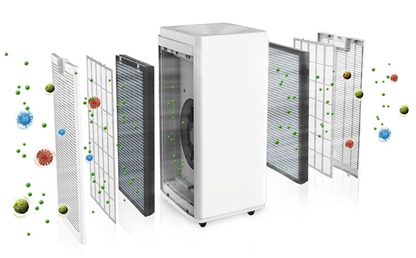
In order to facilitate the updating of filters and filter elements, the air purifier products are designed to fix the filters and filter covers with a snap structure, and the replaceable filters and filter covers are detachable parts. As shown below:
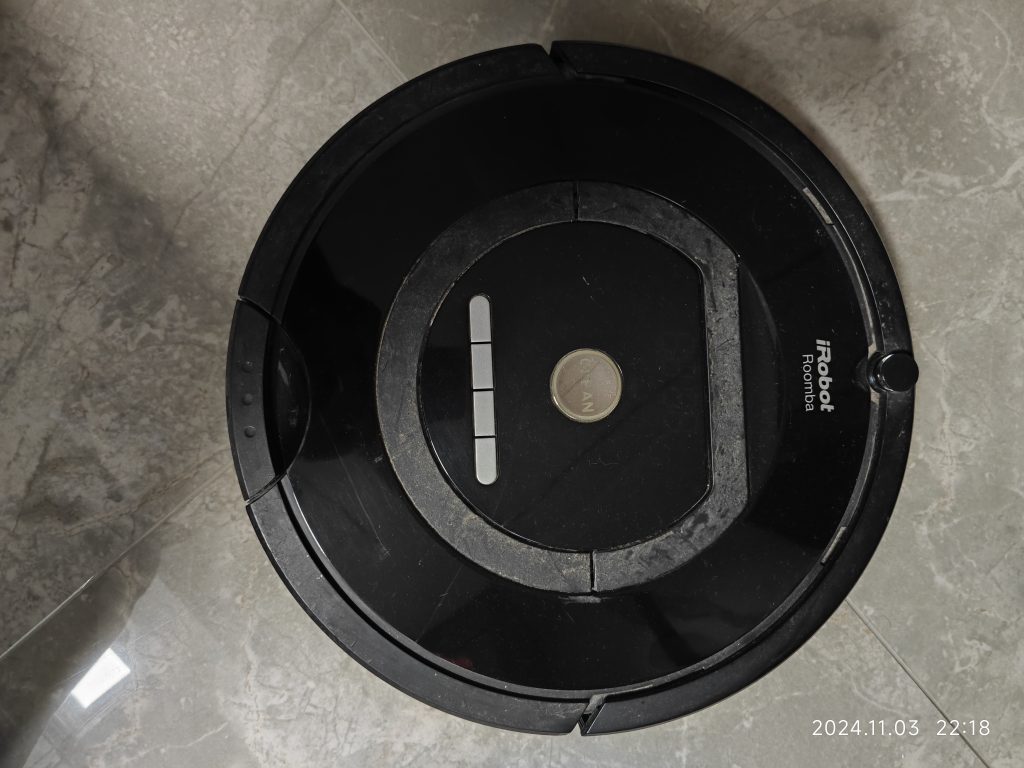
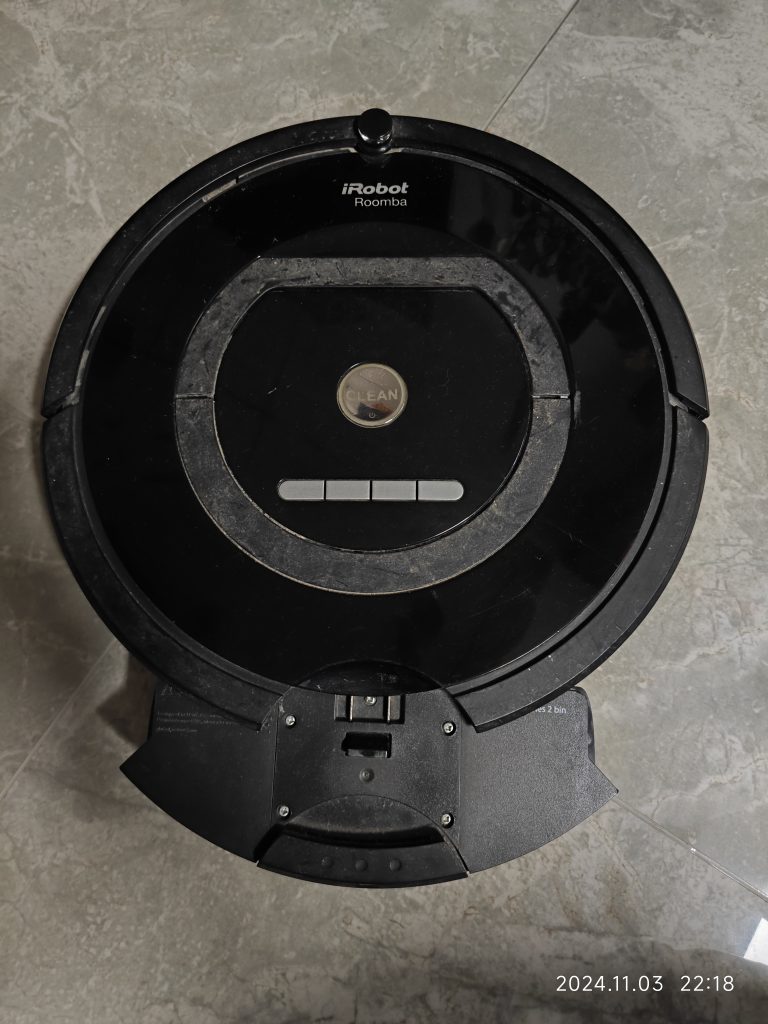
The filter of the sweeping robot shown in the figure below is a detachable part
fan grille for floor-standing fan shown as below:
Similar Posts

  • ข้อ 3 – จะเข้าใจคำจำกัดความของ “การก่อสร้างประเภท II” ได้อย่างไร

    ตัวอย่าง: เตาอบที่แสดงในภาพด้านล่างใช้เปลือกโลหะและปุ่มสวิตช์พลาสติก เมื่อผู้ใช้สัมผัสปุ่มสวิตช์ ปุ่มทำจากวัสดุฉนวนและไม่สามารถต่อสายดินได้ การป้องกันไฟฟ้าช็อตสามารถพึ่งพาฉนวนของปุ่มเท่านั้น มีฉนวนพื้นฐานระหว่างชิ้นส่วนที่มีกระแสไฟฟ้าภายในสวิตช์และแกนปุ่มหมุนสวิตช์ และปุ่มหมุนสวิตช์จะสร้างฉนวนเสริม ดังนั้นตำแหน่งปุ่มสวิตช์จึงเป็นโครงสร้างคลาส II       

  • Clause 3 – How to understand the definition of “electronic component”

    electronic component: part in which conduction is achieved principally by electrons moving through a vacuum, gas or semiconductor.NOTE Neon indicators are not considered to be electronic components. Early vacuum tubes were components that allowed electrons to conduct in a vacuum and were the core components of old radios and televisions.Electrons move through specific gases, colliding…

  • ข้อ 3 – วิธีทำความเข้าใจคำจำกัดความของ “ไฟล์แนบประเภท X, ประเภท Y, ประเภท Z”

    สิ่งที่แนบประเภท X: การเชื่อมต่อสายไฟเสร็จสมบูรณ์ในพื้นที่ที่เตรียมไว้เป็นพิเศษในเครื่องใช้ไฟฟ้า ดังนั้นเมื่อเปลี่ยนสายไฟจะไม่สัมผัสส่วนอื่นใดนอกจากแผงขั้วต่อและสายภายใน สกรูที่ยึดสายไฟเป็นสกรูหัวแฉกหรือหัวแบนธรรมดา การเปลี่ยนสายไฟให้ดำเนินการภายในช่วงที่ควบคุมได้ สายไฟที่ผู้ใช้ทั่วไปแทนที่นั้นค่อนข้างเรียบง่ายและใช้งานได้ การแนบประเภท Y: เมื่อเปลี่ยนสายไฟ โดยทั่วไปจำเป็นต้องเปิดโครงโครงสร้างของเครื่องใช้ไฟฟ้า และยึดตัวเรือนเหล่านี้ด้วยสกรูพิเศษ เช่น สกรูหกเหลี่ยม หลังจากเปิดโครงโครงสร้างของเครื่องแล้ว ชิ้นส่วนทดแทนอาจสัมผัสชิ้นส่วนที่เคลื่อนไหวที่เป็นอันตรายหรือชิ้นส่วนอื่นๆ ที่มีไฟฟ้าภายในเครื่องได้ ในกรณีนี้ จะปลอดภัยกว่าหากกำหนดการเชื่อมต่อเป็นเอกสารแนบประเภท Y และกำหนดให้ผู้เชี่ยวชาญเปลี่ยนสายไฟ โดยปกติแล้ว สกรูยึดจะเป็นสกรูธรรมดาที่ผู้ใช้ทั่วไปสามารถใช้งานได้ แต่หากสัมผัสชิ้นส่วนที่เป็นอันตรายได้ในระหว่างการเปลี่ยนสายไฟ โดยทั่วไปจะกำหนดให้เป็นสิ่งที่แนบมาประเภท Y ไฟล์แนบประเภท Z ดูคำอธิบายและตัวอย่างใน 3.2.6. type Z attachment, see the explanation and examples in 3.2.6.

  • ข้อ 3 – วิธีทำความเข้าใจคำจำกัดความของ “ช่วงกำลังไฟฟ้าเข้าพิกัด”

    คำจำกัดความนี้สอดคล้องกับช่วงแรงดันไฟฟ้าที่กำหนด ซึ่งหมายความว่ากำลังไฟฟ้าเข้าที่กำหนดจะมีป้ายกำกับเป็นช่วงขีดจำกัดบนและล่าง ตัวอย่าง: เครื่องทำความร้อนในห้องแบบหลอดควอทซ์ที่มีช่วงแรงดันไฟฟ้า AC220-240V และช่วงกำลังไฟเข้าพิกัด 2000-2200WExample: A quartz tube room heater with a rated voltage range of AC220-240V and a rated power input range of 2000-2200W.

  • ข้อ 3 – วิธีทำความเข้าใจคำจำกัดความของ “ความปลอดภัยแรงดันไฟฟ้าต่ำพิเศษ”

    หมายเหตุ 2 แรงดันไฟฟ้าต่ำพิเศษเพื่อความปลอดภัยเรียกอีกอย่างว่า SELVจากชื่อ – แรงดันไฟฟ้าต่ำพิเศษด้านความปลอดภัย คำจำกัดความนี้มีคำว่า “ความปลอดภัย” มากกว่าแรงดันไฟฟ้าต่ำพิเศษ อย่างไรก็ตาม ในมาตรฐานนี้ เราได้อธิบายไว้ก่อนหน้านี้แล้วว่าแนวคิดเรื่องความปลอดภัยเป็นแนวคิดที่สัมพันธ์กัน ซึ่งได้รับการอธิบายไว้ในคำนำ-1 ที่นี่ เราต้องเพิ่มเติมว่า SELV มีข้อบังคับเกี่ยวกับค่าแรงดันไฟฟ้า แรงดันไฟฟ้าที่ระบุในที่นี้คือค่าประสิทธิผลของแรงดันไฟฟ้า โดยปกติ ค่าพีคของแรงดันไฟฟ้าจะสูงกว่าค่าประสิทธิผล และขีดจำกัดแรงดันไฟฟ้าที่ระบุในข้อ 8.1.4 เป็นข้อกำหนดสำหรับค่าพีค เราจะอธิบายข้อกำหนดการทดสอบโดยละเอียดในข้อ 8.1.4 หมายเหตุ 2 ของย่อหน้าแรกในข้อ 3 ให้ประโยค “หมายเหตุ 2 เมื่อใช้เงื่อนไข “แรงดันไฟฟ้า” และ “ปัจจุบัน” จะมีค่า r.m.s. เว้นแต่จะระบุไว้เป็นอย่างอื่น” ดังแสดงในรูปด้านล่าง หม้อแปลงไฟฟ้ามีขายึดพลาสติกสามตัววางในแนวตั้งลงในแผ่นดิสก์เพื่อแยกขดลวดปฐมภูมิและขดลวดทุติยภูมิ (ขดลวดปฐมภูมิและขดลวดทุติยภูมิถูกพันด้วยเทปพลาสติกสีน้ำเงินด้านนอก) และขดลวดปฐมภูมิและขดลวดทุติยภูมิคือ แยกตัวออกจากร่างกายเราจะอธิบายโครงสร้างของหม้อแปลงแยกความปลอดภัยโดยละเอียดในโพสต์ถัดไป Here, we need to add that SELV has regulations on voltage…

  • 8.1.5 – มีการป้องกันอย่างน้อยด้วยฉนวนพื้นฐานก่อนการติดตั้งหรือการประกอบ

    ผลิตภัณฑ์เครื่องปรับอากาศที่มีเครื่องทำความร้อนไฟฟ้าเสริมในเครื่องปรับอากาศซึ่งติดตั้งในคอยล์เย็น คอยล์เย็น และคอยล์ร้อน บรรจุเป็นสองส่วนแยกกัน และทั้งสองส่วนก็จัดส่งพร้อมกันไปยังที่ของผู้ใช้ ของการใช้งาน ในกระบวนการติดตั้ง หากการจ่ายไฟของคอยล์เย็นผ่านยูนิตภายนอกอาคารเป็นไปได้ว่า ผู้ติดตั้งจะดำเนินการเชื่อมต่อระหว่างคอยล์เย็นกับยูนิตภายนอกอาคารก่อน (โปรดทราบว่าการเชื่อมต่อภายในและภายนอกอาคาร) สายไฟ – สายเชื่อมต่อโครงข่าย – เชื่อมต่อกับขั้วต่อของคอยล์เย็นก่อนจำหน่าย) จากนั้นจึงรวมพลังงานยูนิตกลางแจ้งเพื่อทดสอบการใช้งาน ในระหว่างขั้นตอนการทดสอบการใช้งาน ผู้ติดตั้งเองหรือผู้ติดตั้งรายอื่นอาจไม่ทราบว่าส่วนประกอบบางส่วนของคอยล์เย็นมีประจุไฟฟ้าจริง ๆ (เนื่องจากชิ้นส่วนที่ใช้ไฟฟ้าคือยูนิตกลางแจ้ง) และหากชิ้นส่วนที่มีประจุไฟฟ้าเหล่านี้ไม่ได้รับการปกป้องด้วยฉนวนพื้นฐาน มีความเสี่ยงที่จะเกิดไฟฟ้าช็อต และ nbsp; นี่เป็นเพียงตัวอย่างจากฮีทเตอร์เสริมไฟฟ้าของเครื่องปรับอากาศ จุดที่เป็นปัญหาที่พบบ่อยที่สุดคือขั้ว จากภาพด้านซ้ายด้านล่างจะเห็นว่าเครื่องปรับอากาศ Indoor Unit เปิดแผงด้านหน้าและมีแผ่นพลาสติกปิดทางด้านขวาของภายในที่ยึดด้วยสกรูและใต้แผ่นปิดมี เทอร์มินัลและคุณสามารถเห็นเทอร์มินัลในภาพด้านขวา ส่วนล่างของขั้วต่อมีสายไฟหลายเส้นซึ่งเป็นสายเชื่อมต่อที่เชื่อมต่อกับคอยล์ร้อน หากไม่มีแผ่นปิดและ nbsp (แผงด้านหน้าเป็นชิ้นส่วนที่ถอดออกได้ และโดยทั่วไปไม่ถือว่าเป็นฉนวนที่สำคัญ) หลังจากเสร็จสิ้นการเชื่อมต่อยูนิตภายในและภายนอก ตลอดจนการเชื่อมต่อแหล่งจ่ายไฟเข้ากับยูนิตภายนอก ขั้วต่อของคอยล์เย็นจะถูกชาร์จด้วยไฟฟ้า และมีความเสี่ยงที่จะเกิดไฟฟ้าช็อตหากไม่ได้รับการปกป้องจากแผงฝาครอบ