Clause 3 – How to understand the definition of “thermostat”

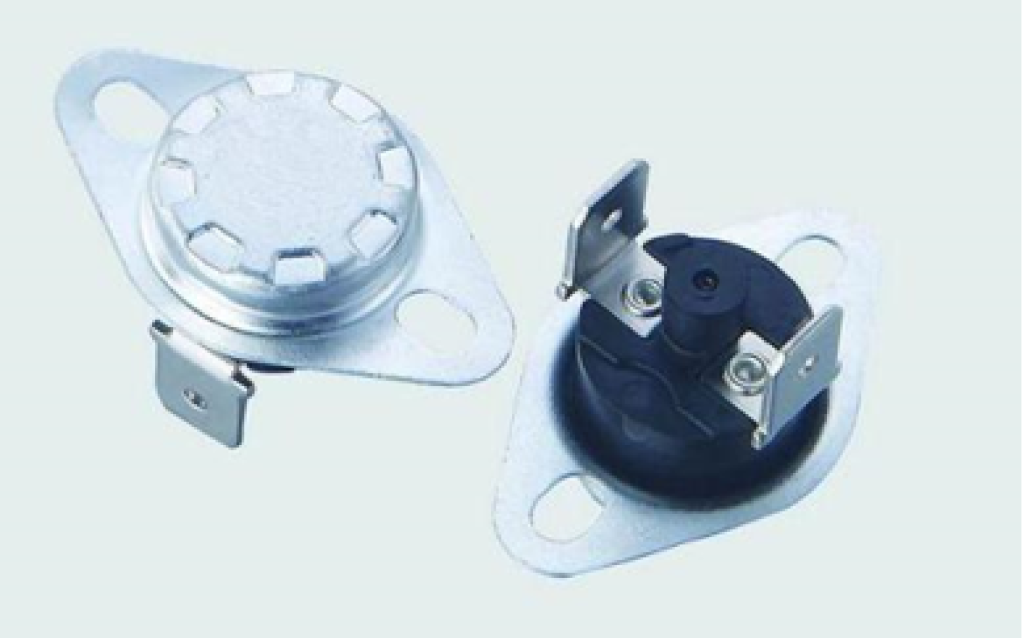
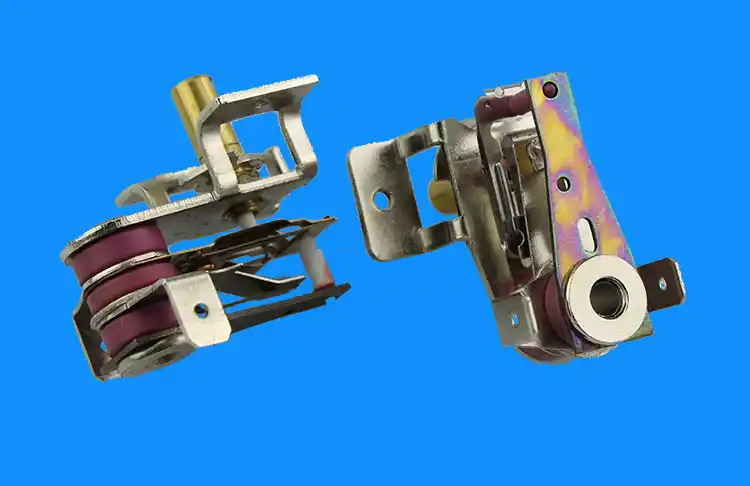
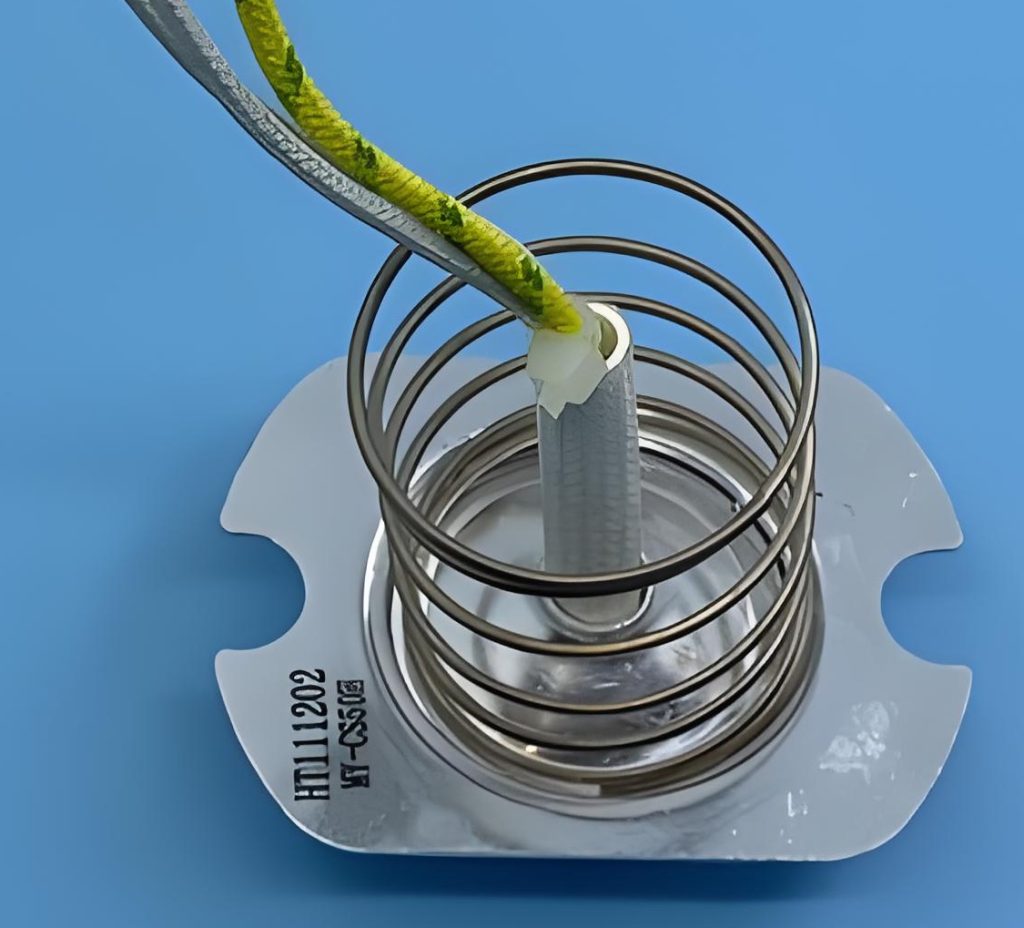
thermostat: temperature-sensing device, the operating temperature of which may be either fixed or adjustable and which during normal operation keeps the temperature of the controlled part between certain limits by automatically opening and closing a circuit.

The thermostat itself does not control the temperature, the thermostat senses the temperature and controls the temperature by switching on or off components that affect the temperature, such as the PTC heating element. If the temperature is too high, the thermostat will disconnect the power supply circuit of the heating element, so that the heating element does not heat up, so that the temperature will be lowered; the opposite principle and operation makes the temperature rise. The purpose is to control the temperature within a certain interval range, so that the temperature does not exceed this range, nor below this range. Thermostats are often used in environments where temperature control is required, such as ovens, deep fryers, room heaters, air conditioners, refrigerators, and so on.
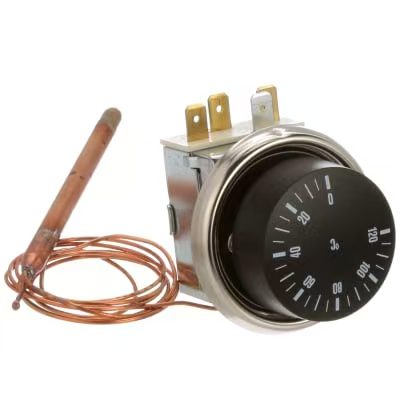
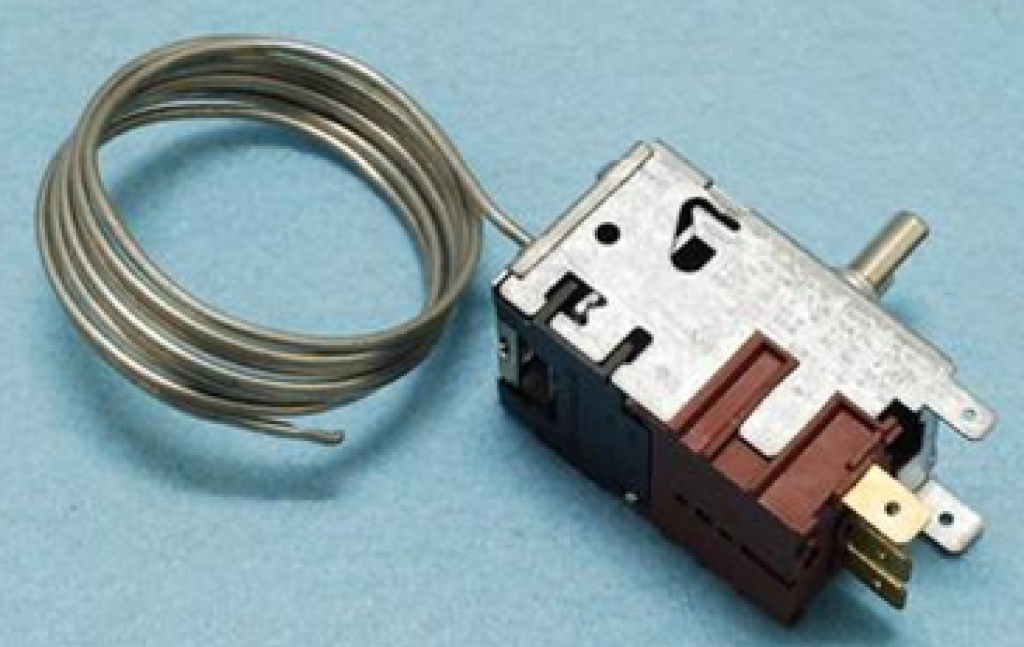
Please note that a thermostat is a controller that functions when the appliance is in normal operation. Many temperature control devices or temperature sensing devices have the same control principle and control method, but not all temperature control devices are thermostats. The controller corresponding to a thermostat is a thermal cut-out, and the one that operates during abnormal operation is a thermal cut-out. This distinction in the standard indicates that the requirements for evaluating a thermal cut-out are different from those for a thermostat, and we will describe the differences in a later clause.

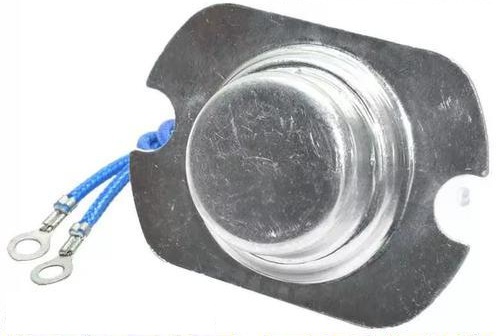
Magnetic steel thermostat for electric pressure cooker
Similar Posts

  • ข้อ 3 – วิธีทำความเข้าใจคำจำกัดความของ “ช่วงความถี่ที่กำหนด”

    ความถี่ที่กำหนดในรูปแบบของช่วง โดยทั่วไปคือ 50-60 Hz แต่ทุกประเทศในโลกมีความถี่หลัก 50 Hz หรือ 60 Hz จึงไม่มีค่าความถี่กลาง ดังนั้น คำจำกัดความจึงไม่มีความหมายมากนัก อย่างไรก็ตาม ยังมีผู้ซื้อหรือผู้ผลิตที่ให้ช่วงความถี่ในรูปแบบ 50-60Hz ในความคิดของฉัน แม้จะพิจารณาความผันผวนของความถี่ที่เกิดจากแรงดันไฟฟ้าของอาคารที่ไม่เสถียร 50-60Hz ก็ไม่ได้คำนึงถึงสถานการณ์ที่น้อยกว่า 50Hz หรือมากกว่า 60Hz ดังนั้น ฉันขอแนะนำให้ทำเครื่องหมายความถี่ที่กำหนดเป็น 50/60Hz โดยตรงTherefore, I recommend marking the rated frequency as 50/60Hz directly.

  • Clause 3 – How to Understand the Definition of “all-pole disconnection”

    all-pole disconnection: disconnection of both supply conductors by a single initiating action or, for multi-phase appliances, disconnection of all supply conductors by a single initiating actionNOTE For multi-phase appliances, the neutral conductor is not considered to be a supply conductor. Single-phase power: An AC power system composed of one live wire and one neutral wire.​Three-phase…

  • ข้อ 3 – วิธีทำความเข้าใจคำจำกัดความของ “ไฟล์แนบประเภท X, ประเภท Y, ประเภท Z”

    สิ่งที่แนบประเภท X: การเชื่อมต่อสายไฟเสร็จสมบูรณ์ในพื้นที่ที่เตรียมไว้เป็นพิเศษในเครื่องใช้ไฟฟ้า ดังนั้นเมื่อเปลี่ยนสายไฟจะไม่สัมผัสส่วนอื่นใดนอกจากแผงขั้วต่อและสายภายใน สกรูที่ยึดสายไฟเป็นสกรูหัวแฉกหรือหัวแบนธรรมดา การเปลี่ยนสายไฟให้ดำเนินการภายในช่วงที่ควบคุมได้ สายไฟที่ผู้ใช้ทั่วไปแทนที่นั้นค่อนข้างเรียบง่ายและใช้งานได้ การแนบประเภท Y: เมื่อเปลี่ยนสายไฟ โดยทั่วไปจำเป็นต้องเปิดโครงโครงสร้างของเครื่องใช้ไฟฟ้า และยึดตัวเรือนเหล่านี้ด้วยสกรูพิเศษ เช่น สกรูหกเหลี่ยม หลังจากเปิดโครงโครงสร้างของเครื่องแล้ว ชิ้นส่วนทดแทนอาจสัมผัสชิ้นส่วนที่เคลื่อนไหวที่เป็นอันตรายหรือชิ้นส่วนอื่นๆ ที่มีไฟฟ้าภายในเครื่องได้ ในกรณีนี้ จะปลอดภัยกว่าหากกำหนดการเชื่อมต่อเป็นเอกสารแนบประเภท Y และกำหนดให้ผู้เชี่ยวชาญเปลี่ยนสายไฟ โดยปกติแล้ว สกรูยึดจะเป็นสกรูธรรมดาที่ผู้ใช้ทั่วไปสามารถใช้งานได้ แต่หากสัมผัสชิ้นส่วนที่เป็นอันตรายได้ในระหว่างการเปลี่ยนสายไฟ โดยทั่วไปจะกำหนดให้เป็นสิ่งที่แนบมาประเภท Y ไฟล์แนบประเภท Z ดูคำอธิบายและตัวอย่างใน 3.2.6. type Z attachment, see the explanation and examples in 3.2.6.

  • Clause 3 – How to understand the definition of “accessible part”

    accessible part: part or surface that can be touched by means of test probe B of IEC 61032, and if the part or surface is metal, any conductive part connected to it.NOTE Accessible non-metallic parts with conductive coatings are considered to be accessible metal parts. There are some parts or surfaces in the appliance that…

  • Clause 3 – How to understand the definition of “built-in appliance”

    built-in appliance: fixed appliance intended to be installed in a cabinet, in a prepared recess in a wall or in a similar location. Here, because the appliance must be installed in a reserved position (usually a cubic space with only one side open), it is a fixed installation and can be regarded as a fixed…

  • ข้อ 3 – จะเข้าใจคำจำกัดความของ “ฉนวนเสริม” ได้อย่างไร

    ดังแสดงในรูปด้านล่าง จากพื้นผิวด้านนอกของฉนวนพื้นฐาน (ในที่นี้สามารถเข้าใจได้ว่าเป็นพื้นผิวด้านนอกของปลอกลวดของลวดภายใน หรือพื้นผิววัสดุพลาสติกของสวิตช์) ไปยังตำแหน่งที่สามารถทำได้ จากภาพตัวอย่างที่ผู้ใช้สัมผัส (ฝาครอบด้านล่างหรือด้านข้างของเครื่องใช้ไฟฟ้า) สามารถพิจารณาว่าฝาครอบด้านล่างและด้านข้างของเครื่องใช้ไฟฟ้าเป็นฉนวนเสริมได้ ในทำนองเดียวกัน ระยะห่างตามผิวฉนวนจากปลอกลวดตะกั่วภายในตามพื้นผิวด้านในของเปลือกด้านข้างไปยังตำแหน่งที่ผู้ใช้ภายนอกสัมผัสได้สามารถกำหนดเป็นฉนวนเสริมได้ จากนั้นเป็นระยะทางเส้นตรงที่สั้นที่สุดจากฉนวนพื้นฐานภายใน ผ่านอากาศไปยังสถานที่ที่ผู้ใช้ภายนอกสามารถสัมผัสได้สามารถกำหนดเป็นระยะห่างของฉนวนเสริมได้ ระยะห่างโดยทั่วไปหมายถึงช่องว่างระหว่างเปลือกด้านล่างและเปลือกด้านข้าง An insulation that is outside the basic insulation and is independent of the basic insulation, and is usually accessible to the user. supplementary insulation, as the name implies, is additional, and refers to insulation added to the basic insulation. This involves a…