Clause 3 – How to understand the definition of “user maintenance”

user maintenance: any maintenance operation stated in the instructions for use, or marked on the appliance, that the user is intended to perform.

Allowed user-executed operations, the operation guideline was given in user manual, and it could be showed in enclosure of appliance. Since it is a allowed user-executed operation, then additional protective method should be included in appliance to against hazards; moreover, we must consider that the user performing the maintenance operation does not have much experience with hazard protection, as well as reasonable misuse by the user during maintenance. We need to differentiate between maintenance and repairs; repairs are performed by professionals, and not much protection is needed for the repairers as they are more specialised.

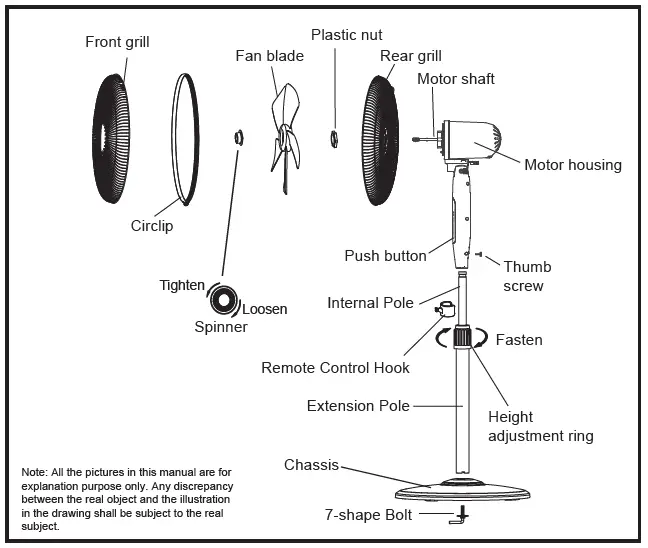
Such as floor standing fan, usually the user will be allowed to disassemble and clean it, and the manual will give detailed instructions for disassembly and cleaning accordingly. A snippet of the instruction manual is shown below:
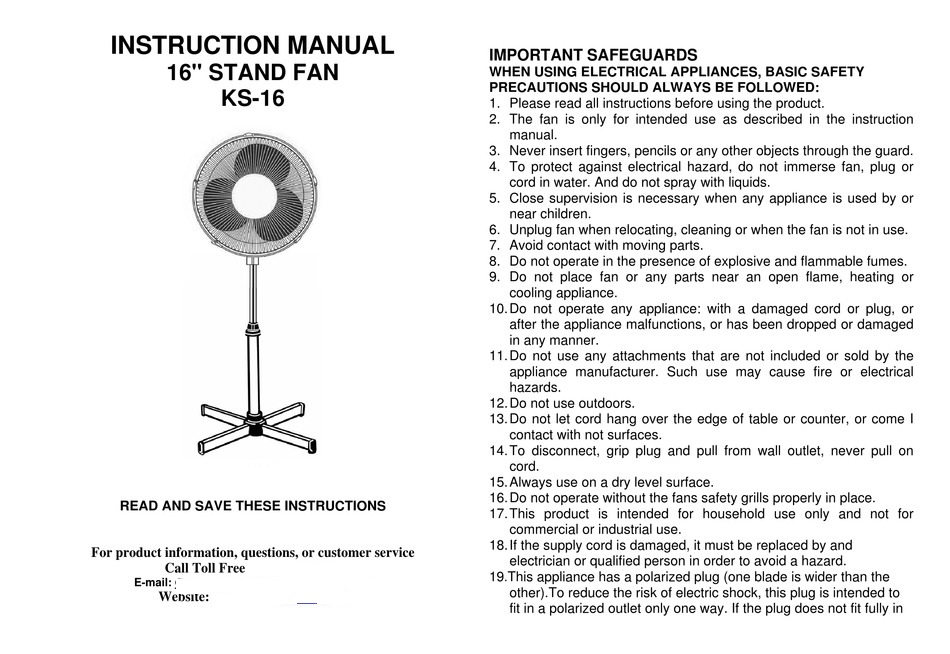
user manual cover page for floor standing fan
Floor standing fan installation diagram

This is a typical type of user maintenance.
The standard refer to definition – user maintenance in clause 7.12, clause 15.1, clause 22.14, clause 23.3, and clause 28.1, which are primarily concerned with avoiding or minimising the hazards that can occur during user maintenance.

Similar Posts

  • ข้อ 3 – จะเข้าใจคำจำกัดความของ “อุปกรณ์คลาส III” ได้อย่างไร

    หมายเหตุ อาจจำเป็นต้องใช้ฉนวนพื้นฐานเพิ่มเติมจากการจัดหาที่ SELV อ้างถึง 8.1.4.คำว่า “ความปลอดภัย” รวมอยู่ในคำสี่คำ “ความปลอดภัยแรงดันไฟฟ้าต่ำพิเศษ” แต่ไม่ได้หมายความว่า SELV ปลอดภัย และไม่จำเป็นต้องปลอดภัยเมื่อสัมผัสโดยตรง เฉพาะวงจรไฟฟ้าแรงต่ำพิเศษด้านความปลอดภัยที่เป็นไปตามข้อกำหนดมาตรฐานข้อ 8.1.4 เท่านั้นที่สามารถสัมผัสได้โดยตรง เราจะวิเคราะห์และอธิบายสิ่งนี้โดยเฉพาะเมื่อวิเคราะห์ข้อ 8.1.4. พัดลมที่แสดงในภาพด้านล่างสามารถกำหนดเป็นอุปกรณ์คลาส III ได้ อย่างไรก็ตาม พัดลมชนิดนี้มีสองหู ซึ่งทำให้ไม่เป็นไปตามข้อ 22.44 เราจะอธิบายรายละเอียดในภายหลัง The word “safety” is included in the four words “safety extra low voltage”, but this does not mean that SELV is safe, and it is not necessarily safe to touch…

  • Clause 3 – How to understand the definition of “temperature limiter”

    temperature limiter: temperature-sensing device, the operating temperature of which may be either fixed or adjustable and which during normal operation operates by opening or closing a circuit when the temperature of the controlled part reaches a pre-determined value.Note 1 to entry: A temperature limiter does not make the reverse operation during the normal duty cycle…

  • Clause 3 – How to understand the definition of “battery-operated appliance”

    (IEC 60335-1 Ed. 5.1) battery-operated appliance: appliance deriving its energy from batteries enabling the appliance to perform its intended function without a mains connection.(IEC 60335-1 Ed. 6)battery-operated appliance: appliance deriving its energy from batteries enabling the appliance to perform its intended function without a supply connectionNote 1 to entry: A battery-operated appliance can have a…

  • ข้อ 3 – จะเข้าใจคำจำกัดความของ “ระยะห่างที่คืบคลาน” ได้อย่างไร

    คำจำกัดความของระยะห่างตามผิวฉนวนมาจากมาตรฐาน IEC 60664-1:2020 เนื่องจากเราต้องอธิบายระยะตามผิวฉนวน เราจึงต้องแสดงรูปภาพรูปที่ 4 ถึงรูปที่ 14 ในมาตรฐาน IEC 60664-1:2020 ในที่นี้ ผู้อ่านจะต้องพิจารณาอย่างรอบคอบถึงวิธีการกำหนด “X mm” หากมีร่องบนเส้นทางที่ทำให้เกิดระยะตามผิวฉนวน ก็จะมีสถานการณ์ร่องสะพาน โดยส่วนตัวผมคิดว่าสาเหตุหลักในการเชื่อมโยงคือการสะสมของสารมลพิษในร่อง มลพิษเหล่านี้ส่วนใหญ่เป็นฝุ่น และฝุ่นชื้นจะนำไฟฟ้าได้มากกว่า ดังนั้นการคัดลอกข้อความต้นฉบับของมาตรฐานจึงมีสมมติฐาน 3 ข้อดังต่อไปนี้: – ในกรณีที่ระยะห่างข้ามร่องน้อยกว่าความกว้าง X ที่ระบุ (ดูตารางที่ 1) ระยะห่างตามผิวฉนวนจะถูกวัดโดยตรงผ่านร่องและไม่คำนึงถึงรูปร่างของร่อง (ดูรูปที่ 4) – โดยที่ระยะห่างข้ามร่องเท่ากับหรือมากกว่าความกว้าง X ที่ระบุ (ดูตารางที่ 1) ระยะตามผิวฉนวนจะถูกวัดตามแนวโครงร่างของร่อง (ดูรูปที่ 5)– ช่องใดๆ ให้ถือว่าต่อเชื่อมด้วยตัวต่อฉนวนที่มีความยาวเท่ากับความกว้าง X ที่ระบุ และวางไว้ในตำแหน่งที่ให้ผลเสียมากที่สุด (ดูรูปที่ 6)– ระยะห่างจากอากาศและระยะห่างตามผิวฉนวนที่วัดระหว่างชิ้นส่วนซึ่งสามารถรับตำแหน่งที่แตกต่างกันโดยสัมพันธ์กัน ให้วัดเมื่อชิ้นส่วนเหล่านี้อยู่ในตำแหน่งที่ไม่เอื้ออำนวยที่สุดรูปที่ 4 – ข้ามร่องเงื่อนไข: เส้นทางที่พิจารณาประกอบด้วยร่องด้านขนานหรือบรรจบกันทุกความลึกที่มีความกว้างน้อยกว่า X…

  • ข้อ 3 – จะเข้าใจคำจำกัดความของ “แรงดันไฟฟ้าต่ำพิเศษ” ได้อย่างไร

    ตามคำจำกัดความของ EU Low Voltage Directive แรงดันไฟฟ้าต่ำมีช่วงตั้งแต่ 50-1000V สำหรับ AC และ 75-1500V สำหรับ DC อย่างไรก็ตาม ประเทศส่วนใหญ่แบ่งแรงดันไฟฟ้าสูงและต่ำตามค่าแรงดันไฟฟ้านี้ ดังนั้น แรงดันไฟฟ้าที่สูงกว่าขีดจำกัดบนของช่วงจึงเป็นแรงดันไฟฟ้าสูงและแรงดันไฟฟ้าที่ต่ำกว่าขีดจำกัดล่างของช่วงคือแรงดันไฟฟ้าต่ำเป็นพิเศษ คำจำกัดความในมาตรฐานนี้ไม่ได้แยกความแตกต่างระหว่าง DC และ AC โปรดทราบว่าที่นี่มีการกำหนดชื่อแรงดันไฟฟ้าตามค่าแรงดันไฟฟ้าเท่านั้น และไม่ได้กำหนดบางส่วนของวงจรแรงดันต่ำ เนื่องจากแรงดันไฟฟ้ามีความสัมพันธ์กัน เมื่อวัดแรงดันไฟฟ้า จะต้องวัดแรงดันไฟฟ้าระหว่างปลายทั้งสอง กล่าวคือ แรงดันไฟฟ้าต้องมีจุดอ้างอิง ดังนั้น มาตรฐานจึงกล่าวถึงแรงดันไฟฟ้าระหว่างสายไฟและระหว่างสายไฟกับกราวด์ แรงดันไฟฟ้าขาออกของแบตเตอรี่อัลคาไลน์ในครัวเรือนทั่วไป, แรงดันไฟฟ้าในการทำงานของวงจรแรงดันต่ำหลังหม้อแปลงหรือวงจร RC step-down บนแผงวงจรควบคุมของเครื่องใช้ในครัวเรือนทั่วไปซึ่งทั้งหมดสามารถกำหนดได้ว่าเป็นแรงดันไฟฟ้าต่ำพิเศษ . ดังแสดงในรูปด้านล่าง R1 และ C1 ทำหน้าที่ลดแรงดันไฟฟ้าได้ครบถ้วน ดังนั้นวงจรที่อยู่ถัดจาก R1 และ C1 จึงสามารถกำหนดเป็นวงจรแรงดันไฟฟ้าต่ำพิเศษได้ As shown in the figure below, R1 and C1…

  • Clause 3 – How to understand the definition of “protective extra-low voltage circuit”

    protective extra-low voltage circuit: earthed circuit operating at safety extra-low voltage which is separated from other circuits by basic insulation and protective screening, double insulation or reinforced insulationNOTE 1 Protective screening is the separation of circuits from live parts by means of an earthed screen.NOTE 2 A protective extra-low voltage circuit is also known as…