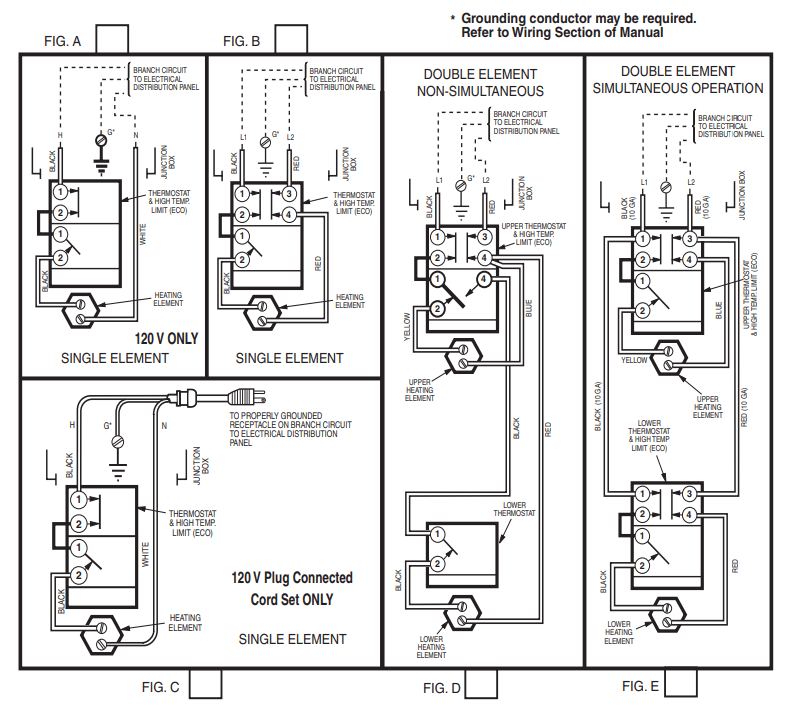
Clause 3 – How to Understand the Definition of “all-pole disconnection”

all-pole disconnection: disconnection of both supply conductors by a single initiating action or, for multi-phase appliances, disconnection of all supply conductors by a single initiating action
NOTE For multi-phase appliances, the neutral conductor is not considered to be a supply conductor.

Single-phase power: An AC power system composed of one live wire and one neutral wire.
Three-phase power: An AC power system composed of three live wires, with the same frequency and a phase difference of 120 degrees between each.

Single-phase power has two poles, which are the live wire/pole and the neutral wire/pole, generally, when we refer to multi-phase power, it is typically Three-phase power. Three-phase power has two type of connection such ass Star connection (Y connection) and Delta connection (Δ connection).

Star connection (Y connection): In a Star connection (Y connection), one end of each of the three load supply leads is joined to form a common neutral point. The other ends are connected to the three live wires, respectively.
Delta connection (Δ connection): The three load supply power leads are connected end-to-end, forming a closed loop, with the connection points respectively connected to the three live wires.
The supply conductors mentioned in the standard refer to the live wire and neutral wire in single-phase power, as well as all conductors in three-phase power except the neutral wire in a star connection. Each conductor is defined as a pole or supply conductor.

A disconnection is considered all-pole disconnection if a single action simultaneously disconnects both the live and neutral wires in a single-phase power system, or all supply conductors in a three-phase power system.
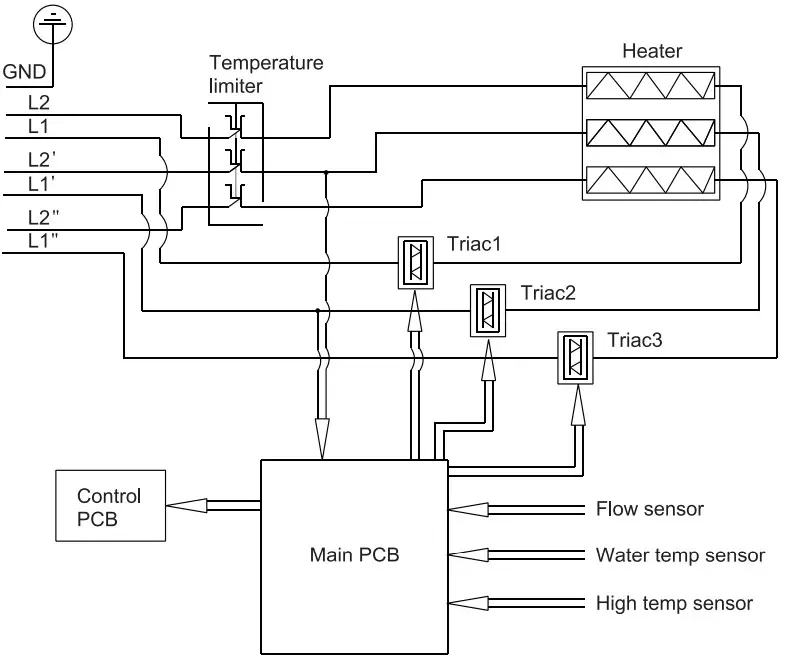
The purpose of defining all-pole disconnection is to provide protection against electric shock. In single-phase systems, both neutral and live conductors are considered live parts. Similarly, in three-phase systems, all live conductors are considered live parts. As shown in the below pictures, it shows the three-phase power system and single-phase power system appliance, the temperature limiter shown in pictures is an all-pole disconnection.
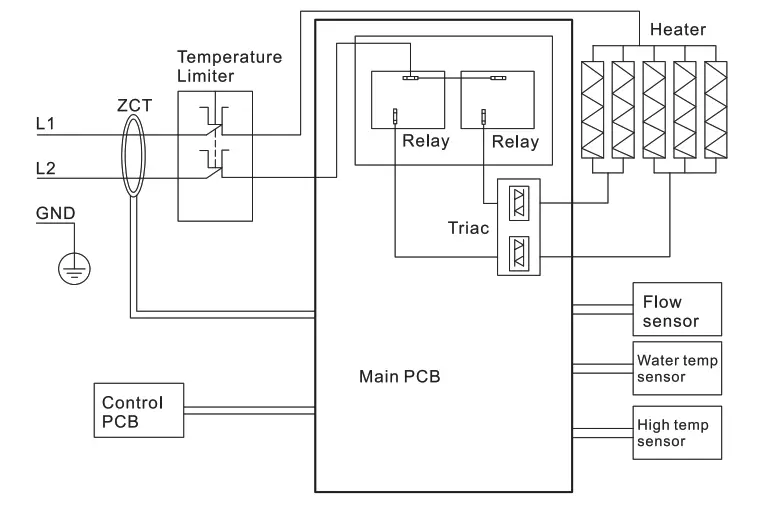
Electric tankless water heater electrical diagram
3 phase Electric tankless water heater electrical diagram

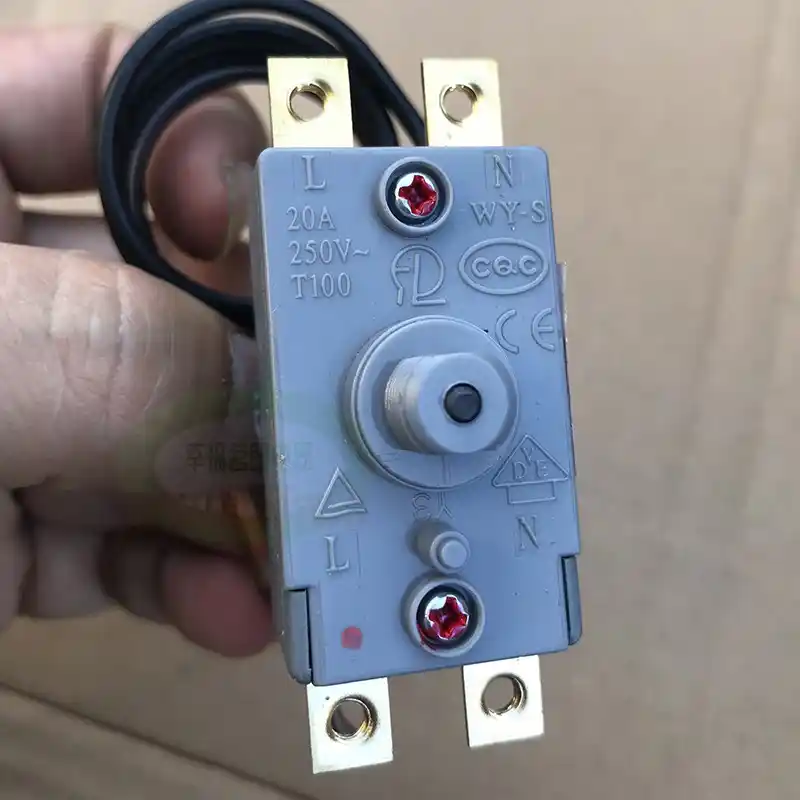
Below pictures show a thermal cut-out/ thermostat, you can find the all-pole disconnection diagram in its rating label.
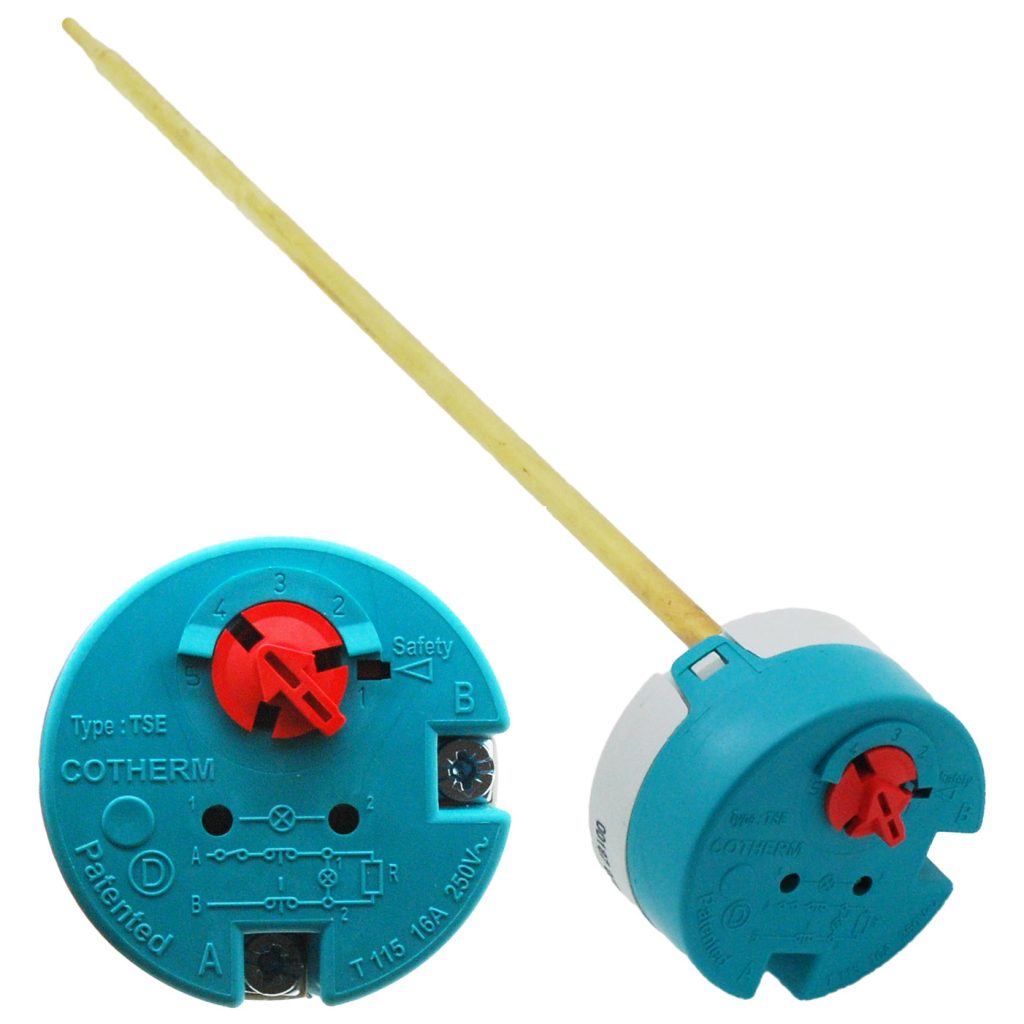
Immersion Thermostat & safety thermal cut-out in plumbing&heating water container

The bipolar thermal cut-out used in the kettle is shown in the figure below.
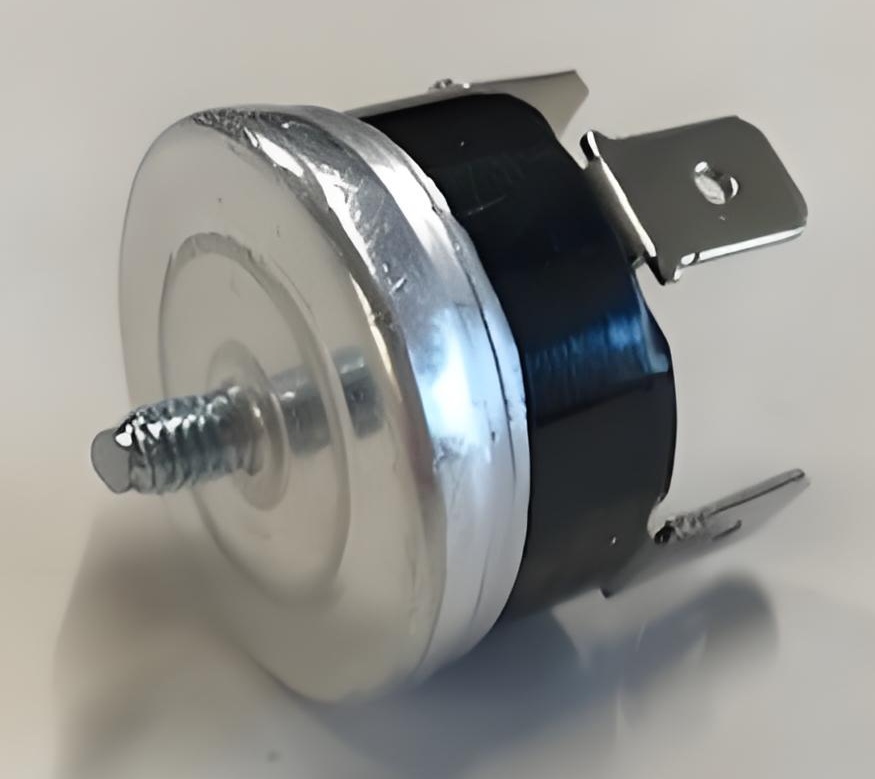
Dual Pole Thermal cut-out for Water boiler
Electric Water Dry Burn Overheat Protector, Bipolar Disconnection

The diagram below shows a three-pole thermal overload relay, which is an example of an all-pole disconnection device.
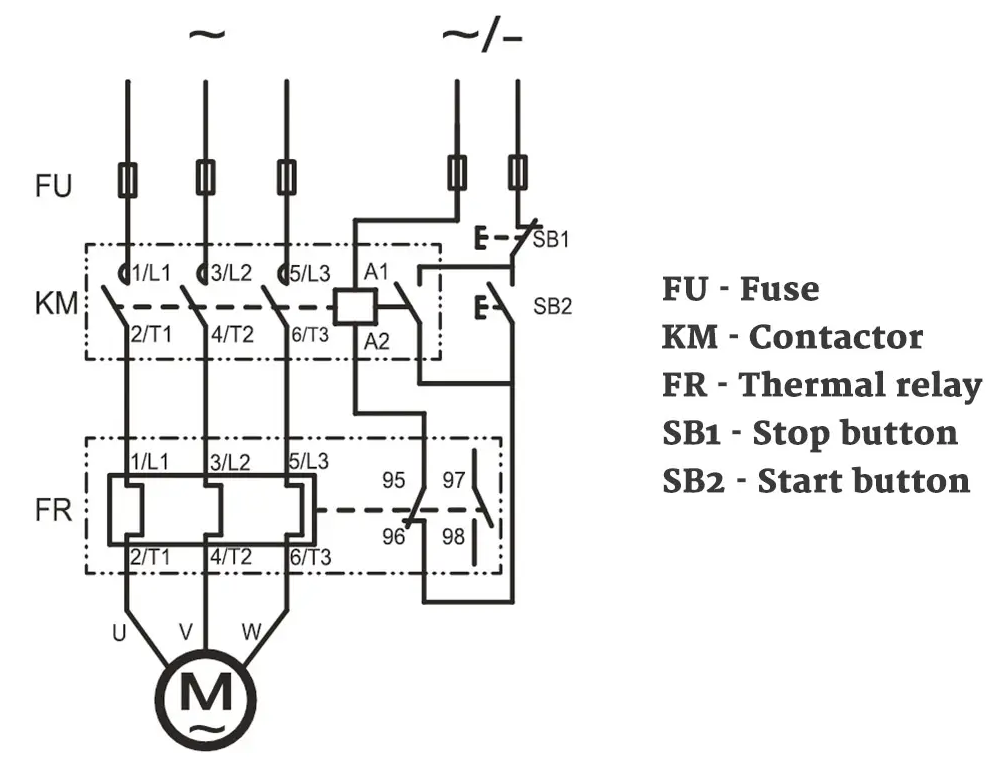
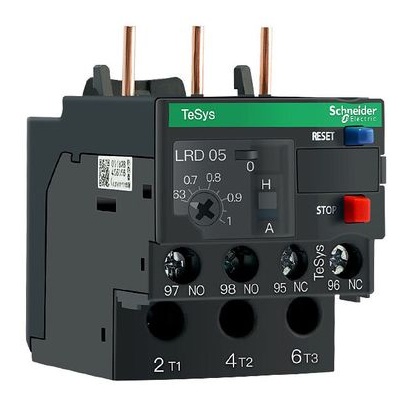
Thermal Overload Relay Working Principle Diagram
3-poles thermal overload relay

The wire connection diagram and the picture of thermal protective devices used in water heaters with container are shown in pictures below:
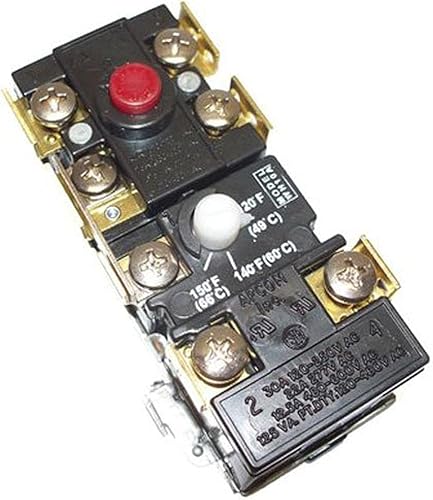
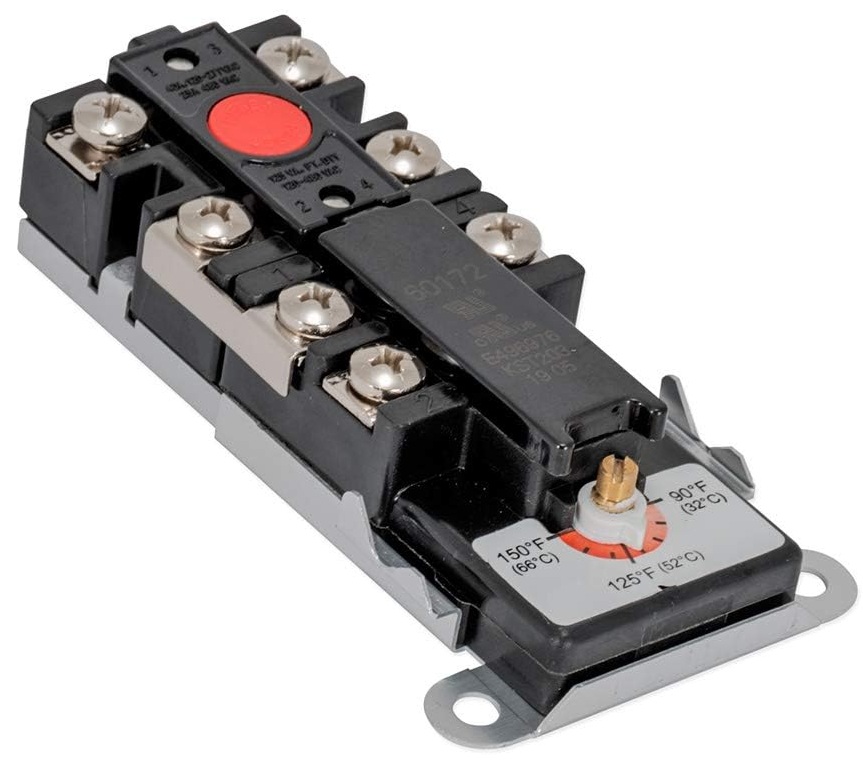
thermostat with temperature Adjustable one pole and 2-pole disconnection hand reset-1
thermostat with temperature Adjustable one pole and 2-pole disconnection hand reset
thermostat with temperature Adjustable one pole and 2-pole disconnection hand reset diagram

thermostat with temperature Adjustable one pole and 2-pole disconnection hand reset diagram.

Similar Posts

  • 第 3 項 – 「沿面距離」の定義の理解方法

    沿面距離: 2 つの導電性部品間、または導電性部品とアクセス可能な表面間の絶縁体表面に沿った最短距離。 電荷は空気中を指向性を持って伝播し、電流を形成します。これがクリアランスの意味です。完全に絶縁された材料はないため、実際には電荷は絶縁材料自体を通って伝播する可能性もあります。通常のA4印刷用紙の両面と厚さ2mmのトレッドゴム材の両面に電位の異なる2つの電極を印加した場合、2つの電極間に形成される電流の差は非常に大きくなります。電荷は、絶縁材料の表面に沿って方向性を持って伝播することもあります。異なる材料の表面における電荷伝播の影響も異なります。絶縁材の表面に他の物質(汚染物質)が付着している場合、電荷伝播の影響も異なります。電荷が絶縁材料の表面に沿って伝播して感電を引き起こすのを防ぐために、沿面距離の定義と要件が作成されます。絶縁材料本体を通した電荷の伝播により、第 29 条の最初の段落に記載されている固体絶縁要件が生成されます。第 29.2 条には、沿面距離の要件が示されています。 沿面距離の定義は IEC 60664-1:2020 規格に基づいています。沿面距離を説明する必要があるため、IEC 60664-1:2020規格の図4から図14までの図を示す必要があります。ここで、読者は「X mm」をどのように決定するかを慎重に検討する必要があります。沿面距離を形成する経路上に溝がある場合、橋溝の状況が発生します。私は個人的に、ブリッジの主な原因は溝への汚染物質の堆積であると考えています。これらの汚染物質は主に粉塵であり、湿った粉塵は導電性が高くなります。したがって、規格の原文をコピーすると、次の 3 つの前提条件があります。– 溝を横切る距離が指定された幅 X (表 1 を参照) より小さい場合、沿面距離は溝を直接横切って測定され、溝の輪郭は考慮されません (図 4 を参照)– 溝を横切る距離が指定された幅 X 以上である場合 (表 1 を参照)、沿面距離は溝の輪郭に沿って測定されます (図 5 を参照)。– 凹部は、指定された幅 X に等しい長さを持ち、最も不利な位置に配置された絶縁リンクで橋渡しされていると想定されます (図 6 を参照)。– 相互に異なる位置を想定できる部品間で測定される隙間と沿面距離は、これらの部品が最も不利な位置にあるときに測定されます。 条件: 検討中のパスには、幅 X mm 未満の任意の深さの平行または収束側面の溝が含まれています。ルール: クリアランスと沿面距離は、図に示すように溝を直接横切って測定されます。 クリアランス沿面距離 条件: 検討中のパスに、任意の深さで X mm 以上の平行な側面の溝が含まれているルール:クリアランスとは「見通し」の距離です。沿面経路は溝の輪郭に従います。 クリアランス沿面距離 条件:…

  • Clause 3 – How to understand the definition of “thermal cut-out”

    thermal-cut-out: device which during abnormal operation limits the temperature of the controlled part by automatically opening the circuit, or by reducing the current, and is constructed so that its setting cannot be altered by the user. There are three key provisions here. First, the thermal cut-out is a heat-sensing element, second, it can only be…

  • Clause 3 – How to understand the definition of “stationary appliance”

    stationary appliance: fixed appliance or an appliance which is not a portable appliance. Stationary appliance includes fixed appliance and not a portable appliance. The characteristic of a stationary appliance is that once it is put into use, it will be placed in a fixed position. At the same time, the position of the appliances will…

  • 第3項 – 「定格電力入力範囲」の定義の見方

    定格電力入力範囲: メーカーによってアプライアンスに割り当てられた電力入力範囲。下限値と上限値で表されます。 この定義は定格電圧範囲に対応しています。つまり、定格電力入力には上限と下限の範囲がラベル付けされています。例:定格電圧範囲AC220~240V、定格入力電力範囲2000~2200Wの石英管ルームヒーター

  • Clause 3 – How to Understand the Definition of “visibly glowing heating element”

    visibly glowing heating element: heating element that is partly or completely visible from the outside of the appliance and has a temperature of at least 650 °C when the appliance has been operated under normal operation at rated power input until steady conditions have been established. The heating element needs to be able to emit…

  • 第 3 項 – 「動作電圧」の定義の理解方法

    就労電圧: 機器が定格電圧で供給され、通常の動作で動作し、値が最大になるように制御装置やスイッチング デバイスが配置されている場合に、対象の部品が受ける最大電圧 注 1 動作電圧は共振電圧を考慮しています。 注 2 動作電圧を推定する際、過渡電圧の影響は無視されます。 ザ 定格電圧 は通常、テスト対象のサンプルの電源電圧ですが、通常の動作状態にある機器の内部回路では、電圧がこの電圧より高いか低い回路が存在します 定格電圧。 AC非同期モーターで一般的に使用される一般的なファンは、コンデンサを始動する必要があり、両側の始動コンデンサ電圧は一般に 定格電圧定格電圧 電圧の;明らかに、家電製品には複数の動作電圧が存在する可能性があります。規格によれば、回路のこの部分(定義では「検討中の部品」)が動作電圧に基づいて規格の安全要件を満たしているかどうかを評価し、判断する必要がある場合があります。この場合、規格で定義されている動作回路で発生する可能性のある最大電圧を考慮する必要があります。定義によれば、動作電圧の最大値を得るには、製品に以下のものが供給される必要があります 定格電圧 および通常の動作条件で動作します (製品に定格電圧範囲のラベルが付いている場合、通常は 220 ~ 240V の定格電圧など、電圧を供給するための定格電圧範囲の上限として使用されます)。 240V 電源)を使用し、同時に製品内部のコントローラとスイッチングデバイスが定格電圧の電力を供給し、通常の使用条件で動作するように設定する必要があります。電源を供給し、通常の動作条件で動作します。目的は、最高の動作電圧が確実に得られるようにすることであり、評価は製品が最も過酷な動作条件にあることに基づいて行われます。なお、ここではピークテストについて特に言及していないため、動作電圧は実効値となります。 第 29 条の沿面距離の決定は、動作電圧に基づいて沿面距離の制限を決定するため、製品の特定の場所での動作電圧が必要になります。第 13 条の電気強度試験では、絶縁構造に適用される試験電圧も動作電圧に基づいています。 The determination of creepage distances in clause 29 is based on the working voltage to determine the creepage distance limit, which then requires the working…