Clause 3 – How to understand the definition of “accessible part”

accessible part: part or surface that can be touched by means of test probe B of IEC 61032, and if the part or surface is metal, any conductive part connected to it.
NOTE Accessible non-metallic parts with conductive coatings are considered to be accessible metal parts.

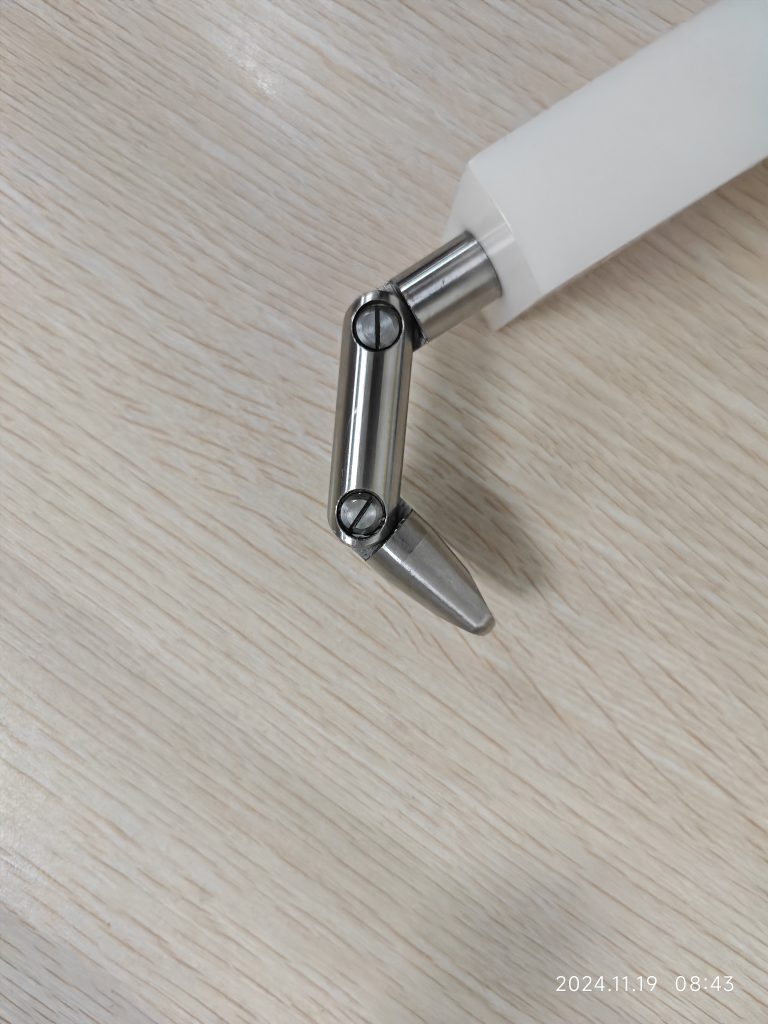
There are some parts or surfaces in the appliance that is not allowed be touched or be accessible, the reason for this may be high temperature, may be electrically charged, or there may be mechanical injuries, such as the movement of the fan blade. The smallest part of the human body that can touch other objects is the finger, but different people’s fingers are different, so the standard here stipulates a fixed size of the finger, finger size in accordance with the standard IEC 61032 in the type B finger. The following figure

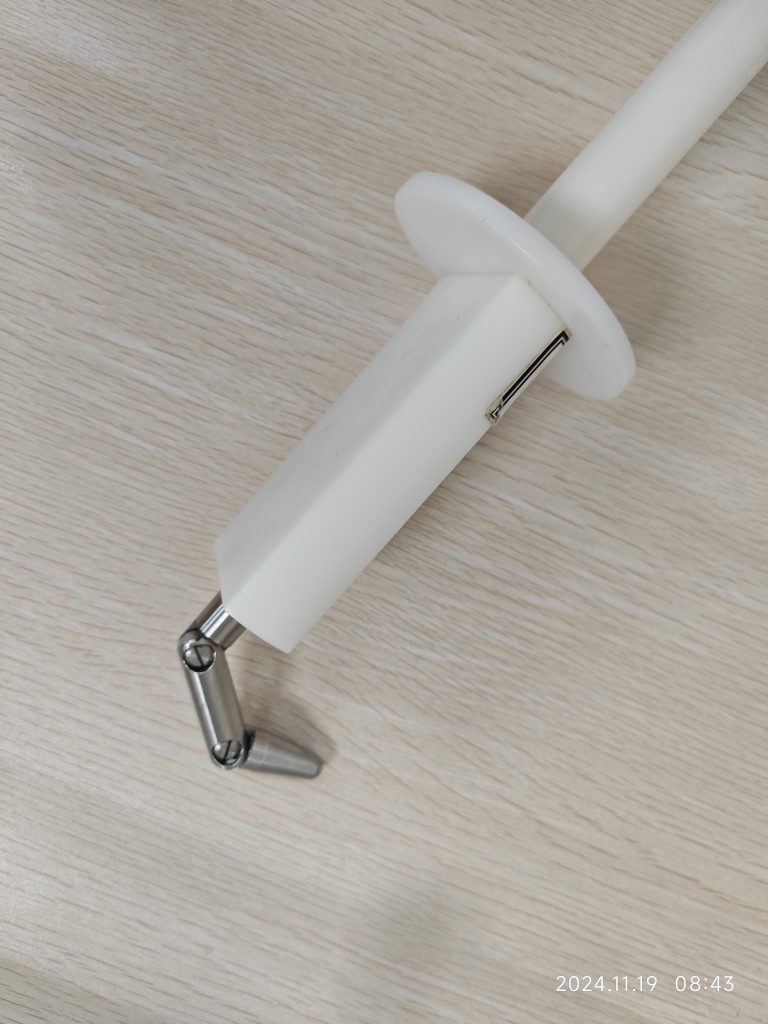
It is also important to note here that if the part touched by the tested finger is metal, because metal conducts electricity, then parts such as those touched by metal parts are considered electrically accessible. In practice, the requirement that metal parts may be electrically conductive does not need to be taken into account when determining injuries to moving parts.

Type B test probes have a design that is without joints. Typically, standards will require that a test finger without joints be used first, followed by a test finger with joints. The exact method of inspection is discussed in clause 8.
Similar Posts

  • Clause 3 – How to understand the definition of “fixed appliance”

    fixed appliance: appliance that is intended to be used while fastened to a support or while secured in a specific location. The definition emphasizes fastening to a bracket or fixing in a specific position. Generally, we think that this kind of fixation requires some installation actions and some fixing devices, these devices can be fixed…

  • Clause 3 – How to understand the definition of “thermostat”

    thermostat: temperature-sensing device, the operating temperature of which may be either fixed or adjustable and which during normal operation keeps the temperature of the controlled part between certain limits by automatically opening and closing a circuit. The thermostat itself does not control the temperature, the thermostat senses the temperature and controls the temperature by switching…

  • ข้อ 3 – จะเข้าใจคำจำกัดความของ “ความต้านทานเชิงป้องกัน” ได้อย่างไร

    กรณีที่ 1: อิมพีแดนซ์ป้องกันทั้งสองเชื่อมต่อระหว่างขดลวดปฐมภูมิและขดลวดทุติยภูมิของหม้อแปลง T2 เส้นประในรูปด้านล่างแสดงถึงการแยกระหว่างส่วนแรงดันไฟฟ้าทำงาน 220-240V และส่วนแรงดันไฟฟ้าทำงานต่ำ (SELV)รูปด้านล่างคือแผนภาพวงจรของเครื่องกำเนิดไอออนลบ ตัวต้านทานสองตัวที่เลือกโดยสี่เหลี่ยมสีแดงนั้นเป็นอิมพีแดนซ์ในการป้องกันโดยทั่วไป ในภาพด้านล่าง มีอิมพีแดนซ์ป้องกัน CY1 และ CY2 หรือไม่ จากคำจำกัดความของมาตรฐาน อิมพีแดนซ์ป้องกันถูกใช้ในโครงสร้างประเภท II ที่มีการต่อสายดิน หากการต่อสายดินที่นี่ถูกกำหนดให้เป็นการต่อสายดินการป้องกัน เห็นได้ชัดว่า CY1 และ CY2 ไม่สามารถกำหนดเป็นอิมพีแดนซ์การป้องกันได้ เนื่องจากอิมพีแดนซ์การป้องกันถูกใช้ในการก่อสร้างคลาส II และนี่คือการก่อสร้างคลาส I ถ้าการต่อสายดินและ nbsp;ในที่นี้ถูกกำหนดให้เป็นการต่อสายดินเชิงฟังก์ชัน แสดงว่ามีปัญหาสองประการ ประการแรก นี่คือโครงสร้างคลาส I ดังนั้น CY1 และ CY2 จึงไม่สามารถกำหนดเป็นอิมพีแดนซ์การป้องกันได้ ประการที่สอง หากเป็นโครงสร้างคลาส II ก็สามารถกำหนด CY1 และ CY2 เป็นอิมพีแดนซ์การป้องกันได้ จากนั้นจึงจำเป็นต้องปฏิบัติตามข้อกำหนดที่เกี่ยวข้องของอิมพีแดนซ์การป้องกัน ความเห็นส่วนตัวของฉันคือ CY1 และ CY2 ไม่ใช่อิมพีแดนซ์ป้องกัน และเราสามารถถือเป็นฉนวนพื้นฐานได้โดยตรง…

  • Clause 3 – How to understand the definition of “combined appliance”

    combined appliance: appliance incorporating heating elements and motors. We know that this standard mainly protects against the following five types of dangers, which are electric shock, mechanical damage from moving parts, thermal damage (such as burns), fire damage, chemical and biological damage. Generally speaking, thermal damage is caused by electric heating elements, and mechanical damage…

  • ข้อ 3 – จะเข้าใจคำจำกัดความของ “การทำงานผิดปกติที่เป็นอันตราย” ได้อย่างไร

    ตัวอุปกรณ์ไม่ทำงานตามที่ระบุไว้และอาจเป็นอันตรายต่อความปลอดภัย เช่นพัดลม ตัวเก็บประจุสตาร์ทของมอเตอร์อะซิงโครนัส AC ภายในล้มเหลวในรูปแบบของไฟฟ้าลัดวงจรหรือวงจรเปิด ในกรณีเครื่องปรับอากาศ ช่องระบายของท่อระบายน้ำด้านในถูกปิดกั้น ส่งผลให้ระบายน้ำไม่ออก ส่งผลให้น้ำล้น ประเด็นสำคัญในที่นี้คือการทำความเข้าใจ “การดำเนินการโดยไม่ตั้งใจ” คำตรงข้ามของ “ไม่ได้ตั้งใจ” คือ “ตั้งใจ” โดยทั่วไปแล้ว ไม่มีข้อกำหนดในมาตรฐานสำหรับ “การทำงานที่ตั้งใจไว้” เอาล่ะ ฉันขอยกตัวอย่างที่น่าสยดสยองให้กับคุณ หากมีคนใช้เตารีดไฟฟ้าตีศีรษะผู้อื่น มาตรฐานไม่ได้กำหนดว่าถึงแม้เราจะใช้เตารีดไฟฟ้า เราก็ไม่ควรทำร้ายศีรษะของบุคคลนั้นHere, let me give you a horrible example. If someone uses an electric iron to hit another person’s head, the standard does not require that even if we use the electric iron, we…

  • Clause 3 – How to understand the definition of “detachable part”

    detachable part: part that can be removed or opened without the aid of a tool, a part that is removed or opened in accordance with the instructions for use, even if a tool is needed for removal, or a part that does not fulfil the test of 22.11.NOTE 1 If for installation purposes a part…