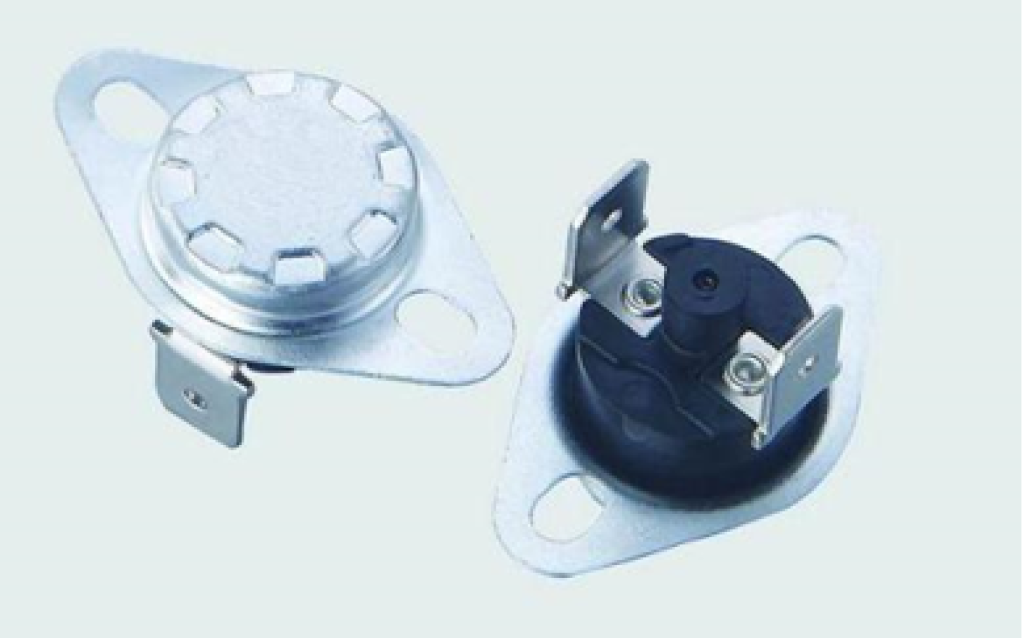
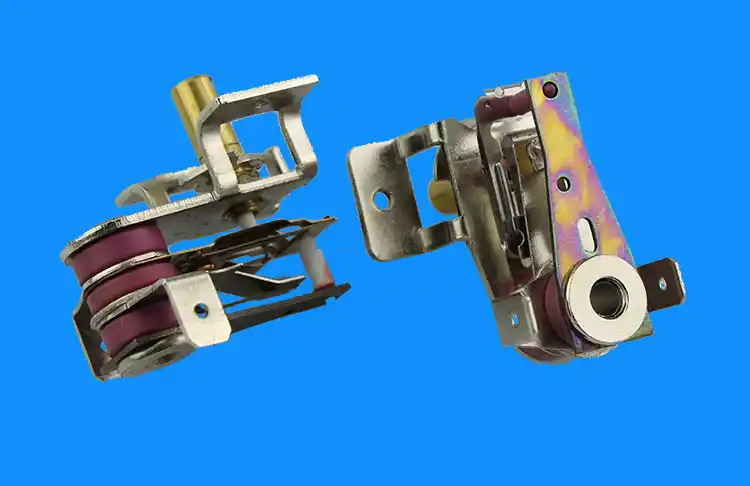
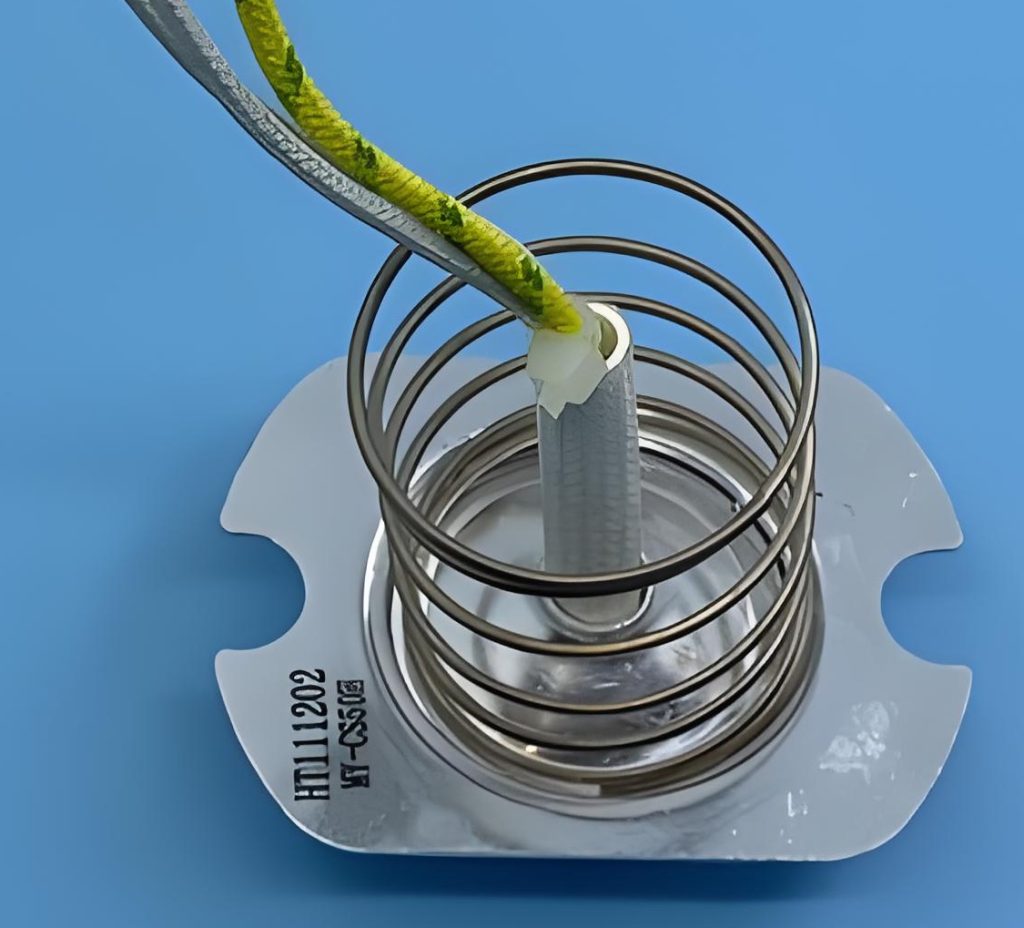
Clause 3 – How to understand the definition of “thermostat”

thermostat: temperature-sensing device, the operating temperature of which may be either fixed or adjustable and which during normal operation keeps the temperature of the controlled part between certain limits by automatically opening and closing a circuit.

The thermostat itself does not control the temperature, the thermostat senses the temperature and controls the temperature by switching on or off components that affect the temperature, such as the PTC heating element. If the temperature is too high, the thermostat will disconnect the power supply circuit of the heating element, so that the heating element does not heat up, so that the temperature will be lowered; the opposite principle and operation makes the temperature rise. The purpose is to control the temperature within a certain interval range, so that the temperature does not exceed this range, nor below this range. Thermostats are often used in environments where temperature control is required, such as ovens, deep fryers, room heaters, air conditioners, refrigerators, and so on.
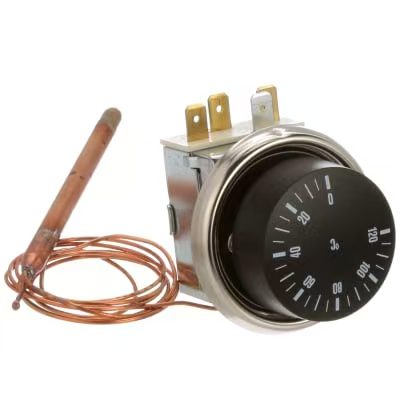
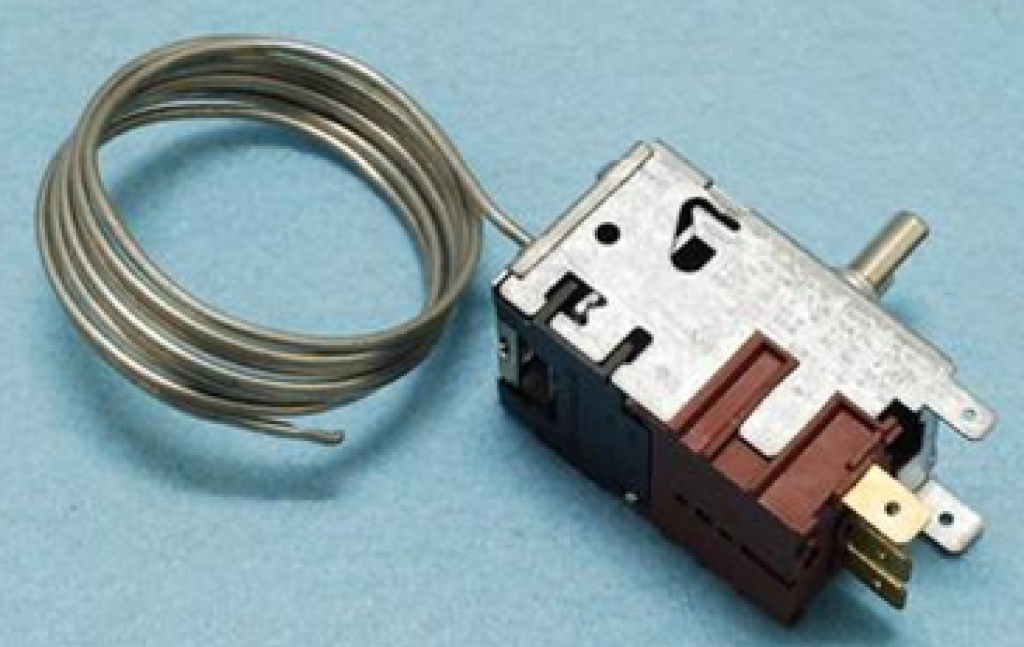
Please note that a thermostat is a controller that functions when the appliance is in normal operation. Many temperature control devices or temperature sensing devices have the same control principle and control method, but not all temperature control devices are thermostats. The controller corresponding to a thermostat is a thermal cut-out, and the one that operates during abnormal operation is a thermal cut-out. This distinction in the standard indicates that the requirements for evaluating a thermal cut-out are different from those for a thermostat, and we will describe the differences in a later clause.

Magnetic steel thermostat for electric pressure cooker

Similar Posts

  • Clause 3 – How to understand the definition of “electronic component”

    electronic component: part in which conduction is achieved principally by electrons moving through a vacuum, gas or semiconductor.NOTE Neon indicators are not considered to be electronic components. Early vacuum tubes were components that allowed electrons to conduct in a vacuum and were the core components of old radios and televisions.Electrons move through specific gases, colliding…

  • Clause 3 – How to understand the definition of “electronic component”

    electronic circuit: circuit incorporating at least one electronic component. The standard references electronic circuits in clause 19.11, clause 19.11.1, and clause 22.5. These requirements are additional to those for electronic circuits. The standard recognizes that electronic circuits alone cannot provide adequate protection. Electronic circuits may be susceptible to interference and malfunction, or they may be…

  • ข้อ 3 – จะเข้าใจคำจำกัดความของ “การทำงานระยะไกล” ได้อย่างไร

    จากเนื้อหาของข้อความค่อนข้างเข้าใจง่ายถึงความหมายของข้อนี้ ในที่นี้ระบบการสื่อสารโดยทั่วไปหมายถึงสายโทรศัพท์ เฉพาะจากมาตรฐานฉบับที่ 4 เท่านั้นที่เริ่มมีคำจำกัดความนี้ เหตุผลก็เพราะว่ามาตรฐาน มักจะล้าหลังเทคโนโลยี นอกจากนี้ การควบคุมเสียงมักจะผ่านสัญญาณสายโทรศัพท์ธรรมดาเพื่อให้บรรลุ ระบบบัสโดยทั่วไปหมายถึงการใช้โปรโตคอลการสื่อสาร เช่น ระบบควบคุมบัส 485 ควรสังเกตว่าคำจำกัดความของโหมดควบคุมแตกต่างจากการควบคุมภาคสนาม สำหรับการควบคุมภาคสนาม ผู้ใช้สามารถสังเกตสถานะการทำงานปัจจุบันของเครื่องได้ และการทำงานระยะไกล ตัวควบคุมไม่อยู่ใกล้กับอุปกรณ์ ไม่สามารถสังเกตได้จากฉากเพื่อทราบสถานะการทำงานของอุปกรณ์ผู้เขียนเชื่อว่ารีโมทคอนโทรล WIFI ที่ใช้กันทั่วไปในปัจจุบัน การควบคุมโหมดโปรโตคอลบัส 485 (เช่นระบบควบคุมเครื่องปรับอากาศส่วนกลางของอาคารพาณิชย์บางแห่ง) และอื่นๆ เป็นรีโมทคอนโทรลชนิดหนึ่ง รีโมทคอนโทรลแบบอินฟราเรดที่ใช้โดยทั่วไปไม่ใช่การทำงานระยะไกล เนื่องจากผู้ใช้รีโมทคอนโทรลแบบอินฟราเรดอยู่ที่สถานที่ทำงานของอุปกรณ์ และสามารถดูปฏิกิริยาและสถานะการทำงานของอุปกรณ์ได้หลังจากที่รีโมทคอนโทรลแบบอินฟราเรดทำงานแบบเรียลไทม์ หากรีโมทคอนโทรลแบบอินฟราเรดเป็นส่วนหนึ่งของระบบสื่อสาร ระบบควบคุมเสียง หรือระบบบัส ในกรณีนี้ ผู้ริเริ่มการควบคุมจะควบคุมให้เสร็จสิ้นผ่านระบบสื่อสาร ระบบควบคุมเสียง หรือระบบบัสเป็นหลัก โดยทั่วไปแล้ว ผู้ริเริ่มการควบคุมจะส่งคำสั่งไปยังตัวควบคุมอินฟราเรดแยกต่างหากผ่านระบบสื่อสาร ระบบควบคุมเสียง หรือระบบบัส จากนั้นตัวควบคุมอินฟราเรดจะส่งข้อมูลการควบคุมระยะไกลแบบอินฟราเรดไปยังอุปกรณ์เพื่อให้การทำงานเสร็จสมบูรณ์ ในกรณีนี้ระบบควบคุมชุดนี้ถือได้ว่าเป็นการทำงานระยะไกล ตัวอย่าง: รีโมทคอนโทรลแบบอินฟราเรดที่ใช้กับเครื่องปรับอากาศธรรมดาไม่ใช่การทำงานระยะไกล ปัจจุบันมีตัวควบคุมแบบรวมศูนย์ในตลาดซึ่งสามารถวางในตำแหน่งหลักของอาคารได้ ผู้ใช้สามารถควบคุมการส่งสัญญาณอินฟราเรดผ่าน WIFI สัญญาณอินฟราเรดที่ส่งสามารถควบคุมเครื่องใช้ไฟฟ้าใดๆ ภายในห้องได้ นี่คือการดำเนินการระยะไกล Commonly used infrared remote controls…

  • Clause 3 – How to understand the definition of “protective device”

    protective device: device, the operation of which prevents a hazardous situation under abnormal operation conditions The standard emphasizes “abnormal operation” here. Only devices that operate under “abnormal operation” conditions can be defined as protective devices. Therefore, there are many types of protective devices, including overheating protection devices, overcurrent protection devices, and overpressure protection devices. Overheating…

  • Clause 3 – How to understand the definition of “protective electronic circuit”

    protective electronic circuit: electronic circuit that prevents a hazardous situation under abnormal operating conditions.NOTE Parts of the circuit may also be used for functional purposes. With the advancement of technology, more and more electronic circuits are being used in household electrical products, and these electronic circuits are usually integrated on PCBs. They use microprocessor chips…

  • ข้อ 3 – ข้อกำหนดและคำจำกัดความ: การตีความทั่วไป

    วิธีที่สองมีข้อได้เปรียบมากกว่าในการฝึกอบรมวิศวกรอาวุโสบางคน เลยอยากอธิบายทุกนิยามให้ชัดเจนที่สุดตรงนี้ สิ่งที่ผมอยากบอกคุณก็คือ คำจำกัดความมีความสำคัญมาก และมาตรฐานที่แตกต่างกันก็อาจกำหนดคำเดียวกันให้แตกต่างออกไป ซึ่งทำให้ผู้อ่านต้องเข้าใจอย่างรอบคอบเพื่อหลีกเลี่ยงความสับสนHere, what I want to tell you is that the definition is very important, and different standards may define the same term differently, which requires the reader to grasp carefully to avoid confusion.