Clause 3 – How to Understand the Definition of “all-pole disconnection”

all-pole disconnection: disconnection of both supply conductors by a single initiating action or, for multi-phase appliances, disconnection of all supply conductors by a single initiating action
NOTE For multi-phase appliances, the neutral conductor is not considered to be a supply conductor.

Single-phase power: An AC power system composed of one live wire and one neutral wire.
Three-phase power: An AC power system composed of three live wires, with the same frequency and a phase difference of 120 degrees between each.

Single-phase power has two poles, which are the live wire/pole and the neutral wire/pole, generally, when we refer to multi-phase power, it is typically Three-phase power. Three-phase power has two type of connection such ass Star connection (Y connection) and Delta connection (Δ connection).

Star connection (Y connection): In a Star connection (Y connection), one end of each of the three load supply leads is joined to form a common neutral point. The other ends are connected to the three live wires, respectively.
Delta connection (Δ connection): The three load supply power leads are connected end-to-end, forming a closed loop, with the connection points respectively connected to the three live wires.
The supply conductors mentioned in the standard refer to the live wire and neutral wire in single-phase power, as well as all conductors in three-phase power except the neutral wire in a star connection. Each conductor is defined as a pole or supply conductor.

A disconnection is considered all-pole disconnection if a single action simultaneously disconnects both the live and neutral wires in a single-phase power system, or all supply conductors in a three-phase power system.
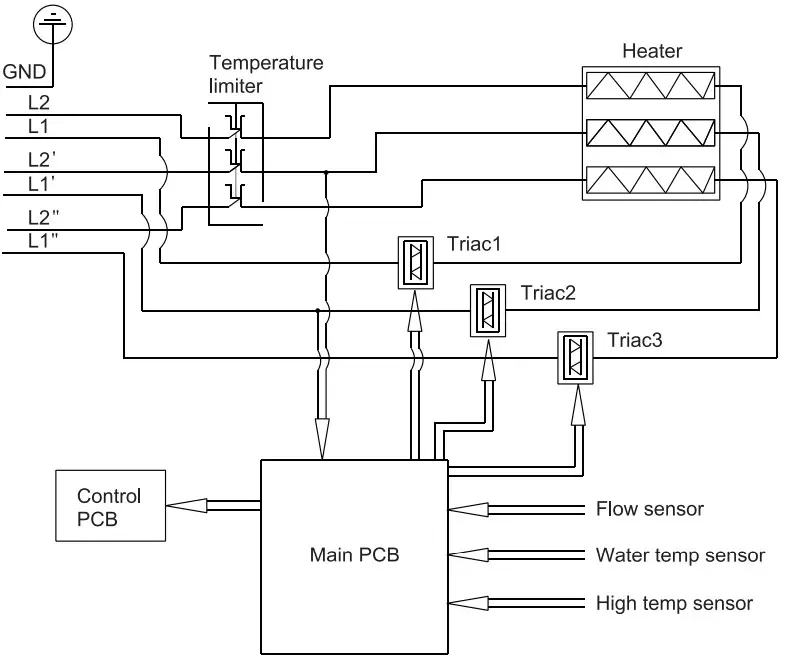
The purpose of defining all-pole disconnection is to provide protection against electric shock. In single-phase systems, both neutral and live conductors are considered live parts. Similarly, in three-phase systems, all live conductors are considered live parts. As shown in the below pictures, it shows the three-phase power system and single-phase power system appliance, the temperature limiter shown in pictures is an all-pole disconnection.
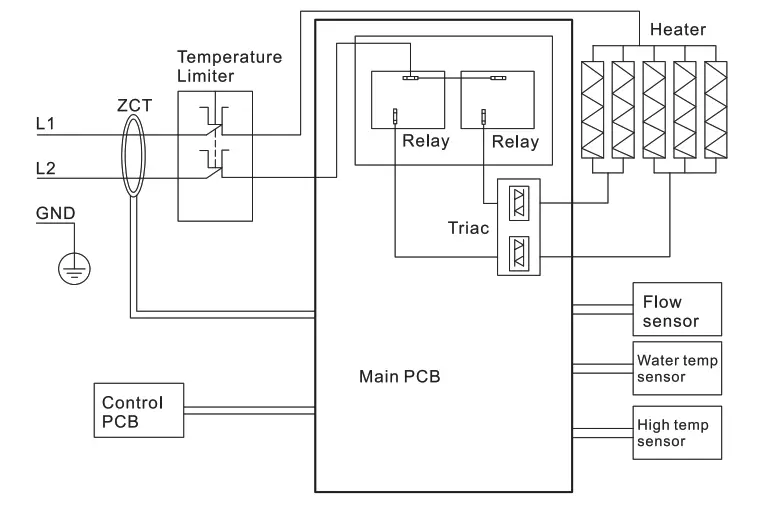
Electric tankless water heater electrical diagram
3 phase Electric tankless water heater electrical diagram

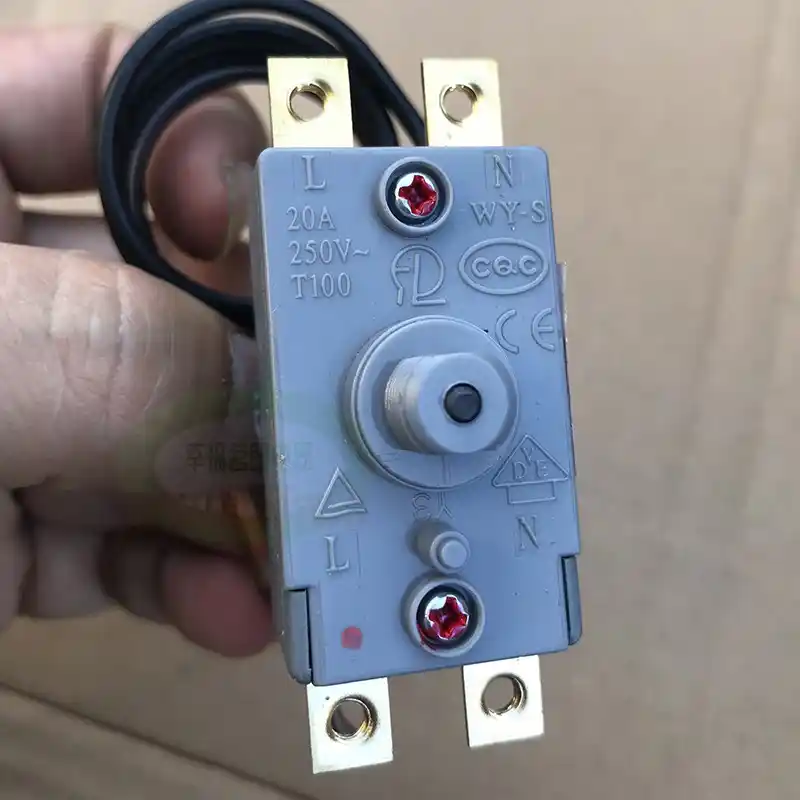
Below pictures show a thermal cut-out/ thermostat, you can find the all-pole disconnection diagram in its rating label.
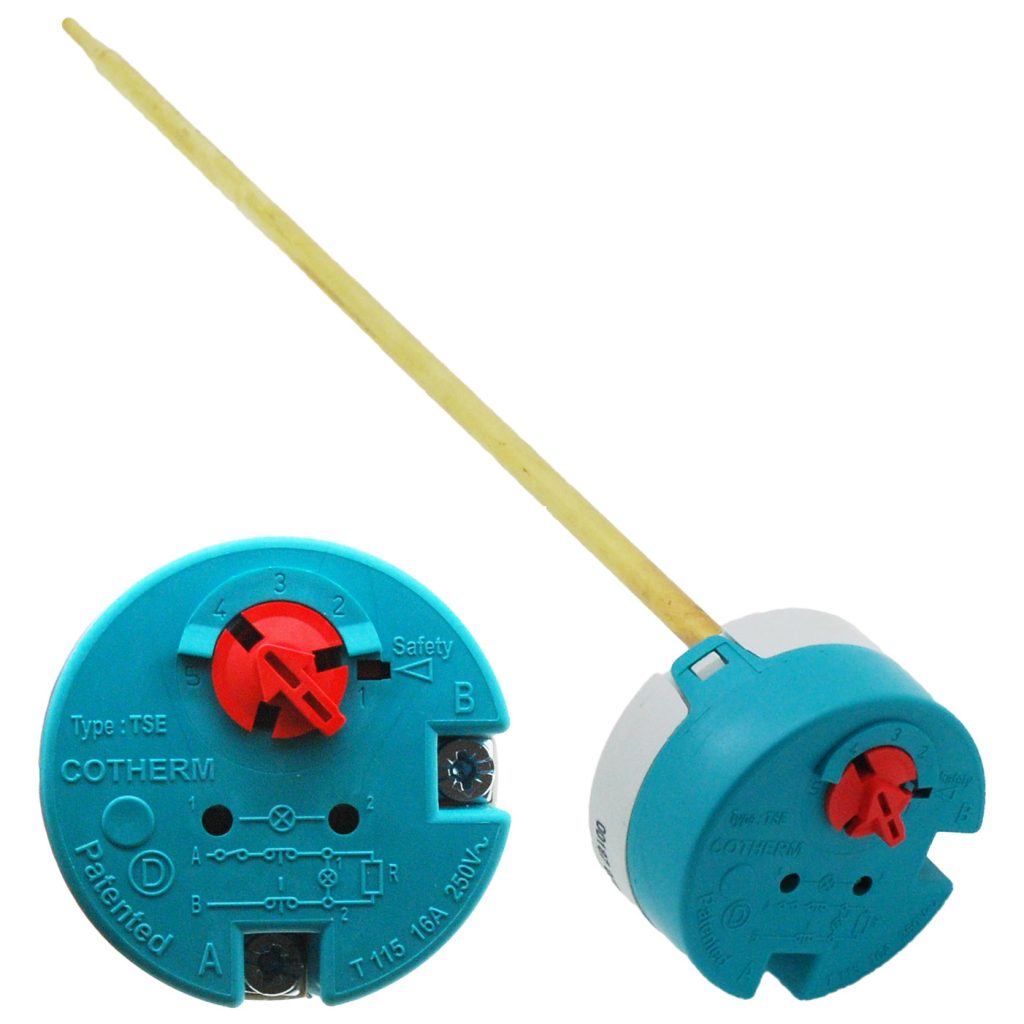
Immersion Thermostat & safety thermal cut-out in plumbing&heating water container

The bipolar thermal cut-out used in the kettle is shown in the figure below.
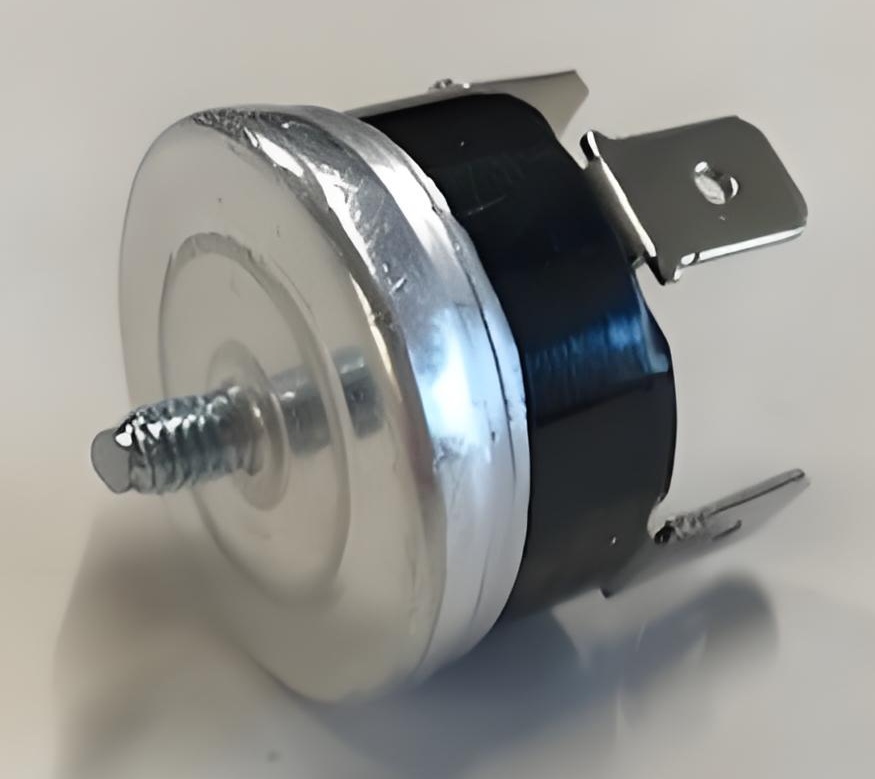
Dual Pole Thermal cut-out for Water boiler
Electric Water Dry Burn Overheat Protector, Bipolar Disconnection

The diagram below shows a three-pole thermal overload relay, which is an example of an all-pole disconnection device.
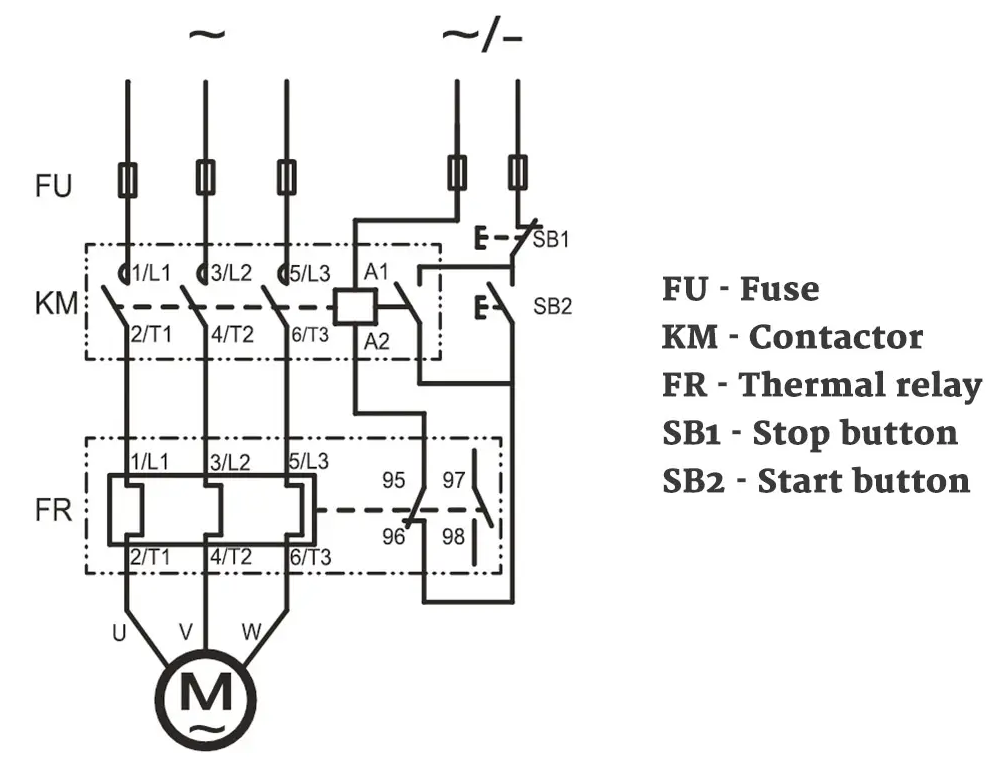
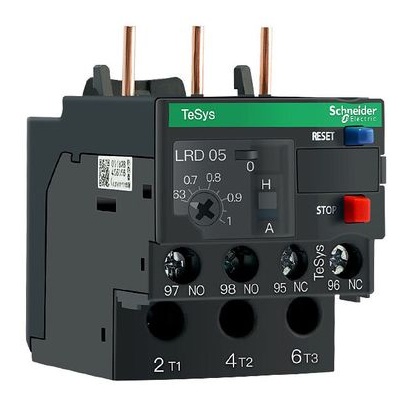
Thermal Overload Relay Working Principle Diagram
3-poles thermal overload relay

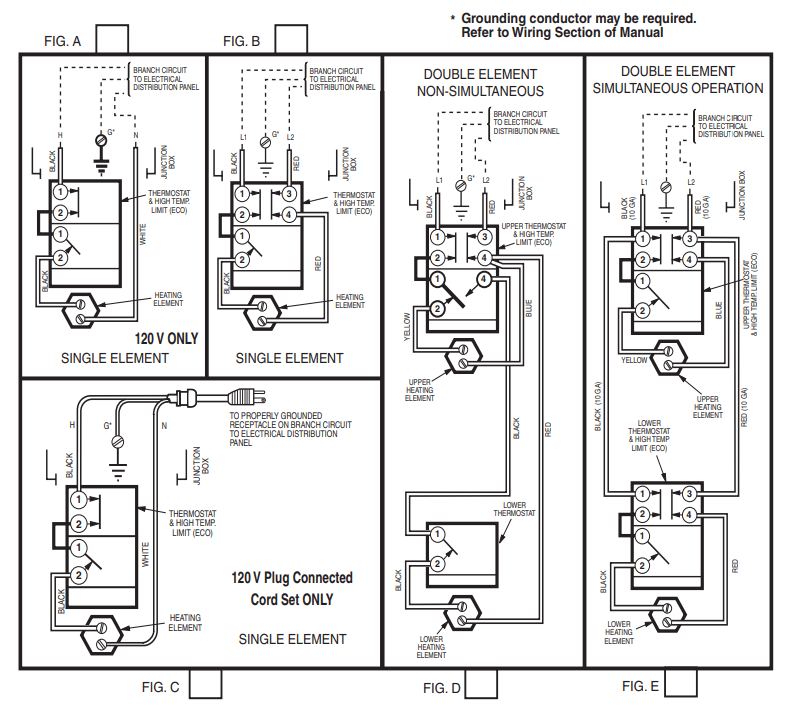
The wire connection diagram and the picture of thermal protective devices used in water heaters with container are shown in pictures below:
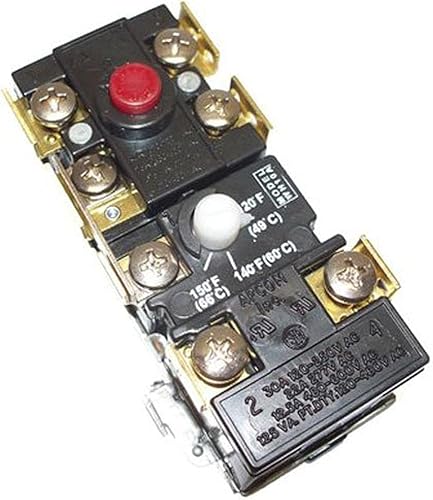
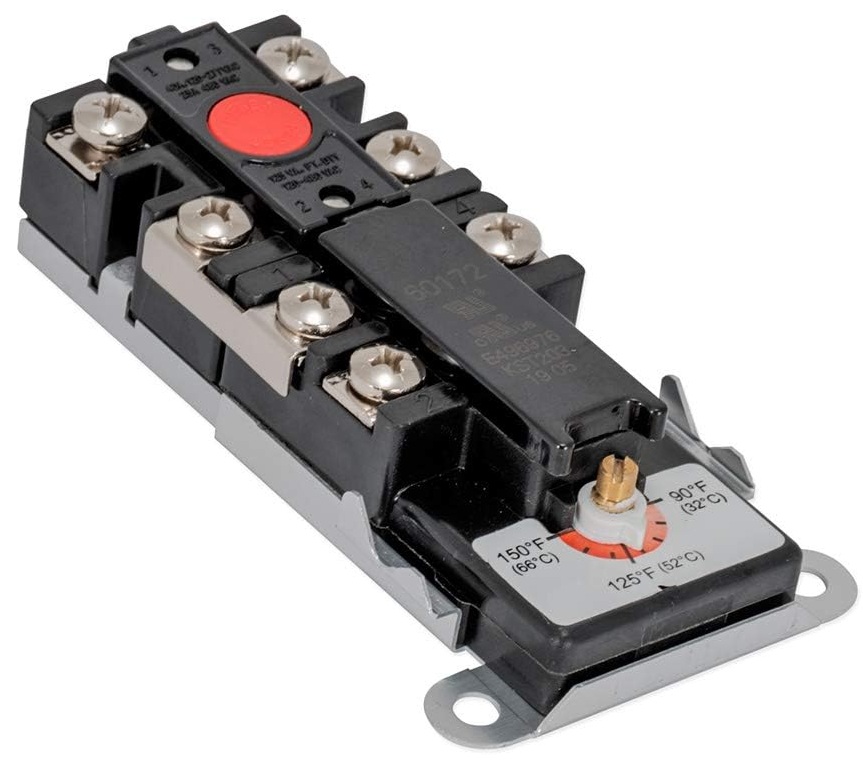
thermostat with temperature Adjustable one pole and 2-pole disconnection hand reset-1
thermostat with temperature Adjustable one pole and 2-pole disconnection hand reset
thermostat with temperature Adjustable one pole and 2-pole disconnection hand reset diagram

thermostat with temperature Adjustable one pole and 2-pole disconnection hand reset diagram.

Similar Posts

  • ข้อ 3 – วิธีทำความเข้าใจคำจำกัดความของ “อุปกรณ์คลาส 0”

    เครื่องใช้ไฟฟ้าชนิดนี้ไม่มีอุปกรณ์ป้องกันสายดิน และในขณะเดียวกัน ฉนวนเพียงชั้นเดียวเท่านั้นที่พันชิ้นส่วนที่มีไฟฟ้า หรือใช้ฉนวนชั้นหนึ่งเพื่อแยกผู้ใช้ออกจากชิ้นส่วนที่มีไฟฟ้า ประเทศส่วนใหญ่ไม่ยอมรับเครื่องใช้ไฟฟ้า Class 0 เฉพาะบางประเทศที่มีแรงดันไฟฟ้าหลัก (แรงดันไฟฟ้า) 100V เช่น ญี่ปุ่น และ 120V เช่น สหรัฐอเมริกาและเม็กซิโก เท่านั้นที่ยอมรับเครื่องใช้ไฟฟ้า Class 0 จำเป็นต้องกล่าวถึงที่นี่ว่าเพื่อให้ได้พลังงานอินพุตเท่ากัน (เช่น เครื่องทำความร้อนในห้องที่มีกำลังไฟเข้าพิกัด 3000W) ยิ่งแรงดันไฟฟ้าที่กำหนดต่ำลง กระแสไฟทำงานที่สอดคล้องกันก็จะยิ่งมากขึ้นเท่านั้น ในทางตรงกันข้าม ถ้าแรงดันไฟฟ้าที่กำหนดสูง กระแสอินพุตที่สอดคล้องกันจะต่ำ ในกรณีที่มีกระแสไฟสูง การให้ความร้อนกับชิ้นส่วนที่นำกระแสไฟฟ้าในผลิตภัณฑ์จะรุนแรงมากขึ้น และความเป็นไปได้ที่จะเกิดเพลิงไหม้ก็จะมากขึ้น ดังนั้นข้อกำหนดในการป้องกันอัคคีภัยจึงเข้มงวดมากขึ้น ในกรณีของกระแสไฟฟ้าแรงต่ำและไฟฟ้าแรงสูง การให้ความร้อนของชิ้นส่วนที่นำกระแสไฟฟ้าไม่ร้ายแรง แต่เนื่องจากไฟฟ้าแรงสูง ความเป็นไปได้ที่ฉนวนจะแตกจะมีมากขึ้น และข้อกำหนดการป้องกันไฟฟ้าช็อตที่สอดคล้องกันจึงเข้มงวดมากขึ้น นี่คือสาเหตุที่มาตรฐานซีรีส์ IEC 60335 จึงมีข้อกำหนดสูงในการป้องกันไฟฟ้าช็อต ผู้เขียนหลักของมาตรฐาน IEC 60335 เป็นผู้เชี่ยวชาญจากประเทศที่มีแรงดันไฟฟ้า 220-240V ในขณะที่ชุดมาตรฐาน UL ของสหรัฐอเมริกามีข้อกำหนดที่เข้มงวดยิ่งขึ้นในการป้องกันอัคคีภัย โดยปกติไม่มีอุปกรณ์ดังกล่าวที่ชิ้นส่วนที่มีไฟฟ้าทั้งหมดได้รับการปกป้องด้วยฉนวนพื้นฐานเท่านั้น เป็นเรื่องปกติที่การวัดการป้องกันไฟฟ้าช็อตส่วนใหญ่ยังคงสามารถตอบสนองข้อกำหนดของฉนวนสองชั้นหรือฉนวนเสริมได้ แน่นอนว่ายังมีฉนวนพื้นฐานพร้อมโครงสร้างป้องกันสายดินด้วย สถานการณ์ทั่วไปคือมีปลอกสายไฟเพียงชั้นเดียวบนสายไฟ และระดับการป้องกันของอุปกรณ์ถูกกำหนดโดยฉนวนพื้นฐานของสายไฟ นั่นคือ…

  • ข้อ 3 – วิธีทำความเข้าใจคำจำกัดความของ “เรต” ในข้อ 3.1.1 – 3.1.8

    เพื่อสรุปจุดประสงค์ของมาตรฐาน “ เรต” แสดงถึงชุดพารามิเตอร์ที่กำหนดให้กับเครื่องใช้ไฟฟ้าโดยผู้ผลิตตามข้อกำหนดของข้อ 7 พารามิเตอร์บางตัวในกลุ่มที่ได้รับการจัดอันดับนี้มักจะต้องมีการทำเครื่องหมายบนฉลากการให้คะแนน ผู้ออกแบบผลิตภัณฑ์จะกำหนดพารามิเตอร์เหล่านี้ตามความต้องการของผู้ใช้ แรงดันไฟฟ้าและความถี่ที่กำหนดจะถูกกำหนดตามเงื่อนไขของแหล่งจ่ายไฟฟ้าในสถานที่ที่จะใช้ผลิตภัณฑ์ และแตกต่างกันไปในแต่ละประเทศ ดังนั้นจึงจำเป็นต้องออกแบบผลิตภัณฑ์ตามเงื่อนไขของ ประเทศต่างๆ นี่คือข้อมูลอ้างอิง หน้าเว็บ คุณสามารถตรวจสอบข้อมูลสภาพแหล่งจ่ายไฟของเกือบทุกประเทศได้ กระแสไฟที่กำหนดหรือกำลังไฟที่กำหนดจะถูกกำหนดตามความต้องการของผู้ใช้ เช่น หากผู้ใช้ต้องการเครื่องทำความร้อนในห้องที่ทรงพลัง ผู้ออกแบบจะออกแบบเครื่องทำความร้อนในห้องที่มีกำลังไฟเข้าพิกัด 3000W ตามความต้องการของผู้ซื้อ ในทางกลับกัน นอกจากนี้ยังสามารถออกแบบสำหรับเครื่องทำความร้อนในห้องที่ใช้พลังงานต่ำมาก เช่น 500W หรือน้อยกว่าได้อีกด้วยก่อนที่เราจะทดสอบตามมาตรฐาน เราจำเป็นต้องยืนยันค่าพารามิเตอร์ที่กำหนด เนื่องจากการทดสอบจำนวนมากในมาตรฐานจะขึ้นอยู่กับค่าพารามิเตอร์ที่กำหนดเพื่อกำหนดเงื่อนไขการทดสอบ หากค่าพารามิเตอร์ที่กำหนดไม่ถูกต้อง ผลการทดสอบส่วนใหญ่ของเรา คงจะผิดแน่นอน.. Before we test according to the standard, we need to confirm the rated parameter values, because many tests in the standard are based on the…

  • 4 General Requirement

    4 General Requirement: Appliances shall be constructed so that in normal use, they function safely so as to cause no danger to persons or surroundings, even in the event of carelessness that may occur in normal use.In general, this principle is achieved by fulfilling the relevant requirements specified in this standard and compliance is checked…

  • ข้อ 3 – วิธีทำความเข้าใจคำจำกัดความของ “หม้อแปลงแยกความปลอดภัย”

    หม้อแปลงที่กล่าวถึงในที่นี้ใช้เพื่อจ่ายไฟให้กับเครื่องใช้ไฟฟ้าหรือวงจร หม้อแปลงทั่วไปส่วนใหญ่จะจ่ายไฟให้กับวงจร และจ่ายไฟให้กับเครื่องใช้ไฟฟ้าบางส่วน สิ่งสำคัญที่นี่คือการวัดการแยกระหว่างขดลวดอินพุตและขดลวดเอาต์พุต ซึ่งต้องเป็นฉนวนสองชั้นหรือฉนวนเสริมแรง หรือฉนวนชนิดเทียบเท่า ข้อกำหนดนี้คือเพื่อให้แน่ใจว่าขดลวดปฐมภูมิและขดลวดทุติยภูมิมีฉนวนเพียงพอ หากฉนวนเพียงพอ การแยกระหว่างขดลวดปฐมภูมิและขดลวดทุติยภูมิของหม้อแปลงไฟฟ้าจะค่อนข้างปลอดภัย ข้อควรระวังในการป้องกันสองชั้น หม้อแปลงไฟฟ้าที่ใช้กันมากที่สุดสองตัวในเครื่องใช้ในครัวเรือนแสดงในรูปด้านล่าง หม้อแปลงชนิดแรกที่ใช้ในบอร์ด PCBboard ของสวิตช์ไฟ หม้อแปลงชนิดนี้จะวางขดลวดปฐมภูมิและขดลวดทุติยภูมิทับบนแกนแม่เหล็กเดียวกัน ดังนั้น เพื่อให้แน่ใจว่าระยะห่างตามผิวฉนวนและระยะห่างทางไฟฟ้าระหว่างปฐมภูมิและทุติยภูมิ จึงไม่สามารถวางขดลวดที่พันไว้บนใบหน้าส่วนบนและส่วนล่างได้ ขดลวดจะต้องอยู่ห่างจากผิวหน้าด้านบนและด้านล่าง ดังแสดงในรูปด้านล่าง: เพื่อช่วยให้ผู้อ่านเข้าใจโครงสร้างของหม้อแปลงนี้ได้ดีขึ้น ผมจึงได้นำรูปถ่ายภายนอกและภายในของหม้อแปลงทั้งหมดมาไว้ในหน้านี้เพื่อใช้อ้างอิงสำหรับผู้อ่าน มุมมองโดยรวมสำหรับหม้อแปลงฉนวนนิรภัย The other is a drawer-type linear transformer, as shown below:

  • Clause 3 – How to understand the definition of “user maintenance”

    user maintenance: any maintenance operation stated in the instructions for use, or marked on the appliance, that the user is intended to perform. Allowed user-executed operations, the operation guideline was given in user manual, and it could be showed in enclosure of appliance. Since it is a allowed user-executed operation, then additional protective method should…

  • ข้อ 3 – จะเข้าใจคำจำกัดความของ “การก่อสร้างประเภท II” ได้อย่างไร

    ตัวอย่าง: เตาอบที่แสดงในภาพด้านล่างใช้เปลือกโลหะและปุ่มสวิตช์พลาสติก เมื่อผู้ใช้สัมผัสปุ่มสวิตช์ ปุ่มทำจากวัสดุฉนวนและไม่สามารถต่อสายดินได้ การป้องกันไฟฟ้าช็อตสามารถพึ่งพาฉนวนของปุ่มเท่านั้น มีฉนวนพื้นฐานระหว่างชิ้นส่วนที่มีกระแสไฟฟ้าภายในสวิตช์และแกนปุ่มหมุนสวิตช์ และปุ่มหมุนสวิตช์จะสร้างฉนวนเสริม ดังนั้นตำแหน่งปุ่มสวิตช์จึงเป็นโครงสร้างคลาส II