Clause 3 – How to understand the definition of “protective device”

protective device: device, the operation of which prevents a hazardous situation under abnormal operation conditions

The standard emphasizes “abnormal operation” here. Only devices that operate under “abnormal operation” conditions can be defined as protective devices. Therefore, there are many types of protective devices, including overheating protection devices, overcurrent protection devices, and overpressure protection devices.
Overheating protection devices include the thermal link, non- self-resetting thermal cut-out, self-resetting thermal cut-out, thermal cut-out, etc. mentioned earlier, but thermostat and temperature limiter are not protective devices.
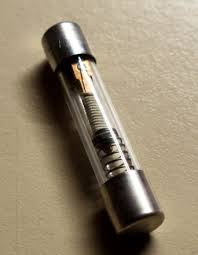
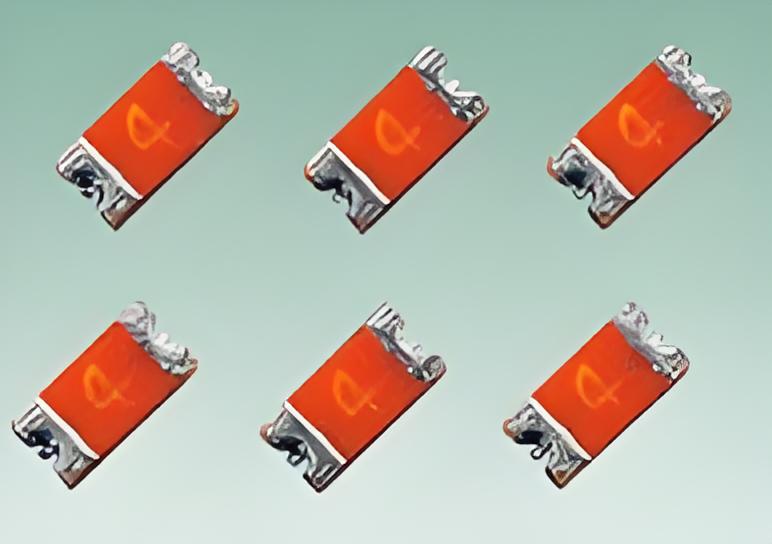
The typical overcurrent protection device is the current fuse. There are many types of general current fuses. We will not introduce them here. Readers can go to Google by themselves.
Overpressure protection devices include water pressure protection devices, air pressure protection devices, etc.
In addition, there are water level switches, interlocking switches or devices that prevent a hazardous situation, three-phase electrical phase sequence protection devices, Air Circuit Breaker(ACB), leakage current protectors, etc., as well as intentionally weak parts defined by the standard. We can search for the word “protective device” in the standard to see what requirement are given for the “protective device” standard. This way we can understand the definition in reverse. This method can also be used to understand other definitions.

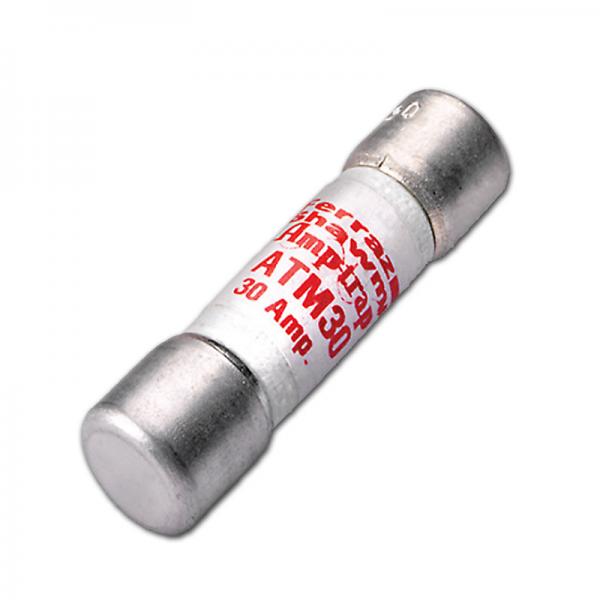
High Voltage Low Current EV Fuse
surface mounted current fuse

Similar Posts

  • ข้อ 3 – จะเข้าใจคำจำกัดความของ “ฉนวนหน้าที่” ได้อย่างไร

    ฉนวนกันความร้อนตามหน้าที่ถูกกำหนดไว้เนื่องจากความต้องการด้านการทำงานของเครื่องใช้ไฟฟ้า ในผลิตภัณฑ์เครื่องใช้ไฟฟ้าจะต้องมีชิ้นส่วนที่เป็นสื่อกระแสไฟฟ้าซึ่งมีศักย์ไฟฟ้าต่างกัน (แรงดันไฟฟ้าต่างกัน) หากแรงดันไฟฟ้าของตัวนำไฟฟ้าทั้งหมดในผลิตภัณฑ์เท่ากัน เครื่องจะไม่ทำงาน จากนั้นจะมีฉนวนการทำงานระหว่างชิ้นส่วนที่เป็นสื่อกระแสไฟฟ้าต่างๆ สมมติว่าแรงดันไฟฟ้าที่กำหนดของเครื่องใช้ไฟฟ้าคือ 220V จะมีฉนวนการทำงานระหว่างตัวนำทั้งสองของสายไฟ (สายไฟที่มีไฟฟ้าและสายนิวทรัล) หลังจากแรงดันไฟฟ้าที่กำหนดที่ 220V ถูกลดระดับลงโดยหม้อแปลงภายในเครื่องใช้ไฟฟ้า ก็ยังมี ความต่างของแรงดันไฟฟ้าระหว่างขาเอาท์พุตทั้งสองของขดลวดทุติยภูมิของหม้อแปลงไฟฟ้าจึงมีฉนวนการทำงานด้วยและยังมีสินค้าบางชนิดที่อาจมีวงจรบูสต์อยู่ภายในตัวสินค้าด้วย เช่น แรงดันใช้งานที่ปลายทั้งสองข้างของตัวเก็บประจุสตาร์ท เชื่อมต่อแบบอนุกรมกับมอเตอร์อะซิงโครนัส AC สูงกว่าแรงดันไฟฟ้าที่กำหนด ในกรณีนี้ยังมีฉนวนการทำงานระหว่างปลายทั้งสองของตัวเก็บประจุด้วย จากนั้นเราจะรู้ได้จริงว่ามีฉนวนการทำงานระหว่างตัวนำที่ไม่อยู่ในวงจรนำไฟฟ้าเดียวกัน แม้จะอยู่ในวงจรที่เป็นสื่อกระแสไฟฟ้าเดียวกัน ก็ยังมีแรงดันไฟฟ้าที่แตกต่างกัน และฉนวนการทำงานจะยังคงเกิดขึ้น รูปด้านล่างเป็นภาพฉนวนการทำงานทั่วไป ดังแสดงในรูปบนชั้นรางทองแดงของ PCB ส่วนสีน้ำตาลของการติดฉลากคือสายไฟที่มีกระแสไฟฟ้า (ตำแหน่งสีน้ำตาลสองตำแหน่งเชื่อมต่อระหว่างฟิวส์ปัจจุบัน) ส่วนสีน้ำเงิน ของการต่อคือสายกลางของสายไฟ สายไฟสด และสายนิวทรัลมีความต่างของแรงดันไฟฟ้าระหว่าง 2 เส้น ดังนั้นส่วนสีน้ำเงินของรางทองแดงที่เลือกกับส่วนสีน้ำตาลของรางทองแดงที่เลือกมีระยะห่างสั้นที่สุดระหว่าง รางนั่นคือฉนวนหน้าที่ ความจริงแล้วในการทำงานปกติ แผงวงจรในภาพด้านล่าง แรงดันไฟฟ้าบนรางทองแดงในหลายตำแหน่งไม่เท่ากัน ดังนั้น การก่อตัวของฉนวนตามหน้าที่ เครื่องอ่านจึงสามารถวิเคราะห์วงจรได้เองตามแรงดันไฟฟ้าในการทำงานของ แต่ละส่วน. ดังแสดงในรูปด้านล่าง แผนภาพการเชื่อมต่อขดลวดทั่วไปของมอเตอร์อะซิงโครนัสแบบ AC เมื่อตัวเก็บประจุในรูปกำลังทำงาน แรงดันไฟฟ้าที่ตกคร่อมตัวเก็บประจุมักจะสูงกว่าแรงดันไฟฟ้าที่กำหนดของผลิตภัณฑ์ ตัวอย่างเช่น หากแรงดันไฟฟ้าที่กำหนดคือ 220V แรงดันไฟฟ้าทั่วตัวเก็บประจุที่วัดโดยมัลติมิเตอร์ระหว่างการทำงานมักจะสูงกว่า 300V…

  • ข้อ 3 – วิธีทำความเข้าใจคำจำกัดความของ “แรงดันอิมพัลส์ที่กำหนด”

    : แรงดันไฟฟ้าที่ได้มาจากแรงดันไฟฟ้าที่กำหนดและประเภทแรงดันไฟฟ้าเกินของเครื่องใช้ไฟฟ้า ซึ่งแสดงคุณลักษณะความต้านทานที่ระบุของฉนวนต่อแรงดันไฟฟ้าเกินชั่วคราวสำหรับผู้เริ่มต้น ไม่จำเป็นต้องเข้าใจความหมายทางกายภาพของคำจำกัดความนี้จริงๆ การใช้งานหลักของค่าแรงดันไฟฟ้าในมาตรฐานคือการกำหนดค่าขีดจำกัดของระยะห่าง อ้างอิงถึงตารางที่ 15 สามารถกำหนดค่าแรงดันไฟฟ้าอิมพัลส์ที่กำหนดได้โดยตรง ประโยคบนสุดของตารางที่ 15 ระบุว่า “เครื่องใช้ไฟฟ้าอยู่ในหมวดแรงดันไฟฟ้าเกิน II” หากแรงดันไฟฟ้าที่กำหนดของผลิตภัณฑ์คือ AC220-240V ซึ่งสอดคล้องกับแถวสุดท้ายของค่าในคอลัมน์แรกของตารางที่ 15 แรงดันไฟฟ้าพัลส์ที่กำหนดจะถูกกำหนดไว้ที่ 2500Vฉันต้องบอกว่าหมวดแรงดันไฟฟ้าเกิน (OVC) มาจากมาตรฐาน IEC 60664-1 ตารางด้านล่างให้คำจำกัดความแก่เรา ในทางกลับกัน มีภาพวาดอธิบายหมวดหมู่แรงดันไฟฟ้าเกิน (OVC) On the other hand, there is a drawing to explain overvoltage category(OVC).

  • Clause 3 – How to understand the definition of “combined appliance”

    combined appliance: appliance incorporating heating elements and motors. We know that this standard mainly protects against the following five types of dangers, which are electric shock, mechanical damage from moving parts, thermal damage (such as burns), fire damage, chemical and biological damage. Generally speaking, thermal damage is caused by electric heating elements, and mechanical damage…

  • ข้อ 3 – วิธีทำความเข้าใจคำจำกัดความของ “อุปกรณ์คลาส 0I”

    เครื่องใช้ไฟฟ้ามีขั้วต่อสำหรับเชื่อมต่อตัวนำป้องกันภายนอก (ตัวนำสายดินป้องกัน) แต่ไม่มีสายไฟสำหรับเชื่อมต่อเครื่องใช้ไฟฟ้ากับตัวนำป้องกันในการเดินสายไฟแบบตายตัว เครื่องใช้ไฟฟ้าอาจมีสายไฟหรือโครงสร้างด้านในเพื่อส่งสัญญาณความต่อเนื่องของดิน ในญี่ปุ่น มีปลั๊กสำหรับอุปกรณ์คลาส 0I โดยเฉพาะ ดังที่แสดงด้านล่าง จากสิ่งที่ฉันเข้าใจ ปัจจุบัน มีเพียงญี่ปุ่นเท่านั้นที่ใช้อุปกรณ์คลาส 0I โดยปกติแล้วสายไฟจะมีสายดิน แต่การต่อลงดินไม่ได้กระทำโดยหมุดสายดินในปลั๊ก แต่จะใช้เครื่องมือในการเชื่อมต่อขั้วต่อหรือวงแหวนสายดินที่แยกจากกันเพื่อให้การต่อสายดินมีประสิทธิภาพ นอกจากนี้ ยังมีขั้วต่อสายดินบนอุปกรณ์ด้วย ก่อนการติดตั้ง ขั้วต่อนี้ไม่ได้เชื่อมต่อกับสายไฟภายนอกใดๆ และโดยปกติจะเชื่อมต่อระหว่างการใช้งานและการติดตั้ง From what I understand, at present, only Japan uses class 0I appliances. Usually, the supply cord have an earthing wire, but the earthing is not done by the earthing pin in the plug. Instead,…

  • Clause 3 – How to understand the definition of “portable appliance”

    portable appliance: appliance that is intended to be moved while in operation or an appliance, other than a fixed appliance, having a mass less than 18 kg. This item is relatively easy to understand. Products that are less than 18kg are relatively light, so they are easy to move during operation, including humidifiers, fans, air…

  • Clause 3 – How to understand the definition of “motor-operated appliance”

    motor-operated appliance: appliance incorporating motors but without any heating elementNote 1 to entry: Magnetically driven appliances are considered to be motor-operated appliances. Household electrical appliances usually use heating elements or motors to complete their designed functions. The main functions are heating, such as heating food or air, and rotation or mechanical movement of products, such…