Clause 3 – How to understand the definition of “non-self-resetting thermal cut-out”

non-self-resetting-thermal cut-out: thermal cut-out that requires a manual operation for resetting, or replacement of a part, in order to restore the current.
NOTE Manual operation includes disconnection of the appliance from the supply mains.

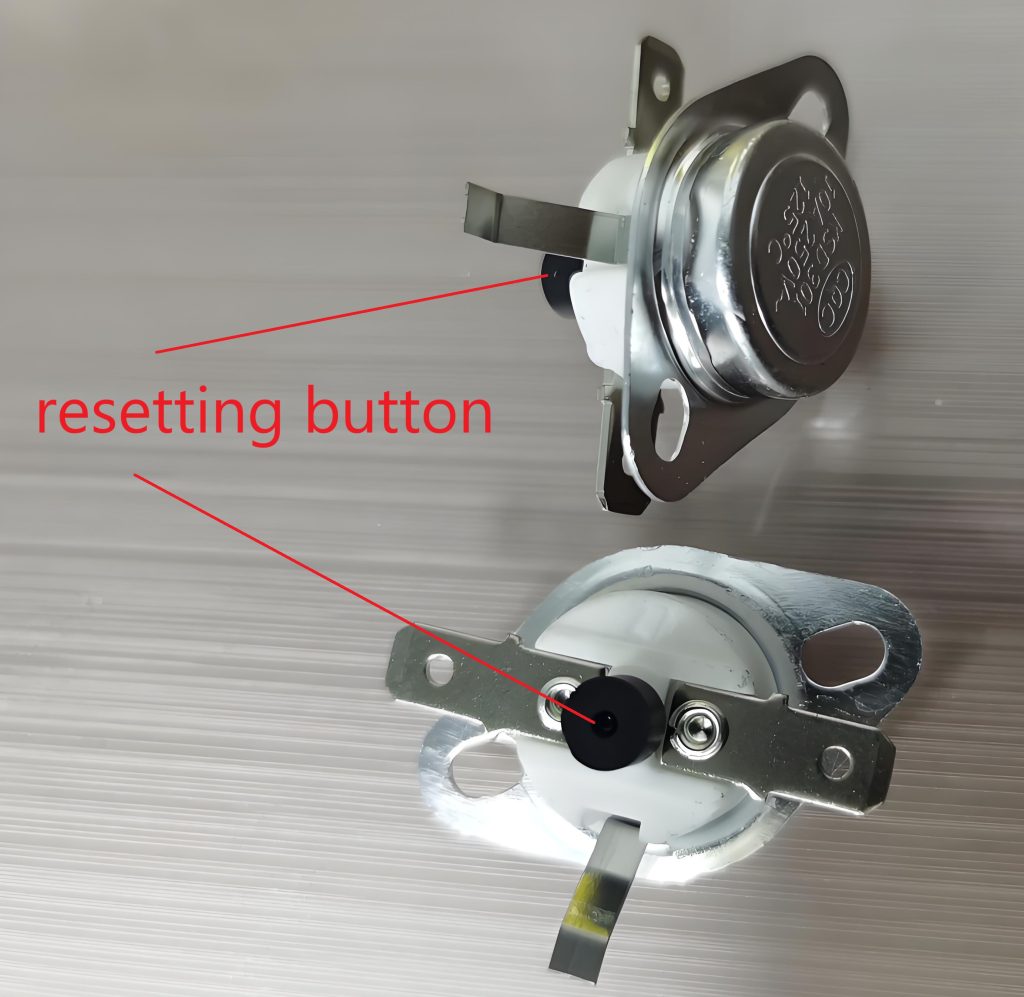
The thermal cut-out is equipped with a temperature-sensitive component, typically a bimetallic strip or a thermistor, which reacts to heat. As the temperature of the appliance or circuit increases, the bimetallic strip bends or the resistance of the thermistor changes. When the heat decreases and the temperature drops, the bimetallic strip will deform, reconnecting the circuit and completing the self-resetting action. The non- self-resetting thermal cut-out we are discussing here can be reset, but it cannot perform the reset action by itself.
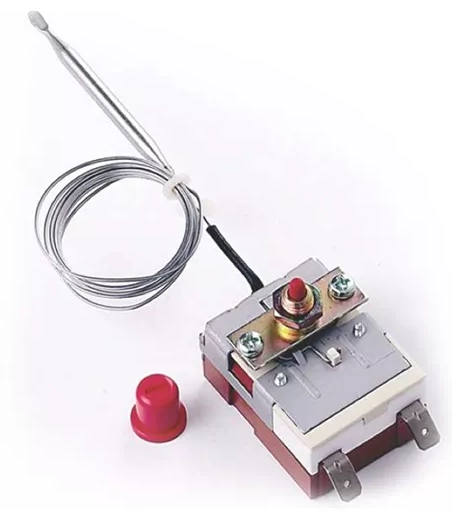
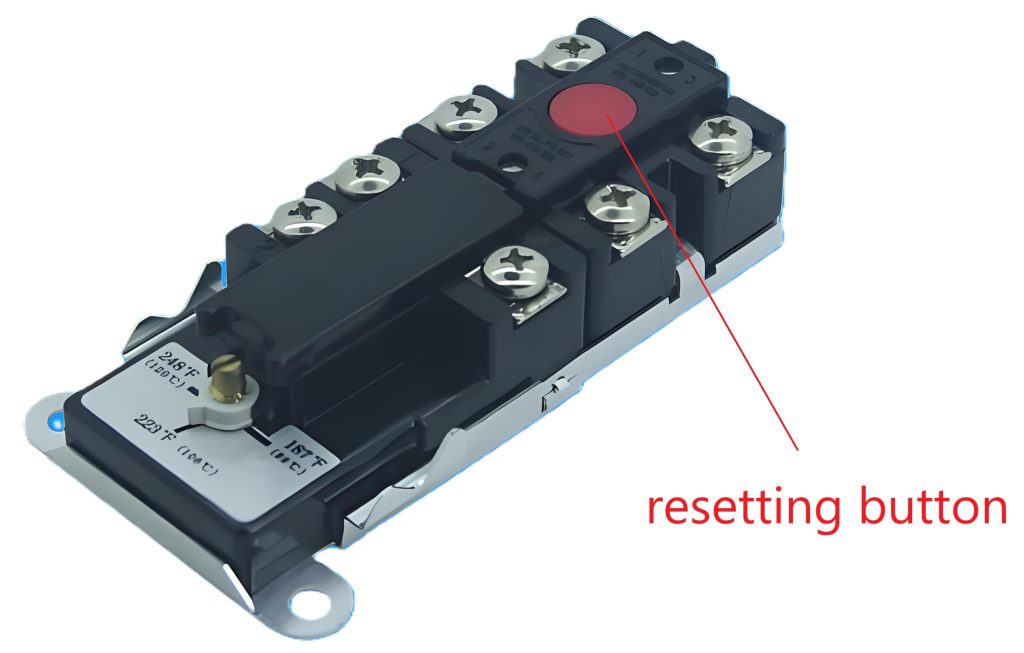
For example, a non-self-resetting thermal cut-out that needs to be reset manually requires pressing a button. I won’t explain how this works here, you can google it yourself.
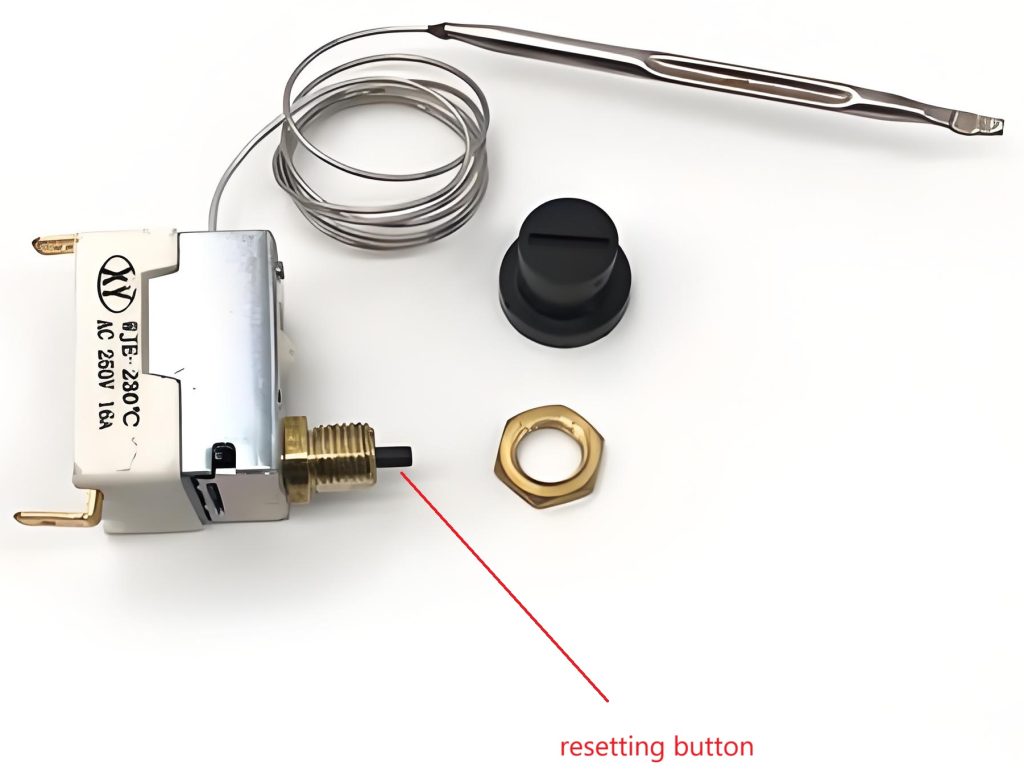
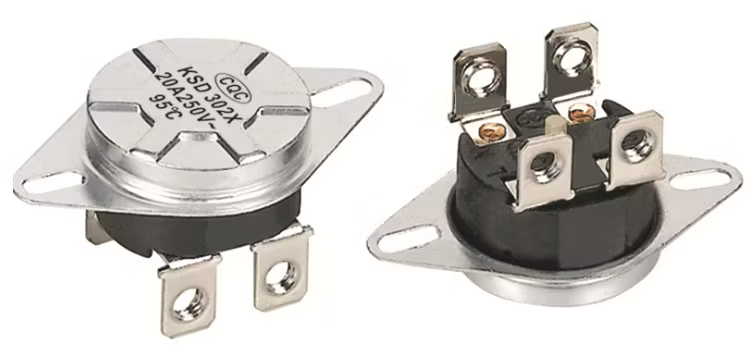
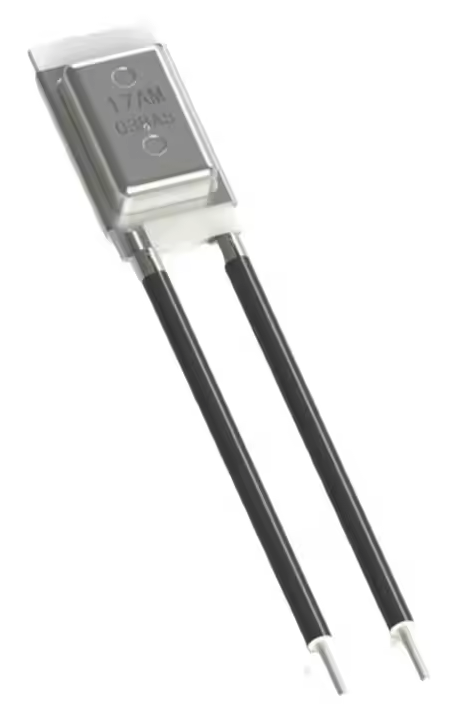
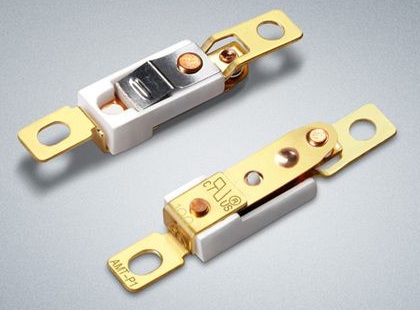
Another type of thermal cut-out is the one that needs to be disconnected from the power/main supply in order to complete the resetting action. Typical non-self-resetting thermal cut-outs(voltage maintained non-self-resetting thermal cut-out) are used in motors and are shown in the figure below:
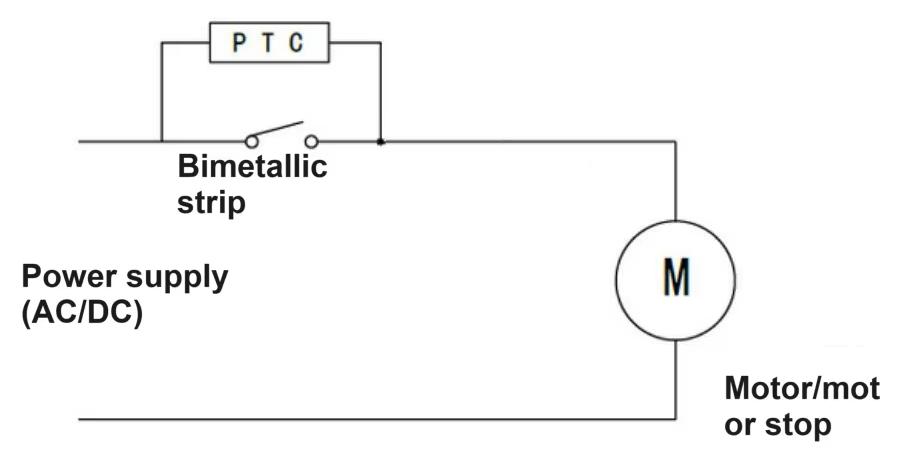
Its working principle can be explained by the figure below. When the bimetallic strip disconnects the circuit, since the PTC is connected to the circuit and is generating heat still, the bimetallic strip is still in a relatively hot state and cannot be reset. When the power is disconnected (for example, the plug is unplugged), the PTC does not generate heat and can be reset after a period of time.
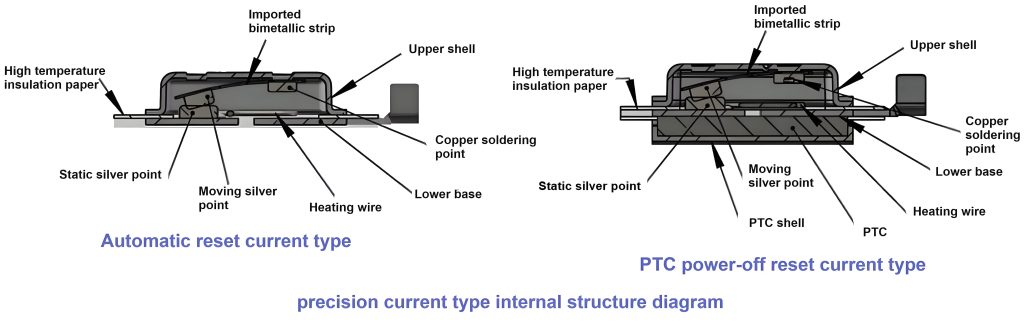
Its internal structure is shown below:
Another voltage maintained non-self-resetting thermal cut-out are used in room heater or hair dryer are shown in the figure below:
Similar Posts

  • Clause 3 – How to understand the definition of “self-resetting thermal cut-out”

    self-resetting thermal cut-out: thermal cut-out that automatically restores the current after the relevant part of the appliance has cooled down sufficiently In the definition there is a clear mention, when the temperature is cooled to a certain degree, in fact, its intention is to control the temperature is not too high, when the temperature is…

  • ข้อ 3 – จะเข้าใจคำจำกัดความของ “ระยะห่างที่คืบคลาน” ได้อย่างไร

    คำจำกัดความของระยะห่างตามผิวฉนวนมาจากมาตรฐาน IEC 60664-1:2020 เนื่องจากเราต้องอธิบายระยะตามผิวฉนวน เราจึงต้องแสดงรูปภาพรูปที่ 4 ถึงรูปที่ 14 ในมาตรฐาน IEC 60664-1:2020 ในที่นี้ ผู้อ่านจะต้องพิจารณาอย่างรอบคอบถึงวิธีการกำหนด “X mm” หากมีร่องบนเส้นทางที่ทำให้เกิดระยะตามผิวฉนวน ก็จะมีสถานการณ์ร่องสะพาน โดยส่วนตัวผมคิดว่าสาเหตุหลักในการเชื่อมโยงคือการสะสมของสารมลพิษในร่อง มลพิษเหล่านี้ส่วนใหญ่เป็นฝุ่น และฝุ่นชื้นจะนำไฟฟ้าได้มากกว่า ดังนั้นการคัดลอกข้อความต้นฉบับของมาตรฐานจึงมีสมมติฐาน 3 ข้อดังต่อไปนี้: – ในกรณีที่ระยะห่างข้ามร่องน้อยกว่าความกว้าง X ที่ระบุ (ดูตารางที่ 1) ระยะห่างตามผิวฉนวนจะถูกวัดโดยตรงผ่านร่องและไม่คำนึงถึงรูปร่างของร่อง (ดูรูปที่ 4) – โดยที่ระยะห่างข้ามร่องเท่ากับหรือมากกว่าความกว้าง X ที่ระบุ (ดูตารางที่ 1) ระยะตามผิวฉนวนจะถูกวัดตามแนวโครงร่างของร่อง (ดูรูปที่ 5)– ช่องใดๆ ให้ถือว่าต่อเชื่อมด้วยตัวต่อฉนวนที่มีความยาวเท่ากับความกว้าง X ที่ระบุ และวางไว้ในตำแหน่งที่ให้ผลเสียมากที่สุด (ดูรูปที่ 6)– ระยะห่างจากอากาศและระยะห่างตามผิวฉนวนที่วัดระหว่างชิ้นส่วนซึ่งสามารถรับตำแหน่งที่แตกต่างกันโดยสัมพันธ์กัน ให้วัดเมื่อชิ้นส่วนเหล่านี้อยู่ในตำแหน่งที่ไม่เอื้ออำนวยที่สุดรูปที่ 4 – ข้ามร่องเงื่อนไข: เส้นทางที่พิจารณาประกอบด้วยร่องด้านขนานหรือบรรจบกันทุกความลึกที่มีความกว้างน้อยกว่า X…

  • ข้อ 3 – จะเข้าใจคำจำกัดความของ “ฉนวนเสริม” ได้อย่างไร

    ดังแสดงในรูปด้านล่าง จากพื้นผิวด้านนอกของฉนวนพื้นฐาน (ในที่นี้สามารถเข้าใจได้ว่าเป็นพื้นผิวด้านนอกของปลอกลวดของลวดภายใน หรือพื้นผิววัสดุพลาสติกของสวิตช์) ไปยังตำแหน่งที่สามารถทำได้ จากภาพตัวอย่างที่ผู้ใช้สัมผัส (ฝาครอบด้านล่างหรือด้านข้างของเครื่องใช้ไฟฟ้า) สามารถพิจารณาว่าฝาครอบด้านล่างและด้านข้างของเครื่องใช้ไฟฟ้าเป็นฉนวนเสริมได้ ในทำนองเดียวกัน ระยะห่างตามผิวฉนวนจากปลอกลวดตะกั่วภายในตามพื้นผิวด้านในของเปลือกด้านข้างไปยังตำแหน่งที่ผู้ใช้ภายนอกสัมผัสได้สามารถกำหนดเป็นฉนวนเสริมได้ จากนั้นเป็นระยะทางเส้นตรงที่สั้นที่สุดจากฉนวนพื้นฐานภายใน ผ่านอากาศไปยังสถานที่ที่ผู้ใช้ภายนอกสามารถสัมผัสได้สามารถกำหนดเป็นระยะห่างของฉนวนเสริมได้ ระยะห่างโดยทั่วไปหมายถึงช่องว่างระหว่างเปลือกด้านล่างและเปลือกด้านข้าง An insulation that is outside the basic insulation and is independent of the basic insulation, and is usually accessible to the user. supplementary insulation, as the name implies, is additional, and refers to insulation added to the basic insulation. This involves a…

  • ข้อ 3 – วิธีทำความเข้าใจคำจำกัดความของ “หม้อแปลงแยกความปลอดภัย”

    หม้อแปลงที่กล่าวถึงในที่นี้ใช้เพื่อจ่ายไฟให้กับเครื่องใช้ไฟฟ้าหรือวงจร หม้อแปลงทั่วไปส่วนใหญ่จะจ่ายไฟให้กับวงจร และจ่ายไฟให้กับเครื่องใช้ไฟฟ้าบางส่วน สิ่งสำคัญที่นี่คือการวัดการแยกระหว่างขดลวดอินพุตและขดลวดเอาต์พุต ซึ่งต้องเป็นฉนวนสองชั้นหรือฉนวนเสริมแรง หรือฉนวนชนิดเทียบเท่า ข้อกำหนดนี้คือเพื่อให้แน่ใจว่าขดลวดปฐมภูมิและขดลวดทุติยภูมิมีฉนวนเพียงพอ หากฉนวนเพียงพอ การแยกระหว่างขดลวดปฐมภูมิและขดลวดทุติยภูมิของหม้อแปลงไฟฟ้าจะค่อนข้างปลอดภัย ข้อควรระวังในการป้องกันสองชั้น หม้อแปลงไฟฟ้าที่ใช้กันมากที่สุดสองตัวในเครื่องใช้ในครัวเรือนแสดงในรูปด้านล่าง หม้อแปลงชนิดแรกที่ใช้ในบอร์ด PCBboard ของสวิตช์ไฟ หม้อแปลงชนิดนี้จะวางขดลวดปฐมภูมิและขดลวดทุติยภูมิทับบนแกนแม่เหล็กเดียวกัน ดังนั้น เพื่อให้แน่ใจว่าระยะห่างตามผิวฉนวนและระยะห่างทางไฟฟ้าระหว่างปฐมภูมิและทุติยภูมิ จึงไม่สามารถวางขดลวดที่พันไว้บนใบหน้าส่วนบนและส่วนล่างได้ ขดลวดจะต้องอยู่ห่างจากผิวหน้าด้านบนและด้านล่าง ดังแสดงในรูปด้านล่าง: เพื่อช่วยให้ผู้อ่านเข้าใจโครงสร้างของหม้อแปลงนี้ได้ดีขึ้น ผมจึงได้นำรูปถ่ายภายนอกและภายในของหม้อแปลงทั้งหมดมาไว้ในหน้านี้เพื่อใช้อ้างอิงสำหรับผู้อ่าน มุมมองโดยรวมสำหรับหม้อแปลงฉนวนนิรภัย The other is a drawer-type linear transformer, as shown below:

  • Clause 3 – How to understand the definition of “PTC heating element”

    PTC heating element: element intended for heating consisting mainly of positive temperature coefficient resistors that are thermally sensitive and have a rapid non-linear increase in resistance when the temperature is raised through a particular range. As the temperature increases, the resistance of the heating element of the PTC heating element increases. The relationship between temperature…