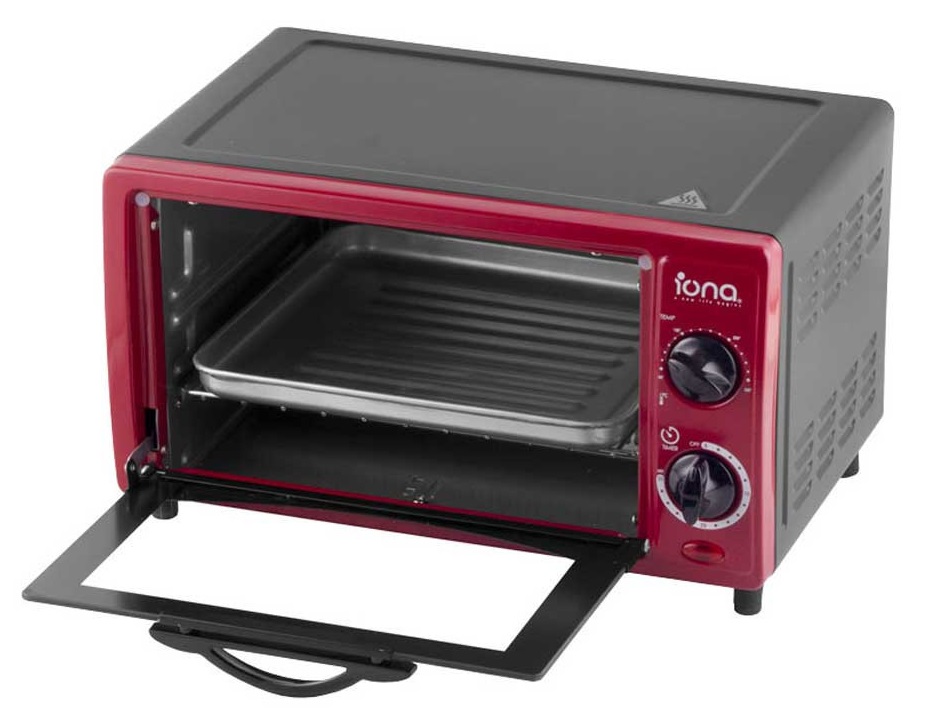
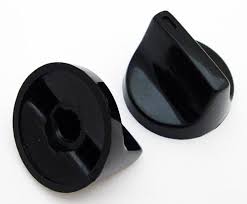
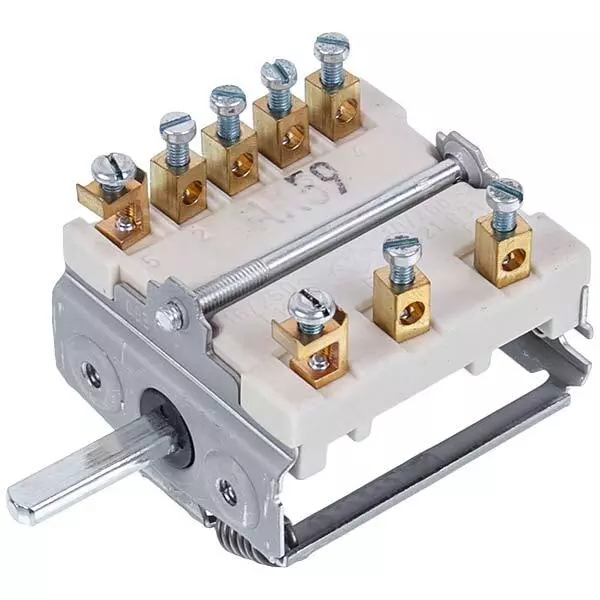
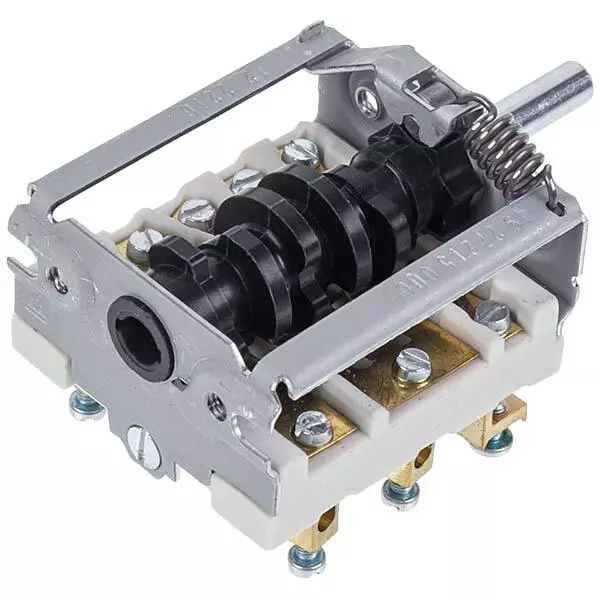
ここで重点を置くのは、二重絶縁または強化絶縁の要件を満たすことができる機器の構造の一部です。したがって、クラス I アプライアンスにはクラス II 構造も含まれます。 例:下図のオーブンでは金属シェルとプラスチック製スイッチノブが使用されています。使用者がスイッチノブに触れると、ノブは絶縁体でできているため接地できません。感電に対する保護はノブ自体の絶縁にのみ依存します。スイッチ内部の充電部とスイッチノブ軸間は基礎絶縁となっており、スイッチノブは補助絶縁を形成します。したがって、スイッチノブの位置はクラスII構造となります。
fixed appliance: appliance that is intended to be used while fastened to a support or while secured in a specific location. The definition emphasizes fastening to a bracket or fixing in a specific position. Generally, we think that this kind of fixation requires some installation actions and some fixing devices, these devices can be fixed…
stationary appliance: fixed appliance or an appliance which is not a portable appliance. Stationary appliance includes fixed appliance and not a portable appliance. The characteristic of a stationary appliance is that once it is put into use, it will be placed in a fixed position. At the same time, the position of the appliances will…
user maintenance: any maintenance operation stated in the instructions for use, or marked on the appliance, that the user is intended to perform. Allowed user-executed operations, the operation guideline was given in user manual, and it could be showed in enclosure of appliance. Since it is a allowed user-executed operation, then additional protective method should…
21.1 Appliances shall have adequate mechanical strength and be constructed to withstand such rough handling that may be expected in normal use.Compliance is checked by applying blows to the appliance in accordance with test Ehb ofIEC 60068-2-75, the spring hammer test.The appliance is rigidly supported and three blows, having an impact energy of 0,5 J,…
detachable power supply part: part of the appliance the output of which is intended to be detachable from the class III construction part of the appliance.Note 1 to entry: Means of detachment are a flexible cord and connector or an appliance outlet fitted to the detachable power supply part. This actually defines a detachable adapter….