8.1.5 What exactly does it protect against?

8.1.5 Live parts of built-in appliances, fixed appliances, and appliances delivered in separate units shall be protected by at least basic insulation before installation or assembly. Compliance is checked by inspection and the test in 8.1.1.
Why is this requirement in place? I believe there are three types of hazards that require protection.

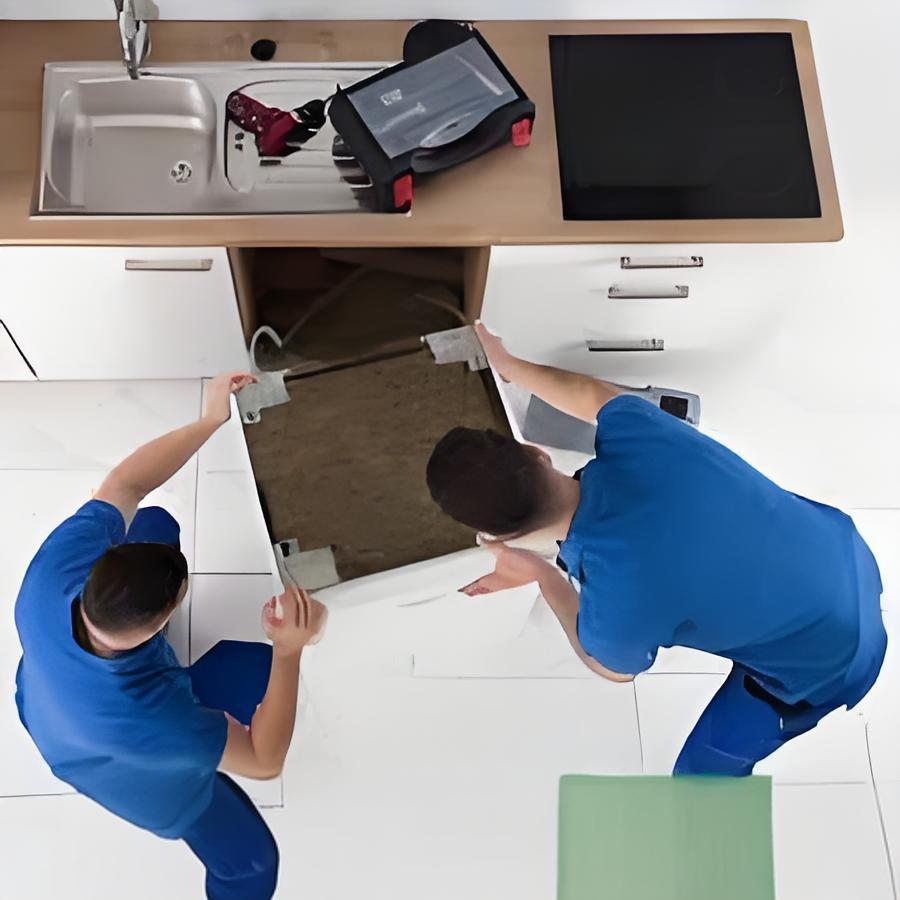
The first is an example of a built-in appliance, such as a dishwashing machine or a tableware sterilizer. Generally, after a dishwasher is installed in accordance with the instructions, except for the front surface, which is accessible, the other five surfaces are inaccessible. They are covered or enclosed by the space provided by the installation location, effectively preventing the risk of electric shock. However, during installation, installers typically don’t power on and test the appliance until it’s fully installed. For built-in products, installers typically power on the appliance to test its operation before placing it in its fixed location. In this case, the appliance isn’t protected from its surroundings, specifically the space where it’s installed. Imagine a scenario where, after unpacking the appliance at the user’s home, some terminals or wires are exposed. This creates a risk of accidental electric shock during installation. Therefore, the standard requires basic insulation protection before installation. To ensure effective basic insulation, we need to apply the test requirements in clause 8.1.1. Implementing the test requirements in clause 8.1.1 inevitably involves clause 22.11 and its definition of removable parts.
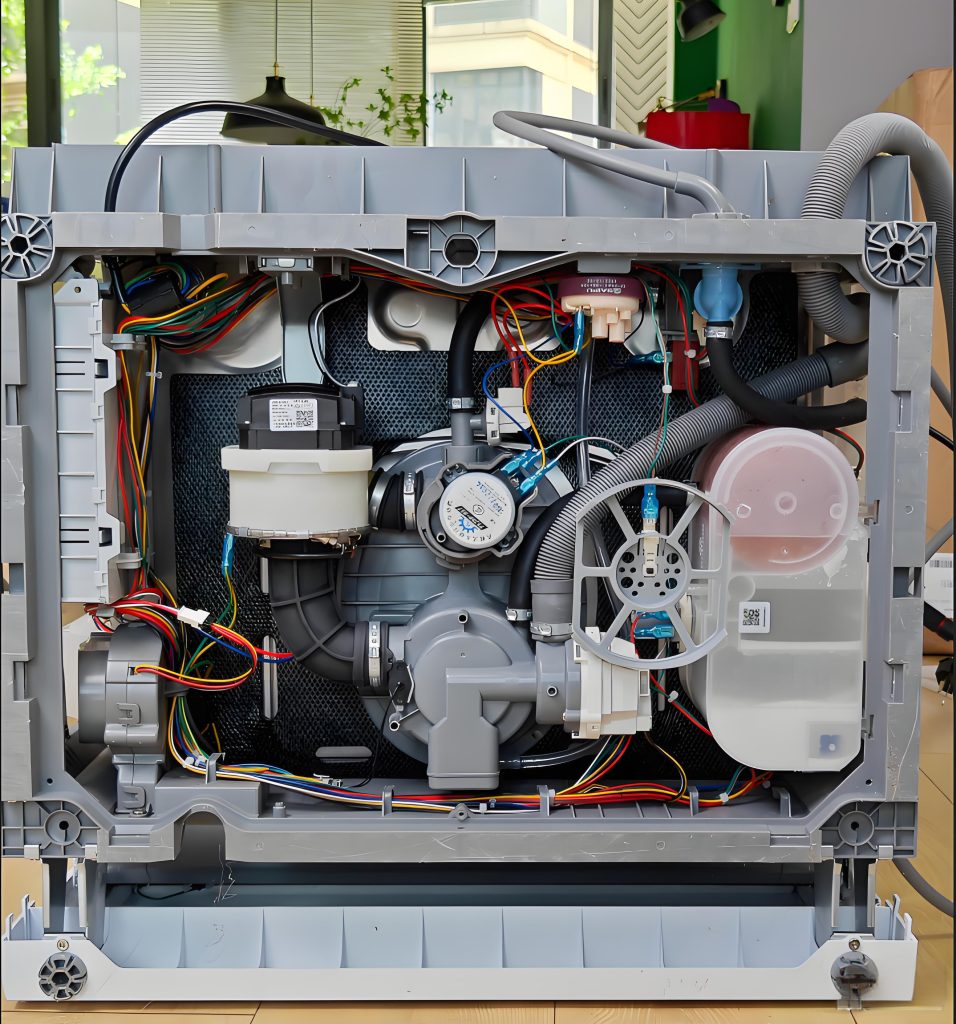
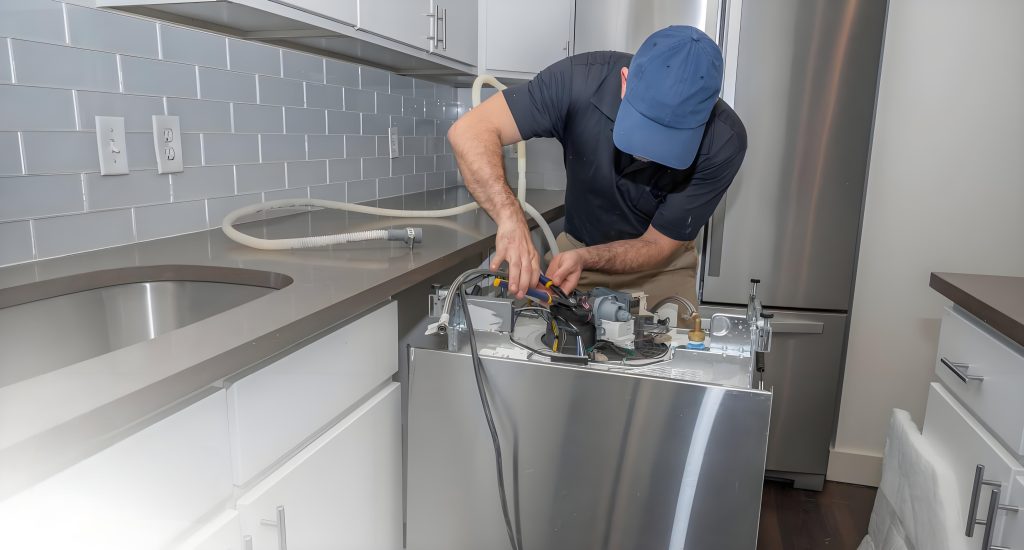
internal wire of dishwasher
Dishwasher Installation
push the dishwasher into cabinet

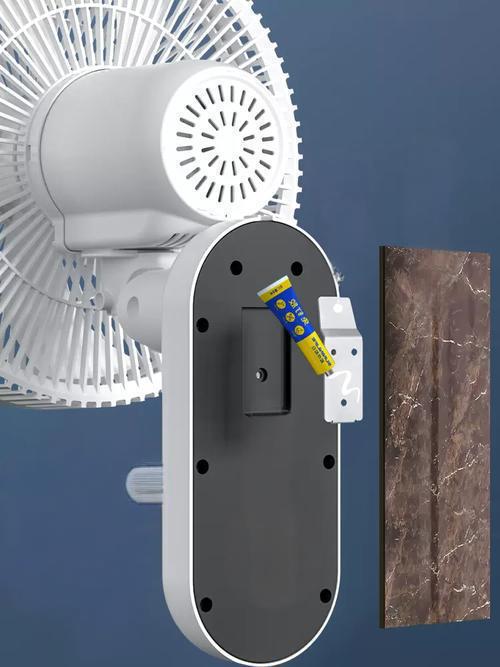
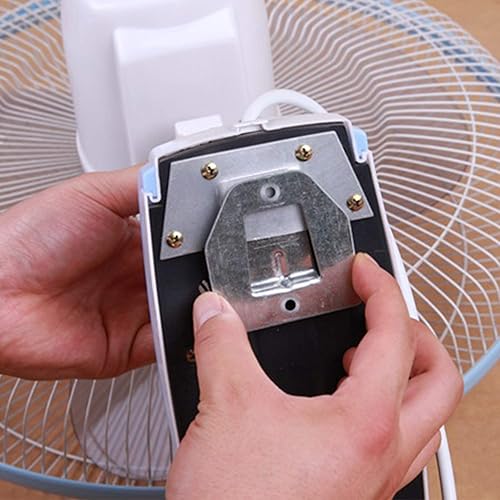
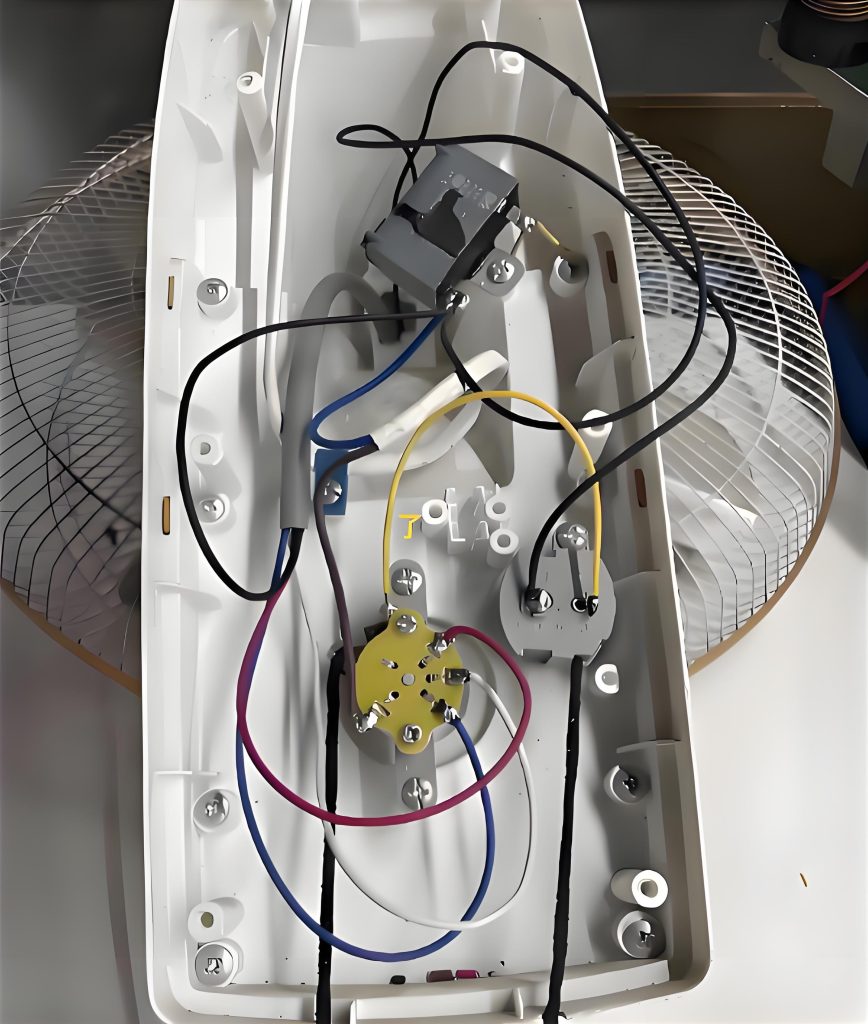
The second type, similar to the first, applies to fixed appliances, such as wall-mounted fans. These products are typically installed on-site and require the installation of a mounting plate or bracket. However, experienced installers will typically verify that the product is functioning properly before proceeding. During the power-on test run, the mounting surface is often not secured to the wall, rendering the wall ineffective. If the mounting surface has a large opening, allowing a finger to penetrate and contact live components, there is a risk of electric shock.
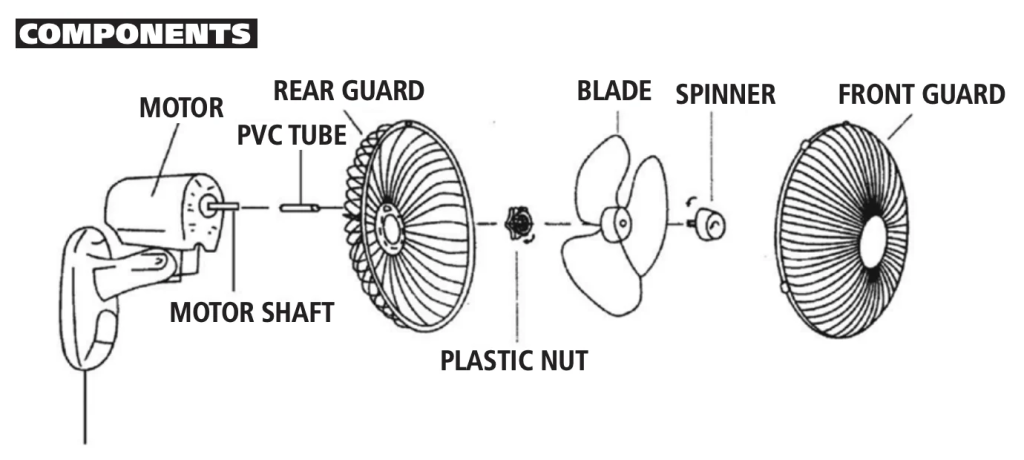
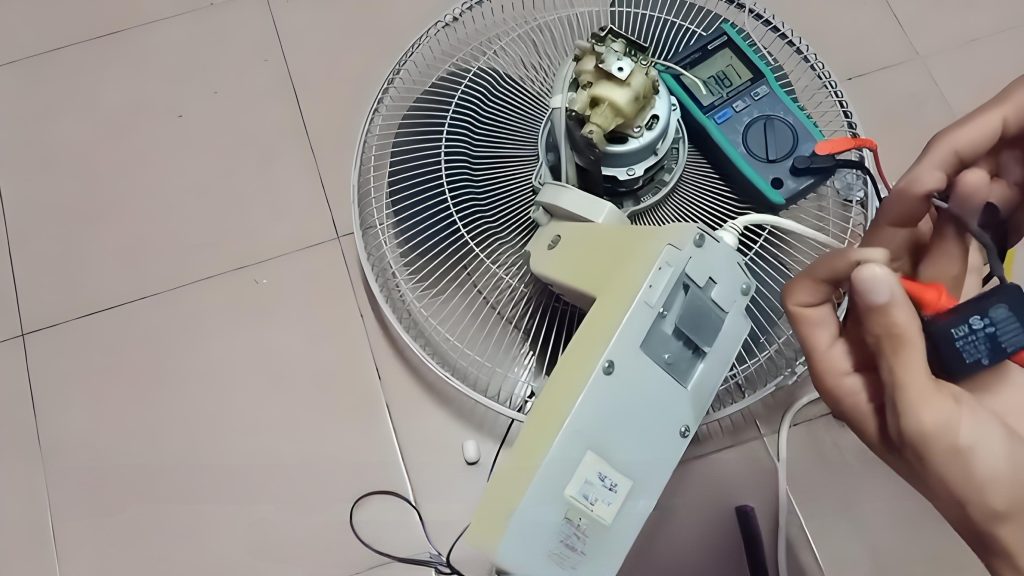
wall mounting fan exploded view
base pan of wall mount fan
wall mount fan base pan
wall mounting fan fixed support
internal view of base pan of wall mount fan

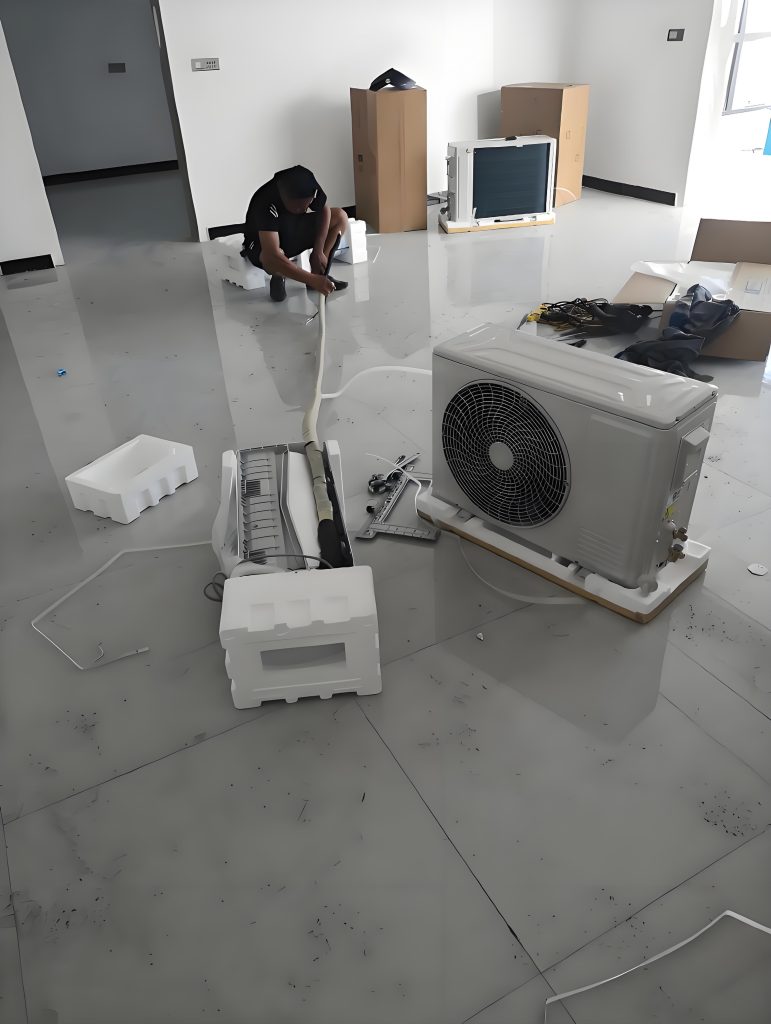
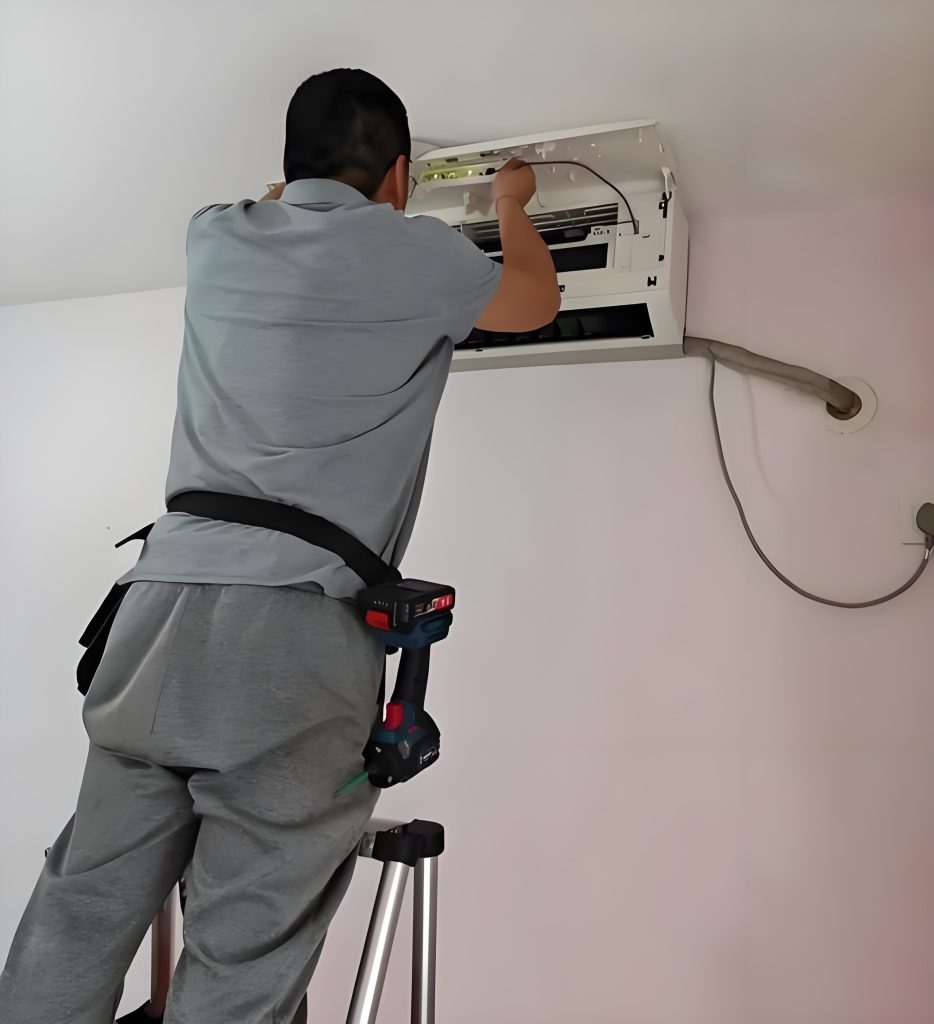
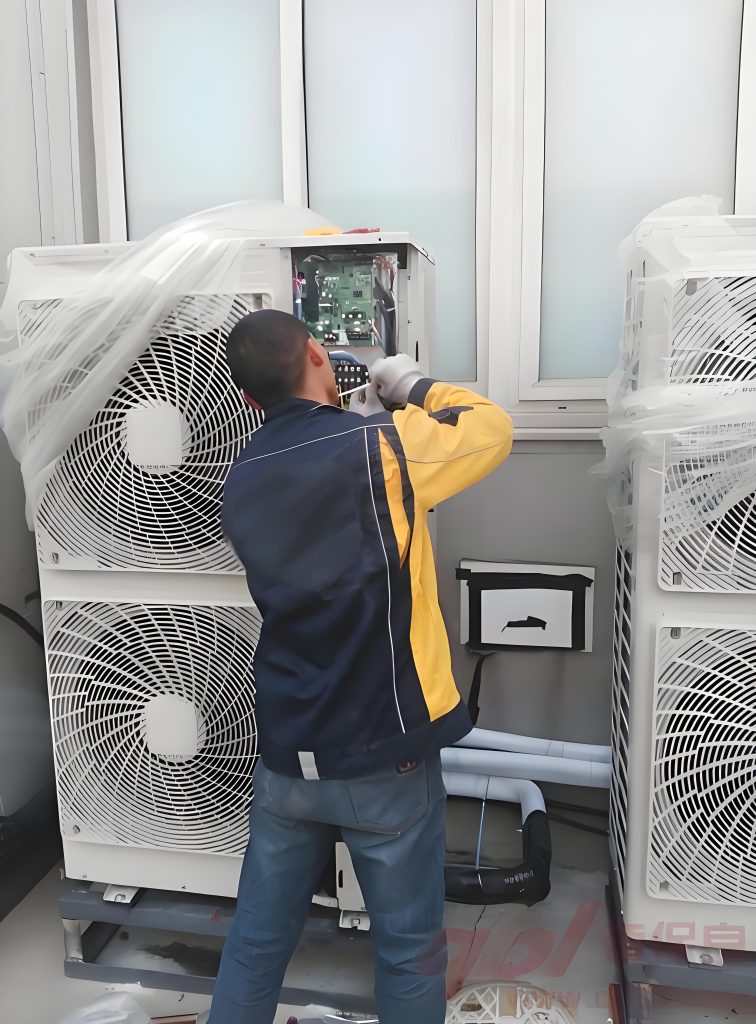
The third type is controversial. Split-type household air conditioners are typically delivered as separate, independent units. These products typically require on-site installation. During installation, is it possible that the outdoor unit has already been installed and connected to the mains power supply? The indoor unit installer is not the same person as the outdoor unit installer and is unaware of the outdoor unit’s installation progress. He or she needs to complete the wiring for both units, potentially completing the wiring while the outdoor unit is energized. A typical wiring task involves connecting the indoor and outdoor unit interconnecting cables. As described in the second scenario, both indoor and outdoor unit wiring terminals require basic insulation protection. However, does the separately delivered interconnecting cable also require basic insulation protection? Note that the interconnecting cables used here all comply with clause 25.23. They all have insulating sheaths, but may have exposed conductors at their ends. The basic insulation protection we will discuss below applies to these exposed conductors. If the standard is strictly adhered to, I believe requiring basic insulation is acceptable. However, in actual production and manufacturing, it is difficult to achieve, and even if it is, the cost is considerable. Therefore, I personally believe that separately delivered interconnecting cables do not require additional basic insulation protection.
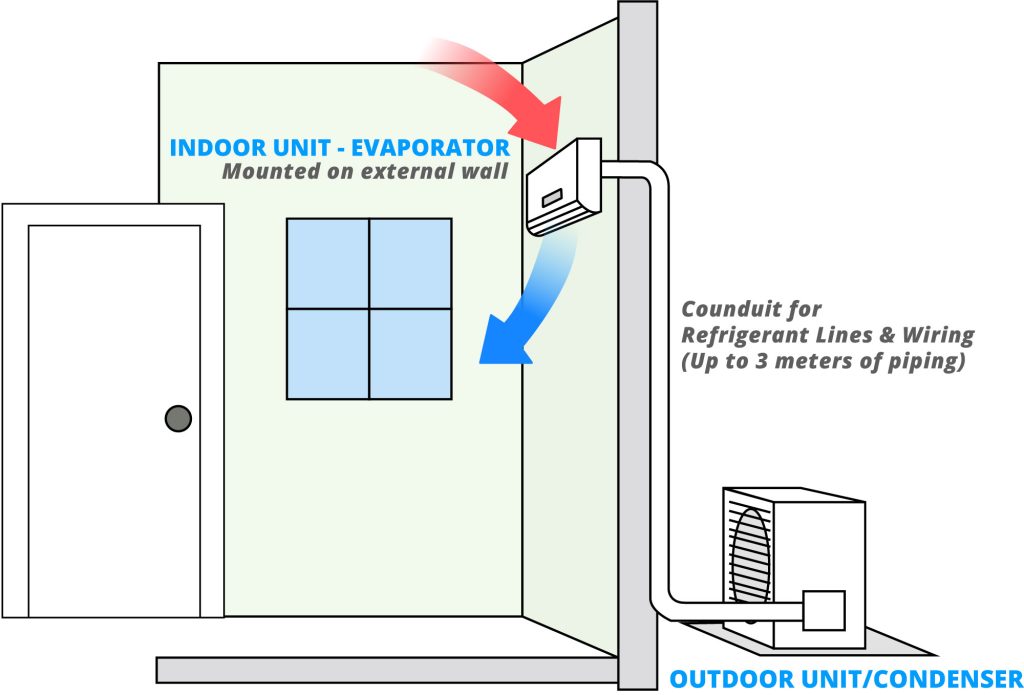
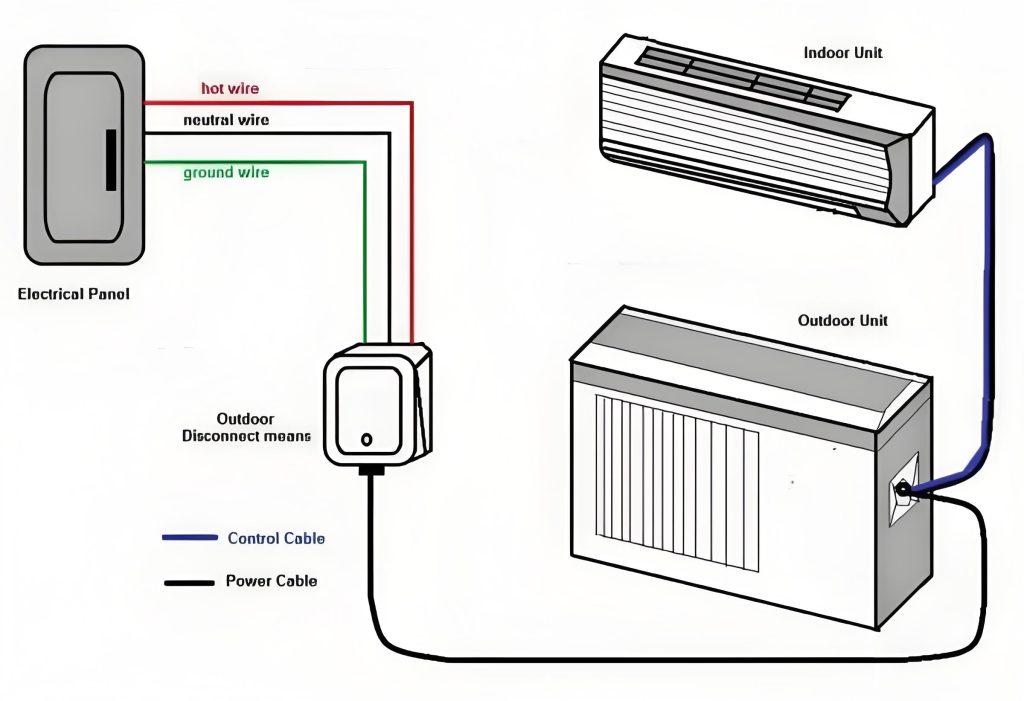
Air conditioning installation diagram
diagram split-type air conditioner
air conditioner unpackage
indoor unit installation
outdoor unit installation

Similar Posts

  • ข้อ 3 – วิธีทำความเข้าใจคำจำกัดความของ “อุปกรณ์คลาส II”

    ฉนวนพื้นฐาน เฉพาะแต่โดยจัดให้มีมาตรการป้องกันความปลอดภัยเพิ่มเติม เช่น ฉนวนสองชั้น หรือ ฉนวนเสริมแรง ไม่มีข้อกำหนดสำหรับการต่อสายดินหรือการพึ่งพาเงื่อนไขการติดตั้งหมายเหตุ 1 อุปกรณ์ดังกล่าวอาจมีประเภทใดประเภทหนึ่งต่อไปนี้: – เครื่องใช้ไฟฟ้าที่มีเปลือกหุ้มที่ทนทานและต่อเนื่องกันมากเป็นวัสดุฉนวนซึ่งห่อหุ้มส่วนที่เป็นโลหะทั้งหมด ยกเว้นส่วนต่างๆ เช่น แผ่นป้าย หมุดเกลียว และหมุดย้ำ ซึ่งแยกออกจากส่วนที่ถ่ายทอดสด โดยฉนวนอย่างน้อยเทียบเท่ากับ ฉนวนเสริมแรง อุปกรณ์คลาส II– เครื่องใช้ไฟฟ้าที่มีเปลือกหุ้มโลหะที่ต่อเนื่องกันอย่างมาก โดยที่ ฉนวนสองชั้น;หรือ ฉนวนเสริมแรง ถูกใช้ตลอด; อุปกรณ์ดังกล่าวเรียกว่าเครื่องหุ้มโลหะ อุปกรณ์คลาส II – เครื่องใช้ไฟฟ้าที่มีฉนวนหุ้มอยู่รวมกัน อุปกรณ์คลาส II;และหุ้มด้วยโลหะ อุปกรณ์คลาส II หมายเหตุ 2 กรอบหุ้มของฉนวนหุ้ม อุปกรณ์คลาส II.อาจประกอบเป็นบางส่วนหรือทั้งหมด ฉนวนเสริม หรือของ ฉนวนเสริมแรง รูปที่ 11 – ตัวอย่างระยะห่างในมาตรฐาน IEC 60335-1 เป็นตัวอย่างง่ายๆ จากตัวเลขนี้ เราสามารถคิดถึงคุณลักษณะพื้นฐานของอุปกรณ์คลาส II โครงสร้างคลาส II…

  • ข้อ 3 – วิธีทำความเข้าใจคำจำกัดความของ “โอกาสในการขาย”

    ช่องภายในหรือติดกับตัวเครื่องมีข้อจำกัดสองประการที่ต้องเน้นย้ำที่นี่ อย่างแรกคือต้องเก็บไว้ในช่องซึ่งโดยทั่วไปอาจเป็นกล่องไฟฟ้าพลาสติก หรือตำแหน่งแบบฝังบนตัวเครื่องซึ่งสามารถใช้วางสายไฟได้ เงื่อนไขที่สองคือสายไฟ สายไฟที่นี่แตกต่างจากสายไฟ ลวดประเภทนี้เป็นลวดทั่วไปที่มีปลอกหุ้มฉนวนเพียงชั้นเดียว ฝักลวดประเภทนี้โดยทั่วไปจะมีสีน้ำตาลหรือสีน้ำเงิน ถ้าเป็นสายดินจะเป็นสีเหลืองเขียว ตามที่แสดงในภาพด้านล่าง ส่วนนี้จะแสดงการเชื่อมต่อแบบคงที่และการเชื่อมต่อแหล่งจ่ายไฟสำหรับพัดลมเพดาน โดยทั่วไปสายไฟที่ออกมาจากแกนสามารถเชื่อมต่อโดยตรงกับสายไฟแบบตายตัว (นั่นคือสายไฟที่ด้านบนของห้องหรือแผงขั้วต่อ) ลวดส่วนนี้มักเป็นลวดธรรมดาที่มีชั้นเปลือกลวด เพราะสามารถวางไว้ที่ระฆังบนได้จึงถือเป็นตะกั่ว As shown in photos below, this part shows the fixed and supply connection for ceiling fan. The wires coming out of the rod can generally be directly connected to the fixed wiring (that is, the wiring on the top of the…

  • Clause 3 – How to understand the definition of “combined appliance”

    combined appliance: appliance incorporating heating elements and motors. We know that this standard mainly protects against the following five types of dangers, which are electric shock, mechanical damage from moving parts, thermal damage (such as burns), fire damage, chemical and biological damage. Generally speaking, thermal damage is caused by electric heating elements, and mechanical damage…

  • ข้อ 3 – จะเข้าใจคำจำกัดความของ “ฉนวนเสริม” ได้อย่างไร

    จากหมายเหตุ สามารถทดสอบฉนวนเสริมและฉนวนพื้นฐานได้ทีละชิ้น ซึ่งหมายความว่าฉนวนเสริมและฉนวนพื้นฐานสามารถแยกแยะและแยกออกจากกันได้อย่างง่ายดาย ในทำนองเดียวกัน หากฉนวนประกอบด้วยหลายชั้นหรือหลายฉนวนที่ไม่สามารถแยกและแยกแยะได้ง่าย แต่เทียบเท่ากับฉนวนสองชั้นตามผลของฉนวนจริง ก็สามารถนิยามได้ว่าเป็นฉนวนเสริม นอกจากนี้ หากเป็นเพียงชั้นเดียวหรือฉนวนอิเล็กทริกเดียว ผลของฉนวนจะเทียบเท่ากับฉนวนสองชั้น ก็ยังสามารถกำหนดเป็นฉนวนเสริมได้ดังแสดงในสองภาพด้านล่าง ภาพซ้ายเป็นภาพด้านหลังตู้เย็น แผงวงจรด้านในสามารถมองเห็นได้ผ่านตะแกรงโลหะในภาพด้านซ้าย และภาพภายในคือภาพด้านขวา มีส่วนที่มีกระแสไฟฟ้าอยู่บน PCB และผู้ใช้สามารถสัมผัสกระจังหน้าได้ อากาศระหว่างช่องว่างของกระจังหน้าและชิ้นส่วนที่มีไฟฟ้าบนแผงวงจรอาจทำให้เกิดวงจรนำไฟฟ้าได้ ดังนั้นระยะนี้สามารถกำหนดเป็นระยะห่างด้วยฉนวนเสริมได้ เพราะการกวาดล้างและ nbsp; และ nbsp;ประกอบด้วยห่วงอากาศ ห่วงอากาศไม่สามารถแยกออกได้ และเราไม่รู้ด้วยซ้ำว่าจะแบ่งอากาศนี้ออกเป็นหลายส่วนที่ไหน ที่นี่ต้องสังเกตสองประเด็น ถ้าตะแกรงโลหะไม่ได้ต่อสายดิน อากาศระหว่างตะแกรงและชิ้นส่วนที่มีไฟฟ้าในแผงวงจรต้องเป็นไปตามข้อกำหนดของฉนวนเสริม (ตามข้อกำหนดในข้อ 8.2 สำหรับเครื่องใช้ไฟฟ้าประเภท II) ถ้าตะแกรงโลหะต่อสายดิน ดังนั้นอากาศระหว่างตะแกรงและชิ้นส่วนที่มีกระแสไฟฟ้าในแผงวงจรจะต้องเป็นไปตามข้อกำหนดของฉนวนพื้นฐานเท่านั้น เนื่องจากฉนวนพื้นฐานพร้อมสายดินเป็นอุปกรณ์ Class I ที่มีมาตรการป้องกันสองชั้น และผู้ใช้สามารถสัมผัสชิ้นส่วนโลหะที่ต่อสายดินได้ ปั๊มจุ่มที่แสดงด้านล่างมีโพลมอเตอร์สีเทาอยู่ภายใน โดยมีขดลวดหุ้มด้วยฉนวนสีเหลือง เพื่อป้องกันความเสียหายจากน้ำ สเตเตอร์ของมอเตอร์ทั้งหมดจึงถูกห่อด้วยอีพอกซีเรซิน หลังจากที่พันขดลวดแล้ว จะไม่สามารถทดสอบฉนวนพื้นฐานและฉนวนเสริมได้อย่างมีประสิทธิภาพ ก่อนที่จะเทอีพอกซีเรซิน ฉนวนสีเหลืองถือได้ว่าเป็นฉนวนพื้นฐาน และอีพอกซีเรซินถือได้ว่าเป็นฉนวนเสริม อย่างไรก็ตาม เมื่อเทอีพอกซีเรซินลงในตัวเรือนปั๊ม มันจะยึดติดกับวัสดุฉนวนสีเหลืองอย่างแน่นหนา และไม่สามารถแยกวัสดุทั้งสองออกเพื่อการประเมินได้ เช่น การประเมินการทดสอบความแข็งแรงทางไฟฟ้า ดังนั้นฉนวนเสริมจึงถูกสร้างขึ้นตั้งแต่ขดลวดปั๊มไปจนถึงพื้นผิวอีพอกซีเรซินที่สามารถเข้าถึงได้จากภายนอก…

  • Clause 3 – How to understand the definition of “fixed appliance”

    fixed appliance: appliance that is intended to be used while fastened to a support or while secured in a specific location. The definition emphasizes fastening to a bracket or fixing in a specific position. Generally, we think that this kind of fixation requires some installation actions and some fixing devices, these devices can be fixed…

  • ข้อ 3 – จะเข้าใจคำจำกัดความของ “อุปกรณ์คลาส III” ได้อย่างไร

    หมายเหตุ อาจจำเป็นต้องใช้ฉนวนพื้นฐานเพิ่มเติมจากการจัดหาที่ SELV อ้างถึง 8.1.4.คำว่า “ความปลอดภัย” รวมอยู่ในคำสี่คำ “ความปลอดภัยแรงดันไฟฟ้าต่ำพิเศษ” แต่ไม่ได้หมายความว่า SELV ปลอดภัย และไม่จำเป็นต้องปลอดภัยเมื่อสัมผัสโดยตรง เฉพาะวงจรไฟฟ้าแรงต่ำพิเศษด้านความปลอดภัยที่เป็นไปตามข้อกำหนดมาตรฐานข้อ 8.1.4 เท่านั้นที่สามารถสัมผัสได้โดยตรง เราจะวิเคราะห์และอธิบายสิ่งนี้โดยเฉพาะเมื่อวิเคราะห์ข้อ 8.1.4. พัดลมที่แสดงในภาพด้านล่างสามารถกำหนดเป็นอุปกรณ์คลาส III ได้ อย่างไรก็ตาม พัดลมชนิดนี้มีสองหู ซึ่งทำให้ไม่เป็นไปตามข้อ 22.44 เราจะอธิบายรายละเอียดในภายหลัง The word “safety” is included in the four words “safety extra low voltage”, but this does not mean that SELV is safe, and it is not necessarily safe to touch…